
Last updated November 16, 2026
 Sweep & inspection
 Caps & crowns
 Flue relining
 Masonry repair
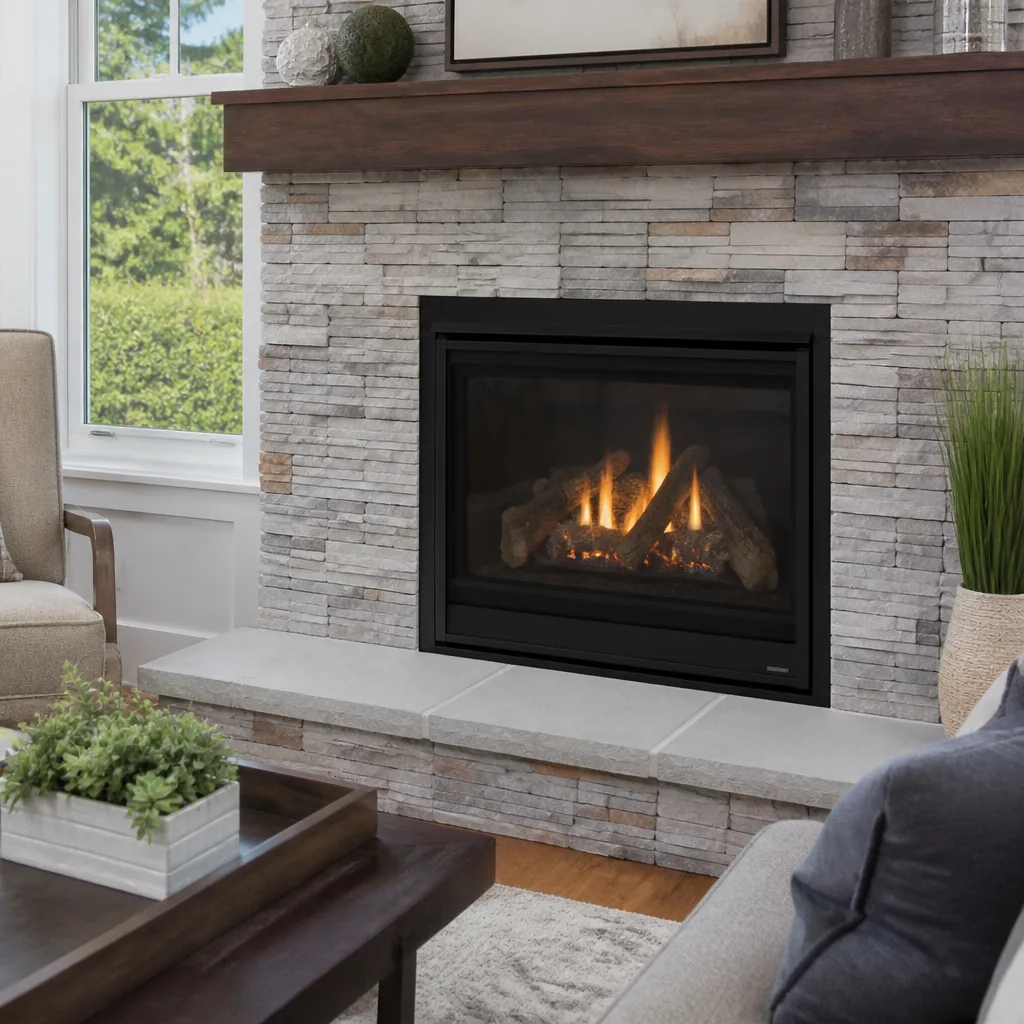 Gas fireplace service
Level 1 sweep and inspection to the NFPA 211 annual standard - flue, crown, cap, and flashing checked and photographed
Chimney sweep logs do not sweep chimneys. They loosen some creosote - which then falls where a brush and vacuum still have to collect it.
Seasonal Chimney Cleaning Care for Lynn: Year-Round Homeowner’s Guide
The chimney problem you discover in January almost always started in September, and could have been caught in October for a fraction of the winter repair cost. That’s the core misconception this guide corrects: most Lynn homeowners treat chimney care as a single annual event, one sweep sometime before the holidays, and assume the flue takes care of itself the other eleven months. It doesn’t. Lynn’s four distinct seasons each stress your chimney in a different way, and what you do (or ignore) between burns determines whether January brings a simple cleaning or a liner repair. Here’s how to think about chimney care as a rolling four-season system, with a specific checklist for each quarter.
Quick Answer
Chimney care in Lynn works best as a four-season cycle, not a single yearly sweep: book the sweep in late summer or early fall before the first fire, watch for draft and soot warning signs through winter use, use spring to assess freeze-thaw damage to the crown and mortar, and inspect in summer when humidity and nesting animals can quietly damage caps and liners. The single best move is a written, year-over-year inspection record, so every service call starts from evidence rather than guesswork. A professional sweep, repair, and inspection relationship handled by one specialist makes that record possible.
Styles & brands we work with
- Sweep & inspection
- Caps & crowns
- Flue relining
- Masonry repair
- Gas fireplace service
Table of Contents
- Fall: Timing the Sweep Before the First Fire
- What to Check Before the First Burn
- Winter: Warning Signs During Active Use
- Spring: The Best Inspection Window
- Summer: Humidity, Nesting, and Off-Season Damage
- Building a Rolling 12-Month Documentation Record
- Common Mistakes to Avoid
- When to Call a Professional
Fall: Timing the Sweep Before the First Fire
There’s a narrow sweet spot for the fall sweep in Lynn: after peak nesting season ends and before you light the first fire of the season. A summer sweep often misses evidence of pest activity, because birds and small mammals may still be raising young in an open flue. Sweep too late and creosote from last year’s fires sits on the flue walls through the cold months, waiting for the first hot burn. Late summer into early fall catches both ends at once.
Creosote is the material that matters here. It builds up in layers of soot, then a flakier stage, then a hard, glazed, tar-like coating that’s genuinely difficult to remove and heavily combustible. A professional sweep removes what’s there and reports the stage and thickness, using a camera inspection and photo report so you see the same thing the technician saw. That’s the whole point: not just a cleaning, but a baseline.
Our technicians have up to 9 years of experience reading creosote stages and spotting early liner problems, and in our experience the fall sweep is where most mid-winter repairs get headed off. A flue that’s clean, fully connected, and drafting correctly in October usually stays that way through the burn season. One that has a loose section of liner or a cracked crown going into fall often ends up needing repair in February.
Late fall is also when Lynn’s older housing stock, much of it built before modern flue standards, shows its age. Masonry joints loosen. Caps shift. Liner sections separate. None of it is visible from the hearth, which is exactly why the once-a-year sweep should include an inspection of the full system rather than only the flue interior. Sweep, repair, and inspect handled together by one specialist keeps accountability in one place.
What to Check Before the First Burn
Before you light the first fire, run through this checklist yourself. These are checks, not repairs. Anything on the list that looks wrong is a job for a trained professional, especially anything involving the flue interior, the liner, or the chimney crown.
- Look at the firebox and damper. Open the damper fully and check that it moves freely and stays open.
- Check the smoke chamber and flue opening with a flashlight for visible soot, debris, or a bird nest. Anything you can see from the damper is only a fraction of the picture.
- Look at the interior gaskets on firebox doors. These are common leak points on wood and gas units.
- Examine the chimney exterior from the ground. Missing mortar, loose bricks, rusted chase covers, or a tilted cap are all visible from below in most cases.
- Confirm smoke alarms and carbon monoxide detectors work on the same floor as the fireplace. Carbon monoxide is a real hazard from blocked or poorly drafting flues, and detectors should be tested before the fireplace is lit for the season.
- Check your written record from last year. If the sweep noted a weak section of mortar in a specific spot, that’s what you check first this fall.
For routine cleaning, our chimney sweep includes the flue interior, smoke chamber, firebox, and a camera inspection with a photo report you keep. It’s the clean starting point for the season and the first entry in any year-over-year record.
Winter: Warning Signs During Active Use
Winter is when the chimney is under load, and it’s also when the first real symptoms show up. The three to watch are draft problems, unexpected odors, and changes in soot behavior. Any one of them is worth a call. Two together is a reason to stop using the fireplace until you’ve had it looked at.
Draft problems show up as smoke rolling into the room when you light a fire, a fire that’s hard to start, or back-puffing when the flue warms up slowly. Given Lynn’s cold, damp winters, a cold flue can struggle to establish draft at first burn, but persistent smoking is not about cold air. Usually it’s a partial blockage, a separated liner joint, or a cap that’s been pushed down or blocked by snow and ice.
Odors are worth taking seriously too. A smell in the room when there’s no fire can come from creosote off-gassing on a warm day, from a downdraft pulling air down the flue, or from debris left in the smoke chamber. Soot behavior is the quietest sign: thick black soot, or soot appearing on the glass of a gas insert or the firebox door, often means the flue isn’t venting the way it should. A flue is a life-safety system. If you’re seeing any of these, get a professional involved before the next burn.
One seasonal caution: don’t run secondary wood or gas appliances through a flue that’s had any kind of liner change unless you’ve had it checked. Winter is when problems show up, but the cause was often set months earlier.
Spring: The Best Inspection Window
Spring is the single best window for a chimney inspection in Lynn, and it’s the opposite of what most homeowners assume. The thinking goes that chimney care and inspection are fall jobs, so spring stays quiet. In fact, spring gives you the clearest read on a year’s wear. Winter fire activity is over, and freeze-thaw damage from the cold season has had a chance to show itself.
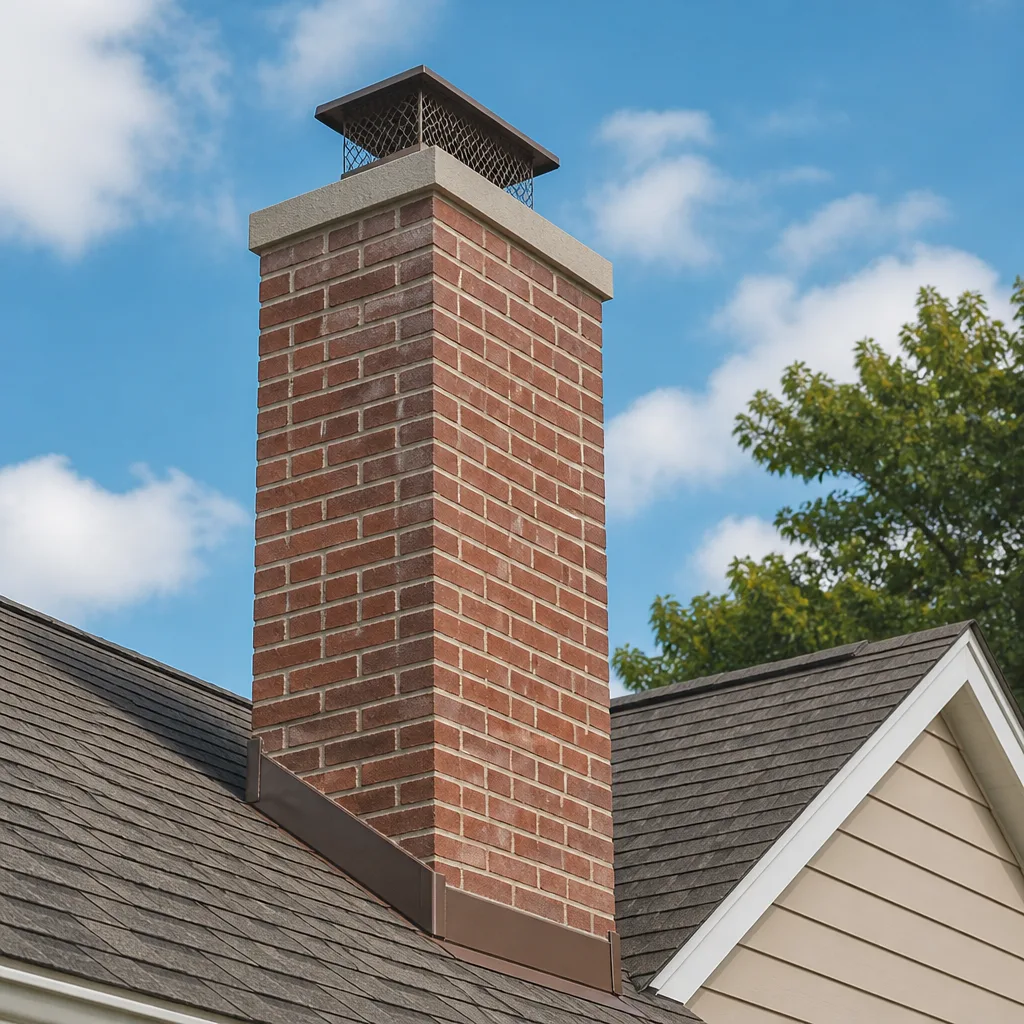
What that means in practical terms: crowns crack as water soaks into them and refreezes, pulling mortar apart. Brick faces spall off over cold months. Flashing loses its seal. The chimney is masonry, and masonry fails from the outside in. A spring inspection catches all of it before the warmer months let the damage settle into something structural.
Spring is also when a chimney repair can be scheduled with the least disruption. The crown and exterior repairs can happen now, well before next fall. If a liner section or the smoke chamber needs attention, you’re getting it done on your schedule, not mid-winter. That’s the practical gain: a spring repair is planned work, a winter one is urgent.
If you’re moving into a new home, spring is also the ideal time for a standalone inspection. We offer inspection as its own service, with written documentation you can use for a real estate transaction or an insurance requirement. The report tells you what the chimney needs now, what can safely wait, and what the inspector would want re-checked next year. Nothing gets recommended without camera evidence you can see for yourself, and it’s fair to say plainly when work can wait.
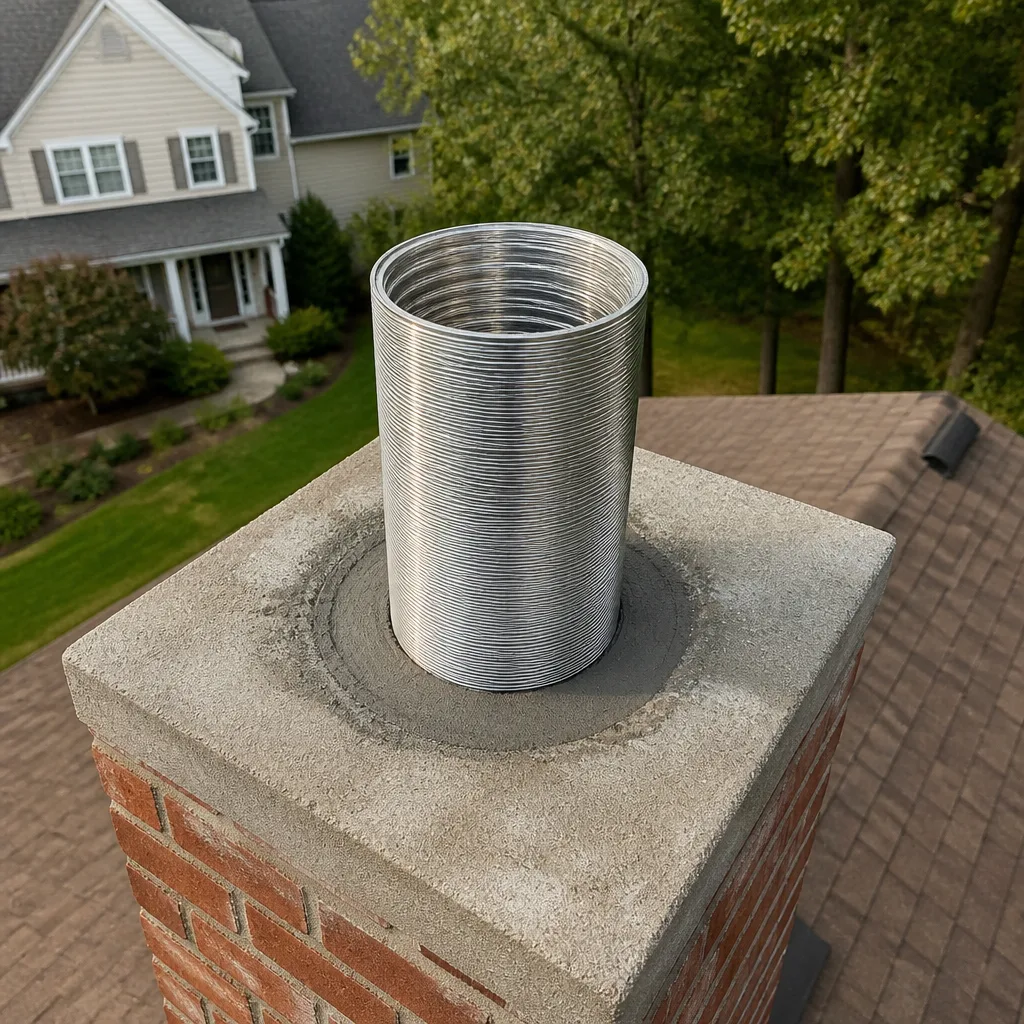
When a compromised flue needs resurfacing, HeatShield is the option we use. It restores the flue interior without the cost and disruption of a full liner tear-out, which is often a repair that sweep-only competitors can’t offer. For relining work, we specify DuraFlex flexible liner systems for their durability in high-heat environments. The point is that spring is when you choose to fix these, rather than when winter forces your hand.
Summer: Humidity, Nesting, and Off-Season Damage
Summer is the quiet season for the chimney itself, and the busiest for everything that damages it. Two things happen in Lynn over a humid summer: moisture collects in a flue that isn’t venting hot air, and animals look for a sheltered place to nest. Both cause real damage in an unlit chimney.
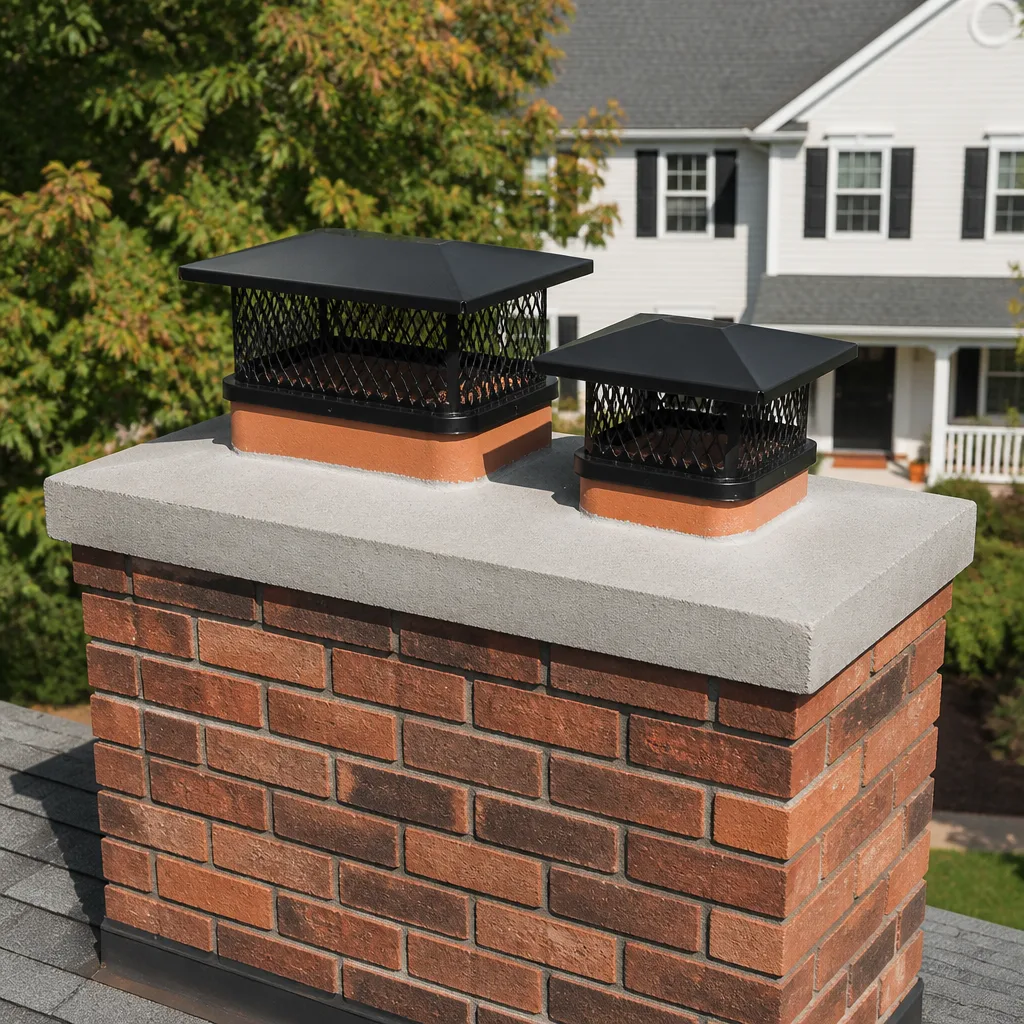
Moisture is the bigger problem. A flue that runs cold and damp through a humid summer can rust a steel liner from the inside and soften mortar joints. A tight-fitting cap and a crown in good repair keep the worst of it out. That’s part of why the cap and chase cover matter as much as the flue itself. We specify caps, covers, and venting components from brands like Gelco, Famco, and Olympia Chimney because the fit and material longevity matter more than the lowest bid. A cap that breaks or shifts off in a summer storm leaves the flue open to water and pest intrusion for months.
Nesting animals are the second problem. Chimney swifts and other birds, and sometimes squirrels, get into an open or damaged flue through the summer. A nest left in the chimney blocks the flue and creates a fire hazard when the first fire is lit in fall. That’s exactly why the fall sweep needs to happen before the first burn, not after: it’s the only reliable way to find a summer nest and clear it.
Summer is also when you can book chimney sweep and inspection work with plenty of scheduling room, and when a cap or crown repair can happen without disturbing a fire in use. If a leak has been showing up as a damp patch or a smell in the firebox on humid days, summer is the time to trace it. Off-season water damage is the most common cause we see of a liner problem that had no warning sign during the burn season.
Building a Rolling 12-Month Documentation Record
A rolling record is simple: a single folder, paper or digital, that holds every sweep report, inspection report, repair invoice, and photo set for the chimney, in date order. The purpose is to make each service call faster and more targeted. Every fall, the technician reads last year’s report before touching the flue, and starts from a known baseline rather than a blank page.
Here’s what belongs in it, and why each item earns its place:
- Every inspection report, with photos. A camera inspection and photo report is the record of what was actually there. You can see the change year over year.
- Every repair invoice, with the exact brand and component named. If a liner section, cap, or crown was replaced, the brand and product matter for future service. That’s part of why we specify recognizable, warrantied components from DuraFlex, HeatShield, Gelco, Famco, Olympia Chimney, and Copperfield rather than anonymous parts.
- Your fall sweep notes. Creosote stage and thickness, plus any note the sweep left about weak spots.
- Your spring inspection notes. Crown, flashing, mortar, and exterior condition season by season.
- Any real estate or insurance documentation. Keep the written inspection in the same folder.
Over a few years, this record does something no single visit can: it shows the trajectory of the chimney. Is the crown getting worse year over year? Is the liner showing any pitting? Has the creosote stage been climbing because of how the fireplace is being used? Those are questions a visit can answer, and a record can answer faster. Homeowners in Lynn deal with real winter cold and a real summer humidity swing, and a chimney’s wear pattern shows in the record long before it shows in a January failure.
Common Mistakes to Avoid
- Treating the chimney as a one-appointment-a-year job. A single fall sweep is the start of a year-round system, not a complete one, and skipping the spring inspection is how freeze-thaw damage goes unnoticed until it’s structural.
- Sweeping too early or too late in the fall. Sweep before nesting season ends and you miss summer activity. Sweep after the first fires and you’re cleaning creosote that’s already been through a burn cycle. Late summer into early fall is the window.
- Ignoring winter symptoms until spring. A draft problem in January is worth a call in January, not something to put off. The flue is a life-safety system, and smoke or soot in the room is not a wait-and-see problem.
- Skipping the cap or letting a damaged one stay. In Lynn’s humid summers, an open or damaged flue takes on moisture and pests for months. The cap is the cheapest protection on the chimney.
- Hiring a sweep-only contractor for a repair issue. If the sweep findings show a liner or masonry problem, you want the same specialist to handle the repair rather than being handed off to a second contractor and losing the record.
- Not keeping the paperwork. A well-documented chimney is easier and faster to service, and the written inspection is what carries weight for a sale or insurance requirement.
- Assuming an older chimney is safe because it’s “always worked.” Masonry and liners wear quietly. An older home in Lynn is more likely to have a compromised flue, not less, and the only way to know is to have it inspected.
When to Call a Professional
Call a professional for anything involving the flue interior, the liner, the chimney crown, or the flashing. Those are not homeowner jobs, and some of them carry real injury risk. Also call if you see smoke in the room, soot on the firebox, a smell when there’s no fire, a damp patch, or a cap that’s shifted. Book the fall sweep and the spring inspection as routine maintenance. For panel and flue connections on gas or oil equipment, keep a qualified technician on the work.
Chimney Sweep Lynn offers free estimates in Lynn. Call (833) 922-2686. We answer 24/7. Fast dispatch from 7am to 7pm, Sunday through Friday. We serve homeowners across Lynn and the surrounding area, and our estimates are free, with the final price set by the written estimate.
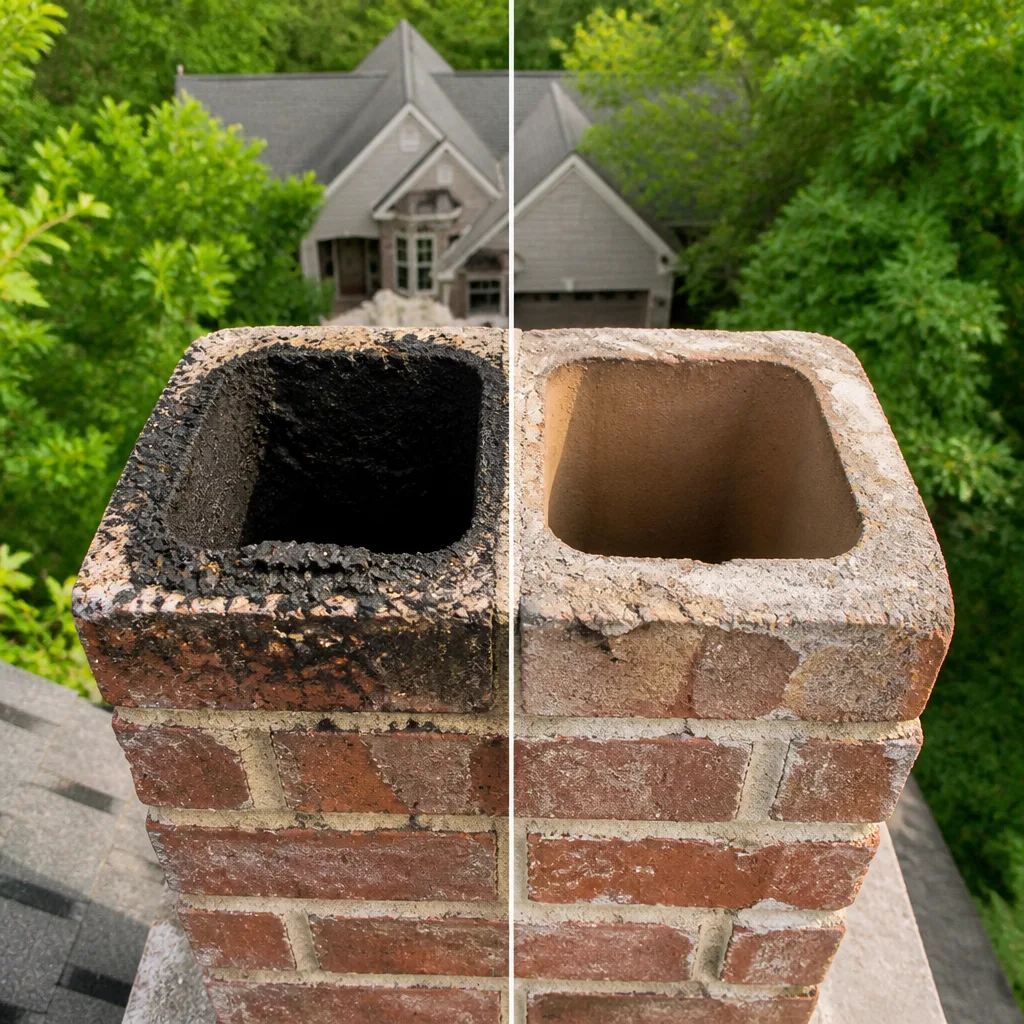
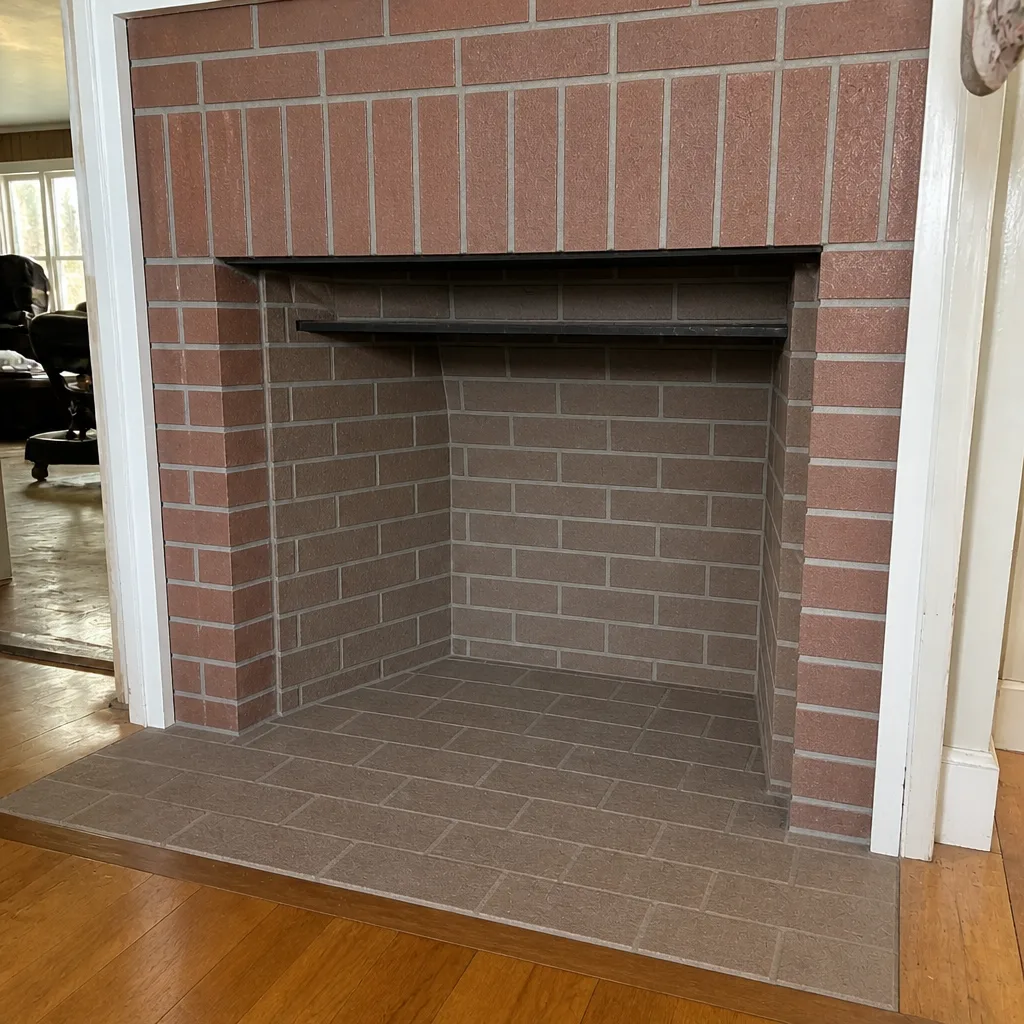
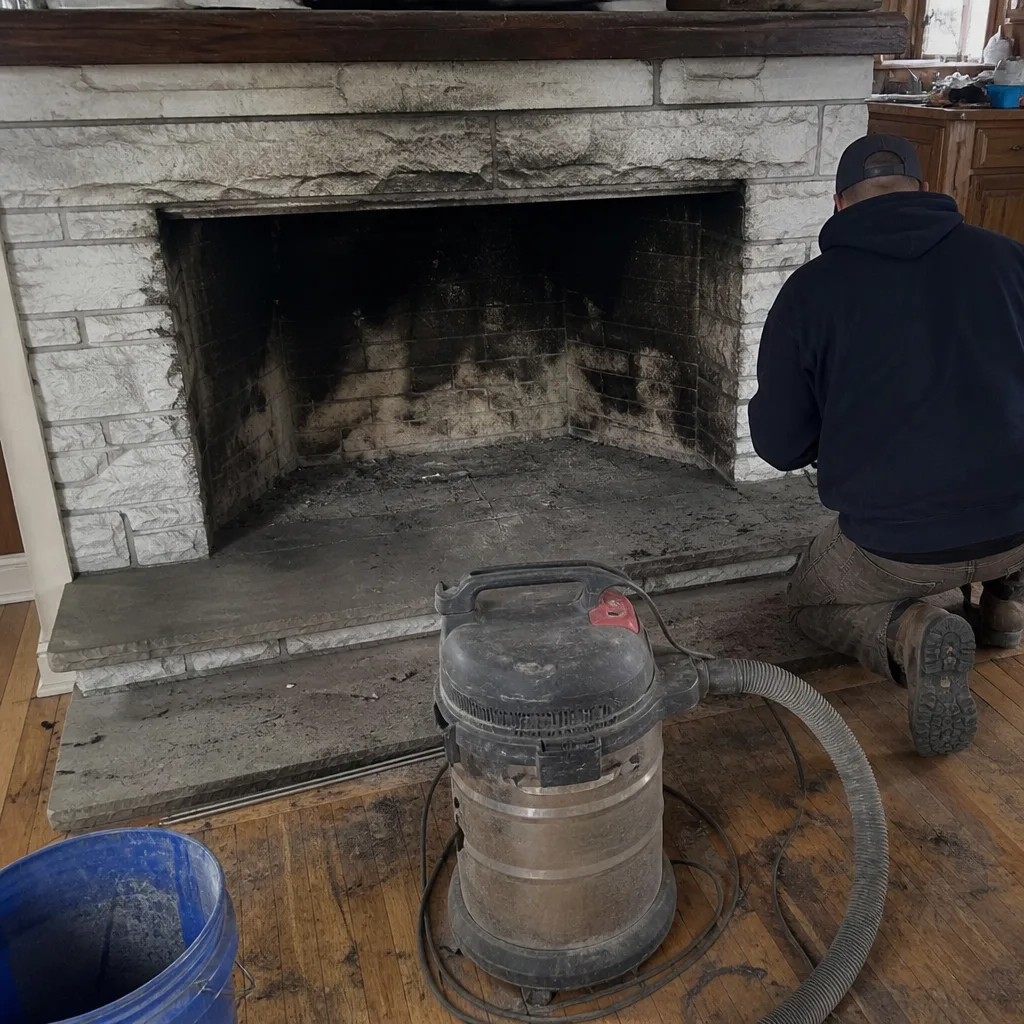
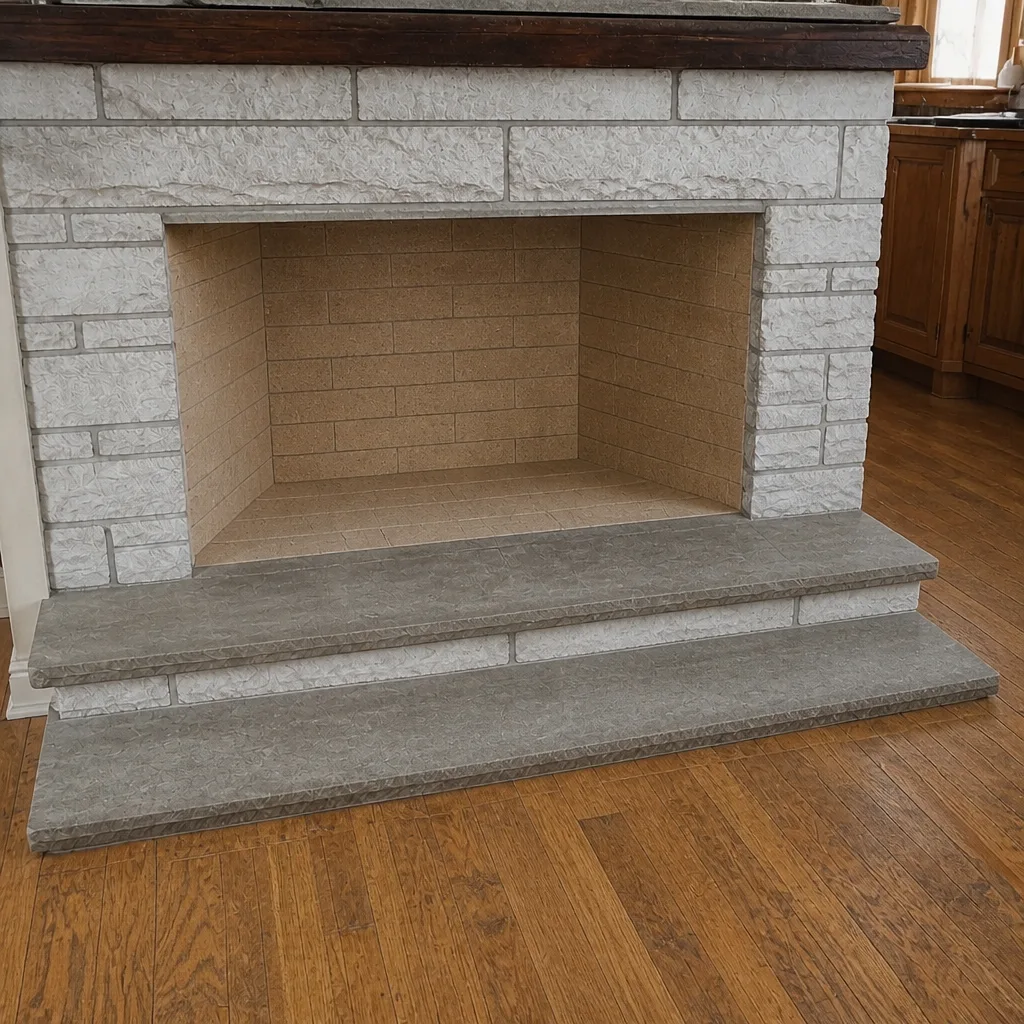
See the difference
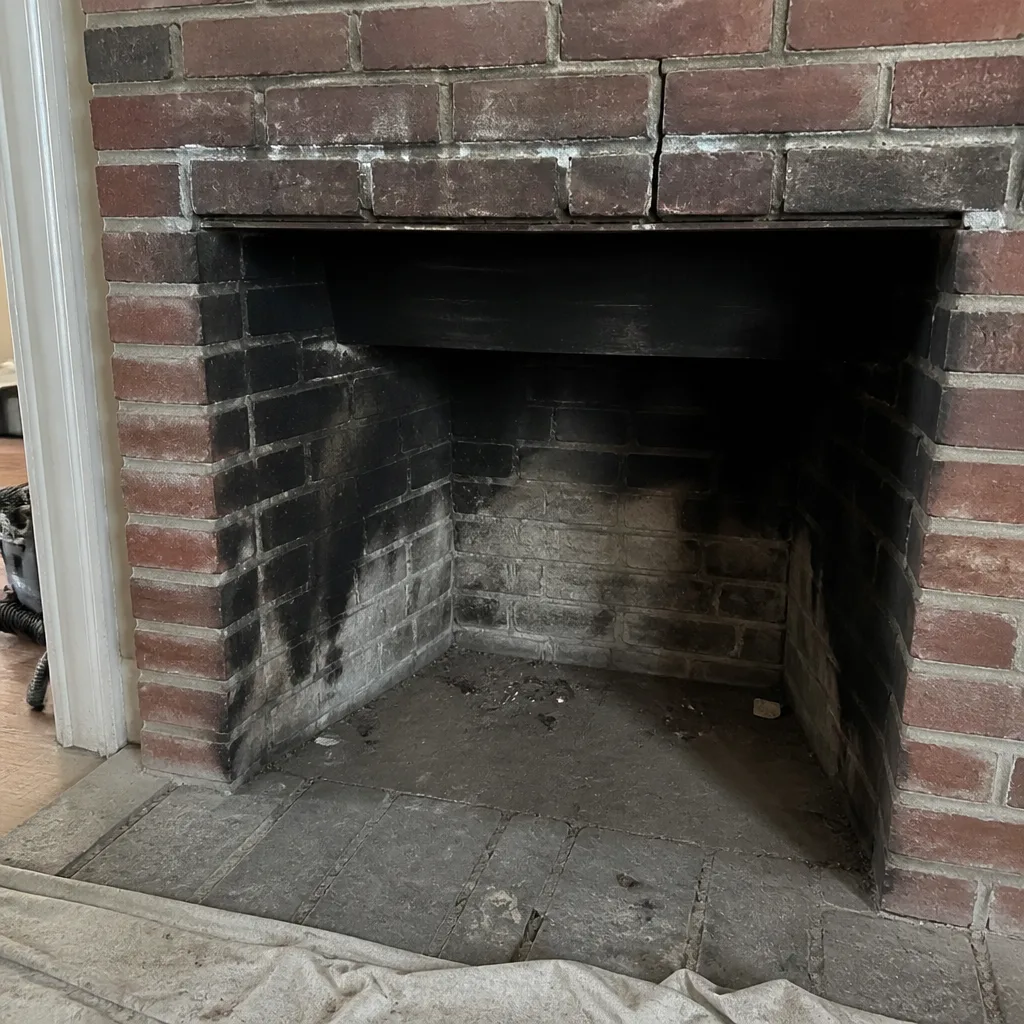 Before
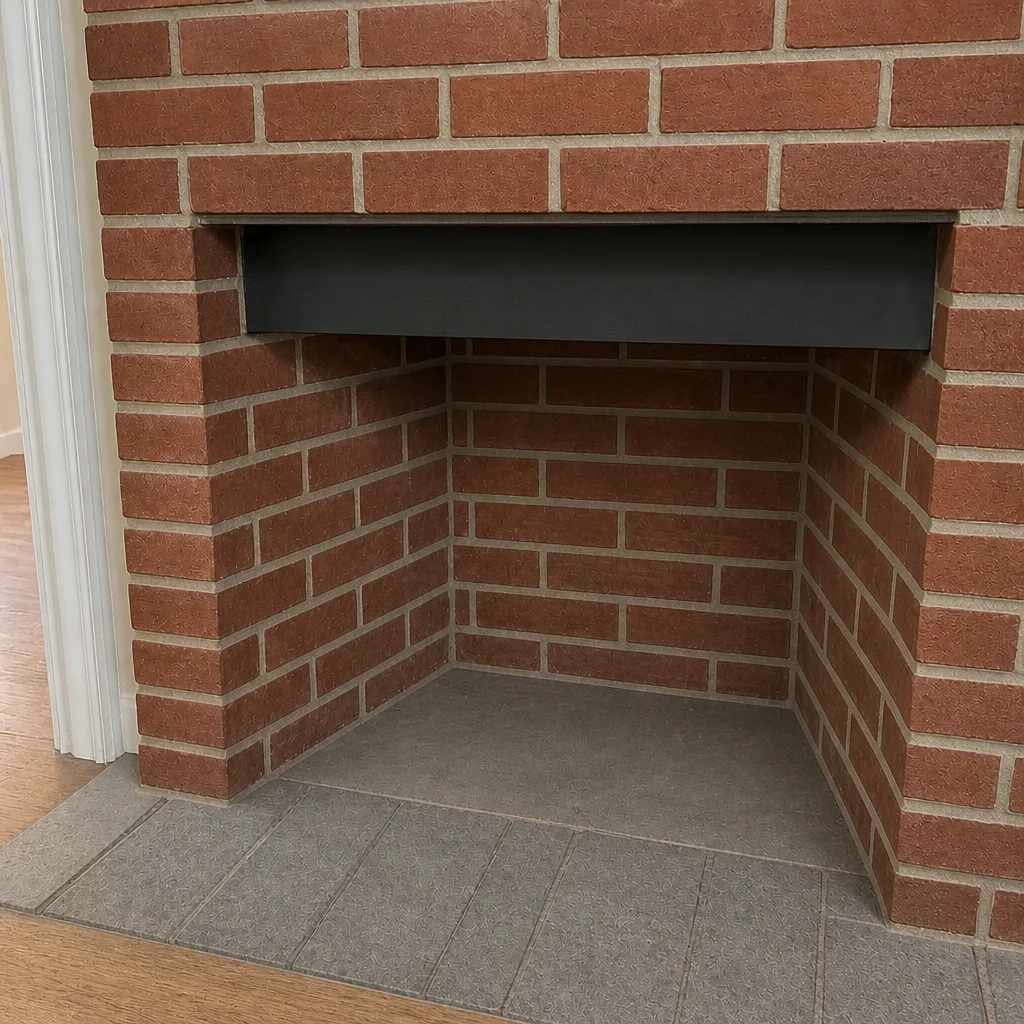 After
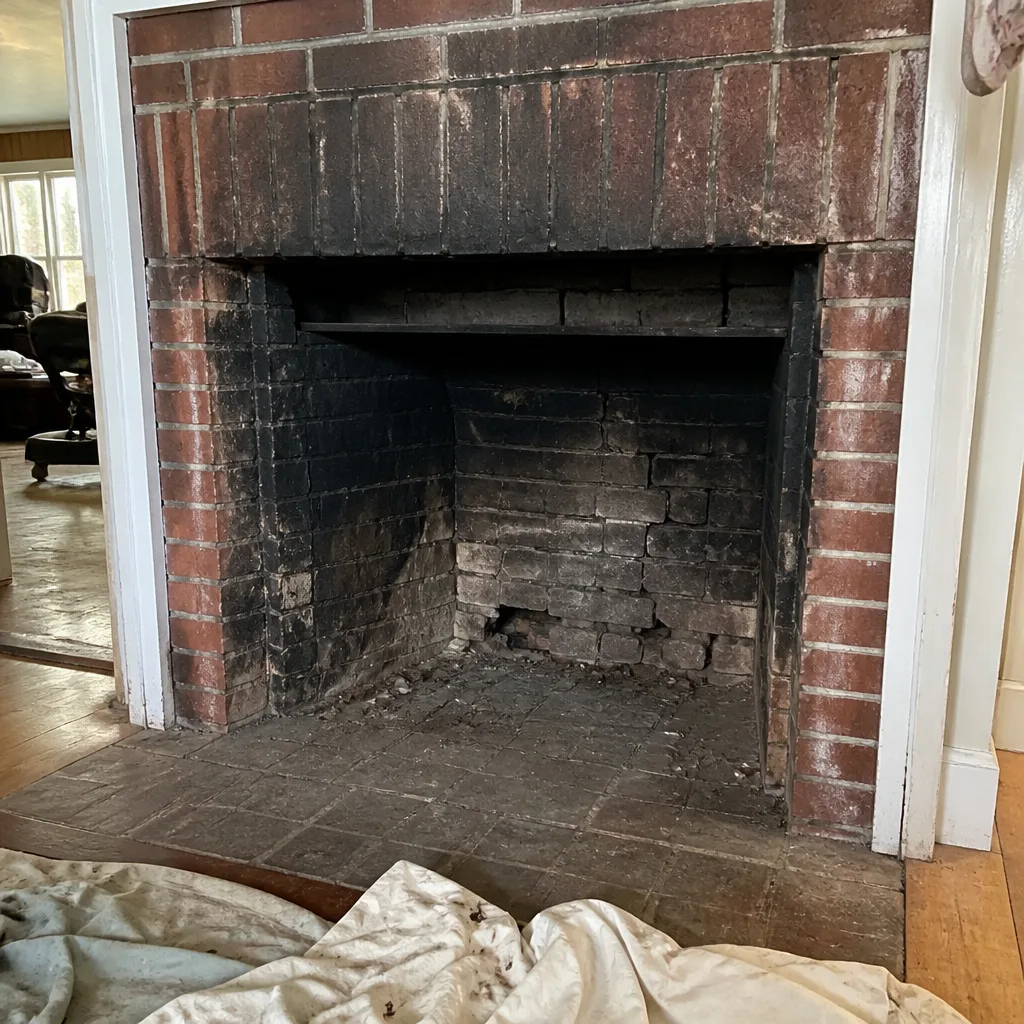 Before
 After
 Before
 After
Frequently Asked Questions
Most wood-burning chimneys should be swept once a year, and a Lynn chimney that sees regular winter use should be swept each fall before the first fire. Gas inserts and oil-heating flues have different cleaning intervals, so ask during the inspection. If you burn frequently, or the previous sweep noted an early creosote stage, you may need it sooner. Call (833) 922-2686 for an exact quote on your chimney – estimates are free.
Yes. Spring gives the clearest read on winter wear, because the fire season is over and freeze-thaw damage to the crown and mortar has already shown itself. A spring inspection catches exterior and structural problems well before the next fall, and any repair can be planned rather than urgent. It’s the single best window on the calendar for a full look at the system.
Smoke rolling into the room, a fire that’s hard to start and won’t draft, soot on the firebox or insert glass, and any smell in the room when there’s no fire are all warning signs. Any of these means the flue may be blocked or venting poorly, and it should be checked before the next burn. A flue is a life-safety system, so don’t wait out the season on symptoms like these.
Yes. A flue that stays cold and damp through Lynn’s humid summer can rust a steel liner and soften mortar joints, and a damaged or missing cap lets water and nesting animals in for months. The cap and crown are the main defenses. Having them checked in summer, when the chimney isn’t in use, is the practical way to keep moisture damage from building up.
A sweep cleans the flue and removes creosote, while an inspection assesses the whole system and documents condition with photos and a written report. We offer both as separate services, and the inspection is often the one you need for a home purchase or an insurance requirement. Sweep, repair, and inspect handled by one specialist means one point of accountability for the whole chimney.
Creosote keeps building, and a flue that’s been left too long goes into the harder, more combustible stages that are genuinely difficult to remove. Freeze-thaw damage to the crown and mortar gets worse season by season, and summer moisture and nesting add up quietly. The safe approach is the annual sweep plus the spring inspection, not a scramble when something fails.
The Bottom Line
Chimney care in Lynn is four seasons of attention, not one fall appointment. Sweep in late summer or early fall before the first fire, and watch for draft and soot symptoms through winter. Use spring, when freeze-thaw damage is fresh, for the full inspection. Watch the cap and crown through summer, when humidity and nesting animals do the most damage. Keep a rolling written record so every visit starts from evidence. Nothing gets recommended without camera proof you can see, and it’s fair to say plainly when work can safely wait. If you want the full four-season system handled by one specialist, Chimney Sweep Lynn is ready to help.
Call (833) 922-2686 for a free estimate. We answer 24/7. Fast dispatch from 7am to 7pm, Sunday through Friday. Or visit us online to book a sweep, a repair, or a documented inspection for your home.
Written by the team at Chimney Sweep Lynn.