
Last updated November 16, 2026
 Sweep & inspection
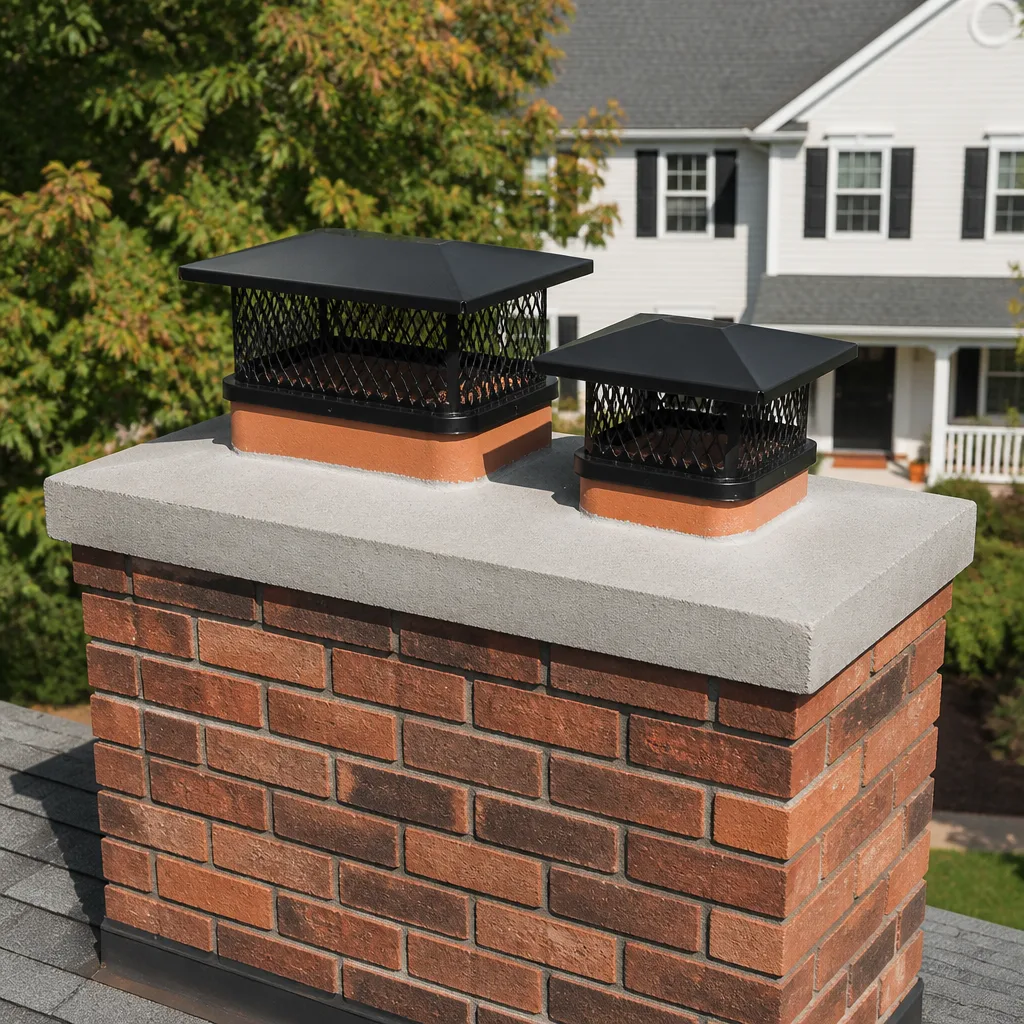 Caps & crowns
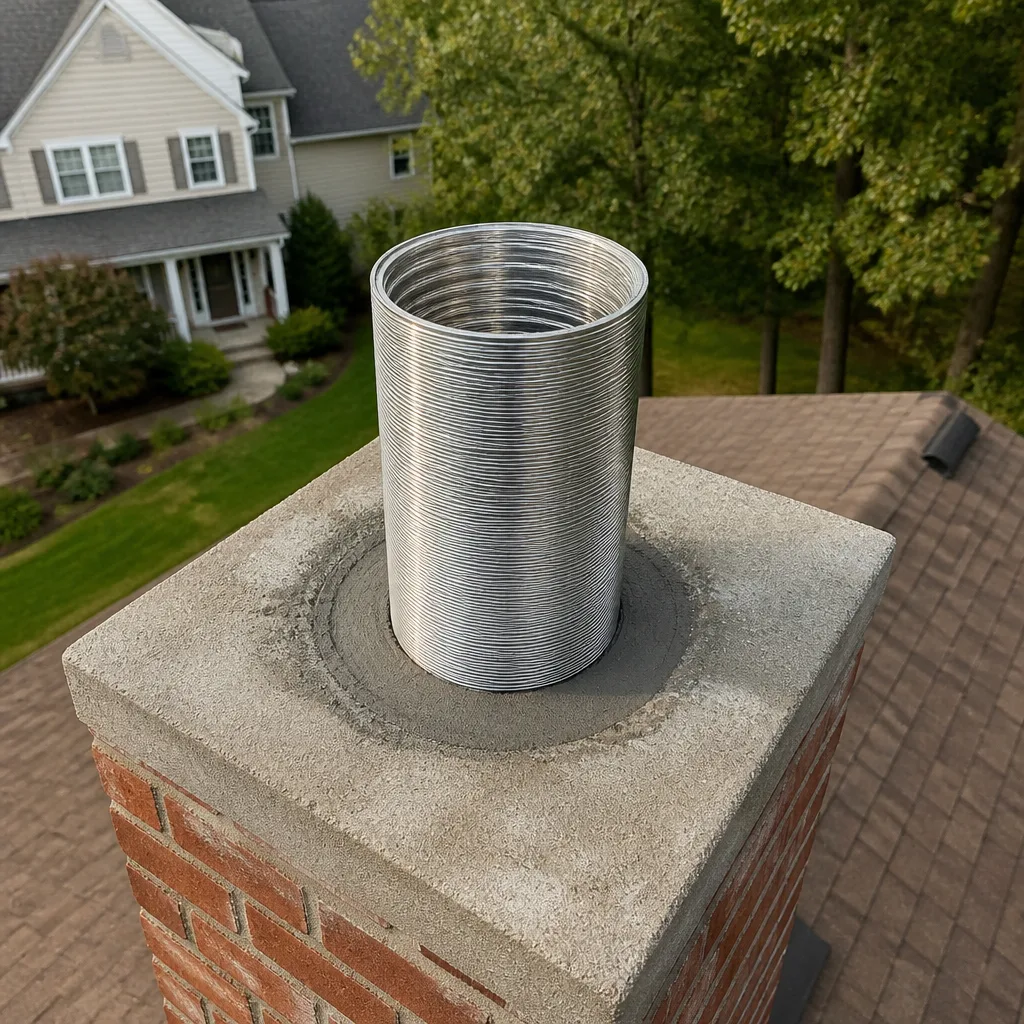 Flue relining
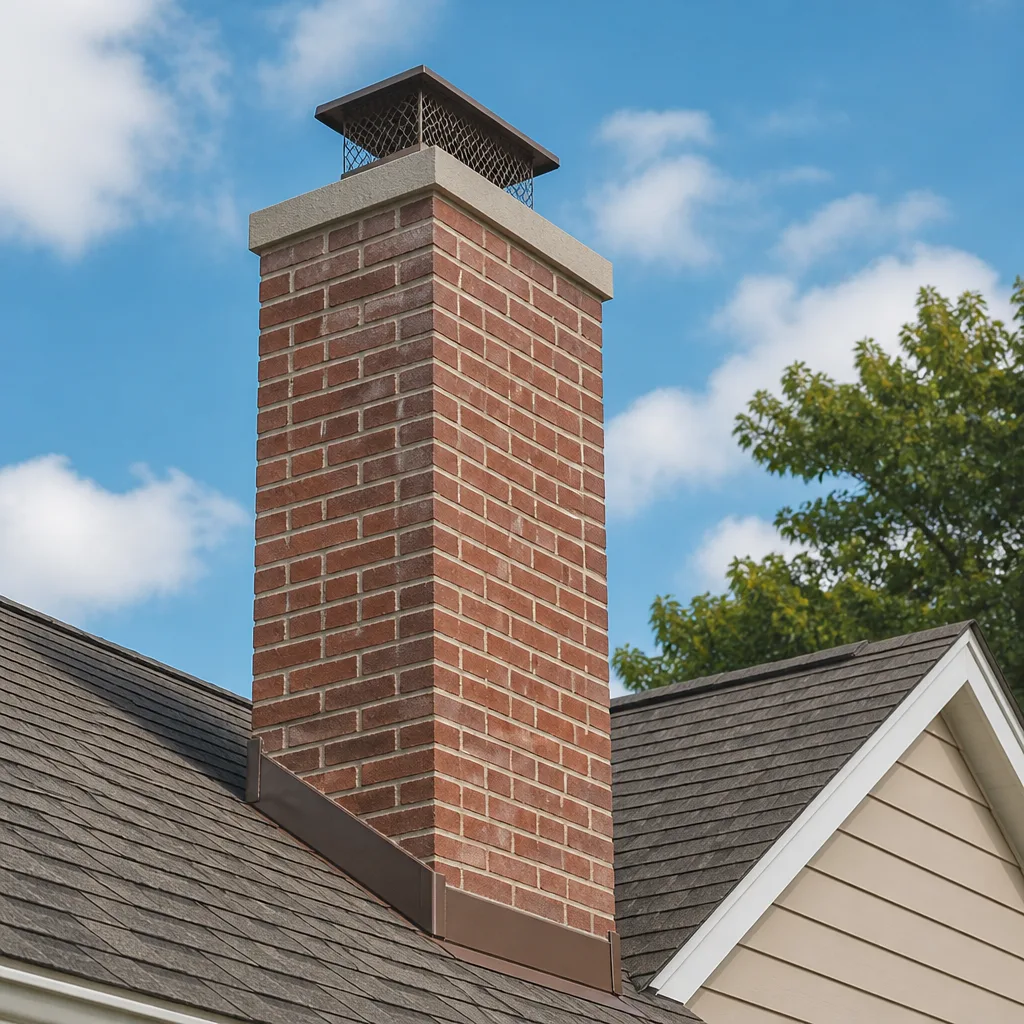 Masonry repair
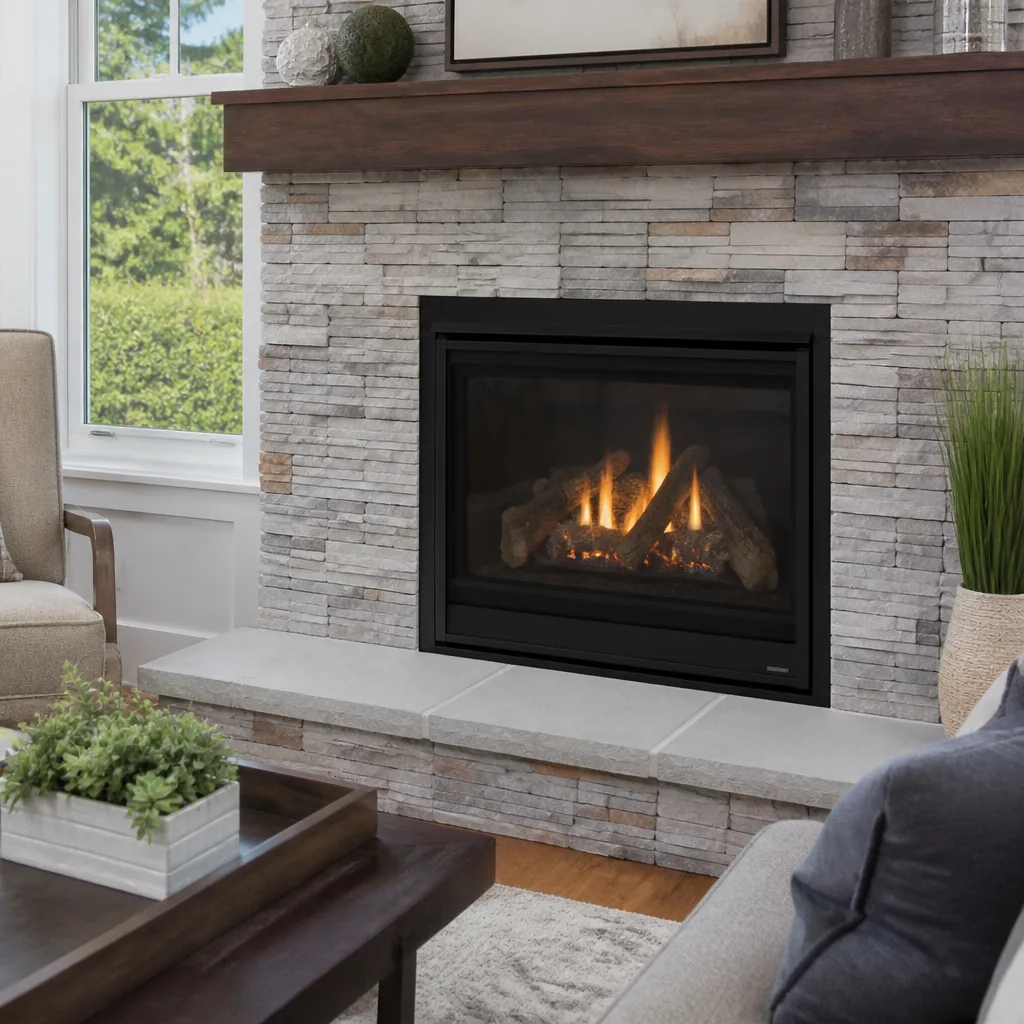 Gas fireplace service
Level 1 sweep and inspection to the NFPA 211 annual standard - flue, crown, cap, and flashing checked and photographed
Chimney sweep logs do not sweep chimneys. They loosen some creosote - which then falls where a brush and vacuum still have to collect it.
Chimney Cleaning Permits, Codes & Inspections in Lynn, MA: What You Need to Know
If a contractor tells you chimney work never needs a permit in Massachusetts, that’s not reassurance. That’s a red flag. Plenty of Lynn homeowners hear that line and take it as good news, right up until a home sale stalls or an insurance adjuster starts asking for paperwork that doesn’t exist. The truth is messier and more useful: some chimney work needs a permit, some doesn’t, and the line between the two isn’t where most people assume. This guide maps where that line actually falls under Massachusetts code, how the City of Lynn handles permits, what NFPA 211 requires, and how to protect yourself when you hire. We’ll also cover what the State Fire Marshal’s office does and doesn’t oversee, and what happens when unpermitted work turns up during a real estate transaction.
Quick Answer
In Lynn, MA, routine chimney cleaning and inspection do not require a building permit. Structural chimney repair and liner replacement generally do, because they alter a life-safety system regulated under the Massachusetts building code and NFPA 211. Unpermitted repair work can jeopardize insurance claims and complicate a home sale, so ask your contractor directly whether a permit is required before any repair begins.
Styles & brands we work with
- Sweep & inspection
- Caps & crowns
- Flue relining
- Masonry repair
- Gas fireplace service
Table of Contents
- Which chimney services need a permit in Massachusetts?
- How does Lynn’s building department handle chimney permits?
- Licensed construction supervisor vs. registered contractor: what’s the difference?
- NFPA 211 and what inspectors actually look for
- What does the Massachusetts State Fire Marshal’s office oversee?
- How unpermitted chimney work surfaces in a home sale
- The three levels of chimney inspection, and when you need each
- What a proper chimney report should contain
Which chimney services need a permit in Massachusetts?
Cleaning and inspection are maintenance. Repair and replacement are construction. That distinction is the whole ballgame, and it’s how most contractors and building departments draw the line.
Chimney sweeping is not permitted work. It’s removal of creosote, soot, and debris from an existing flue. An inspection is not permitted work either. It’s an assessment: visual, video, or both, with written documentation. You don’t pull a permit to look at a chimney, and no city in Massachusetts requires one for a cleaning.
Repairs are a different matter. Anything that changes the structure of the chimney or the flue pathway falls under the Massachusetts building code, which adopts the International Residential Code with state amendments. In practice, the following are usually permitted work:
- Liner replacement or relining. Installing a new stainless flexible liner changes the flue’s cross-section and material. A permit is standard.
- Structural repair of the chimney stack. Rebuilding a crown, re-pointing a compromised flue, or repairing a cracked masonry chase that affects the chimney’s integrity.
- Firebox and damper replacement. The firebox is part of the venting system, and replacing it triggers permit review in most Massachusetts jurisdictions.
- Chimney cap replacement where the cap ties into the flue structure, rather than a simple decorative or screening cap.
- Appliance reconnection after improper venting. If a wood stove or oil furnace flue has been connected in a way that violates clearances or venting rules, correcting it is a construction activity.
What does not usually require a permit: a sweep, an inspection at any level, a new screen-style cap, and minor cosmetic masonry repair that doesn’t touch the flue.
The ambiguity lives in gray areas. Flue resurfacing with a product like HeatShield, which restores a damaged flue interior without tearing out the liner, sometimes gets classified as a repair requiring a permit and sometimes as maintenance. In our experience, it depends on the specific condition being addressed and the local inspector’s read of the project. Ask. Get the answer in writing. We’ve seen Lynn jobs where the permit question wasn’t settled until the building department looked at the scope directly.
How does Lynn’s building department handle chimney permits?
Lynn has its own building department, and it administers the Massachusetts statewide building code at the local level. That means a chimney permit in Lynn is filed with the city, reviewed against the same state code that governs every other city in Massachusetts, and inspected by a Lynn building inspector.
A typical permit process for chimney repair in Lynn runs like this:
- The contractor files the permit with Lynn’s building department. The filing includes the scope of work and the product being specified.
- Details matter. If a reline is on the table, the permit needs to name the liner type and its listing. This is where the difference between a named professional-grade product and an anonymous component shows up in the paperwork.
- The city reviews the plan and issues the permit. Simple repair permits generally clear review faster than full relines or structural work.
- The work is done, and the contractor arranges an inspection. The inspector verifies the installation against the permitted scope.
- The permit is closed. This is the paper that protects you later, during a sale, an insurance claim, or a future repair.
Homeowners can ask to see the permit before work begins. You can also ask the department directly whether a permit was pulled on your address. That single phone call is the most effective way to catch an unpermitted job before it becomes a problem. The permit record is a public document, and in Lynn that record either exists or it doesn’t.
Fireplace and heating appliance work has a second layer of oversight, and that’s worth knowing about. The State Fire Marshal’s office, working alongside local fire departments, has jurisdiction over certain heating appliance installations, including solid fuel and oil-burning equipment. Local fire departments in Lynn and surrounding communities often have a role in inspections of new or changed heating installations. When a chimney repair touches a heating appliance connection, expect that fire department review may come into play alongside the building permit.
Licensed construction supervisor vs. registered contractor: what’s the difference?
Massachusetts has two overlapping contractor credentials, and homeowners routinely confuse them. The difference matters when chimney repair is on the table.
A licensed construction supervisor holds a state license issued by the Office of Consumer Affairs and Business Regulation and can oversee construction work, including the structural and code-regulated aspects of chimney repair. Structural repair, relining, and anything that alters the chimney’s venting role fall within that scope.
A registered home improvement contractor (HIC) is registered with the state to perform home improvement work under a certain contract value. HIC registration is broader and more general. It’s not the same as a construction supervisor license, and it doesn’t cover structural work on its own.
For a chimney reline or a structural repair in Lynn, the person responsible for the work should be able to show a construction supervisor license. That license is what ties the work to the state building code and what makes the permit meaningful. For a cleaning or an inspection, the credential question is less formal, but the company should still carry insurance and be able to prove it.
The practical question to ask any chimney contractor is blunt: who is the licensed construction supervisor on this job, and what’s their license number? A company worth hiring answers that question without flinching. A company that tells you no license is needed because chimney work doesn’t require one is telling you something useful about how the job will be run.
NFPA 211 and what inspectors actually look for
NFPA 211, the Standard for Chimneys, Fireplaces, Vents, and Solid Fuel-Burning Appliances, is the consensus standard that the trade treats as the professional standard of care. Massachusetts code adopts it by reference for many aspects of chimney work. If you want to know what a competent inspector or building official is measuring your chimney against, this is the document.
NFPA 211 covers the whole system: clearances to combustibles, chimney height and termination, flue sizing relative to the appliance, liner condition, the crown, the cap, and the venting pathway. It also spells out the three levels of inspection that any chimney professional should be able to explain.
What inspectors look for, in plain terms:
- Clearances. Combustible materials too close to the chimney or flue. This is the single most common finding, and it’s a fire risk, not a cosmetic issue.
- Flue integrity. Cracks, gaps, spalling, missing mortar joints. A compromised flue lets combustion gases into the house, and that includes carbon monoxide.
- Creosote accumulation. The standard speaks to the need to remove creosote, particularly the glazed, third-degree kind that’s the fuel for a chimney fire.
- Crown and cap condition. A failing crown lets water into the masonry, which starts a slow decline in the stack.
- Appliance connection and flue sizing. A flue that’s the wrong size for the appliance won’t vent correctly, which is a code issue and a health risk.
- Termination height. Chimneys need to extend to the right height above the roofline and surrounding structures to vent properly.
In Lynn, the housing stock makes this more consequential than in newer markets. A lot of the city’s two- and three-family homes are well over a century old, with original or heavily modified masonry chimneys. Those chimneys were often built for coal or for a particular appliance, then repurposed for wood, gas, or oil over the decades. Inspectors who know the age of the housing stock ask more questions about what’s actually venting into a flue, rather than just whether the flue is clean. A flue that was fine for the original appliance may not meet NFPA 211 for what’s connected to it now.
The city’s winters push the chimney through real temperature swings, from a cold dormant flue to a hot fire and back. That cycling is hard on masonry, and freeze-thaw is a real driver of crown and mortar failure here. It’s one more reason the annual inspection matters, and one reason we recommend an inspection every year even when the sweep finds little to clean.
What does the Massachusetts State Fire Marshal’s office oversee?
The State Fire Marshal’s office is where chimney safety overlaps with fire code enforcement in Massachusetts, and understanding the overlap helps you know who to call when something’s wrong. The office is part of the Department of Fire Services, and its jurisdiction covers fire prevention, code enforcement, and certain specific areas like oil-burning equipment and solid fuel appliance safety.
The Fire Marshal’s reach into chimney matters includes:
- Fire code enforcement as it applies to heating appliances and their venting, working with local fire departments.
- Oversight of certain installations, including oil-burning heating equipment and the associated venting. This is where an oil-fired chimney system falls under scrutiny that a wood-burning fireplace doesn’t.
- Investigations after a fire or a carbon monoxide incident, where the question becomes whether the venting system or the appliance was at fault.
- Public safety guidance on solid fuel and chimney safety, which the state distributes to local fire departments and homeowners.
What the Fire Marshal’s office does not do is inspect your chimney on request. Routine inspections are done by chimney professionals and, for permitted repair work, by local building inspectors. The Fire Marshal’s role is oversight and enforcement, not customer service.
Where homeowners run into the Fire Marshal’s world in practice is after a problem. A fire, a CO detector going off, a violation notice from the local fire department. The better move is to get ahead of it. A documented annual inspection that follows NFPA 211 gives you a record showing you maintained the system, which matters when any authority asks questions later.
How unpermitted chimney work surfaces in a home sale
Home sales are where unpermitted chimney work gets exposed, and it’s rarely a pleasant surprise. The buyer’s inspector looks at the chimney, finds evidence of a reline or repair, and asks for the permit and the inspection sign-off. When neither exists, the deal slows down and the burden shifts to the seller to prove the work is safe.
The typical sequence:
- The buyer’s home inspector looks at the chimney and flags a recent reline, a repaired crown, or a new cap. The inspector notes “evidence of work, no documentation available.”
- The buyer’s attorney requests the permit record from the Lynn building department. It either exists or it doesn’t.
- A second, more thorough chimney inspection is ordered to confirm the installation meets code. This is a Level 2 inspection, usually with video.
- If the work fails or can’t be verified, remediation is negotiated. That can mean opening walls to verify a liner install, redoing the work, or a price adjustment. The cost lands on the seller.
Unpermitted work also surfaces with insurers. Many policies require the homeowner to maintain the heating system in a code-compliant condition, and an adjuster investigating a chimney fire claim will ask for the permit and the inspection record. No permit, no paper trail, and the claim gets contested. The homeowner who skipped the permit to save time and fees can end up holding the whole loss.
If you’re buying in Lynn and the seller’s chimney has recent work with no permit, treat that as a serious open item. It’s fixable, but it needs a real inspection before closing, not a verbal assurance.
The three levels of chimney inspection, and when you need each
NFPA 211 defines three inspection levels. Knowing which one you need saves time and money, and it tells you whether the contractor is proposing the right thing.
Level 1: the routine annual inspection. This is a visual check of readily accessible parts of the chimney, firebox, and appliance connection, done during a routine cleaning. It’s the right inspection for a chimney that’s in regular use with no known problems. Every year, with the sweep.
Level 2: the documented inspection. This is the one that matters for real estate transactions, insurance requirements, and any change to the system. A Level 2 inspection includes everything in a Level 1 plus visual inspection of accessible areas usually concealed by panels, and video inspection of the flue interior. This is the inspection that produces written documentation suitable for a sale or an insurance file.
Level 3: the targeted investigation. This is a Level 2 plus access to concealed areas, sometimes including opening walls or removing parts of the chimney structure, when a serious hazard is suspected. Level 3 inspections are rare and happen when there’s a specific concern that can’t be resolved any other way. If a contractor proposes a Level 3 without a documented reason, ask why.
When in doubt: routine cleaning and an annual check call for a Level 1. A home purchase, an insurance requirement, a new appliance, a change in the system, or a post-fire investigation calls for a Level 2. A suspected serious structural or fire hazard calls for a Level 3.
What a proper chimney report should contain
A chimney report is worth the paper it’s printed on. In Lynn, we’ve seen homeowners bring in reports from other companies that were a single page with a checked box and a recommendation to reline, with no photographic evidence and no reasoning. That’s not a report. That’s a sales document. A real inspection report documents what was found with photos the homeowner can look at and understand.
A proper report from a Level 2 inspection should include:
- Photos and video of the flue interior, the firebox, the crown, the cap, and the appliance connection.
- The inspection level performed and the standard used (NFPA 211).
- Findings in plain language, with a recommendation tiered by urgency: what needs fixing now, what can safely wait, and what’s normal wear to monitor.
- Clearances and any code-relevant observations noted explicitly, so the buyer or insurer can see them.
- The name and license of the inspector and the date of service.
The recommendation hierarchy is where a report earns its trust. A report that says every finding is urgent isn’t useful. A report that says “the crown is cracked but not yet leaking, monitor and repair within a year” is useful. The camera inspection and photo report should come with the sweep as a matter of course. If a contractor can’t show you what they saw, you haven’t been inspected.
For written documentation that holds up in a Lynn real estate transaction, the inspection should be a standalone service, not a byproduct of a cleaning. You can request a Level 2 inspection on its own, and the report should stand alone as a document that a buyer’s attorney, an insurer, or a building department can rely on.
Common Mistakes to Avoid
- Assuming all chimney work is permit-free. Cleaning and inspection, yes. A reline or structural repair, no. Ask before the work starts, and get the answer in writing. In Lynn, a missing permit on a reline is a real problem at resale.
- Hiring the sweep who can’t produce credentials. A licensed construction supervisor should be identifiable for repair work, and the company should carry insurance and be able to prove it. If the only answer is a verbal “we’re fully licensed,” ask for the license and the insurance certificate.
- Accepting a one-page report with no photos. A written report without camera images is a recommendation without evidence. You shouldn’t have to take a contractor’s word on a reline worth thousands.
- Skipping the annual inspection because “the chimney looks fine.” Problems live inside the flue and behind the crown, where nobody sees them from the ground. The visual condition of a chimney says little about clearances, flue integrity, or creosote buildup.
- Letting a previous owner’s unpermitted work slide. If you bought a Lynn home and later found a reline with no record, get a documented Level 2 now. It’s far easier to fix on your own schedule than to defend during a future sale.
- Assuming the State Fire Marshal inspects chimneys on request. The Fire Marshal’s office oversees fire code enforcement and certain appliance installations. It doesn’t do routine chimney inspections. That’s a job for a professional using NFPA 211 as the standard.
- Using an anonymous component to save on a reline. A named, listed product like a DuraFlex flexible liner or an Olympia Chimney component leaves a traceable paper trail, which matters to the inspector and to a future buyer. Cheaper isn’t cheaper when the work can’t be verified.
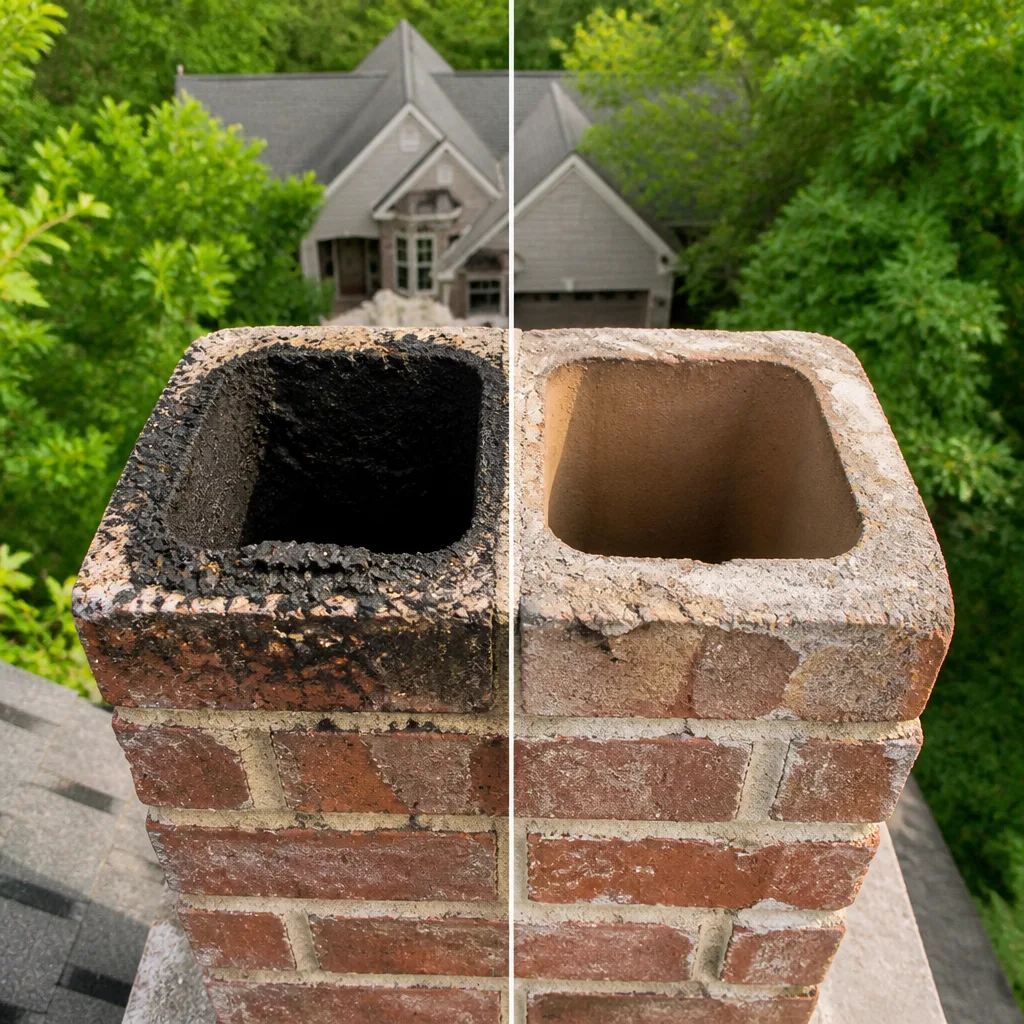
See the difference
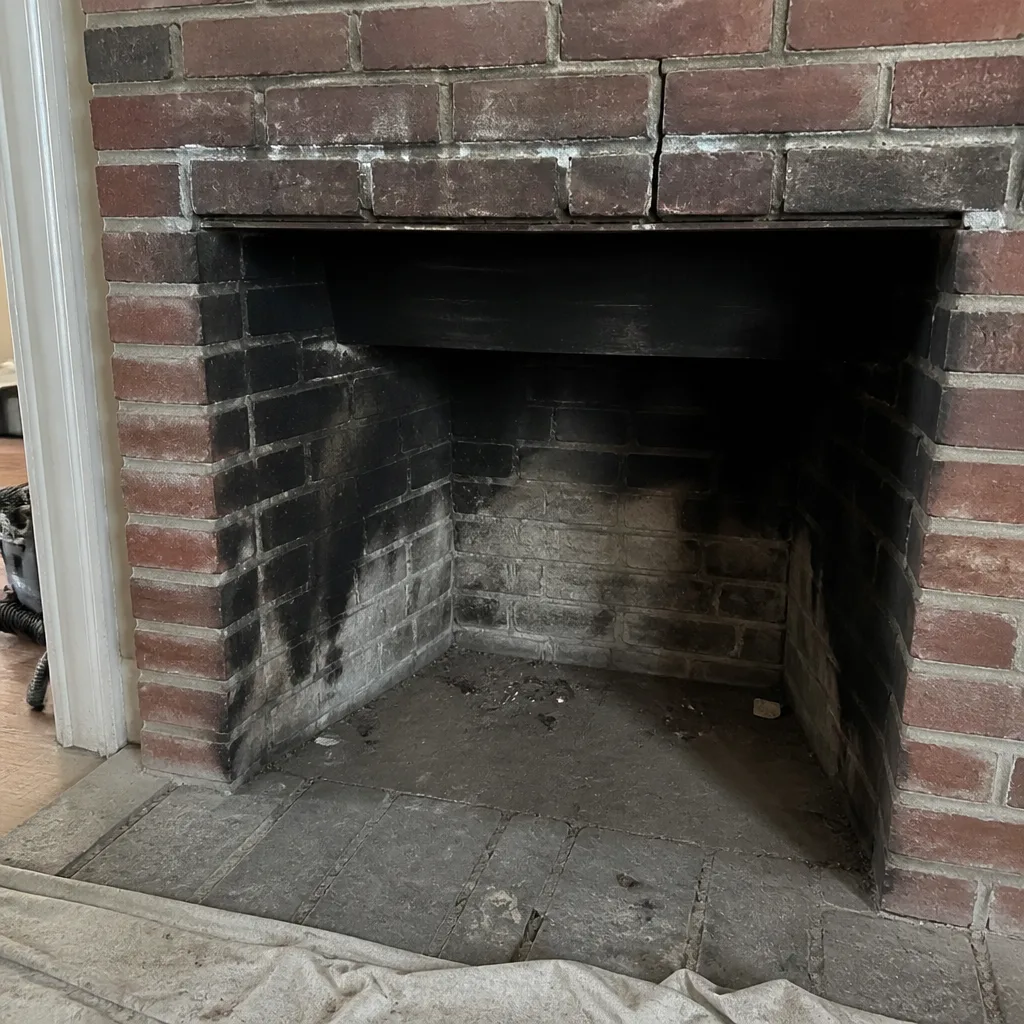 Before
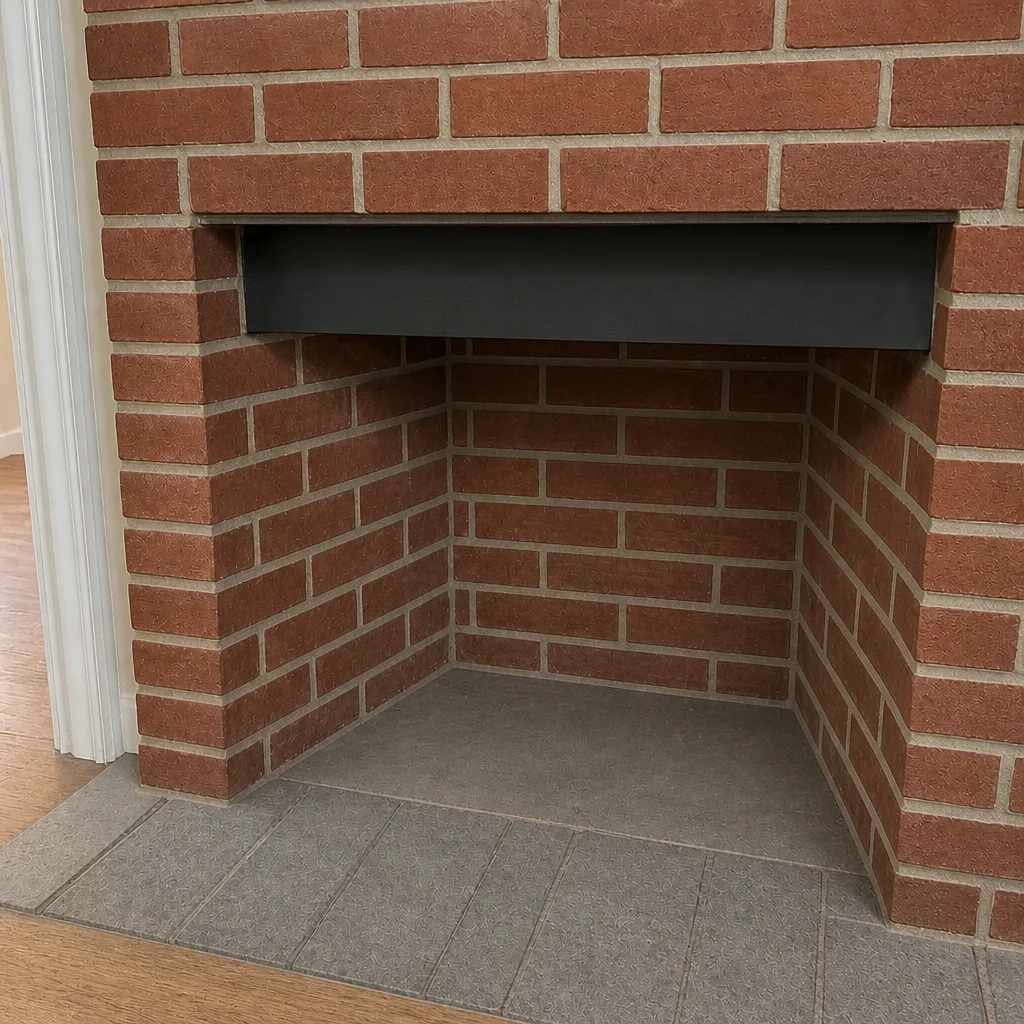 After
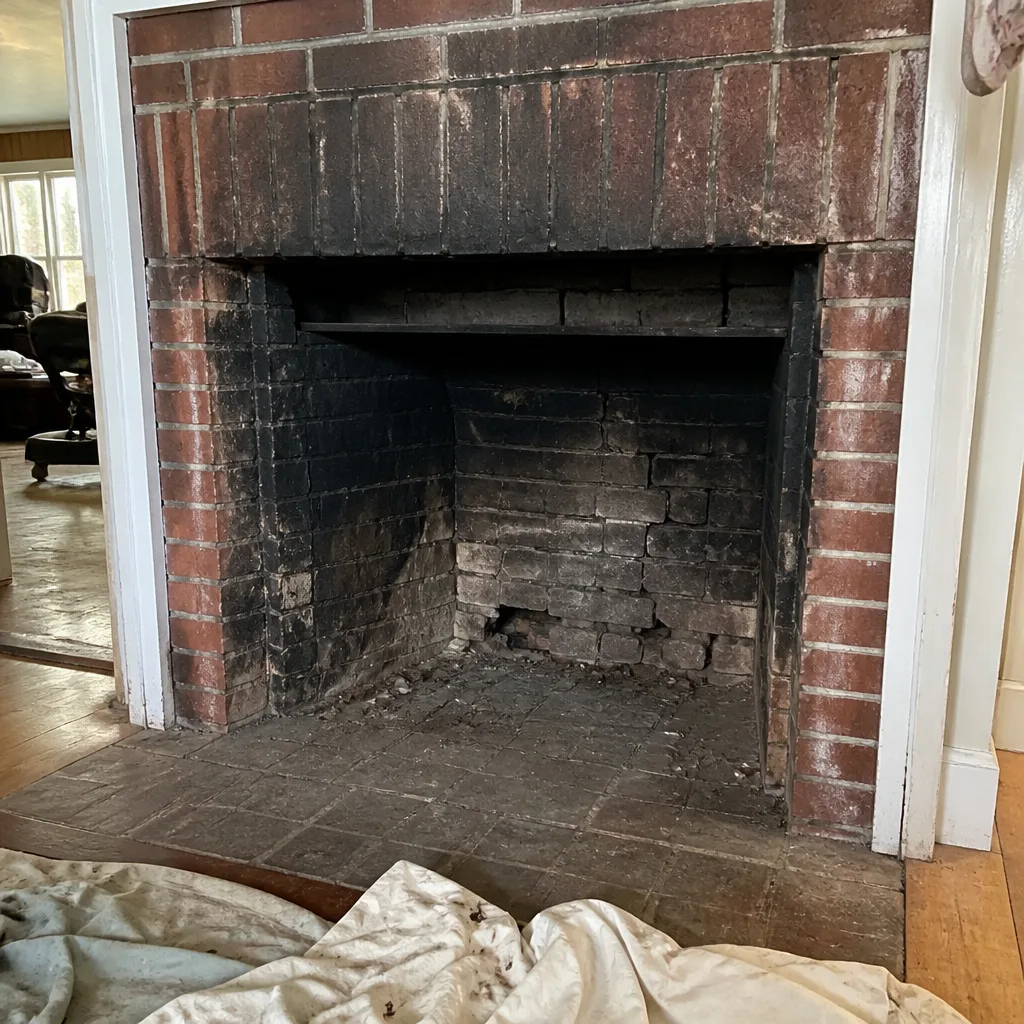 Before
 After
 Before
 After
When to Call a Professional
Call a professional when the work involves anything beyond routine cleaning and an annual check. That means a home purchase or sale, a change to the heating appliance, an insurance requirement, a chimney fire or a CO alarm event, visible structural damage to the stack or crown, or a flue that’s never been inspected on a home you’ve bought. If a previous owner’s work has no record, a Level 2 inspection is the way to find out what you’re actually living with.
Chimney Sweep Lynn offers free estimates in Lynn. We sweep, repair, and inspect, and we document what we find with photos you can look at yourself. Call (833) 922-2686 for a free estimate. We answer 24/7. Fast dispatch from 7am to 7pm, Sunday through Friday.
Frequently Asked Questions
No. Chimney cleaning and inspection are maintenance and assessment, not construction, so no building permit is required for a sweep or a Level 1, 2, or 3 inspection. Permits come into play for repairs that alter the chimney structure or the flue, such as relining or structural repair. Call (833) 922-2686 for an exact quote on a cleaning, estimates are free.
Liner replacement, structural repair of the stack, firebox and damper replacement, and correction of non-compliant appliance venting generally require a permit under the Massachusetts building code. A simple screening cap or cosmetic masonry repair usually does not. If you’re unsure, ask your Lynn building department directly, because the permit record is a public document and it’s what protects you later. Call (833) 922-2686 for an exact quote, estimates are free.
Yes. A Level 2 inspection produces written documentation and photo evidence suitable for a real estate transaction or an insurance requirement. It’s the right inspection for a sale, a purchase, or a change to the chimney system, and it should be requested as a standalone service rather than as a byproduct of a cleaning. Call (833) 922-2686 for an exact quote, estimates are free.
The work is still your responsibility now, and the missing permit shows up during a future sale or insurance claim. The remedy is a documented Level 2 inspection to determine whether the work meets code, followed by correction if it doesn’t. Getting ahead of it on your own schedule is far cheaper than discovering it mid-transaction. Call (833) 922-2686 for an exact quote, estimates are free.
NFPA 211 is the consensus standard governing chimneys, fireplaces, and venting, and Massachusetts code adopts it by reference for much of this work. It defines clearances, termination height, flue sizing, liner requirements, and the three inspection levels. When an inspector evaluates your chimney, NFPA 211 is what they’re measuring against. Call (833) 922-2686 for an exact quote, estimates are free.
Not on request. The Fire Marshal’s office oversees fire code enforcement and certain heating appliance installations, including oil-burning equipment, working with local fire departments, and it investigates after a fire or a CO incident. Routine chimney inspections are done by chimney professionals and by local building inspectors for permitted repair work. Call (833) 922-2686 for an exact quote, estimates are free.
The Bottom Line
The permit question isn’t bureaucratic overhead. It’s how a Lynn homeowner protects the value of a chimney repair, the insurance claim on the house, and the sale down the road. Cleaning and inspection don’t need a permit. Relining and structural repair do. The work should be tied to a licensed construction supervisor and a permitted scope, inspected by the city, and closed out with a record you can produce years later. A report should document what was actually found, with photos you can look at, so you can decide what’s urgent and what can wait. If a contractor tells you chimney work never needs a permit in Massachusetts, believe what they’ve just told you about how the job will be run. Call (833) 922-2686. We answer 24/7. Fast dispatch from 7am to 7pm, Sunday through Friday. Chimney Sweep Lynn offers a chimney sweep, chimney repair, and inspection under one roof, and our technicians have up to 9 years of experience. We work with professional-grade product lines including DuraFlex, HeatShield, Gelco, Olympia Chimney, Famco, and Copperfield, so the work is traceable and the materials are specified for the job. If you’re in Lynn and you want a straight answer about what your chimney needs, we’re a call away.
Written by the team at Chimney Sweep Lynn.