
Last updated November 16, 2026
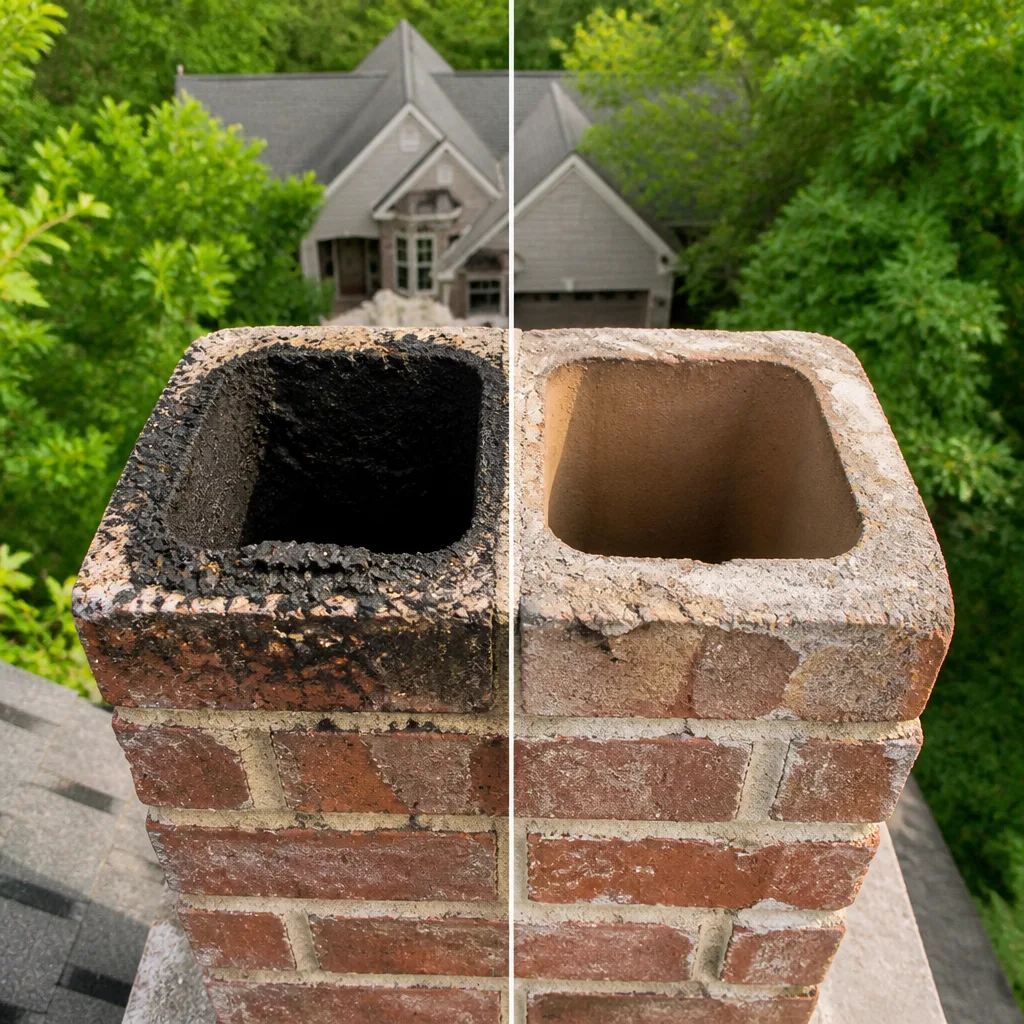 Sweep & inspection
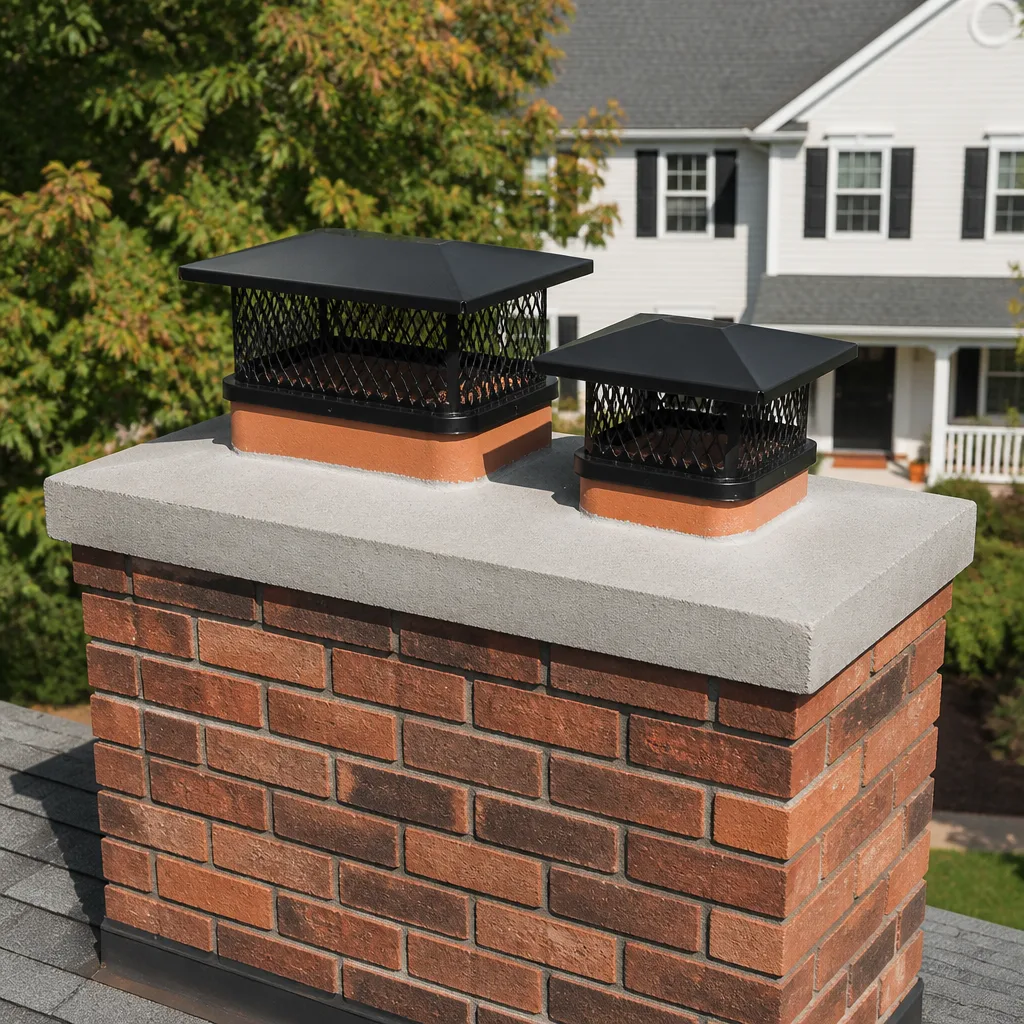 Caps & crowns
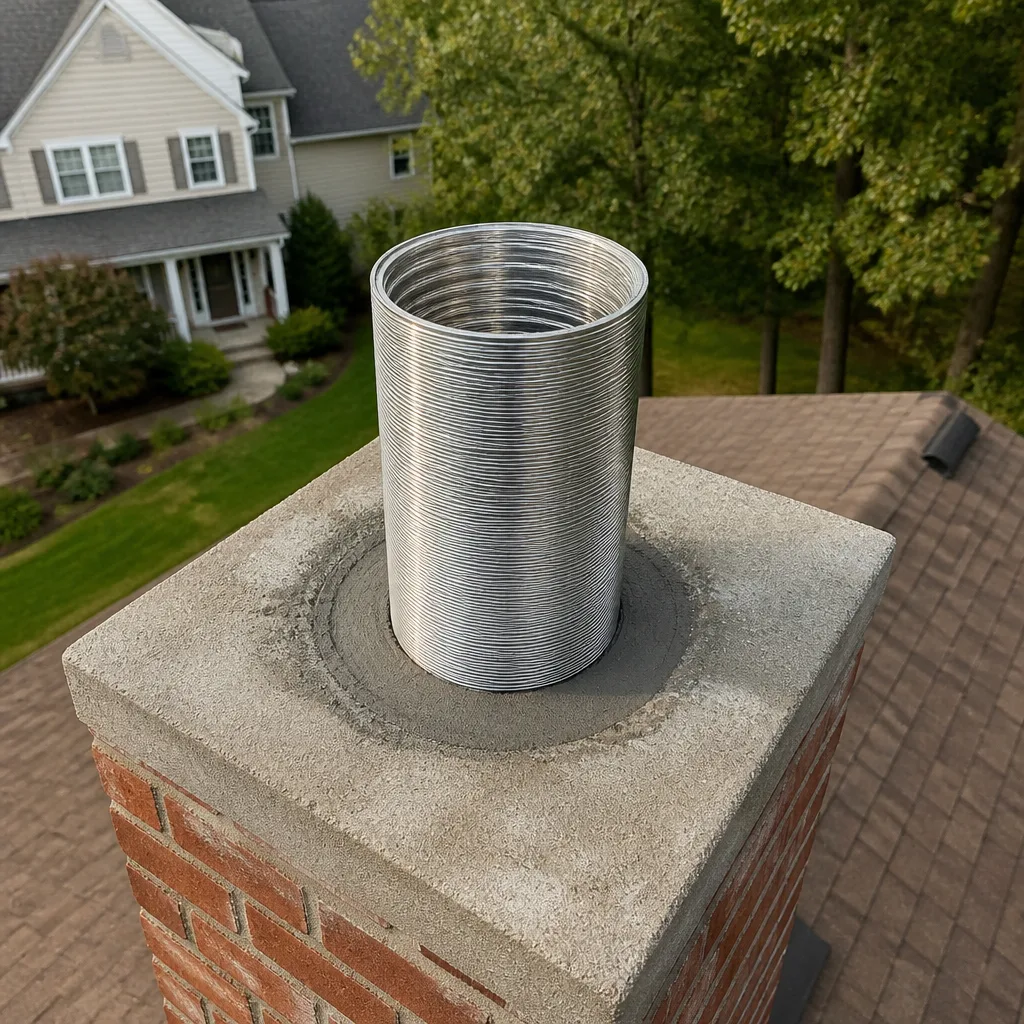 Flue relining
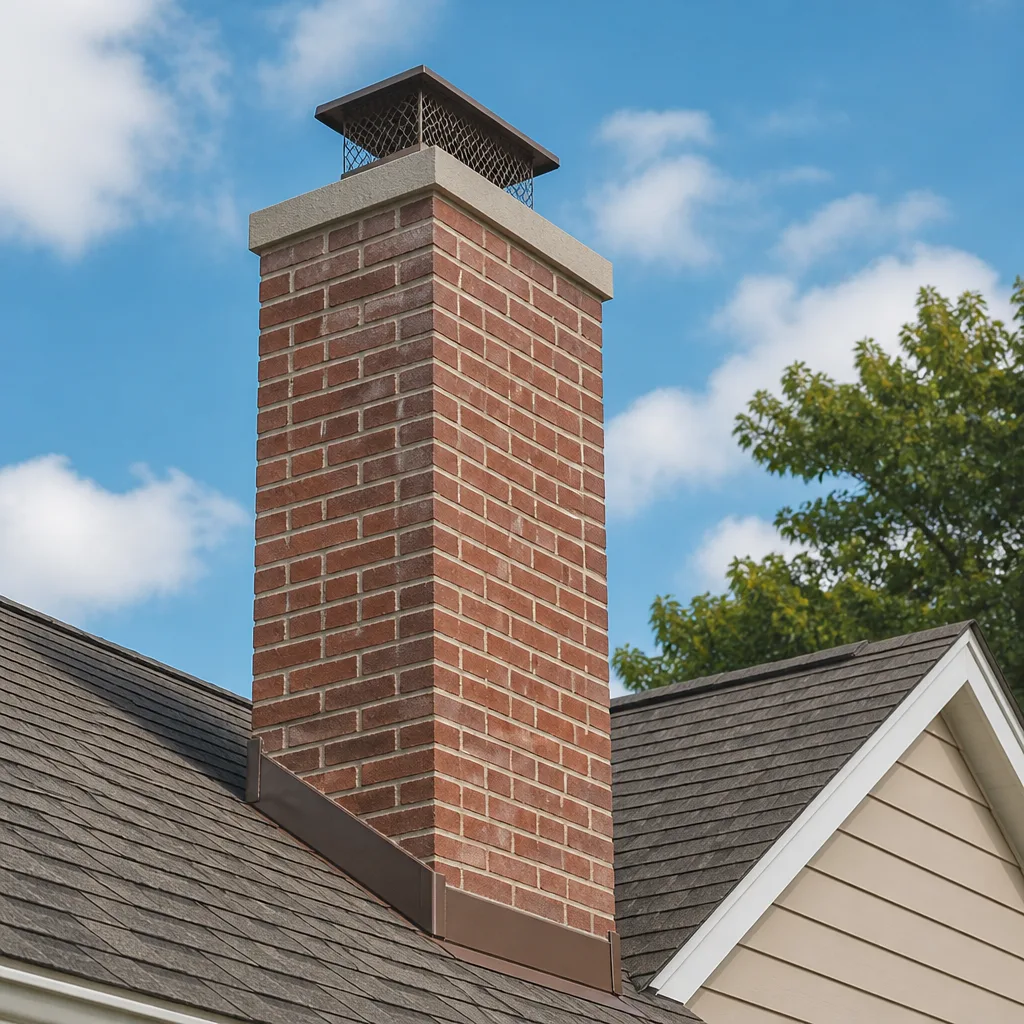 Masonry repair
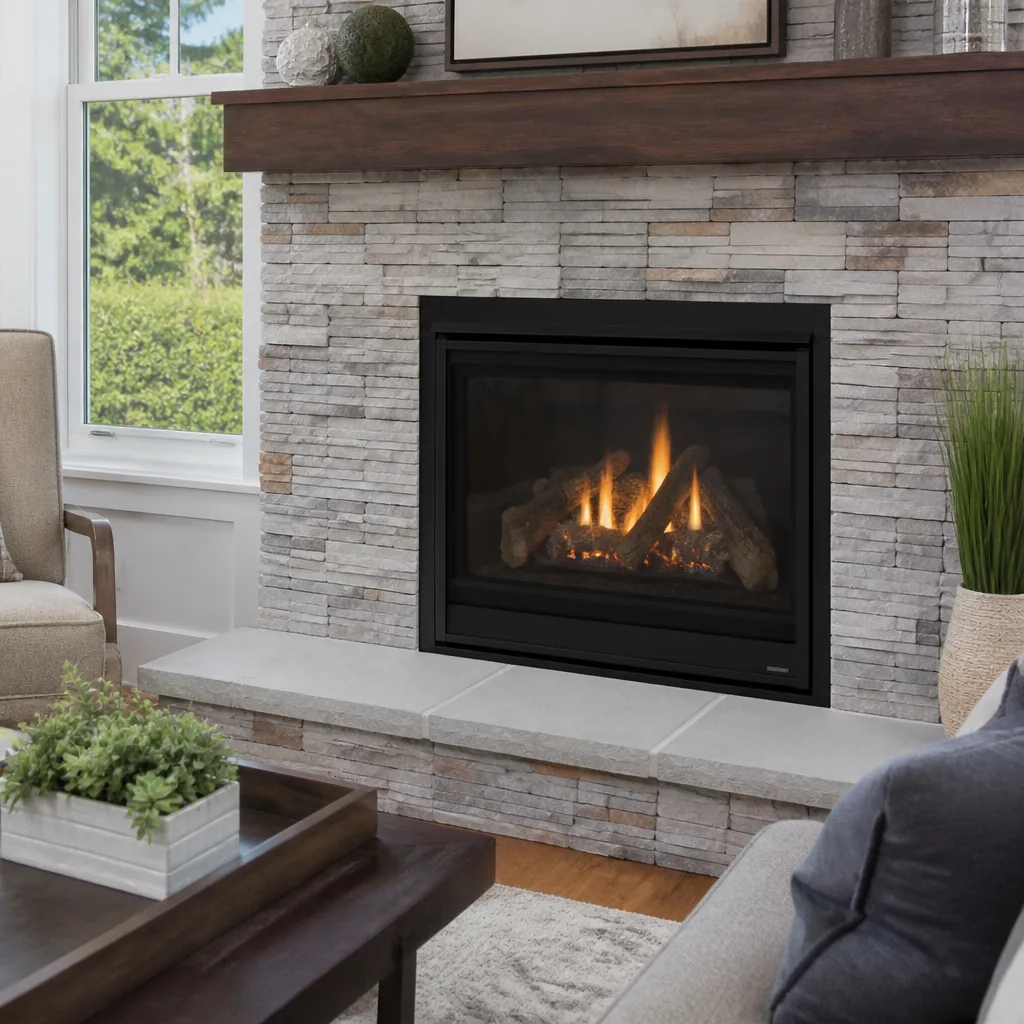 Gas fireplace service
Level 1 sweep and inspection to the NFPA 211 annual standard - flue, crown, cap, and flashing checked and photographed
Chimney sweep logs do not sweep chimneys. They loosen some creosote - which then falls where a brush and vacuum still have to collect it.
Chimney Cleaning Emergency Preparedness Guide for Lynn Homes
A chimney fire doesn’t always announce itself the way people expect. It isn’t always a roar up the flue or flames visible at the top. Sometimes it’s a low rumble you feel more than hear, and a smell you can’t quite place. We’ve learned that the homeowners who come through a chimney emergency with the least damage aren’t the ones who stayed calmest under pressure. They’re the ones who already knew what to listen for and what to do first. That’s what this guide is for. It walks through how chimney emergencies start, how to recognize them early, and the exact steps that protect your home and your family. If you live in Lynn, the housing stock and heating habits here shape how these events tend to unfold.
Quick Answer
A chimney fire or carbon monoxide event usually gives warning signs before it becomes an emergency – unusual sounds, smells, or staining you can see. The right response is to get everyone out, call 911, and only then think about the chimney itself. Knowing the sequence in advance matters more than any single safety device, because a chimney is a life-safety system and the people who act fastest are the ones who rehearsed the steps in their head beforehand. This guide covers recognition, the correct action order, CO risks, documentation, and the mandatory inspection after any fire so the chimney is never reused until a professional clears it.
Styles & brands we work with
- Sweep & inspection
- Caps & crowns
- Flue relining
- Masonry repair
- Gas fireplace service
Table of Contents
- How Chimney Emergencies Start in Lynn Homes
- How to Recognize a Chimney Fire in Progress
- The Correct Sequence During a Chimney Fire
- Carbon Monoxide Infiltration From Chimney Systems
- What to Have Documented Before an Emergency
- Post-Emergency: The Mandatory Level 3 Inspection
- Prevention: The Lynn Prep Checklist
- Common Mistakes to Avoid
How Chimney Emergencies Start in Lynn Homes
Most chimney emergencies aren’t freak events. They build over time. The two dominant causes are creosote buildup that reaches ignition temperature and a flue that stops drafting correctly. In Lynn, both are common for the same reason: many homes here run wood or oil heat through chimneys that were built decades ago for a different appliance and never fully brought up to the demands of what’s attached to them now. Knowing the pathway an emergency takes is the first layer of preparedness.
Creosote comes from incomplete combustion. It coats the inside of the flue in three stages: a light soot layer, a flaky crust, then a hard, glassy glaze that’s the most dangerous. That glazed stage ignites at lower temperatures than people assume. A hot reload on a cold fire can push a flue past its limit. A blockage, a broken flue tile, or a flue that’s the wrong size for the appliance all reduce draft and keep heat trapped where it shouldn’t be.
In Lynn’s older masonry chimneys, tile-lined flues often have gaps at the joints after years of heating cycles. That’s where a fire can migrate, and also where combustion gases can leak into the house instead of exiting at the top. The heating season here runs long enough that small draft problems compound over the course of a winter.
- Creosote stage 3 (glaze) – elevated ignition risk, requires resurfacing or relining attention.
- Reduced draft – blocked flue, wrong appliance size, or cracked tile lets heat and gases back up.
- Broken flue tile joints – common in older masonry and the pathway for both fire spread and CO leakage.
- Blockages – nests, soot fall, or a failed cap letting debris into the flue.
- Improperly sized liners – usually from an appliance upgrade without matching the flue.
If you want a baseline on how your chimney is set up now, our chimney sweep work in Lynn includes a look at the flue condition so you’re not guessing. Our technicians have up to 9 years of experience with these systems, and the material they specify is professional-grade, not whatever ships fastest.
How to Recognize a Chimney Fire in Progress
A chimney fire in progress is not always obvious from inside the house, and the signs split into what you hear, what you smell, and what you can see. Some fires are loud; many are quiet. The quiet ones are the ones that catch people off guard, because the fire may be hot enough to damage the flue while producing almost no sound from the room. Recognition is a skill, and it’s worth treating the cues below as a mental checklist.
What you might hear
- A low, rumbling sound like a distant train or a roll of thunder you feel through the floor.
- A roaring or whooshing that rises and falls, sometimes mistaken for the firebox itself.
- A pinging or crackling in the flue – the sound of metal or tile expanding under extreme heat.
- Nothing at all, which is why the visual and smell cues matter just as much.
What you might smell
- A hot, sharp, almost plastic scent – a sign the flue is far hotter than normal.
- A smoky smell inside the house with no fire in the firebox, which can mean backdraft or a blockage.
- An acrid odor that lingers after the fire is out.
What you might see
- Cracked or displaced flue tiles visible during a later inspection, but also staining around the chimney at the roofline.
- Smoke escaping from joints or cracks in the masonry rather than the top of the chimney.
- A damaged or warped chimney cap – a strong indicator of a past overheat.
- Curled or discolored rain cover components, or creosote drips on the exterior.
Lynn’s older masonry chimneys show heat damage differently than newer ones. Original brick and mortar may hairline-crack rather than split, which is easy to miss from the ground. That’s one more reason a documented chimney repair assessment matters after any suspected event. Our technicians look for these cues directly rather than relying on what a homeowner can see from the room.
The Correct Sequence During a Chimney Fire
During a suspected chimney fire, the correct sequence is: get people out first, call the fire department second, and only then address the chimney. That order matters because the chimney fire is a symptom; the home and the people in it are what you’re protecting. Closing the damper is not always the right first move – we’ll get to why – but no action in the flue is worth taking before everyone is safe and help is on the way.
- Get everyone out of the house. Move to the yard or the street, away from the chimney side of the building.
- Call 911. Tell the dispatcher you suspect a chimney fire. Do not wait to confirm.
- If you’re still inside and safe to do so, cut the air to the fire. Close the stove or fireplace doors if you can reach them without risk. The goal is to reduce oxygen feeding the flue.
- On the damper question: closing the damper can slow the flow of air up the flue, but if it traps a hot fire in the flue it can also drive heat into the masonry. In our experience, the safer guidance is to follow the fire department’s direction once they arrive rather than guess from inside the room.
- Do not throw water into the firebox. A sudden steam expansion and thermal shock can crack a hot flue tile, and the water won’t reach the fire in the flue anyway.
- Do not go on the roof. Never attempt to inspect or fight a chimney fire from the roof.
- Stay out until the fire department clears the structure. The fire may be in the flue, but hot spots can hide in wall cavities near the chimney chase.
Once the fire department is done, the chimney is not cleared for use. A fire that hot can crack tiles and damage the liner in ways that aren’t visible from outside. Before you burn again, a professional needs to inspect it. That’s the step most homeowners skip, and it’s the one that matters most.
Carbon Monoxide Infiltration From Chimney Systems
Carbon monoxide entering a home through a chimney system behaves differently from a CO leak at an appliance, and that difference is why it’s often missed. An appliance leak from a furnace or water heater usually shows up near the unit. A chimney-system problem sends CO into the living space through a draft reversal, a blocked flue, or a crack in the masonry that lets gas migrate through walls. The smell is nil, so the only reliable signal is a CO alarm – assuming one is on the right level and in the right place.
Chimney-related CO arrives quietly during the heating season. A flue that’s blocked with soot or a bird’s nest forces exhaust back into the house. A flue that’s too large for the appliance lets gases cool and stall instead of rising. A cracked flue tile in older Lynn masonry can let exhaust seep into the framing and migrate to rooms far from the chimney. That’s why a CO event tied to a chimney can be felt in a bedroom without any obvious connection to the fireplace.
- Similarities to appliance CO: both are odorless, both are silent, both are detected by a working CO alarm.
- Differences: chimney CO can enter at a distance from the source, through walls and floors, which makes tracing it harder.
- What to check: CO alarms on every level and near sleeping areas, a flue that’s properly sized for the appliance, no visible staining or discoloration around the chimney.
If your CO alarm sounds and you can’t trace it to an appliance, treat the chimney as a suspect and get it inspected before you burn again. We document what we find so the answer isn’t a hunch. For broader context on your property, our Lynn service page lays out the range of work we cover in the city.
What to Have Documented Before an Emergency
What you have documented before an emergency determines how quickly an insurance claim moves and how confidently you know what’s in your flue. Most homeowners never think about this until something goes wrong. A fire or CO event is the wrong time to start assembling paperwork. The documents that matter are simple to collect and worth having on hand.
- Inspection reports – the written record of your chimney’s condition, dated. Our standalone inspection service produces written documentation suitable for real estate transactions and insurance requirements.
- Liner certification or liner details – the type of liner in place, when it was installed, and the material. DuraFlex flexible liner systems and HeatShield resurfacing records both matter here; the brand and system name help an adjuster understand the value and the repair history.
- Appliance records – the make, model, and installation date of the fireplace, insert, or heating appliance connected to the flue. A gas insert has different documentation needs than a wood stove or an oil system.
- Photos of the current state – a few phone photos of the exterior chimney, the firebox, and the cap once a season. They cost nothing and reset what “normal” looked like before.
- Sweep and repair history – the dates of cleaning and any structural work. If you’ve used professional-grade components like Gelco or Olympia Chimney parts, the work order should name them.
Why it matters: insurers respond faster to a claim that arrives with history attached. Documentation also protects you from a vague “this needs a new flue” recommendation – with records, you can compare current findings against what was true last year. That’s the difference between informed consent and taking someone’s word for it. It also means the first responder to your chimney emergency is you, with a paper trail that helps the professional who arrives second.
Post-Emergency: The Mandatory Level 3 Inspection
After any chimney fire, a Level 3 inspection is mandatory before the chimney is used again. This is not a preference. A high-heat fire can compromise the flue tile, the liner, and the structure around it, and much of that damage lives in the concealed spaces behind the masonry. A visual check from the firebox or the roof doesn’t reach it. The purpose of a Level 3 is to look where fire may have migrated.
What a Level 3 inspection involves depends on what’s found, but typically it opens access that a Level 1 or 2 doesn’t. That can mean removing the chimney cap, taking down sections of interior chimney chase or wall, and using a camera to inspect the concealed flue and surrounding structure. It’s a bigger job than a routine inspection, and there’s no shortcut. The reason is fire spread: a spark or ember that reaches adjacent framing is a structural hazard even after the fire is out.
- Call a professional before the fire department even leaves the roof – or the same day if you can. Don’t wait for a “scheduled cleaning” later in the season.
- Do not burn in the fireplace, insert, or wood stove until the Level 3 is complete and the chimney is cleared.
- Expect opening of the chase or interior wall – a Level 3 is designed to reach areas a Level 1 or 2 cannot.
- Get the findings in writing – the report should identify what fired, what’s damaged, and what repair path makes sense.
- Plan the repair only after the inspection – not before. A crack that shows up on the Level 3 may change the recommendation entirely.
If the flue is compromised but not structurally failing, HeatShield resurfacing can restore it without a full tear-out. If the liner itself is gone, a DuraFlex flexible liner system is the professional-grade option we specify. Either way, the inspection comes first, and the repair is planned around what it finds.
Prevention: The Lynn Prep Checklist
Prevention in Lynn looks different depending on what heats the house. A wood fireplace, a gas insert, and an oil system all put different demands on the flue, and the prep that makes sense for one is not the prep for another. The checklist below is a general baseline. The specific steps depend on your setup.
For wood-burning fireplaces
- Have the chimney swept based on use, not just the calendar. If you burned more than a season’s worth of wood, schedule a sweep before the next heating season.
- Use seasoned firewood. Wet wood creates more creosote and stalls the draft.
- Check the cap and rain cover each fall. A Gelco or Olympia Chimney cap that fits correctly keeps out nesting birds and rain, and a loose one is a warning sign.
- Test CO alarms on every level. A chimney that drafts poorly is a CO path, and the alarm is the only reliable warning.
For gas inserts and gas appliances
- Have the flue inspected before the heating season. Gas exhausts differently than wood smoke, and a blocked flue on a gas appliance is a CO risk.
- Confirm the appliance records are current. The documentation covered above matters more for gas than most homeowners realize.
For oil-heating systems
- Schedule an annual inspection that covers the chimney connection to the oil appliance.
- Watch for soot staining at the barometric damper or the flue connection – it’s an early sign that something needs attention.
The one thing that holds across all three: know your flue’s current condition before the first cold snap, not after. That’s the point of sweeping and inspection as a single relationship – sweep, repair, and inspect handled by one specialist rather than a series of separate contractors. If something in your setup is off, you want to know in September, not January.
Common Mistakes to Avoid
- Waiting for a “roar” before acting. Many chimney fires are quiet rumbles or nothing at all. If you smell something hot and unusual, act on it without waiting for a louder cue.
- Closing the damper as a first move. Trapping a hot fire in the flue can drive heat into the masonry. Call 911 and follow the fire department’s direction rather than guessing.
- Burning again after a fire without a Level 3 inspection. A chimney that looks fine from the firebox can have cracked tiles or damaged framing behind the wall. No burning until it’s cleared.
- Assuming a CO alarm means the furnace. In Lynn’s older homes, chimney-system CO can enter through a wall far from the appliance. Trace it before you rule the chimney out.
- Doing a visual check yourself and calling it good. A homeowner’s view from the firebox or the roof doesn’t reach the concealed flue. The pros look where the damage hides.
- Skipping documentation. A claim on a fire moves faster when you have the inspection report, liner details, and appliance records on hand. You’ll need them anyway.
- Letting the “we don’t need a sweep this year” habit set in. In this climate, a cold winter of burning can push creosote to stage 3 between seasons. An annual sweep is the baseline.
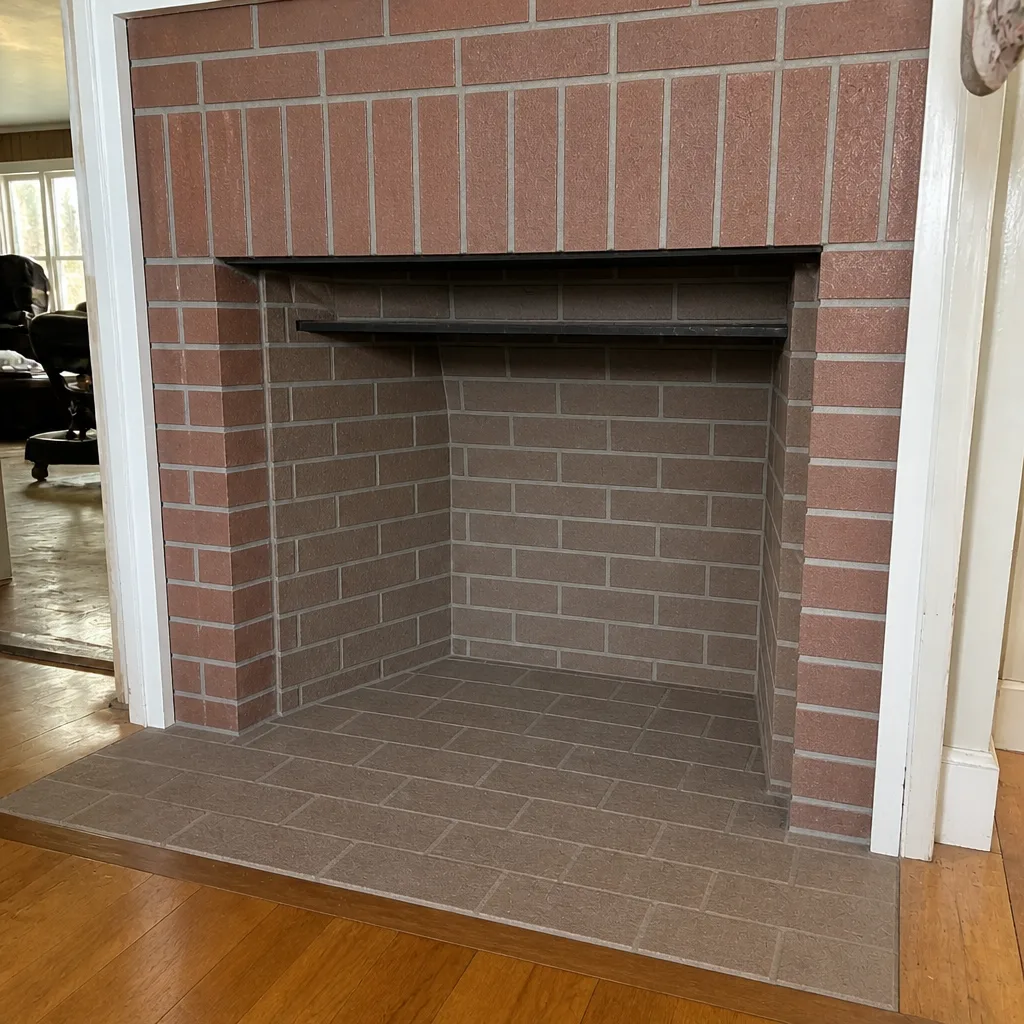
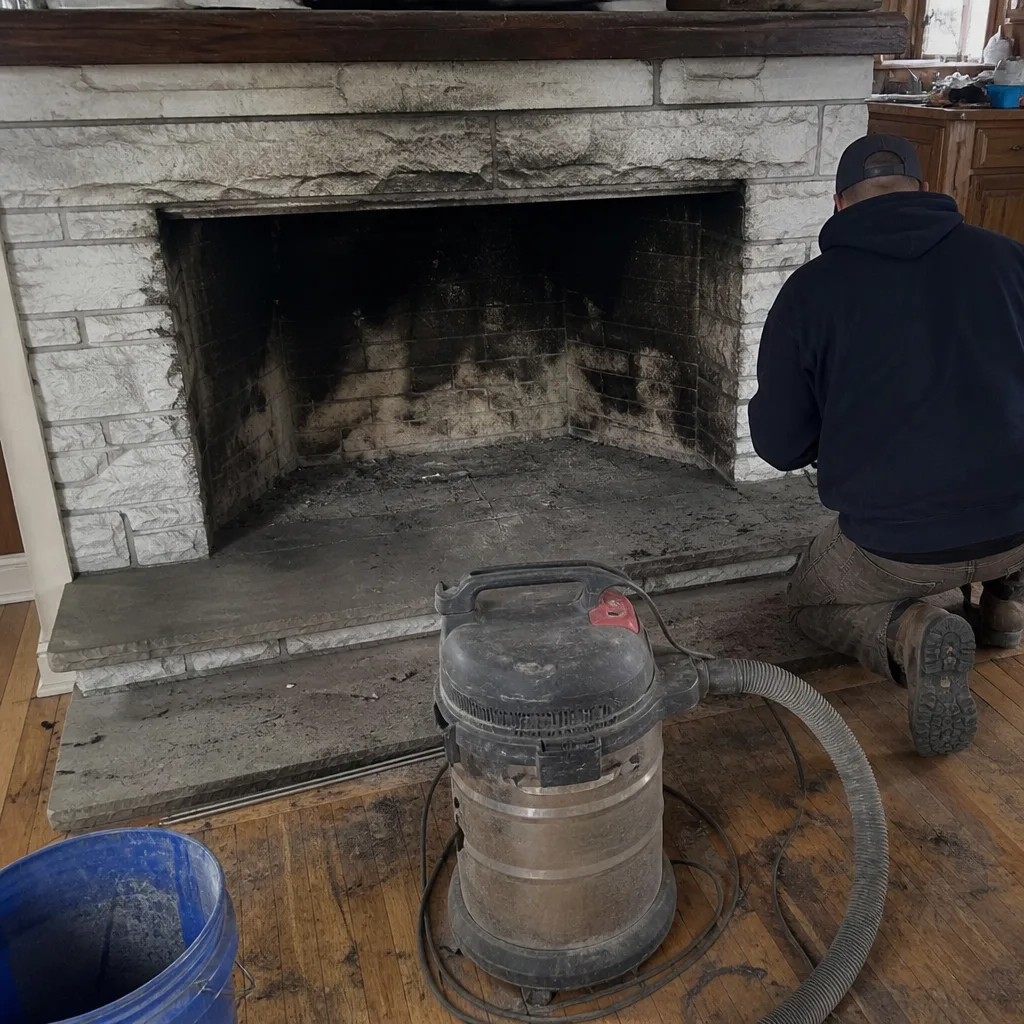
See the difference
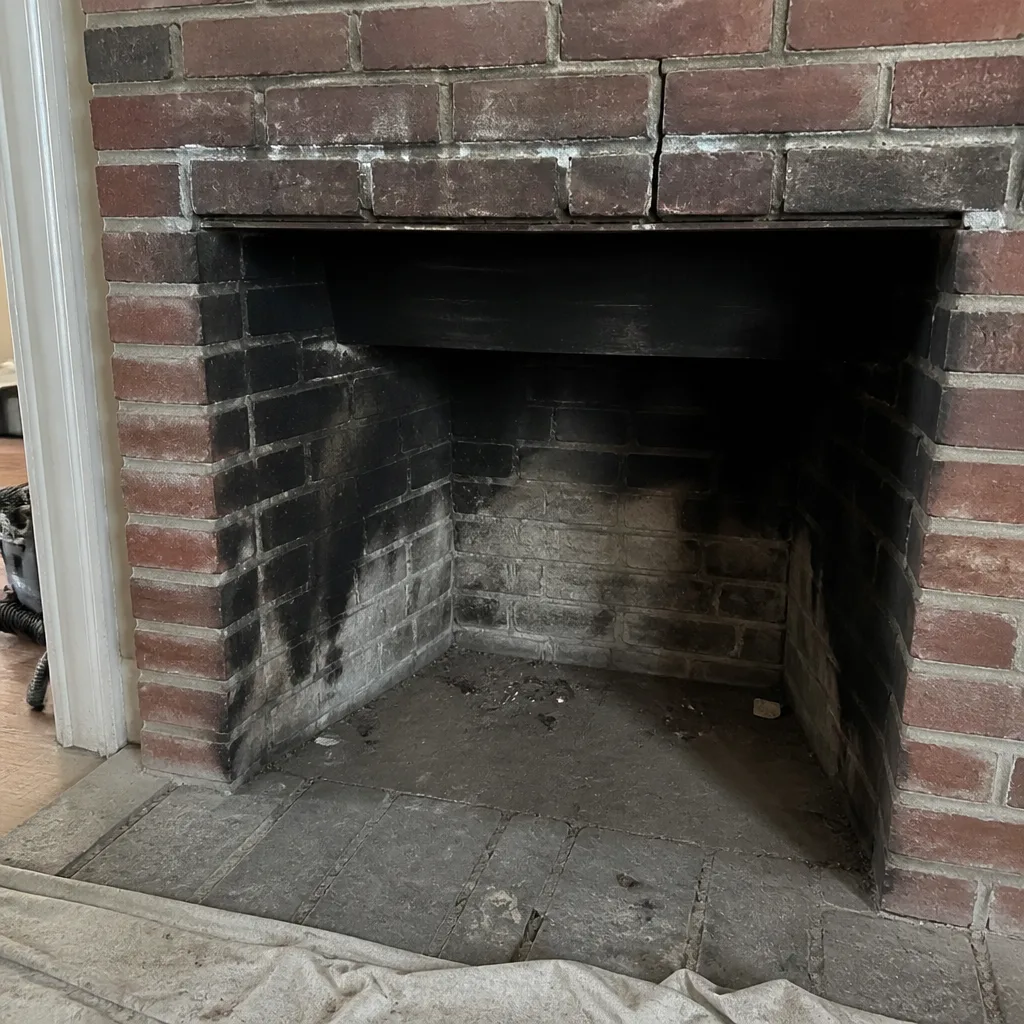 Before
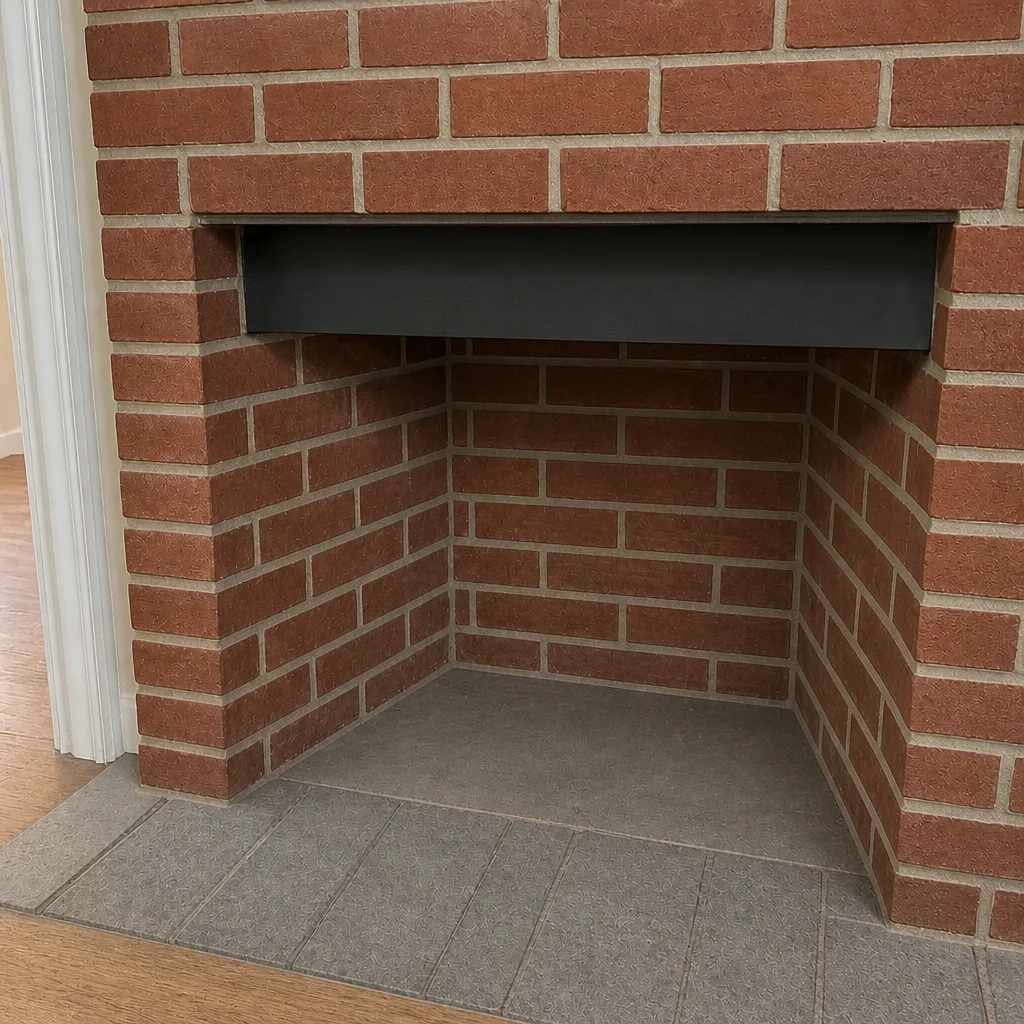 After
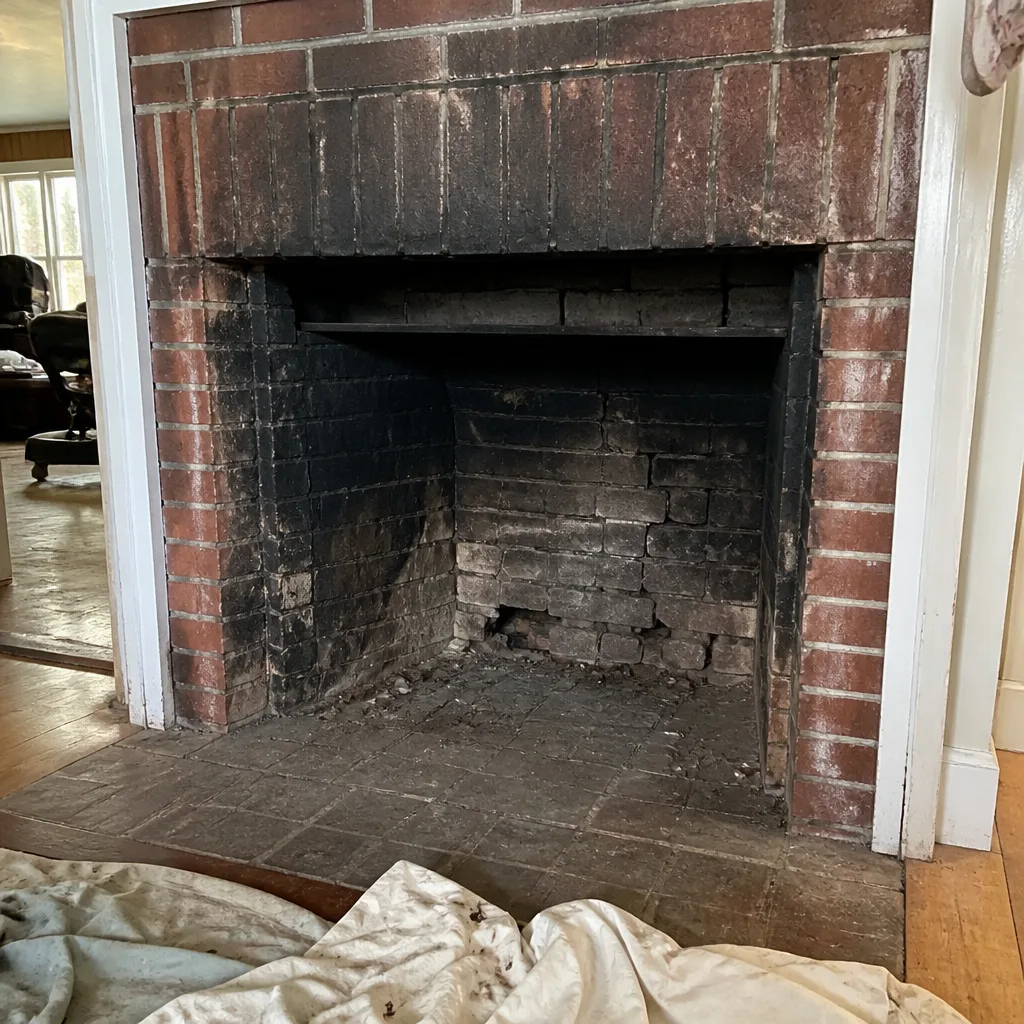 Before
 After
 Before
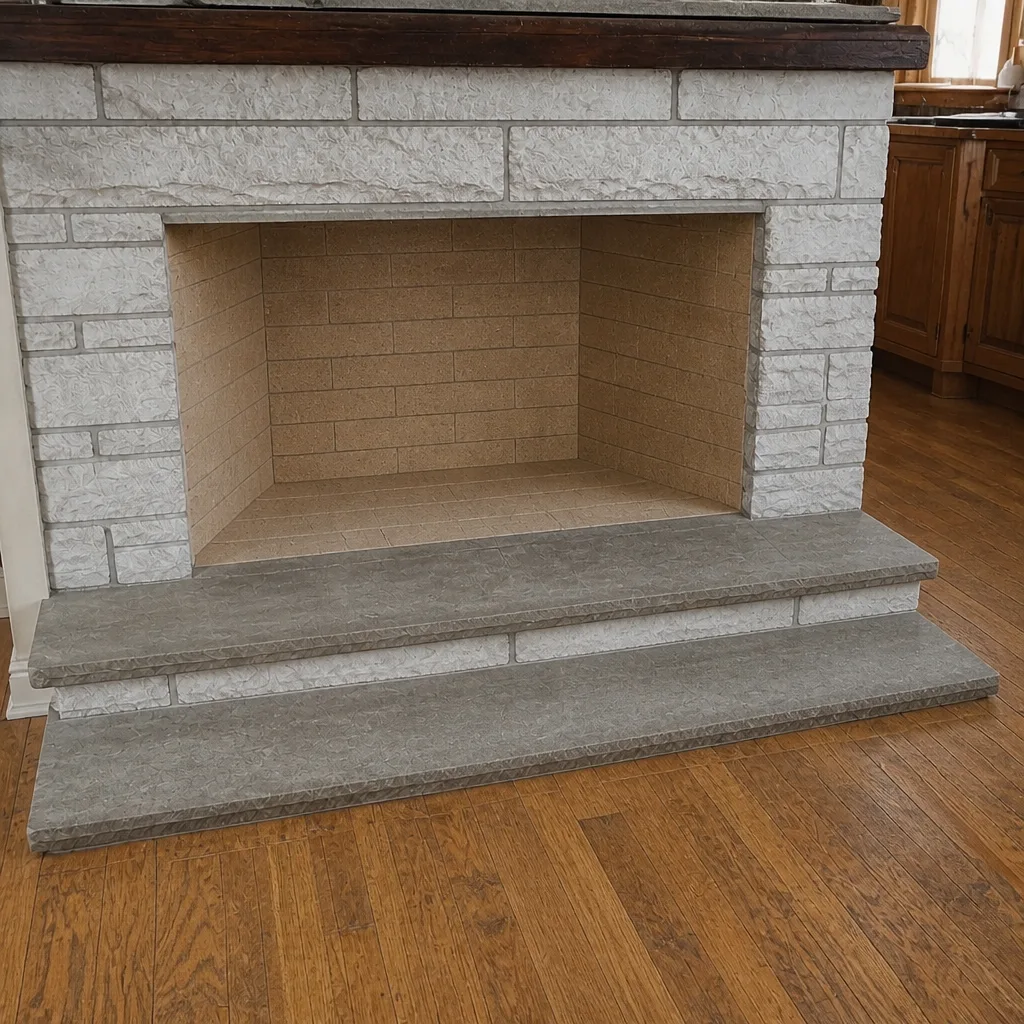 After
When to Call a Professional
Call a professional before you burn if it’s been more than a season since the last sweep, if you’ve moved into a home in Lynn and don’t know the flue’s history, or if you’re seeing any of the warning signs above – staining, an unusual smell, a loose cap, or a CO alarm that went off and was never traced. Call immediately if you’ve had a chimney fire, a suspected fire, or a CO event, and do not burn again until a Level 3 inspection clears the system. And call before your next heating season for the baseline, because the cheapest emergency is the one you documented your way out of. It’s also the time to sort out a chimney repair before it becomes an emergency repair. Call (833) 922-2686. We answer 24/7. Fast dispatch from 7am to 7pm, Sunday through Friday. Sweep, repair, and inspect – handled by one specialist, with written findings you keep.
Frequently Asked Questions
The first signs are usually a low rumbling sound, a hot or plastic-like smell, and possibly pinging or crackling in the flue – not necessarily visible flames. Smoke escaping from joints in the masonry or a distorted chimney cap are visual cues. If you suspect one, get everyone out and call 911 before you check the firebox.
At minimum once a year for most homes, and more often if you burn heavily or use wet wood. In Lynn’s long heating season, a sweep before the fall is the practical baseline. If you’ve just moved into a home with no service history, book one right away so you know the flue’s condition before the first cold snap. Call (833) 922-2686 for an exact quote – estimates are free.
Not always, but you need a Level 3 inspection to know. A high-heat fire can crack tiles or damage a liner in ways a visual check won’t reveal. If the flue is compromised but not structurally failing, HeatShield resurfacing can restore it without a full tear-out; if the liner is gone, a DuraFlex flexible liner system is the repair path. The inspection determines which, and you get the findings in writing so the recommendation is verifiable.
The chimney can look fine and still be unsafe to use. Cracked flue tiles, damaged framing, and fire-migrated wall cavities don’t announce themselves. Skipping the inspection means burning again with no assurance the flue can handle heat or that combustion gases stay out of the living space – and that’s the fire and CO risk you’re trying to avoid. Call (833) 922-2686 – estimates are free.
Chimney CO enters through a draft reversal, a blocked flue, or a crack in the masonry that lets gas migrate through walls, so it can set off an alarm in a room far from any appliance. Furnace CO usually shows up near the unit. If the alarm sounds and the appliance looks fine, treat the chimney as a suspect and get it inspected before burning again.
Older masonry chimneys here often have tile-lined flues with gaps at the joints after years of heating cycles, and those gaps are where both fire spread and CO leakage start. Appliance upgrades made without resizing the flue add to that. It’s not a reason to fear your chimney; it’s a reason to know its condition. A written inspection report gives you that answer.
The Bottom Line
Chimney emergencies follow predictable patterns, and the homeowners who come through them with the least damage are the ones who knew the sequence beforehand. The core of it: get people out first, call 911, follow the fire department’s direction on the damper, and never burn again after a fire until a Level 3 inspection clears the system. Keep your inspection report, liner details, and appliance records on hand so insurance and repair decisions move quickly. Sweep on schedule, watch for the quiet signs as carefully as the loud ones, and treat CO alarms as a chimney suspect when they sound. Chimney Sweep Lynn handles sweep, repair, and inspect as one relationship, with professional-grade materials and written documentation. Call (833) 922-2686 for a free estimate – we answer 24/7, with fast dispatch from 7am to 7pm, Sunday through Friday.
Written by the team at Chimney Sweep Lynn.