
Last updated November 16, 2026
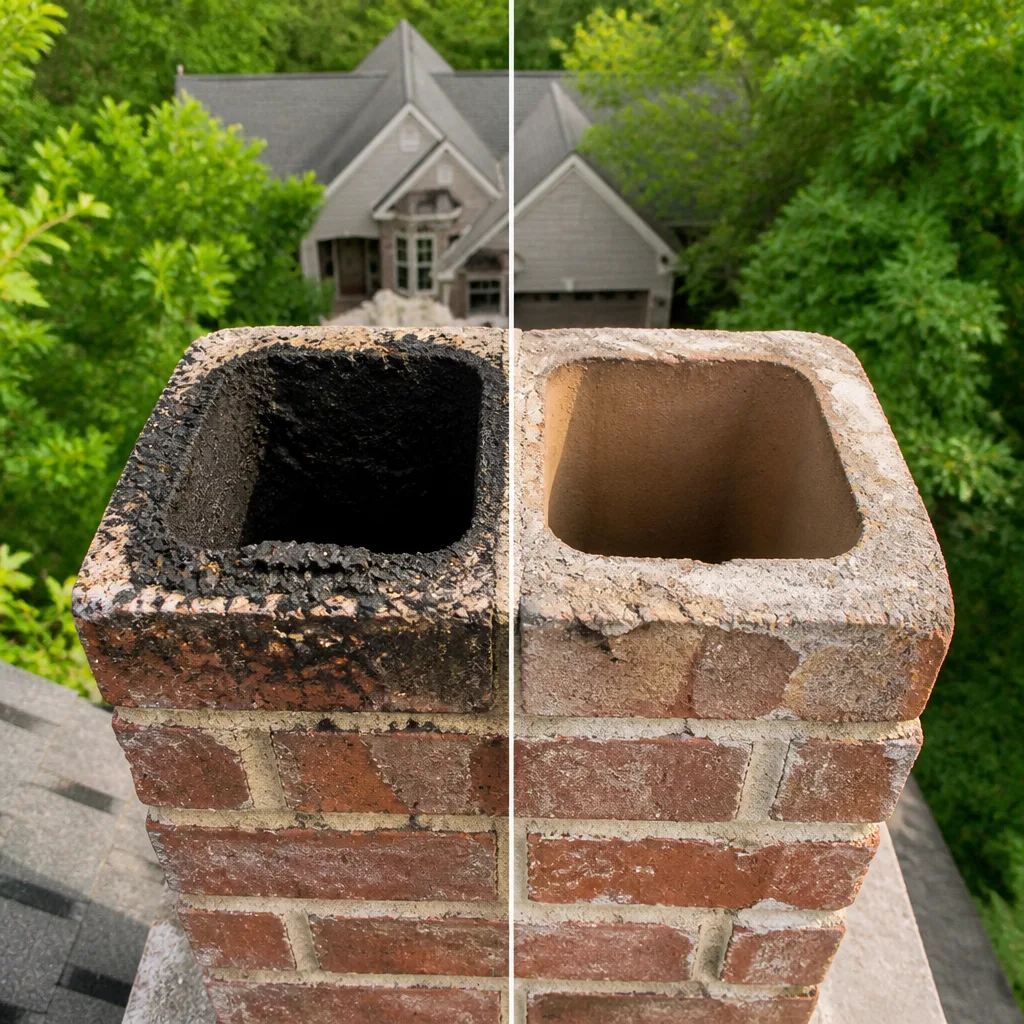 Sweep & inspection
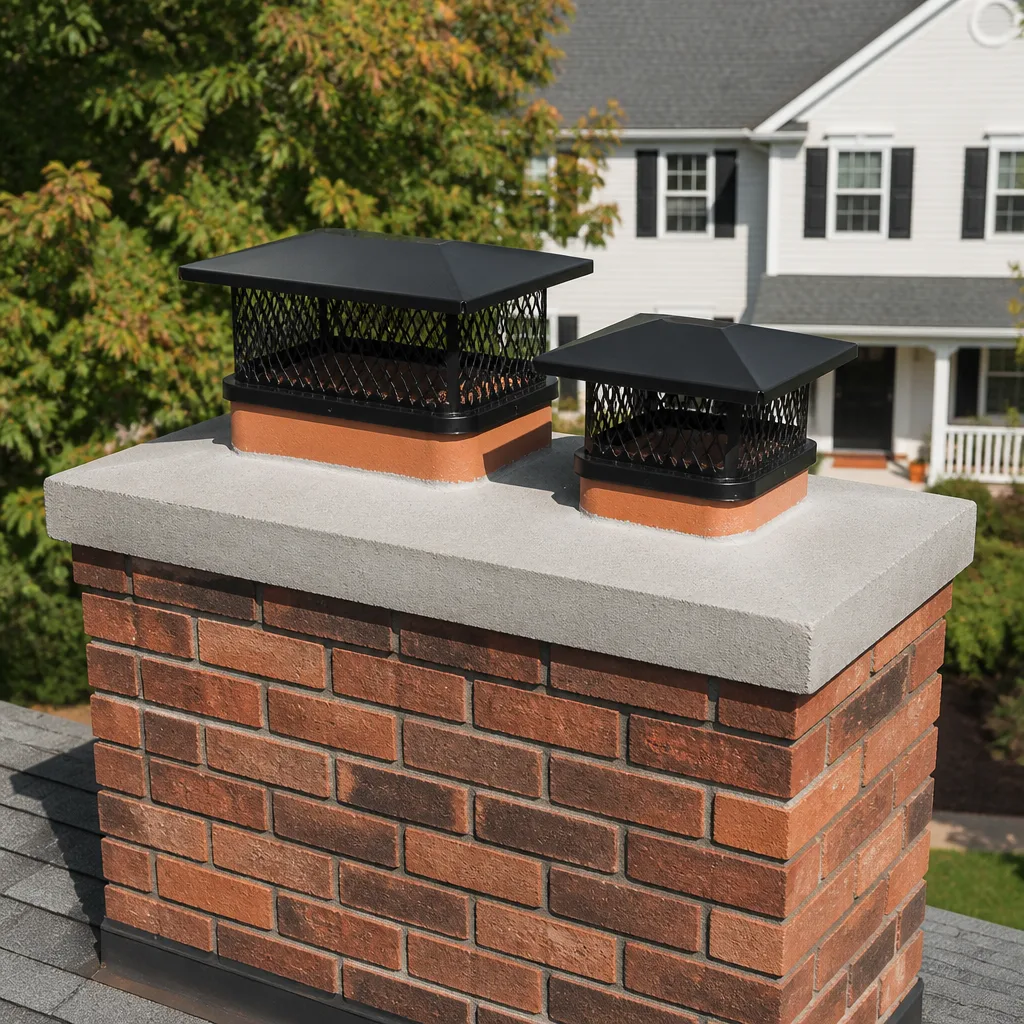 Caps & crowns
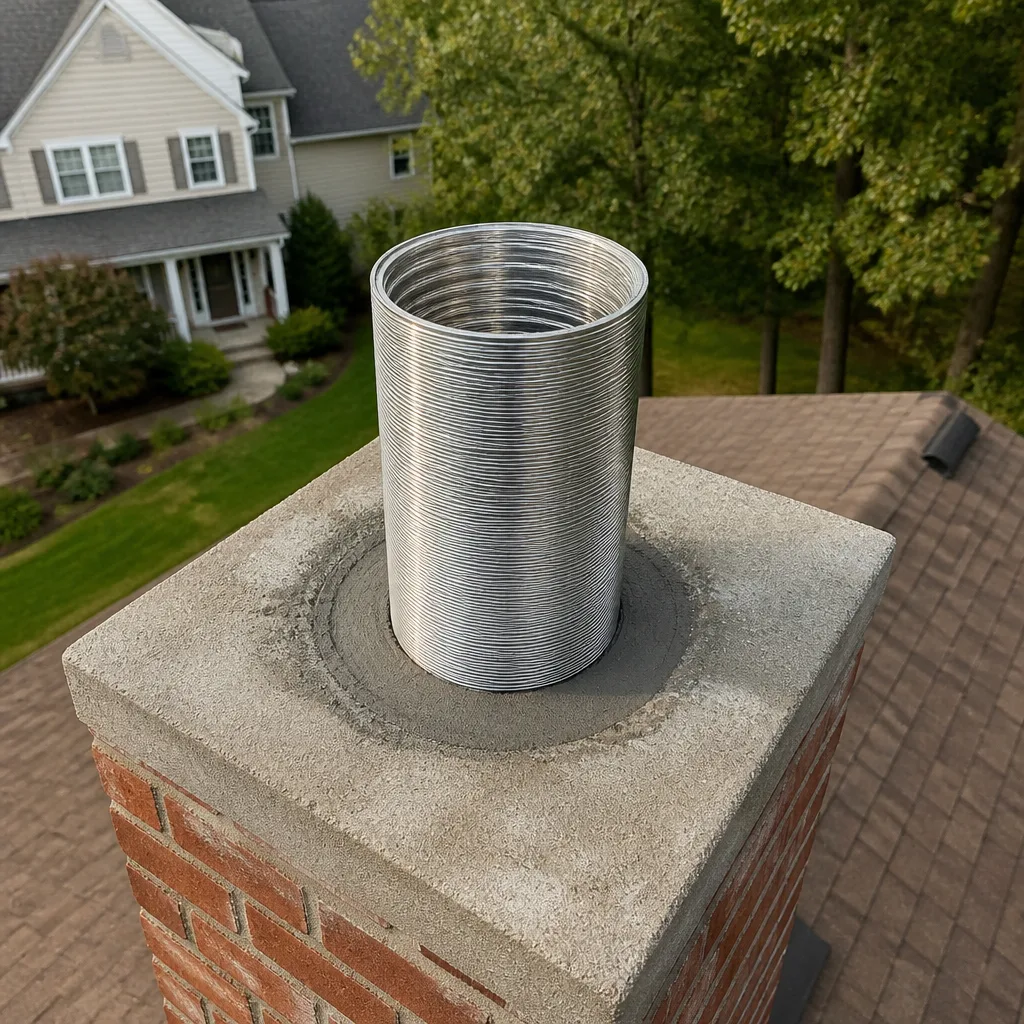 Flue relining
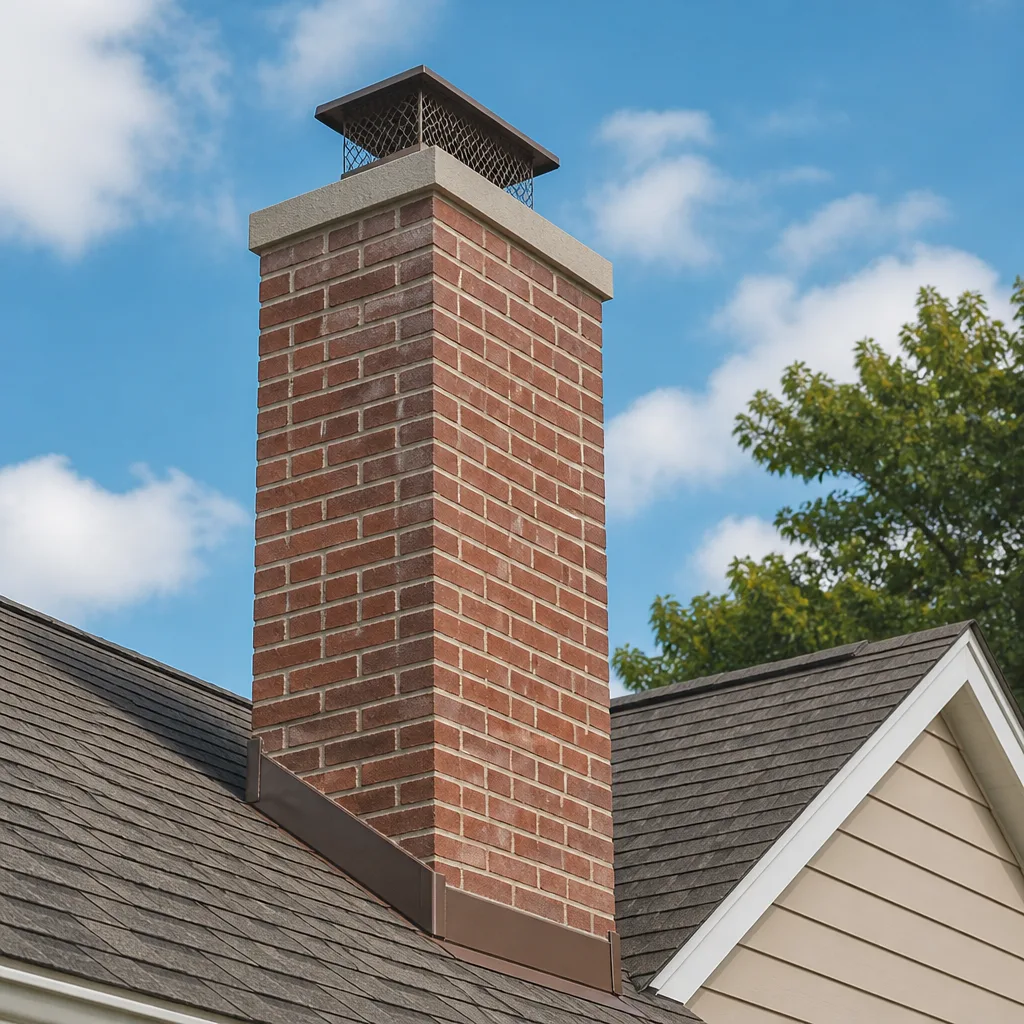 Masonry repair
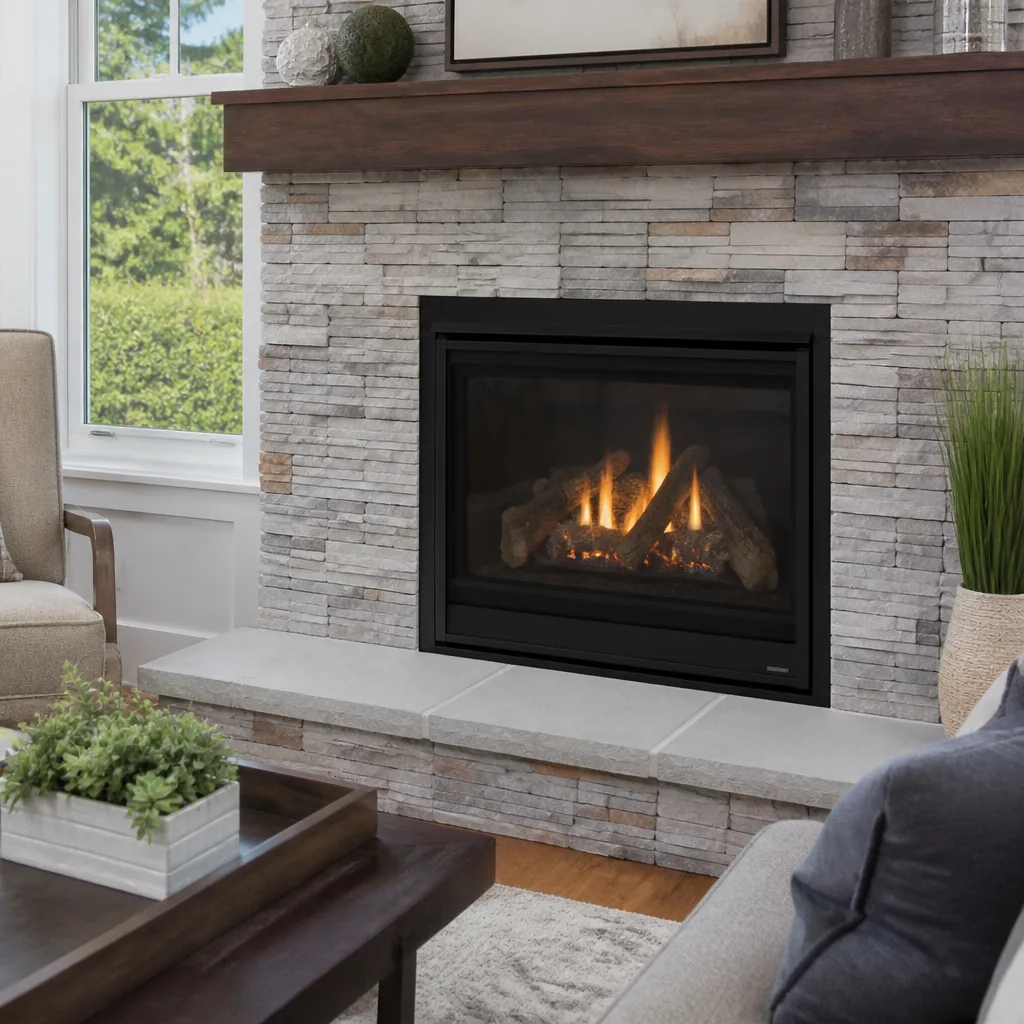 Gas fireplace service
Level 1 sweep and inspection to the NFPA 211 annual standard - flue, crown, cap, and flashing checked and photographed
Chimney sweep logs do not sweep chimneys. They loosen some creosote - which then falls where a brush and vacuum still have to collect it.
Chimney Cleaning Cost Breakdown: The Lynn Homeowner’s Reference for 2026
Two chimney sweep quotes for the same house can sit hundreds of dollars apart, and both can be legitimate. What separates them is rarely the brush work itself. It’s what happens around the cleaning: whether the technician scopes the flue, checks the cap and crown, documents what they find in writing, and what grade of materials gets quoted if a repair turns up. A low headline price and a full-service price are often two different services wearing the same name. This guide breaks down what a chimney cleaning in Lynn actually costs in 2026, line by line, so you can compare estimates on equal footing instead of on the number at the bottom.
Quick Answer
A standard chimney sweep in Lynn typically runs $150 to $350 for a wood-burning fireplace or stove, with most homes landing in the $175 to $275 range. Add $100 to $250 when a Level 2 camera inspection is needed, and expect repair work like liner resurfacing or cap replacement to start around $300 and climb well past $2,500 depending on scope. The written estimate, not the phone quote, sets the final price.
Styles & brands we work with
- Sweep & inspection
- Caps & crowns
- Flue relining
- Masonry repair
- Gas fireplace service
Table of Contents
- What a baseline chimney sweep covers in Lynn
- The real cost drivers: liner type, appliance, access, and creosote stage
- How repair costs are estimated and why materials change the price
- What a Level 2 camera inspection adds and when it’s not optional
- How to read a chimney estimate line by line
- Chimney service cost ranges for Lynn homes
- Common mistakes to avoid
- When to call a professional
What Does a Baseline Chimney Sweep Cover in Lynn?
A baseline sweep covers mechanical creosote removal from the firebox, smoke chamber, damper, and flue, plus a visual check of the accessible parts of the system. That’s the floor. Everything above it is where quotes diverge.
At the entry price tier, the job is usually a straight flue cleaning with a brush powered by rods or a rotary head, and a visual inspection with a flashlight. The technician clears soot and creosote from the flue, vacuums the firebox with a HEPA setup to keep dust out of the living space, and gives you a verbal summary. Many Lynn homeowners with a wood-burning fireplace and a clean-burning season behind them need exactly this, and nothing more.
What’s commonly excluded at the low tier:
- Camera inspection. A video scope of the flue interior is often not included in a basic sweep price. Without it, hidden cracks, gaps in the liner, or creosote glazing above the reach of the brush can go unseen.
- Written documentation. A verbal “you’re all set” doesn’t help with a home sale, an insurance question, or tracking the condition of the flue year over year.
- Cap, crown, and exterior checks. The chase cover, cap, and masonry crown get looked at from the ground, if at all.
- Disposal and soot cleanup beyond the firebox area. Ask what a quote includes for cleanup and hauling.
The practical way to think about it: a sweep clears creosote so the flue can vent safely, and an inspection tells you what condition the flue is in. The two are related but distinct, and the price gap usually lives right there. If you want the cleaning and a documented assessment of the whole system in one visit, that combination is worth asking for by name when you call for a chimney sweep.
What Legitimately Increases the Price in Lynn?
Four factors drive most of the spread you’ll see in Lynn estimates: the appliance type, the liner, how hard the chimney is to access, and how much creosote is built up. None of these are upcharges. They’re the actual work.
Appliance type
A wood-burning fireplace is the simplest job. A wood stove has a baffle, a flue collar, and sometimes a top-down cleaning requirement that adds time. A gas insert looks easy but has its own nuances: the venting and the appliance itself need checking, and while gas chimneys produce no creosote, they do collect debris and need the venting system assessed for corrosion and blockages. Oil-heating systems bring a different flue profile entirely, and those flues need to be cleaned on their own schedule and checked for the residue oil systems leave behind. Ask your chimney professional to confirm which appliance you have before quoting, because “chimney cleaning” means different things across all three.
Liner type and condition
A sound stainless liner sweeps cleanly and quickly. A clay tile flue with spalling, a compromised liner, or a flue with no liner at all takes longer and often needs an inspection before anyone can give you a firm number. A flue with a rough or damaged interior surface holds creosote where the brush can’t easily reach it, which alone can push a quote up.
Access difficulty in Lynn’s older housing stock
Much of Lynn’s housing predates modern chimney design. That means roofs with steep pitches, chimneys set in tight side yards, and interior chases that make a clean sweep more involved than on a newer build with a straight-shot flue. If the technician has to work from a ladder on an awkward roof, or set up longer runs of rods through a tight smoke chamber, expect that to show up in the price. It reflects the actual job.
Creosote stage
Chimney sweeps recognize three stages of creosote buildup. Stage 1 is soot and flaky residue, easy to brush out. Stage 2 is the glossy, hardened deposit that many brushes can’t fully clear. Stage 3 is glazed creosote, a hard, tar-like layer that seals to the flue and carries the highest fire risk. A Stage 3 flue may need chemical treatment or rotary cleaning before a standard sweep can even do its job, and that’s a real cost difference, not a sales pitch. If your chimney hasn’t been swept in years, plan for a higher quote.
We’ve seen all four of these play out in Lynn homes, and they’re the first questions a good technician should ask before quoting.
How Are Chimney Repair Costs Estimated, and Why Do Materials Change the Price?
Repair costs are estimated by scope of damage, not by a price list. That’s why two contractors looking at the same flue can quote wildly different numbers: one prices the visual damage, the other scopes it with a camera and prices the actual repair. The written estimate sets the final price, and the materials specified in it matter as much as the labor.
Here’s where the material conversation gets real.
Liner resurfacing versus full relining. When the flue has cracks, gaps, or spalling but is still structurally sound, a resurfacing system can restore it without a full liner tear-out. We use HeatShield for chimney liner resurfacing because it’s designed for exactly that job: it rebuilds a compromised flue surface from the inside, avoiding the higher cost and disruption of pulling an old liner out. A full replacement is sometimes the right call, and sometimes it’s not, and the only way to know is camera footage.
When a full liner is needed, the material specification matters. We install DuraFlex flexible liner systems because they’re built for high-heat environments and hold up where cheaper components don’t. A stainless liner specification versus an aluminum one is not a small difference in cost, and the gap reflects a real difference in durability and heat tolerance. That’s what “professional-grade materials, not whatever ships fastest” means in practice.
Caps, crowns, and venting. We use Gelco and Famco components for caps, covers, and venting, and Olympia Chimney parts when the job calls for them. These parts are specified for fit and longevity rather than lowest bid. A cheap cap will do the same job for a while. A specified one fits the chimney and keeps weather and animals out for much longer.
That’s why the same repair can come in at $300 from one contractor and $900 from another. The materials, the fit, and what’s warrantied explain most of the gap.
What Does a Level 2 Camera Inspection Add, and When Is It Not Optional?
A Level 2 inspection adds $100 to $250 to a Lynn chimney visit and includes a video scope of the flue interior, a check of accessible parts of the chimney structure, and a written report. It’s not optional in several situations.
The Level 2 inspection is the difference between “we cleaned it” and “we know what condition it’s in.” A camera runs the length of the flue and records what it sees. That footage is the evidence behind any repair recommendation, and it’s what insurance companies, real estate transactions, and serious homeowners want on file.
When a Level 2 inspection isn’t optional:
- After a chimney fire. Any suspected fire demands a scope before the chimney is used again, because heat can crack the liner or damage the structure in ways a visual check won’t reveal.
- During a home purchase or sale. Buyers, lenders, and insurers routinely ask for a documented inspection. Written documentation suitable for real estate transactions is one of the more common requests we handle.
- When switching to a new appliance. Adding a new insert, changing a stove, or moving from one fuel type to another means the venting system needs to be verified for the new appliance.
- After years without a sweep. A flue that’s gone several seasons without cleaning is a candidate for a scope because the brush may not have reached the problematic deposits.
- Before any liner or repair quote. No reputable technician should quote a liner or resurfacing job without camera footage. If a quote shows up without proof, ask for the video.
Because we offer inspection as a standalone service, you can book the scope on its own and get the report whether or not any repair follows. That’s a fair way to compare recommendations across contractors: you all start from the same footage.
How Do You Read a Chimney Estimate Line by Line?
Reading an estimate line by line is the fastest way to compare contractors on equal terms. Focus on what’s included, what’s excluded, and what’s specified.
- Look for the word “inspection.” If the estimate says “sweep” but not “inspection” or “scope,” you may be comparing a cleaning to a full assessment.
- Check the appliance description. A quote for a wood fireplace and a quote for an oil flue are not the same service. Make sure the line item matches your actual appliance.
- Confirm camera inspection is listed separately. If it isn’t, ask whether a scope is included and what it costs.
- Find the materials named in any repair line. A liner quote should name the product, not say “liner” generically. A resurfacing line should name the system.
- Check whether documentation is included. A written report with photos is worth asking about explicitly.
- Read the exclusions. A lower price often comes from unstated exclusions, not a better deal.
- Ask for the warranty terms in writing. “Something went wrong” is not a warranty. Get it on paper.
If a quote can’t be read this way, ask. A technician who knows the job will put the details down in writing without being asked twice.
Chimney Service Cost Ranges for Lynn Homes in 2026
These are typical estimated ranges for Lynn chimneys. Actual pricing depends on appliance type, condition, and access, and the written estimate from your professional sets the final price.
- Standard chimney sweep (wood-burning fireplace) – $150 to $350 typical
- Wood stove sweep – $175 to $350
- Gas appliance cleaning and venting check – $150 to $300
- Oil flue cleaning – $200 to $400
- Level 1 visual inspection – usually included with a sweep
- Level 2 camera inspection – $100 to $250 added
- Level 2 inspection only, with written documentation – $200 to $350
- Cap or cover replacement – $300 to $800 depending on material and fit
- Crown repair – $400 to $1,200, extended when masonry work is needed
- Liner resurfacing with a system like HeatShield – $1,500 to $3,000
- Full stainless liner installation with a DuraFlex system – $2,500 to $5,500 or more
- Chimney fire damage assessment and repair – $500 to $5,000+, highly variable
Our technicians have up to 9 years of experience and can typically give you a firmer range once they’ve seen the flue. Nothing on this list is a reason to spend money before a camera has shown you why the work is needed. If the footage shows a flue in good shape, the honest answer is usually that the repair can wait.
Common Mistakes to Avoid
- Comparing a coupon sweep to a full-service sweep. They cover different work. A $79 cleaning and a $350 cleaning with inspection and documentation are not the same service, and you can’t price-compare them without reading what each includes.
- Accepting a liner or repair quote without camera evidence. If a technician recommends hundreds or thousands of dollars of work and can’t show you the footage, ask for it. Any repair recommendation should come with photos you can see and understand.
- Assuming your gas fireplace needs no maintenance. Gas chimneys don’t produce creosote, but debris, blockages, and venting component wear still need assessment. Skipping a gas chimney is one of the more common gaps in Lynn homes with inserts.
- Putting off a sweep when you smell tar or smokiness in the room. A smokey smell during a fire, or a strong creosote smell, is a reason to stop using the chimney until it’s examined, not a reason to push the appointment to next year.
- Ignoring access difficulty when comparing quotes. A Lynn home with a steep roof and a tight side yard will cost more to clean than a newer beeline flue. The difference reflects the actual job, not a contractor’s margin.
- Assuming the cheapest parts are fine. A cheap cap, an unspecified liner, or a patching compound that isn’t rated for the job can fail much sooner than the rest of the chimney. Naming the product in the estimate is the way to hold the price accountable to quality.
- Not asking for documentation. When you sell the house or your insurer asks, a written report matters. Ask for it before the technician leaves.
When to Call a Professional
Call a professional when you’ve burned wood through a season and haven’t had the flue swept, when you smell tar or smoke during a fire, when the fire draws poorly, when the chimney is on a home you’re buying or selling, or when you’ve moved into a home and don’t know the chimney’s history. Any suspected chimney fire or carbon monoxide concern is a reason to stop using the chimney and get the flue examined before the next fire. Your flue is a life-safety system, and it deserves a professional who can scope it, document it, and repair it if needed.
Chimney Sweep Lynn offers free estimates in Lynn. Call (833) 922-2686. We answer 24/7. Fast dispatch from 7am to 7pm, Sunday through Friday. Nothing is recommended without camera evidence you can see for yourself, and if the flue can safely wait, we’ll tell you so.
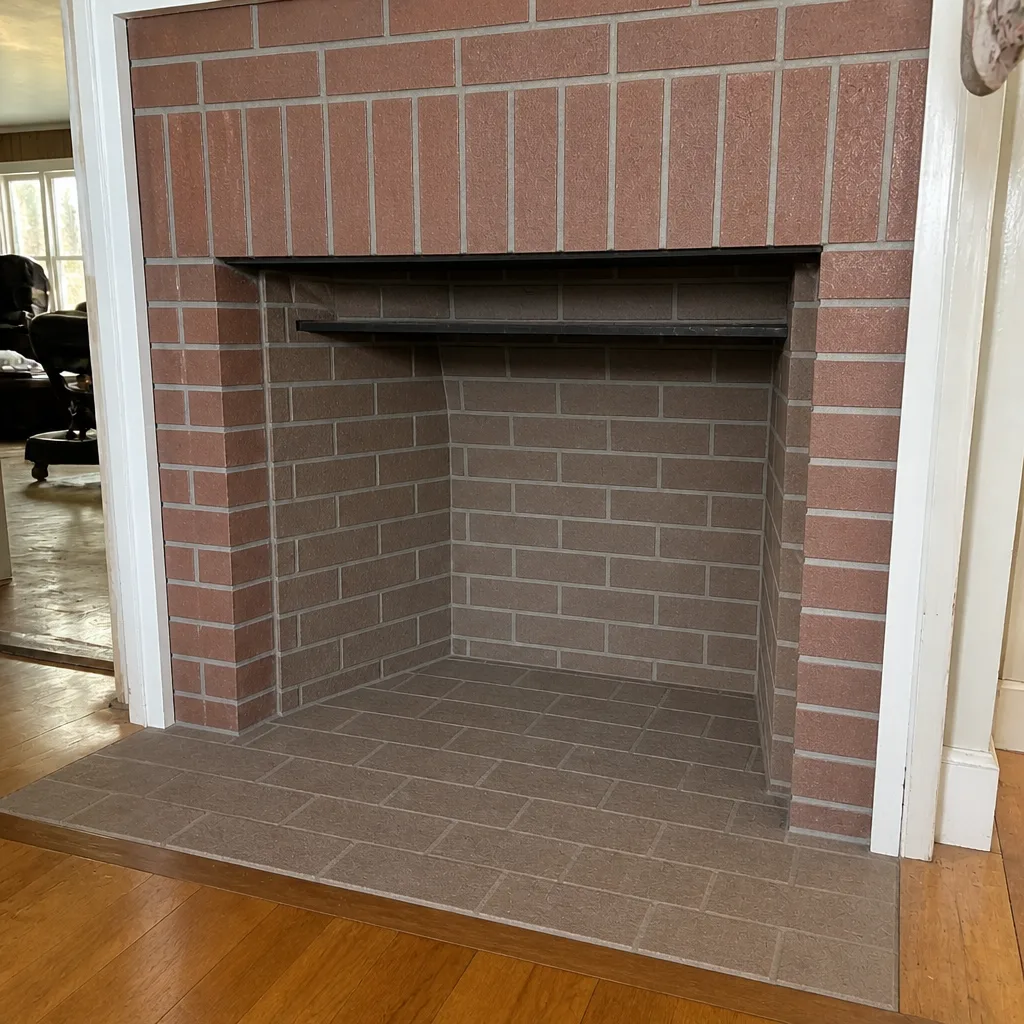
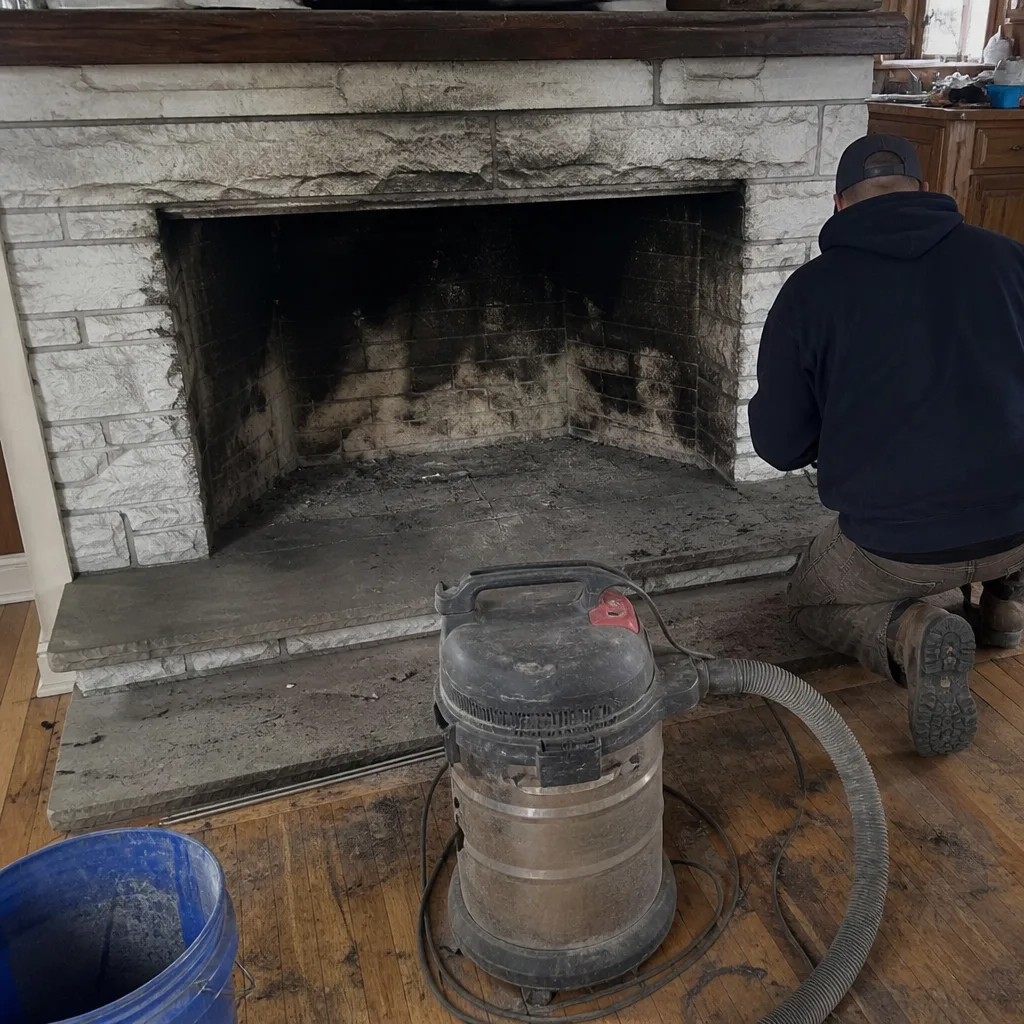
See the difference
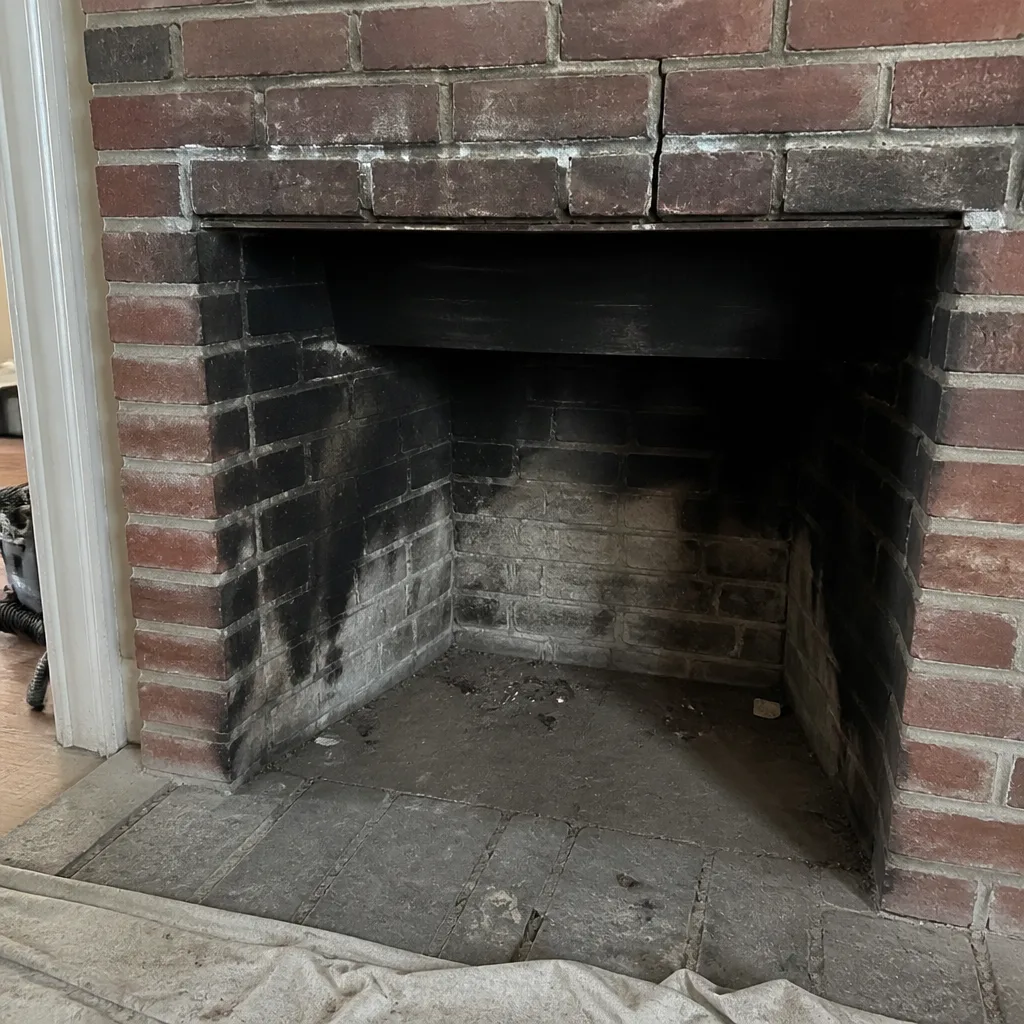 Before
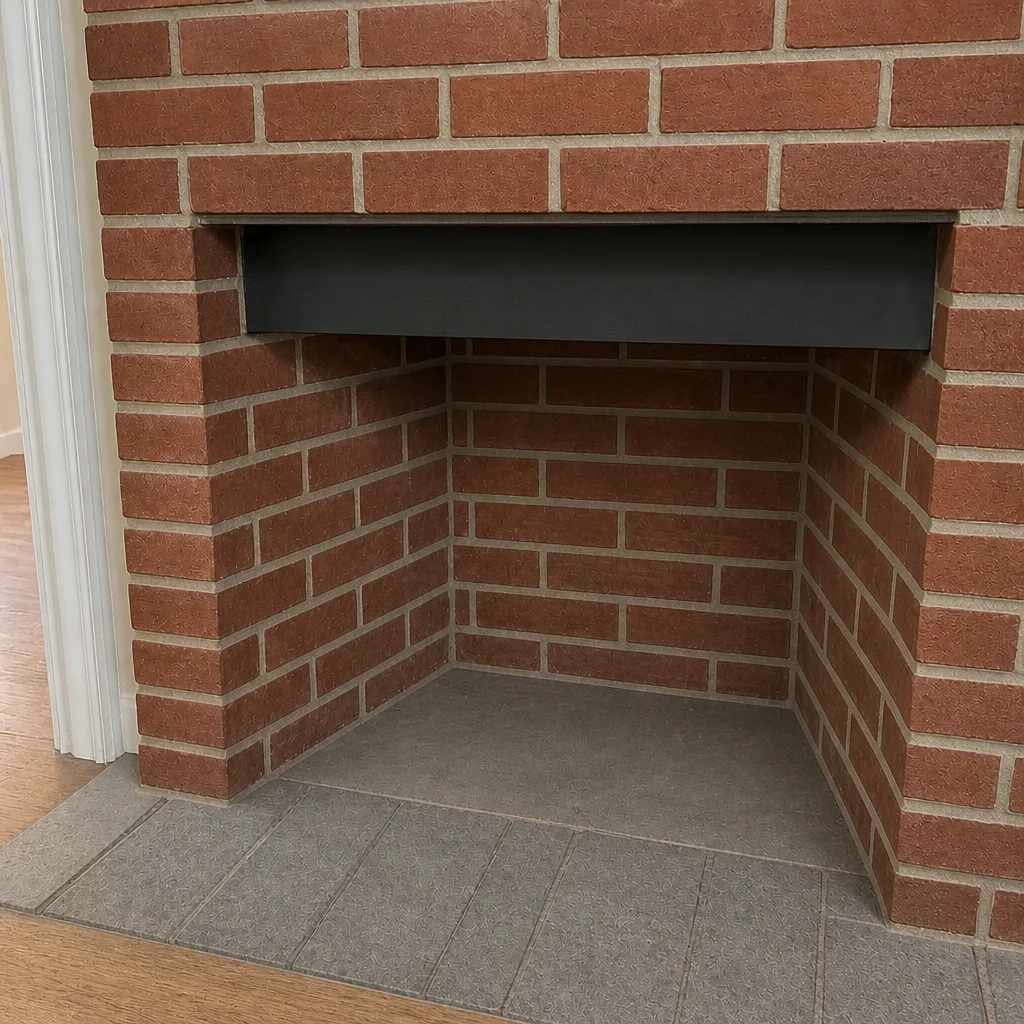 After
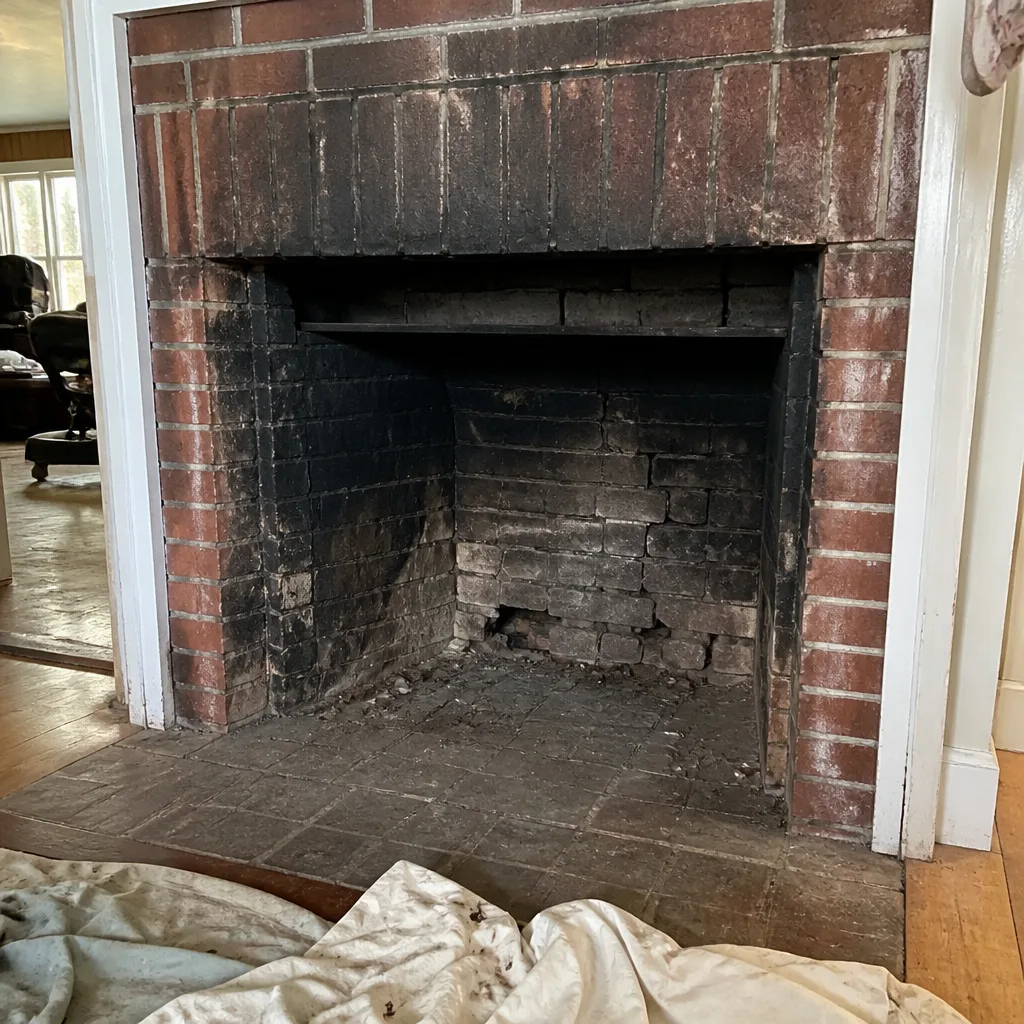 Before
 After
 Before
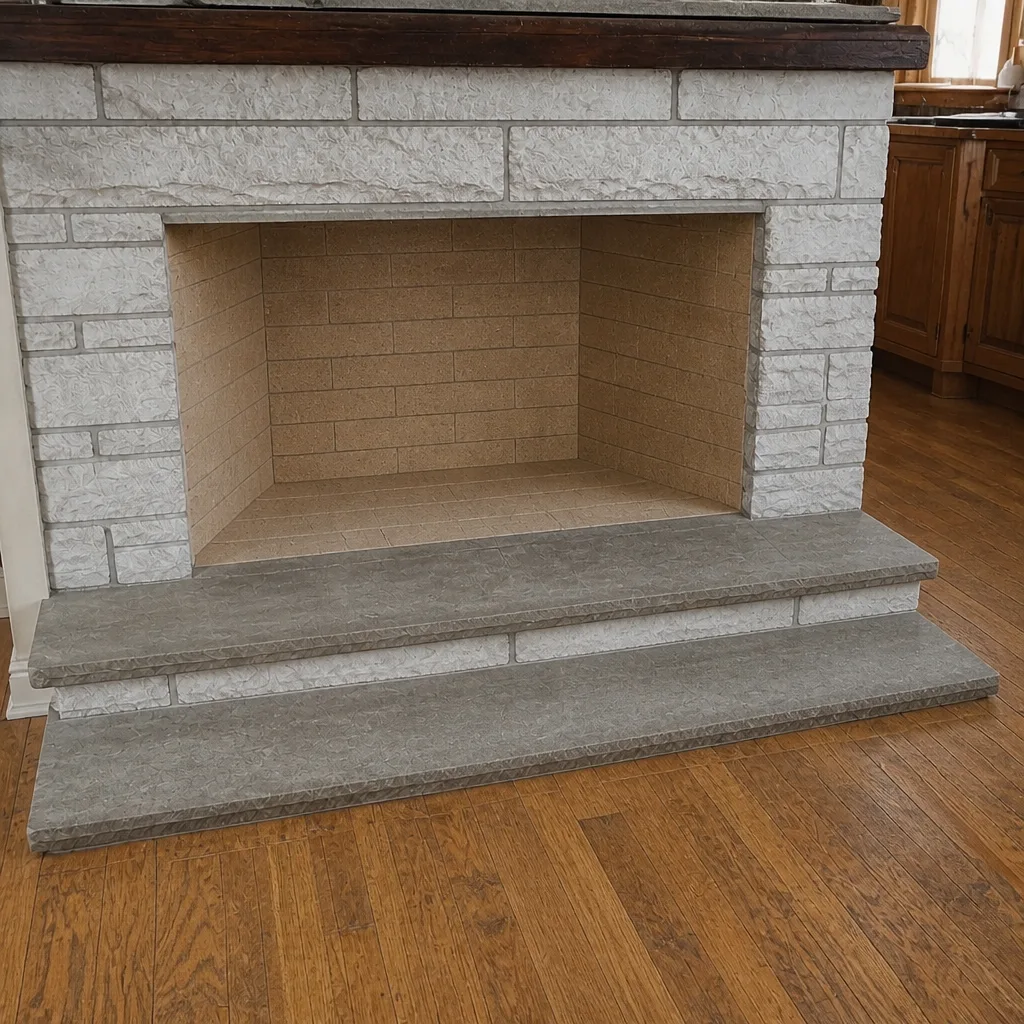 After
Frequently Asked Questions
A standard chimney sweep in Lynn typically costs $150 to $350, with most wood-burning fireplace cleanings landing in the $175 to $275 range. Gas appliance cleanings run $150 to $300 and oil flues $200 to $400, since those systems are cleaned and checked differently. The written estimate sets the final price. Call (833) 922-2686 for an exact quote, estimates are free.
Not always. A liner is only recommended when the flue has cracks, gaps, spalling, or other damage that a camera inspection has shown. In many cases, resurfacing with a system like HeatShield can restore a compromised flue without a full liner tear-out, which costs less and involves less disruption. If you’re told you need a liner, ask for the camera footage first; that’s the evidence, and you’re entitled to see it. Call (833) 922-2686 to book a scoped inspection.
A chimney should typically be swept once a year if you burn regularly, and more often if you burn frequently or notice a heavy creosote smell. Gas and oil appliance flues are checked on their own schedule, and a home inspection or a new purchase often triggers a first cleaning regardless. When the buildup is visible enough to see from the firebox, that’s a sign not to wait. Call (833) 922-2686 for an inspection and a written assessment.
Creosote builds up on the flue walls and becomes more flammable the longer it sits, which raises the risk of a chimney fire. In severe cases, a blocked or deteriorated flue can let gases like carbon monoxide back into the living space. This is not a threat we’re inventing; it’s what’s behind every chimney inspection. Skipping a cleaning doesn’t save money; it lets a problem grow. Call (833) 922-2686 to book a sweep and a camera assessment.
Compare what’s included, not just the price. Look for whether the estimate covers a camera inspection, written documentation, and named repair materials, and whether exclusions are stated. A $150 sweep and a $350 sweep plus inspection are different services, and the difference is largely the documentation and the assessment. Ask each contractor to spell out the inclusions line by line. Call (833) 922-2686 for a written estimate that shows its work.
Yes. We offer chimney inspection as a standalone service and provide written documentation suitable for real estate transactions and insurance requirements. The report includes camera footage of the flue and notes on the condition of accessible chimney components, so a buyer, lender, or insurer has something concrete to review. Call (833) 922-2686 to schedule an inspection, and be sure to mention what the report is for.
The Bottom Line
Chimney cleaning prices in Lynn spread by a factor of three or more because the services genuinely differ: what gets cleaned, what gets inspected, what gets documented, and what materials get specified if a repair is needed. A cheap sweep is fine when the flue is healthy and you just need the creosote cleared. A full-service visit is worth the price when you need to know the condition of a life-safety system and have it on paper. The written estimate is the real price, and a camera should back any repair before you spend on it. Compare estimates on what’s included, not on the headline number.
Written by the team at Chimney Sweep Lynn.