
Last updated November 16, 2026
 Sweep & inspection
 Caps & crowns
 Flue relining
 Masonry repair
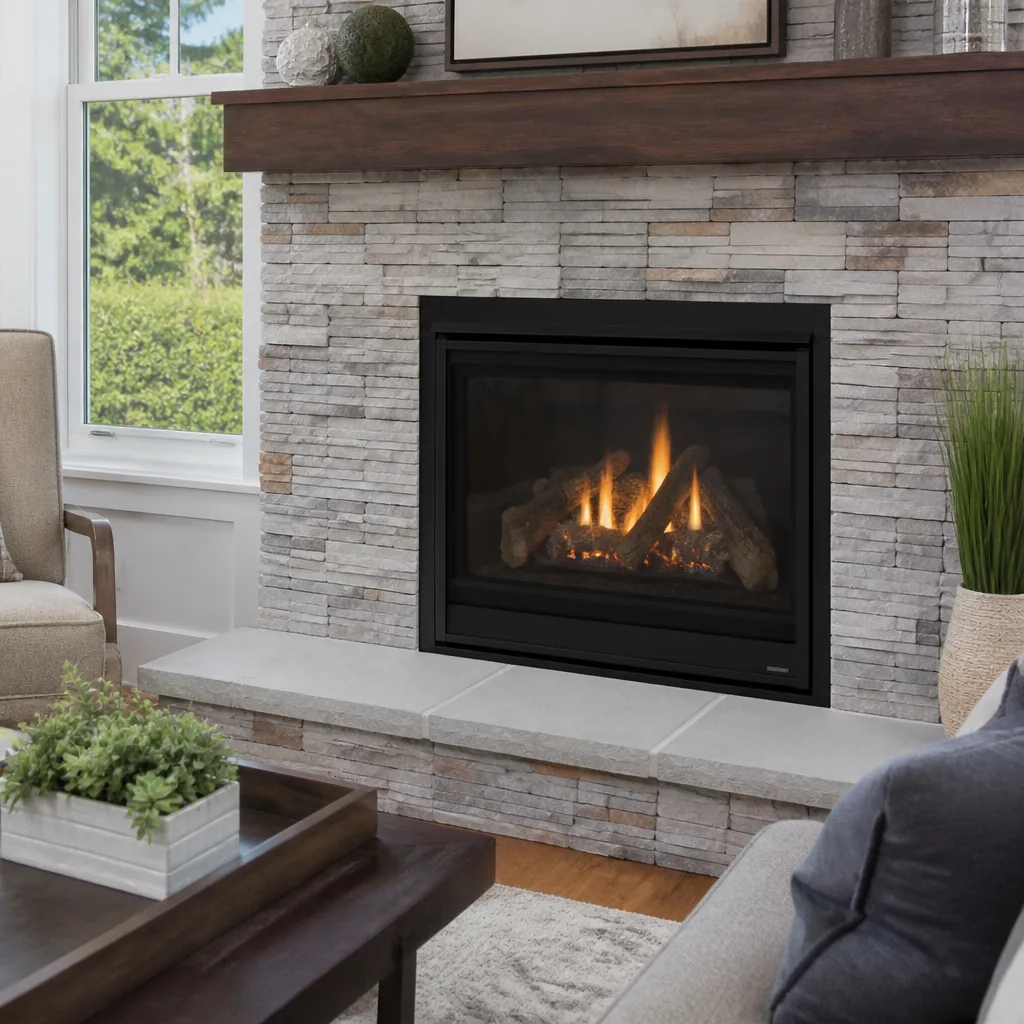 Gas fireplace service
Level 1 sweep and inspection to the NFPA 211 annual standard - flue, crown, cap, and flashing checked and photographed
Chimney sweep logs do not sweep chimneys. They loosen some creosote - which then falls where a brush and vacuum still have to collect it.
Chimney Cleaning Warning Signs: A Lynn Homeowner’s Reference Guide
A white stain on your chimney’s exterior isn’t a cosmetic issue. It’s your masonry telling you water is moving through it right now. And that’s the trouble with most chimney warning signs: they’re quiet, gradual, and easy to read as normal aging if nobody has ever told you what normal actually looks like. Most homeowners in Lynn call us only after a smell, a stain, or a home inspector’s report gets their attention. By then, a small issue has often had a season or two to grow. This guide is the baseline we wish every Lynn homeowner had from day one. We’ll walk through the exterior signals, the interior smells and drafts, the sounds your firebox makes when something’s wrong, and the warning signs specific to gas inserts and pellet stoves that most wood-burning guides skip entirely. Read it once, and you’ll know what your chimney is telling you long before a problem becomes urgent.
Quick Answer
The main warning signs of a chimney that needs cleaning or inspection are: white staining (efflorescence) or flaking brick on the exterior, a cracked or missing crown, a loose chimney cap, a strong smoky or asphalt-like smell even when you aren’t burning, smoke rolling back into the room, and popping, rumbling, or roaring sounds during a fire. Any one of these is a reason to stop burning and get a documented inspection, not a reason to wait until spring. On a wood-burning system, annual cleaning and inspection is the baseline in Lynn; a gas insert or pellet stove has its own separate set of signals covered below.
Styles & brands we work with
- Sweep & inspection
- Caps & crowns
- Flue relining
- Masonry repair
- Gas fireplace service
Table of Contents
- Exterior Warning Signs: What Your Bricks Are Telling You
- Interior Draft and Odor Signals: Backdrafting, Creosote, and Exhaust Infiltration
- Sound-Based Warning Signs During Burning
- Cosmetic Aging vs. Structurally Urgent Deterioration
- Warning Signs Specific to Gas Inserts and Pellet Stoves
- How a Professional Sweep Actually Assesses Your Chimney
- What “Normal” Looks Like: Building Your Baseline
- Common Mistakes to Avoid
- When to Call a Professional
- Frequently Asked Questions
Exterior Warning Signs: What Your Bricks Are Telling You
Start outside. The exterior of your chimney is the part you can inspect from the ground with binoculars from your own yard, and it carries some of the clearest early warnings in the whole system. In Lynn, where chimneys on older homes often face decades of freeze-thaw cycling, the exterior is also where small problems show up first. Here’s what to look for and what each sign actually means.
Efflorescence (the white stain)
Efflorescence is a white, chalky, powdery deposit on brick or mortar. It looks harmless. It isn’t. Efflorescence means water is dissolving salts inside the masonry and pushing them to the surface as it evaporates. Where the water is getting in is the real question, but the answer is never “nowhere.” A chimney crown that has cracked, a missing cap, or a failing flashing at the roofline is the usual culprit.
Spalling brick
Spalling is when the face of a brick flakes, peels, or pops off entirely. Once brick spalls, that brick will not heal, and the deterioration accelerates as more water gets into the newly exposed surface. A chimney with spalling brick on its upper courses is losing structural material, not just appearance. This is the point at which cosmetic aging tips into real repair territory.
Crown cracks and deterioration
The crown is the sloped concrete cap on top of the chimney. Its job is to shed water away from the masonry below. A hairline crack is a warning. A crack wide enough to catch a fingernail, a crown that’s crumbling, or a crown that has pulled away from the flue tile is a repair to schedule before the next hard freeze. If you’re seeing water inside the firebox after a storm, the crown is the first place to look.
Cap displacement
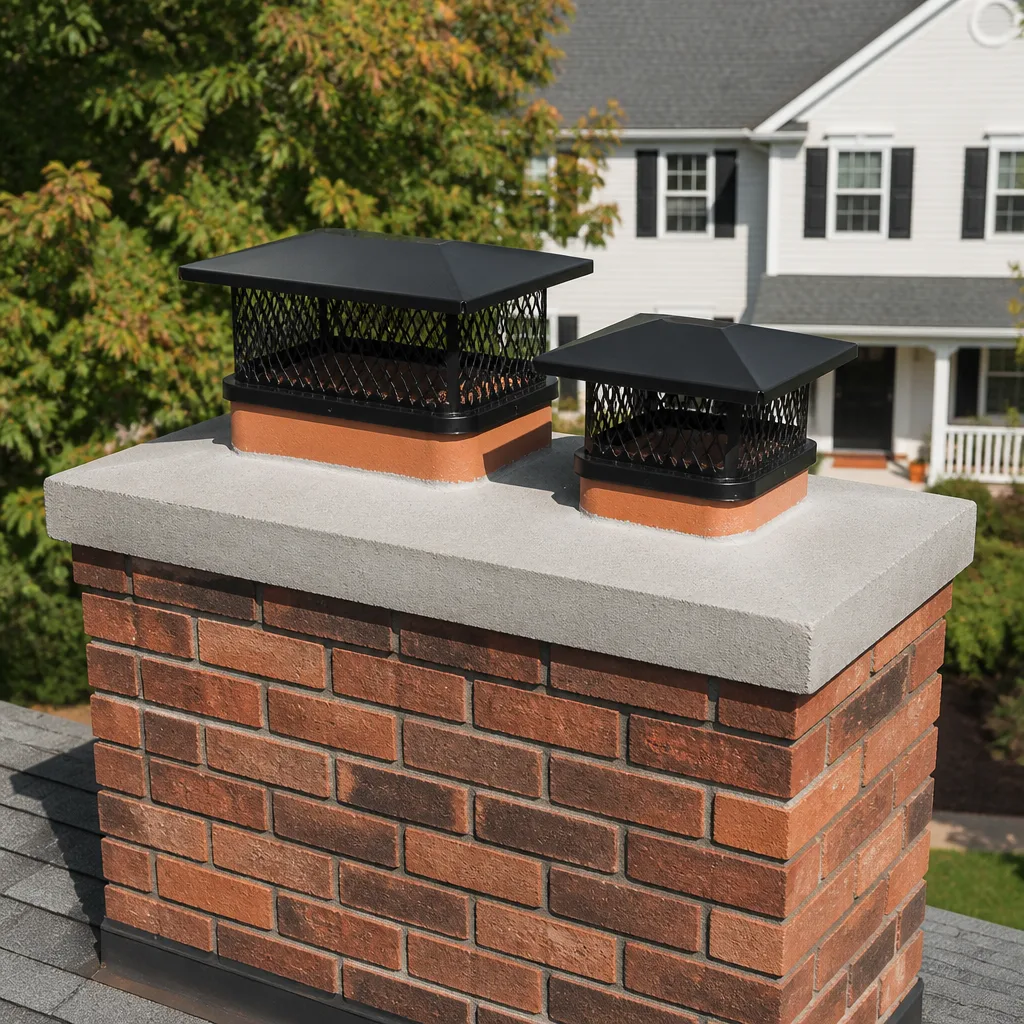
The chimney cap (the metal hood over the flue) keeps rain, snow, and animals out. If it’s tilted, loose, or missing entirely, everything below it is exposed. Caps are relatively quick to correct, and we use components like Famco’s covers and venting so a replacement cap actually fits the flue opening rather than sitting on it loosely.
Flashing and mortar joints
At the roofline, flashing is the metal that seals the chimney to the roof shingles. Deteriorated flashing lets water run straight down into the house. Look for dark streaks running down the chimney from the roofline, separation between the flashing and the roof, or rust stains on the shingles around the base. Missing mortar between bricks, especially near the top three feet, is the other common weak spot.
Interior Draft and Odor Signals: Backdrafting, Creosote, and Exhaust Infiltration
Inside the house, most chimney problems announce themselves through smell and draft. The trick is telling three very different problems apart, because each one has a different cause and a different remedy. Here’s how to read what you’re smelling.
Backdrafting
Backdrafting is when smoke from a fire, or combustion byproducts from an appliance, flows back into the living space instead of up the flue. If smoke drifts out of the firebox into the room when you light a fire, if the fire struggles to catch, or if you feel a downdraft of cold air coming down the chimney on a cold day even when nothing is burning, the flue isn’t pulling as it should. Common causes: a flue blocked by a bird nest or soot buildup, a venting path that’s too short relative to the roofline, or a home that’s become tight enough (new windows, weatherstripping) that exhaust fans pull more air than the chimney can replace. Backdrafting is a serious safety concern because the exhaust can include carbon monoxide. Don’t brush it off as a “smoky fireplace.”
Creosote smell
Creosote is the tar-like byproduct of burning wood. It has a distinct smell: sharp, smoky, sometimes closer to asphalt or tar when it’s built up heavily. A faint smell after a fire is normal. A strong creosote smell in the house in summer, on a warm humid day, or after rain is not. It usually means creosote has built up to a level that’s absorbing moisture from the air and releasing odor into the room. That same creosote is what fuels a chimney fire if it reaches the right stage. When we sweep a chimney in Lynn, the camera report will show you exactly how much creosote is in the flue and what stage it’s at, so you’re not guessing.
Exhaust gas infiltration
Exhaust infiltration smells different from creosote. It’s more like a headache before you notice the smell: a metallic, harsh, slightly chemical odor, sometimes a sick feeling in a room where a fire has been burning. If your carbon monoxide detector goes off, leave the house and call emergency services first, then address the chimney. If you smell exhaust but no alarm sounds, get the system inspected before burning again.
Sound-Based Warning Signs During Burning
Normal fireplace sounds are gentle: an occasional pop from the wood, a low rush of air, a soft creak as the metal heats up. Sounds that fall outside that pattern usually point to the flue, the damper, or the liner. Here’s what to listen for and what each one typically means.
Loud popping and cracking
Popping from the wood itself is normal. Rapid, sharp popping that sounds like it’s happening inside the chimney rather than the firebox, especially after the fire has been burning for a while, can signal creosote igniting. A chimney fire doesn’t always look dramatic; sometimes it’s quick and quiet and the only sign afterward is a cracked liner. If you hear it or suspect it, stop using the fireplace until a professional has inspected it.
Rumbling, roaring, or a deep whooshing
A roaring sound larger than the size of the fire should produce points to a restricted flue or a draft issue. A gurgling or hollow sound during heating and cooling cycles can mean a liner has cracked or separated from the flue. Both are inspection-worthy sounds, not just “the chimney settling.”
Whistling or high-pitched noise at the top of the chimney
Whistling usually comes from a cap or damper that’s loose, bent, or improperly seated. A damper that doesn’t sit flat lets air leak through and makes the whole system harder to control. Note it and have it corrected, because a misaligned damper worsens over seasons.
Popping from a pellet stove or gas insert
Pellet stoves make their own mechanical sounds, but a new metal-on-metal clang or repeated sharp pop during startup is not normal and can indicate a component has come loose or the venting has shifted. Gas inserts should be nearly silent; a rhythmic thrum or a buzz you haven’t heard before deserves a service call.
Cosmetic Aging vs. Structurally Urgent Deterioration
Here’s the question behind most of the anxiety we encounter in Lynn. Two houses on the same street can show similar-looking chimneys, and one needs masonry work while the other just needs cleaning. Here’s how to sort them without opening up any walls.
Signs that are usually cosmetic
- Faint efflorescence on one face of the chimney, no soft brick beneath it
- A slightly weathered but intact crown with no visible cracks
- Dark staining on the outside where a previous fire burned smoky
- Faded mortar that hasn’t begun to recede or crumble
Signs that are structurally urgent
- Efflorescence plus flaking brick in the same area
- Spalling or chipping brick, especially in the upper third
- A crown with visible cracks, crumbling edges, or gaps to the flue tile
- Vertical cracks in the mortar joints running more than a couple of courses
- A cap that’s tilted, missing, or bent away from the flue
- Water in the firebox after storms
- Any lean in the chimney stack
The best way to tell the difference without opening the walls
A camera inspection inside the flue tells you what the exterior can’t. It shows whether the tile liner is cracked, whether the mortar joints in the flue are holding, and how much creosote is present. Combined with what’s visible on the roof, that’s the whole picture. Chimney repair decisions become straightforward once you have that evidence in writing.
Warning Signs Specific to Gas Inserts and Pellet Stoves
Most chimney warning-sign guides are written for wood-burning fireplaces and skip the vented appliances entirely. In Lynn, plenty of homes have swapped a wood firebox for a gas insert or added a pellet stove as a primary heat source, and those systems have their own warning signs. They don’t burn wood, but they still rely on a working flue or venting path.
Gas insert warning signs
- A yellow or orange flame where you used to see blue. A blue flame with a yellow tip is normal; a consistently yellow, floppy flame in a gas insert often means incomplete combustion. Stop using it and get it serviced.
- Sooting on the glass or firebox interior. Soot is not decorative. It means the burner or venting is off.
- A faint gas smell after the unit shuts off. Gas odors are always worth a professional check.
- Condensation on the inside of the glass during operation. Occasional condensation on startup is normal; ongoing is not.
- Cold air pouring from the firebox when the insert is off. The venting path or termination may be compromised.
Pellet stove warning signs
- A gummy or smoky smell outside near the vent termination. Pellet combustion is cleaner than wood, but a heavy smoky smell outside means venting is obstructed or the firebox seals have failed.
- Ash buildup outside the firebox on the stove or floor. Seals, gaskets, or the vent adapter need attention.
- Inconsistent burn or frequent shutdowns mid-cycle. Venting restriction is one common cause, and any restriction in a pellet system deserves professional attention because combustion gases must leave the house.
- Black soot at the vent cap. The cap or vent pipe needs cleaning or replacement. Components like Olympia Chimney’s venting systems are made for this application; the wrong cap causes exactly this problem.
How a Professional Sweep Actually Assesses Your Chimney
Homeowners deserve to know what happens during an inspection, so they can judge whether the report they get back is thorough. When you book a chimney sweep in Lynn, here’s the sequence a professional follows. It’s the same one we use.
- Exterior walk-around and roof level look. We check the crown, cap, flashing, and mortar joints from the ground and from the roof so you get a documented view of the whole chimney’s condition, not just the inside.
- Firebox and damper inspection. We look for cracks, damaged firebrick, and how the damper seats.
- Draft test. We confirm the flue is pulling air before starting any cleaning. A blocked or collapsing flue needs handling before a sweep, not after.
- Cleaning with drop cloths and a sealed work area. The firebox and the surrounding floor area get sealed so soot stays contained.
- Camera inspection of the flue. A flue camera shows the liner, the creosote condition, and any cracks the eye can’t see from below. This is where the future decisions really get made.
- Written photo report. You receive the findings in writing, with photos, in a form you can use for insurance or for a real-estate transaction if needed.
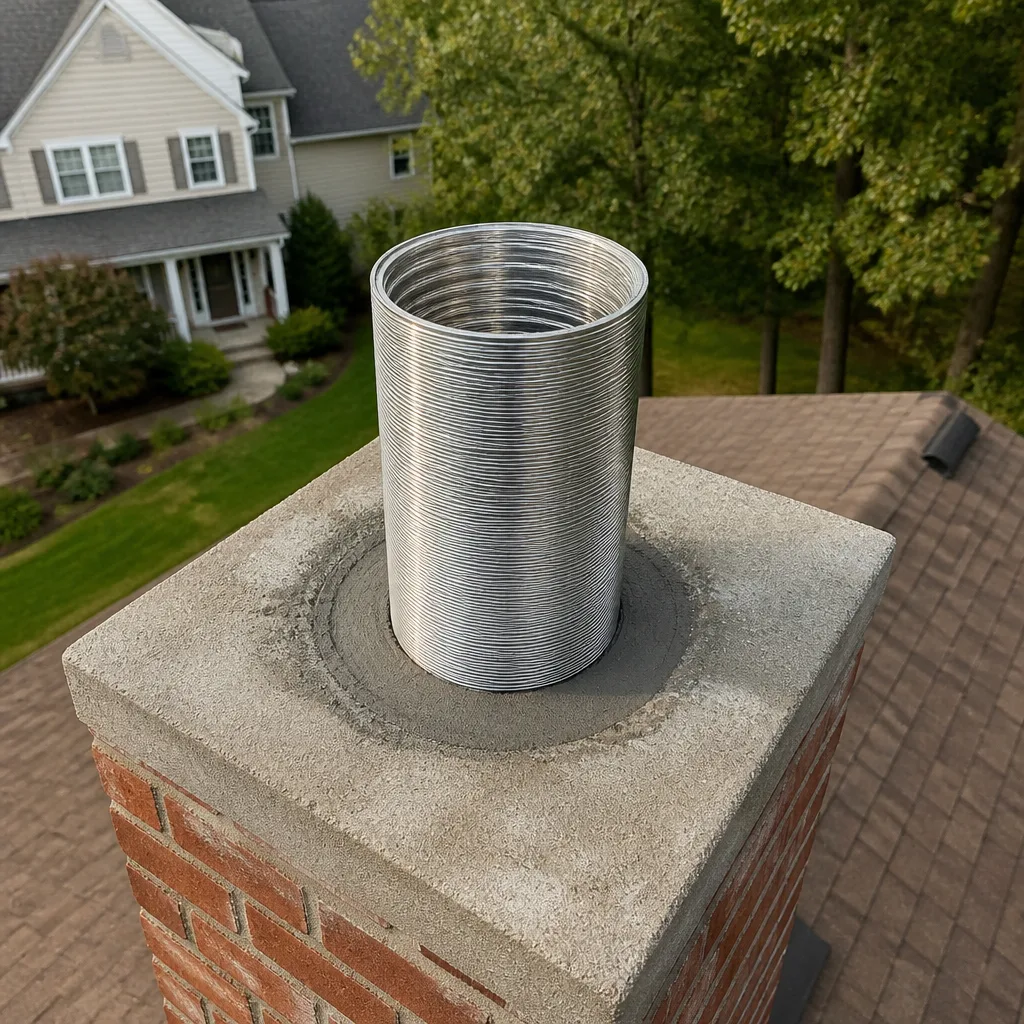
The point of the report is not to sell you work. It’s to give you something you can actually see and use to decide. If the system is healthy, you’ll hear that too. HeatShield resurfacing can restore a compromised flue without a full tear-out, and when a full reline is genuinely needed, we specify DuraFlex flexible liner systems for high-heat service. But we don’t recommend either without camera evidence you can look at yourself.
What “Normal” Looks Like: Building Your Baseline
The reason warning signs get missed is that nobody ever establishes what normal is. Do this once, and every future season you’ll have a reference point.
- Look at your chimney from the ground in good light. Note the color of the brick, whether any efflorescence is already present, and the condition of the cap. Take a photo from the same spot every fall.
- Check the firebox before and after a fire. Note how quickly a fire catches, whether smoke rolls out at startup, and whether the room smells smoky afterward.
- Listen during a fire. Get used to the sound of a normal fire in your particular fireplace so you’ll hear something different.
- Check the glass and firebox on your insert or stove monthly during the heating season. Look for soot, condensation, and flame color changes.
- Have the system cleaned and inspected once a year. The inspector’s report becomes your baseline for the year to come. In Lynn, where burning season can start as early as October, the best time to schedule is late summer or early fall.
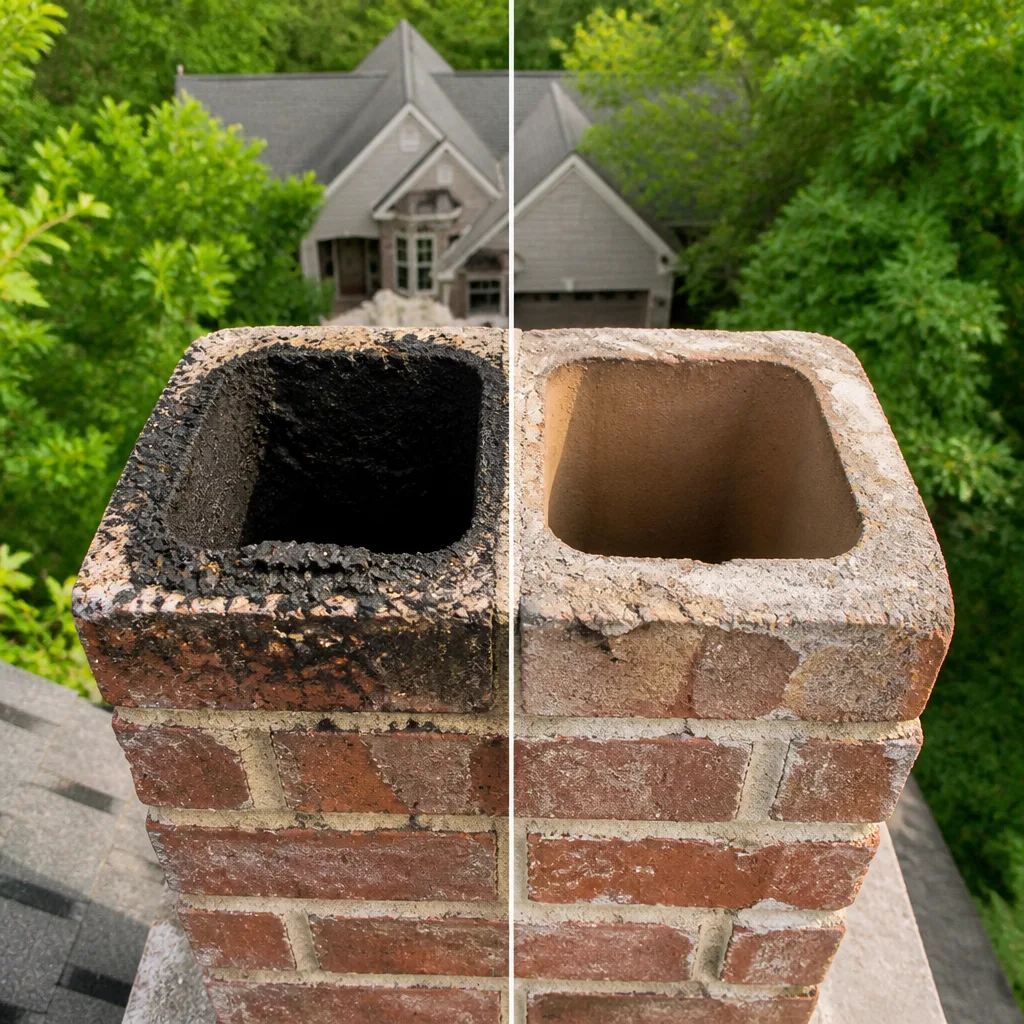
See the difference
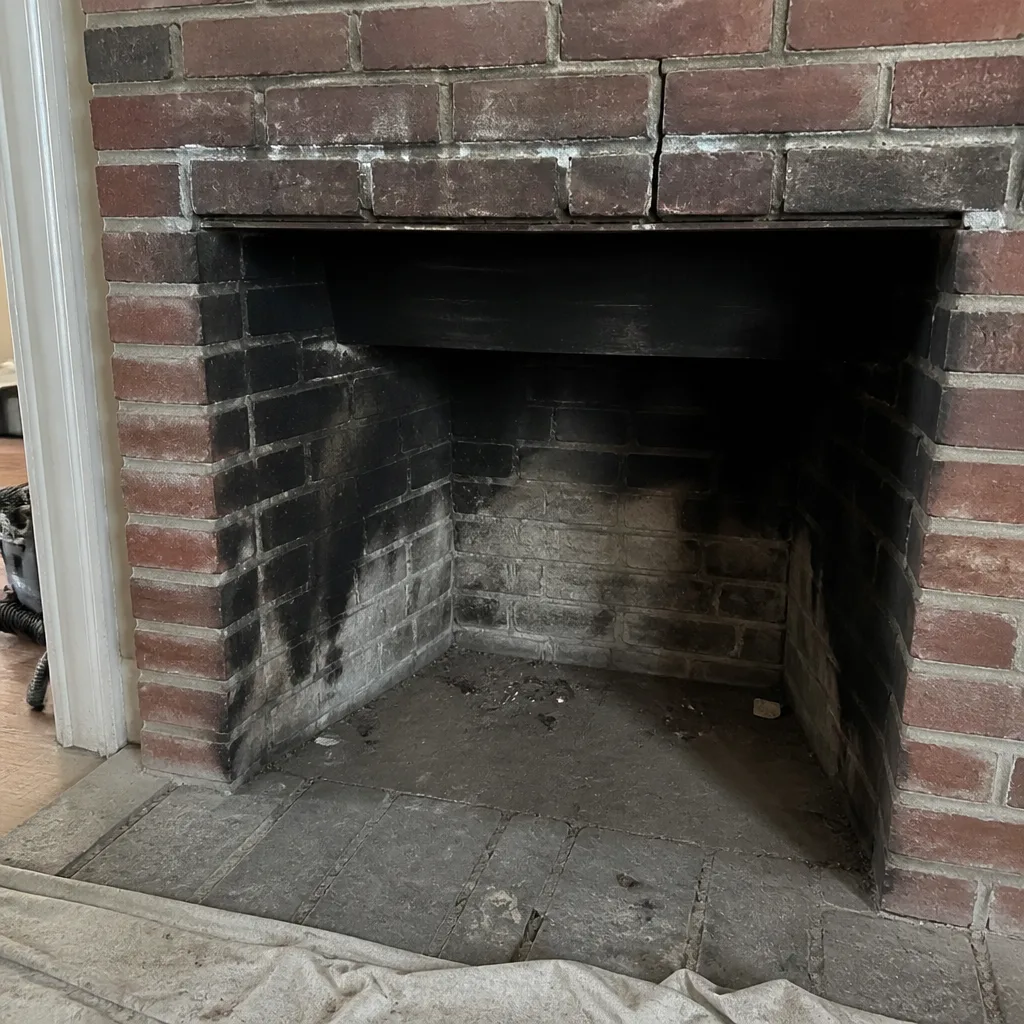 Before
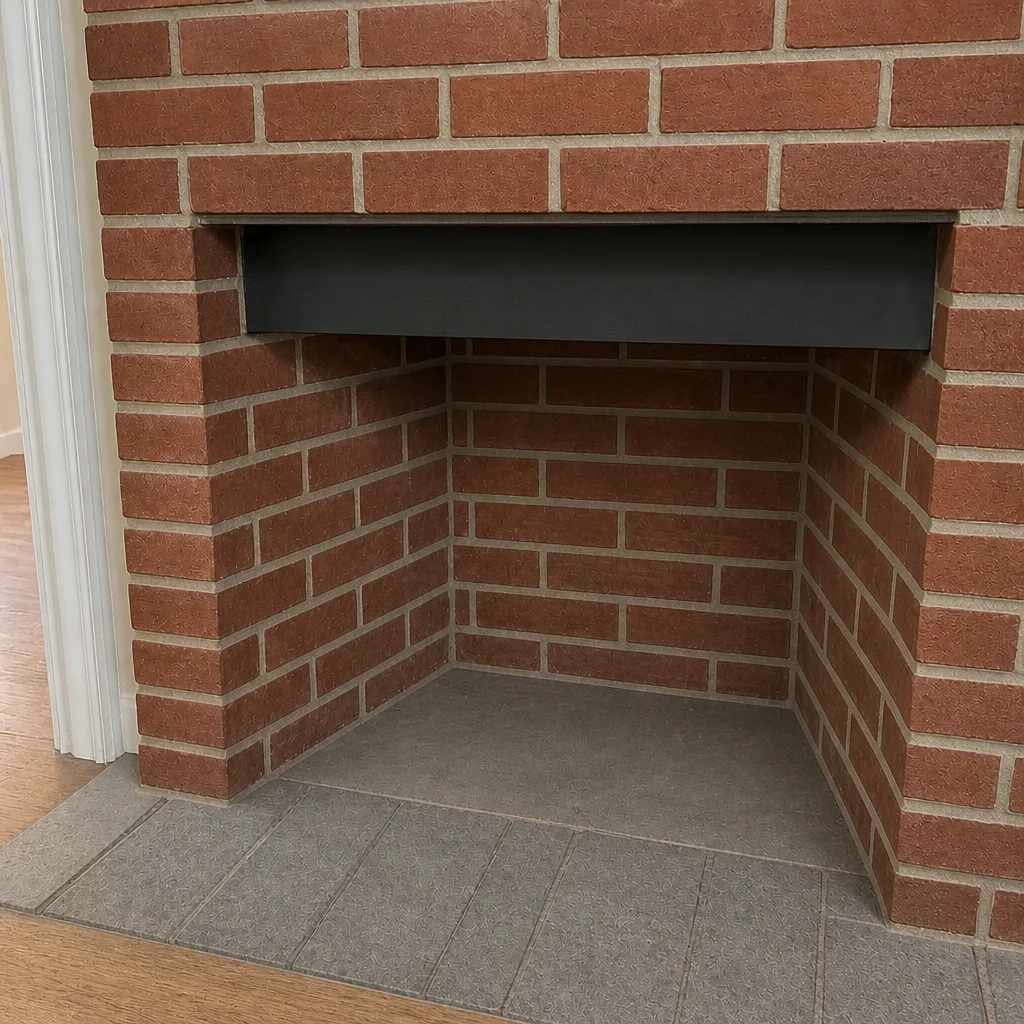 After
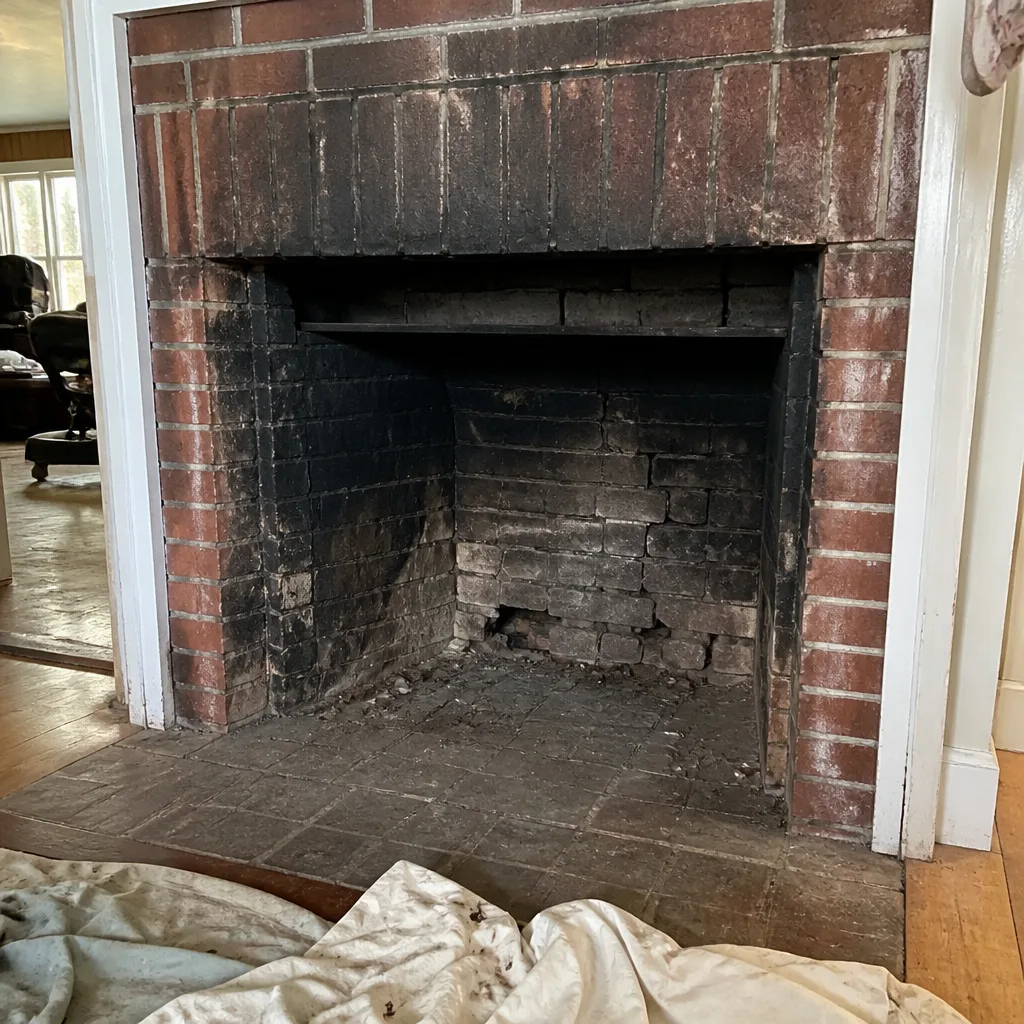 Before
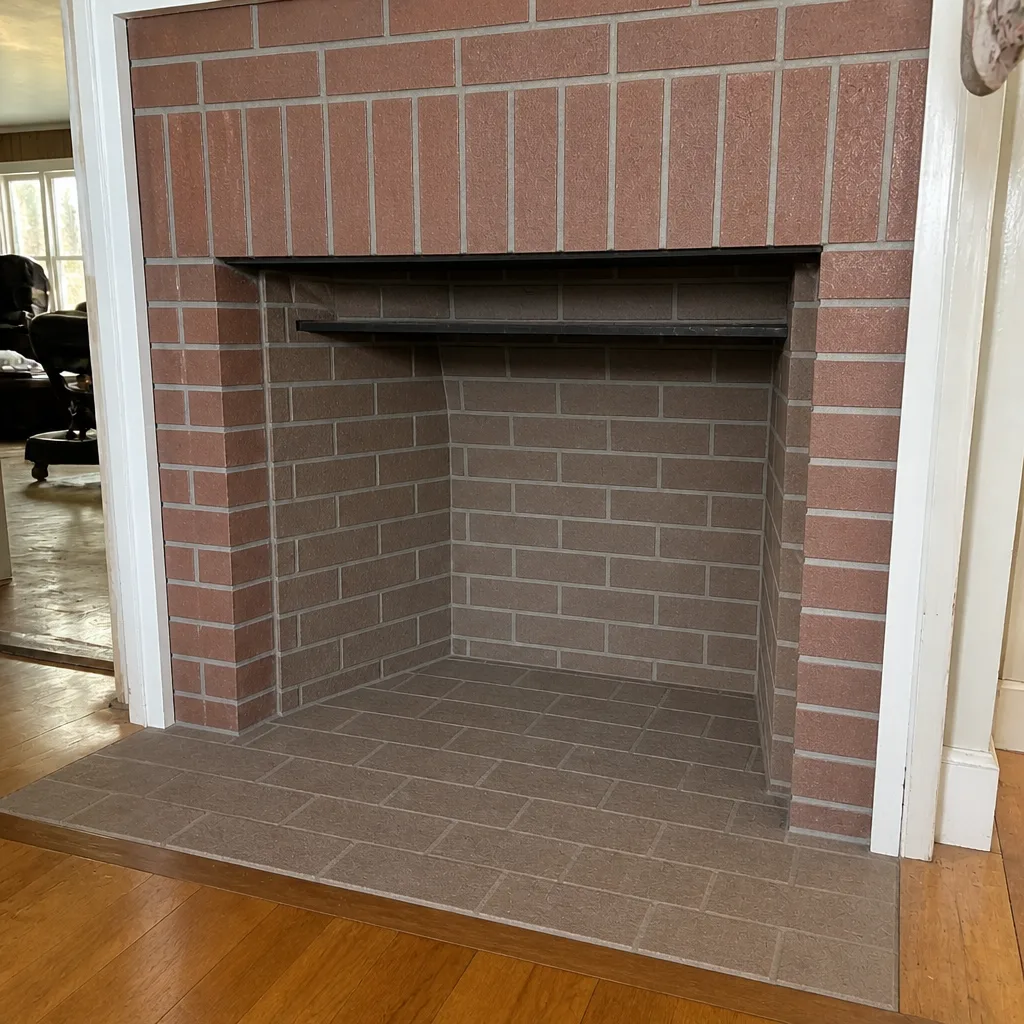 After
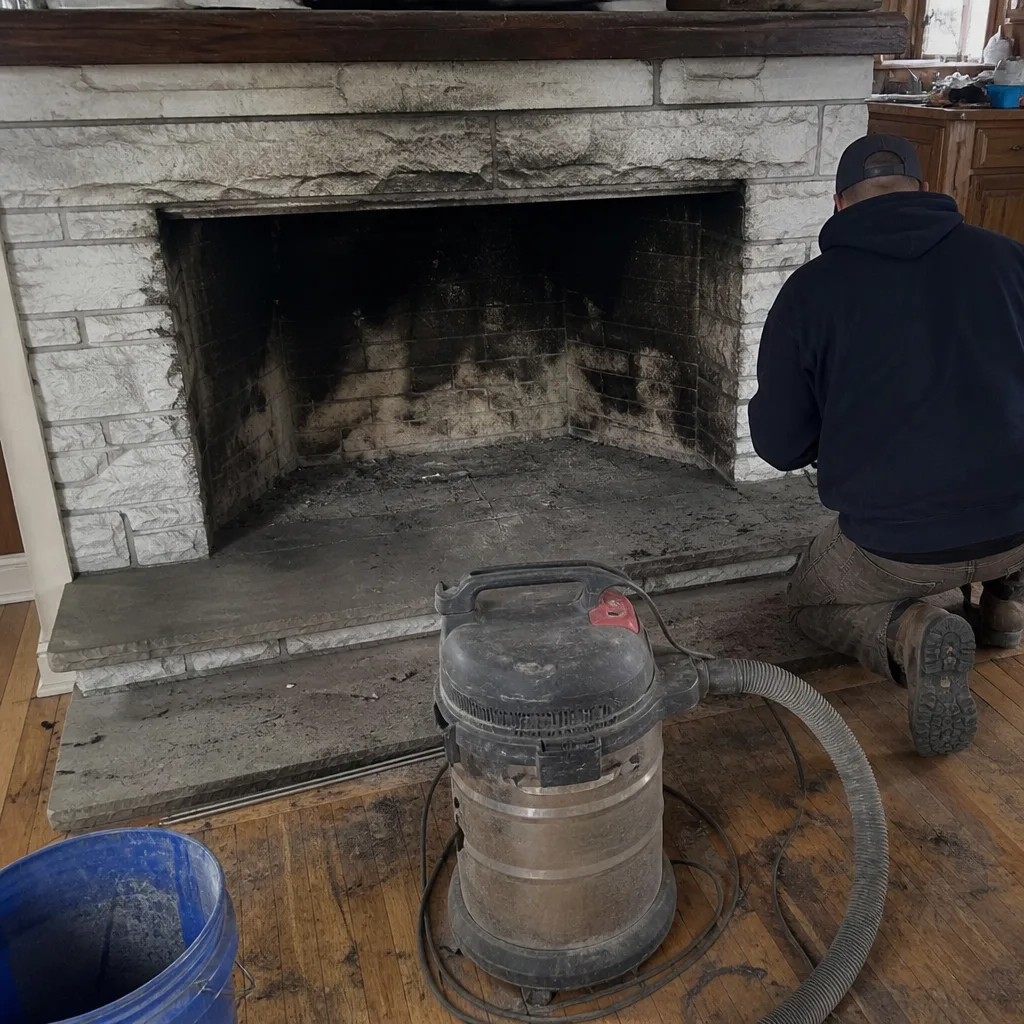 Before
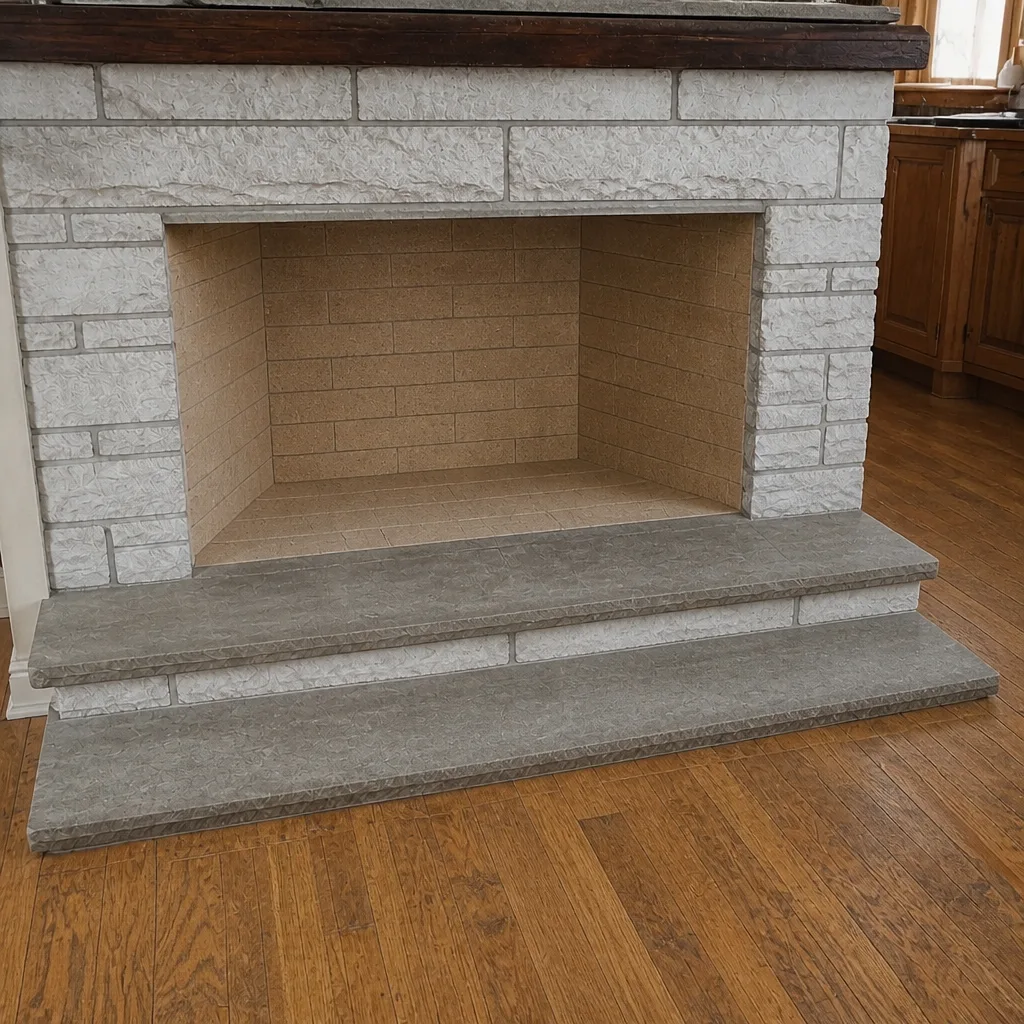 After
Common Mistakes to Avoid
- Treating efflorescence as a cosmetic problem. It isn’t. The white stain is water moving through the masonry right now, and the longer you wait the more the brick underneath is damaged.
- Repointing mortar without addressing the crown or cap. Repointing a chimney whose crown is cracked just buries the problem. Water will find the crown again next season.
- Burning for a full season on a flue that hasn’t been inspected since the last one. In Lynn, a single heating season is enough for creosote to build to a stage worth sweeping, especially on older masonry flues.
- Assuming a gas insert or pellet stove doesn’t need attention because it “doesn’t burn wood.” Those systems still vent, still produce combustion byproducts, and still need inspection. Skipping it is the most common gap we see.
- Using a “sweep” who only cleans and never inspects. A cleaning without a camera inspection tells you the flue isn’t sooty. It doesn’t tell you whether the liner is cracked. Sweep, repair, and inspection under one relationship gives you a single point of accountability.
- Buying a cap or damper at a hardware store without checking the fit. A cap that doesn’t sit correctly on the flue can whistle, leak, or blow off in a storm. Components from Gelco, Famco, or Olympia Chimney are chosen for fit, not lowest price.
- Scheduling only after a failure. Chimney warning signs are gradual. The house on every block in Lynn that has a chimney fire call usually had a warning sign the year before.
When to Call a Professional
Call us when you see spalling brick, a cracked crown, or a cap that’s no longer seated. Call when a strong creosote or exhaust smell lingers in the house even with no fire burning. Call when the fire doesn’t catch easily, when smoke rolls into the room, or when the sounds during burning have changed. Call after any suspected chimney fire, even a small one, before using the fireplace again. Call for a documented inspection before buying a home with a wood-burning fireplace or vented appliance, or when an insurance carrier asks for written evidence of condition.
And call for routine cleaning before each heating season. That’s the appointment that catches almost everything else early. Chimney Sweep Lynn offers free estimates in Lynn. Call (833) 922-2686. We answer 24/7. Fast dispatch from 7am to 7pm, Sunday through Friday. Our technicians have up to 9 years of experience, and our service area in Lynn covers the neighborhoods and surrounding towns where older masonry chimneys are the norm.
Frequently Asked Questions
Once a year is the baseline for a wood-burning fireplace that sees regular use during the heating season. Homes that burn heavily or burn green wood may need it more often, and gas inserts and pellet stoves should also be inspected annually. Call (833) 922-2686 for an exact quote on a sweep and inspection. Estimates are free.
Sometimes you can tell your chimney needs attention from the outside, but you can’t tell whether it needs cleaning from the outside alone. Exterior signs like efflorescence, spalling brick, crown cracks, and cap displacement tell you something is wrong. Only a camera inspection inside the flue tells you how much creosote is present and whether the liner is intact. Call (833) 922-2686 to book a documented inspection. Estimates are free.
Efflorescence means water is moving through the masonry and pushing dissolved salts to the surface as it evaporates. It is not a cosmetic issue. The next step is figuring out where the water is entering: crown, cap, flashing, or mortar joints. Call (833) 922-2686 for a documented assessment. Estimates are free.
No. Many chimney fires are quick, quiet, and self-extinguishing, and the only visible sign afterward is a cracked liner or warped damper. That’s why any popping or roaring from inside the flue during a fire deserves an inspection before you burn again. Call (833) 922-2686. Estimates are free.
Backdrafting is when combustion byproducts come back into the room instead of going up the flue, and it can include carbon monoxide. If smoke rolls into the room at startup, if the fire struggles to catch, or if cold air pours down the chimney on a cold day with no fire burning, treat it as a backdraft issue, not a smoky fireplace. Call (833) 922-2686. Estimates are free.
No. Gas inserts and pellet stoves have their own warning signs: yellow flames, soot on glass, smoke at the vent termination, ash escaping the firebox, and soot at the cap. Those signal combustion or venting problems and should be inspected by a professional. Call (833) 922-2686 for an exact quote on an inspection. Estimates are free.
The Bottom Line
Chimney warning signs are rarely sudden. They show up as a white stain, a flaking brick, a smoky smell in summer, a popping sound during a fire, or a yellow flame in a gas insert months before anything catastrophic happens. The reason they get missed is that nobody has established the baseline. Once you know what your chimney’s normal looks like and sounds like, every future season becomes a comparison, not a guess. In Lynn, the freeze-thaw cycle and the age of many masonry chimneys make that baseline even more important. A yearly cleaning, a camera inspection, and a written report from a grounded chimney sweep are the three habits that keep a small warning sign from becoming a big repair. And when a repair does come up, one specialist for sweeping, repair, and inspection keeps the accountability in one place.
We work with professional-grade materials throughout: DuraFlex liner systems, HeatShield resurfacing, and Copperfield caps and components, chosen for fit and longevity rather than lowest bid. If you’re seeing any of the signs in this guide, don’t wait for the next season to confirm them. Call Chimney Sweep Lynn at (833) 922-2686 for a free estimate. We answer 24/7. Fast dispatch from 7am to 7pm, Sunday through Friday. We document what we find, and we’ll tell you plainly when work can safely wait.
Written by the team at Chimney Sweep Lynn.