
Last updated November 16, 2026
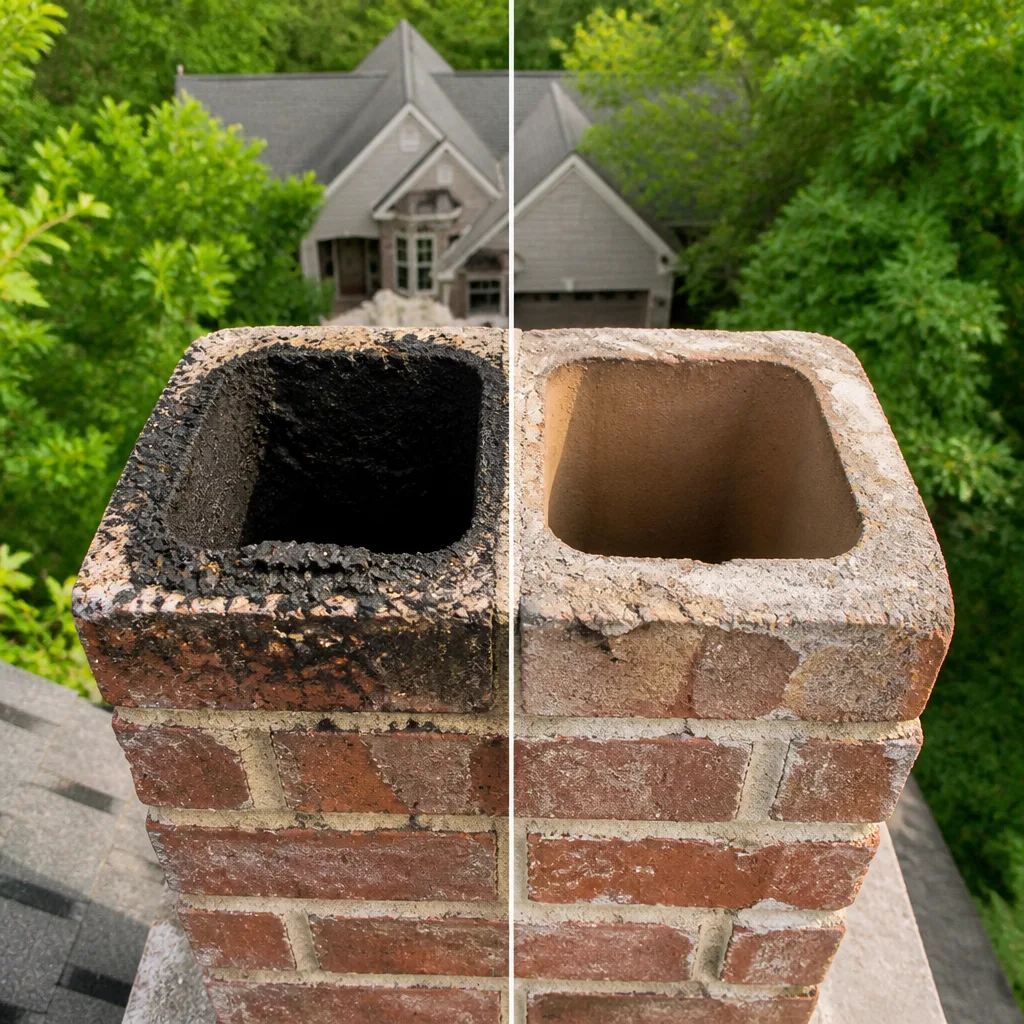 Sweep & inspection
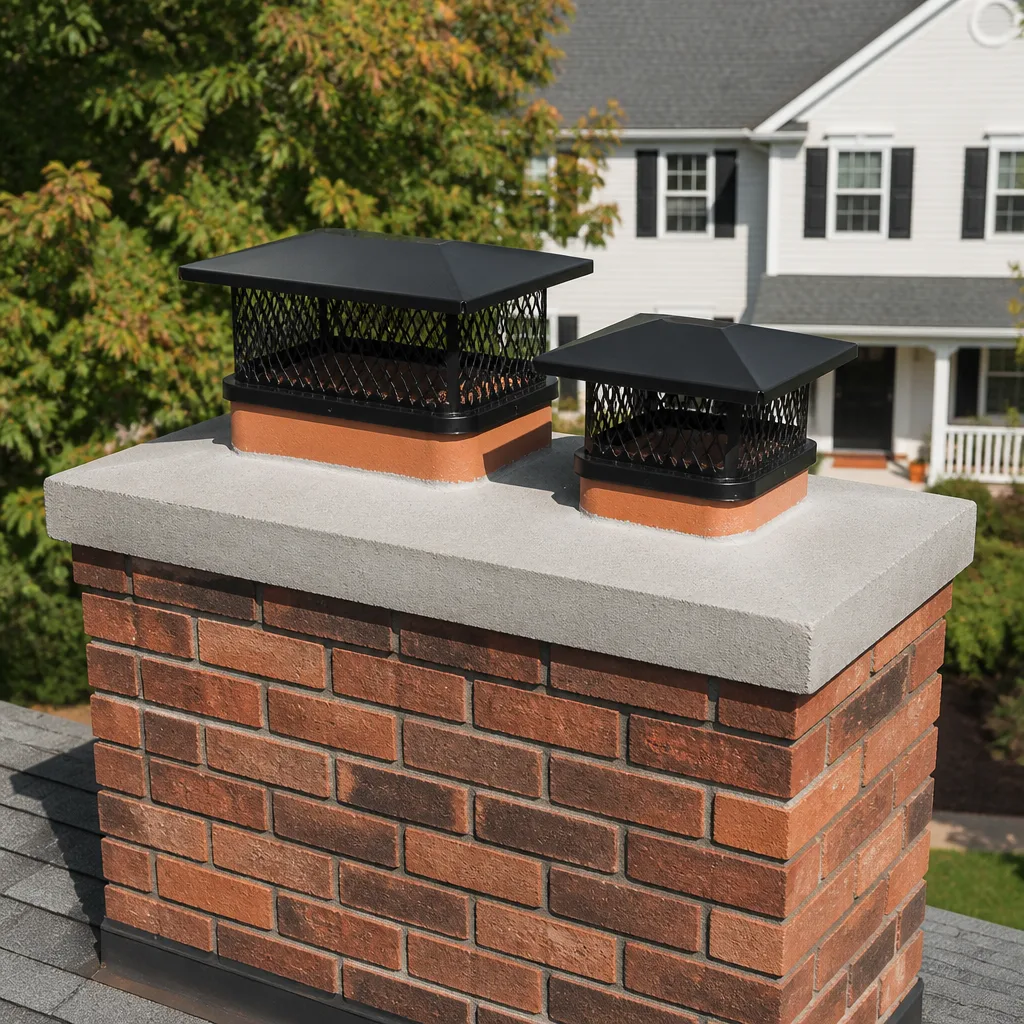 Caps & crowns
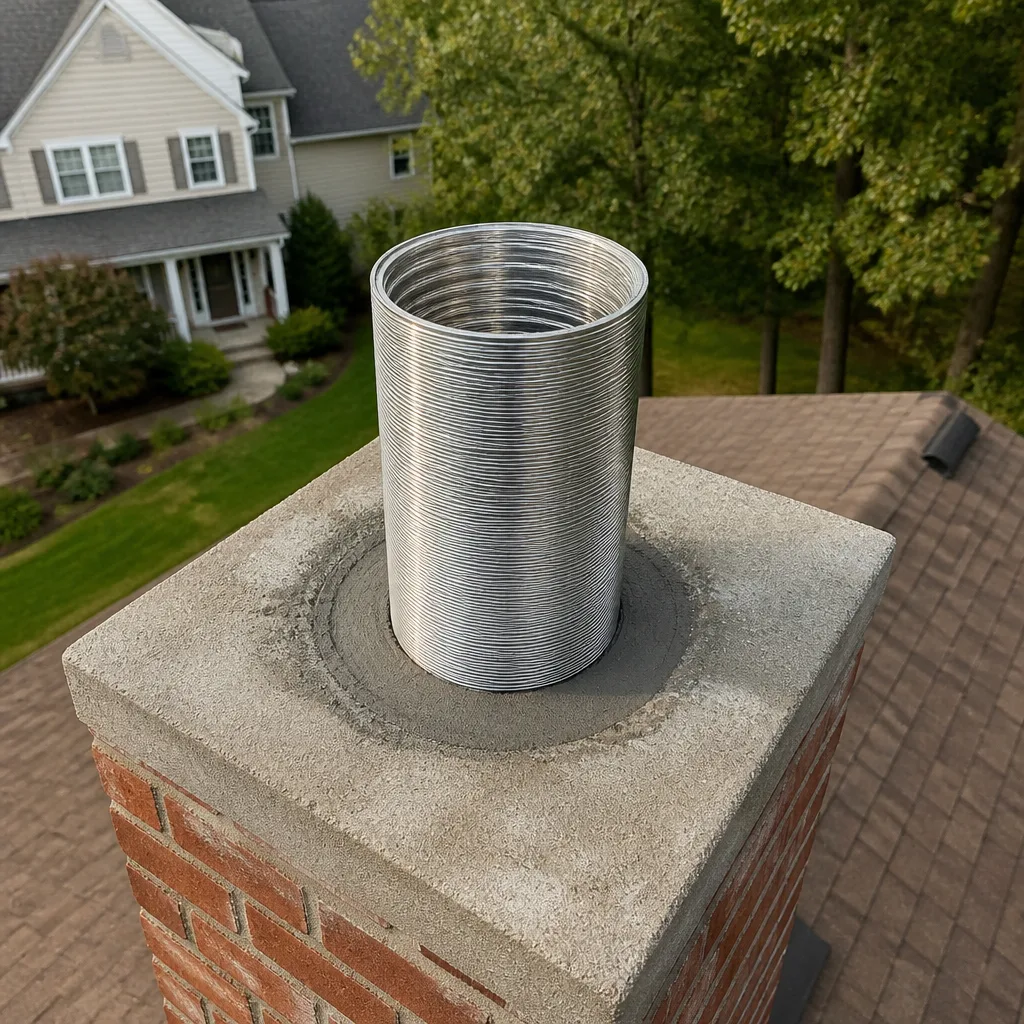 Flue relining
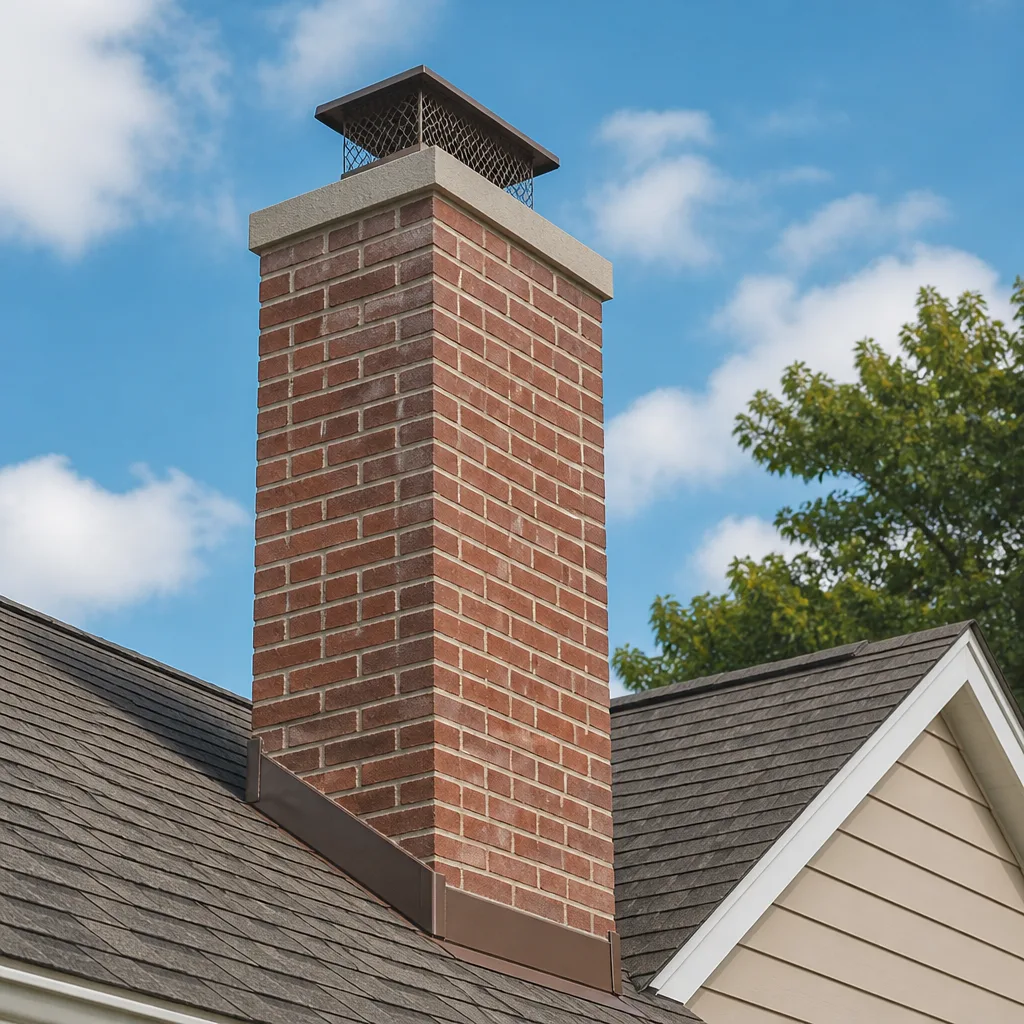 Masonry repair
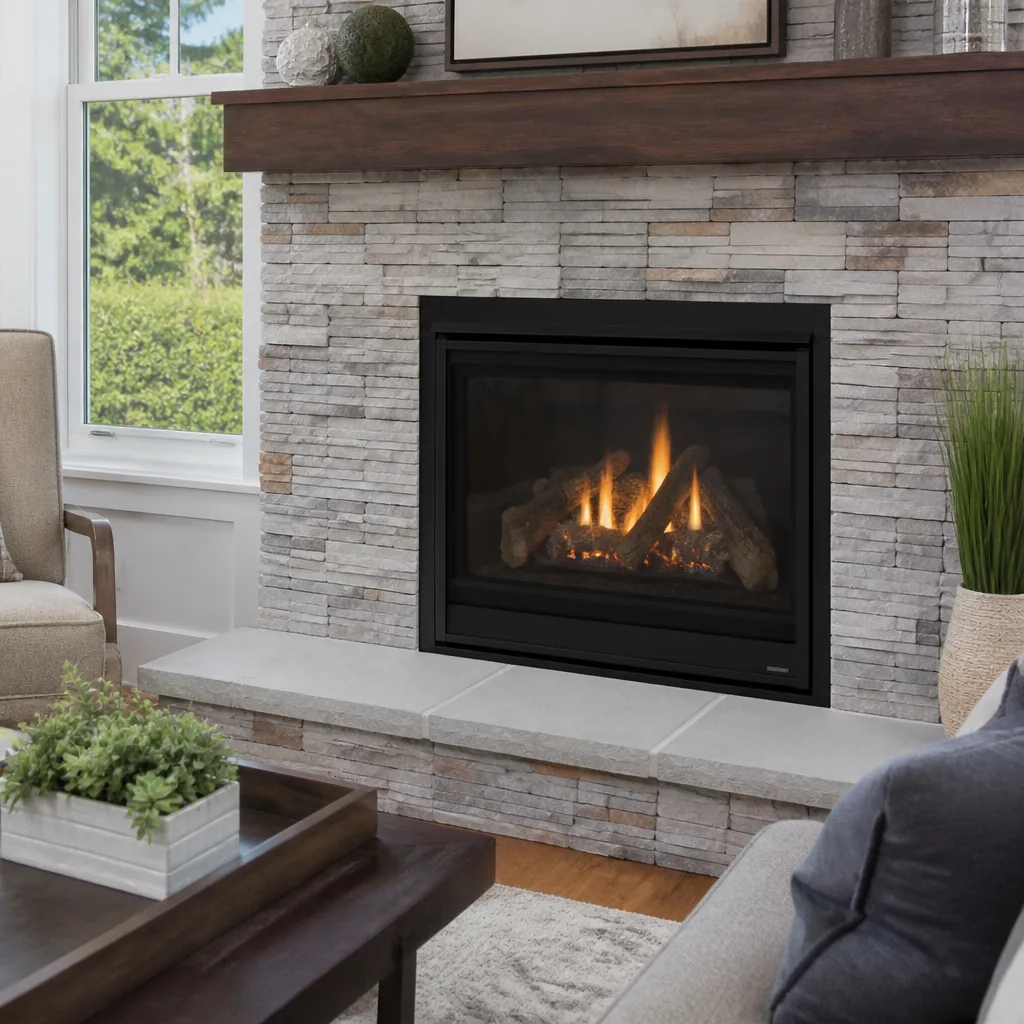 Gas fireplace service
Level 1 sweep and inspection to the NFPA 211 annual standard - flue, crown, cap, and flashing checked and photographed
Chimney sweep logs do not sweep chimneys. They loosen some creosote - which then falls where a brush and vacuum still have to collect it.
Chimney Sweep Maintenance Checklist for Lynn Homeowners
If your chimney maintenance checklist doesn’t include the flashing, the crown, and the liner, it’s not a chimney checklist, it’s just a wishlist. Most of the advice homeowners get about chimney care is a calendar: sweep in fall, done. That schedule ignores the two things that actually decide when a chimney needs attention – how the flue is being used and what condition each component is in right now. A wood-burning fireplace in a Lynn triple-decker and a gas insert in a newer colonial don’t age the same way or fail the same way. This guide walks through every part of a chimney system worth checking, the condition thresholds that trigger action, and how to document it all so a home sale or an insurance claim goes smoothly.
Quick Answer
A chimney maintenance checklist in Lynn should cover sweeping based on creosote buildup (at roughly 1/8 inch or more), an annual professional inspection, and a visual check of the crown, flashing, damper, smoke chamber, and liner. What shifts the schedule is not the month on the calendar but how the chimney is used and what those components look like. Condition, not dates, should drive the plan.
Styles & brands we work with
- Sweep & inspection
- Caps & crowns
- Flue relining
- Masonry repair
- Gas fireplace service
Table of Contents
- Condition-Based Triggers vs. Calendar Reminders
- The Five Components Most Lynn Homeowners Never Check
- How to Do a Credible Pre-Season Check from the Ground
- Wood, Gas, and Pellet: Different Chimneys, Different Checklists
- Documentation That Protects You at Sale and Claim Time
- What a Professional Inspection Actually Covers
- A Seasonal Rhythm That Fits New England Weather
- Where DIY Checks End and Professional Work Begins
Condition-Based Triggers vs. Calendar Reminders
Calendar reminders are better than nothing, but they’re a blunt instrument. “Sweep every October” assumes every chimney loads up creosote at the same rate. That’s not how it works. A fireplace burned three nights a week with seasoned hardwood produces a much thinner glaze than one running unseasoned wood in a damp basement, or one burned wide open with the damper half shut. The condition of the flue tells you when it needs sweeping. The date on the wall doesn’t.
Condition-based maintenance means you look at the chimney’s actual state and let that decide the schedule. That state has a few observable signals.
- Creosote thickness: visible buildup of 1/8 inch or more inside the flue is the standard threshold for sweeping. Below that, you can usually wait.
- Draft quality: a fire that smokes into the room, smells back into the house, or struggles to light is signaling restricted airflow, which can come from soot loading, a blocked cap, or a failing damper.
- Exterior condition: crumbling mortar at the crown, spalling brick, loose flashing, or a rusted cap all move a chimney into the repair category, not the cleaning category.
- Smoke smell on warm days: when the fireplace hasn’t run for weeks and the house still smells like ash, that’s often a creosote or moisture problem worth a look.
- Weather intrusion: water stains on the ceiling near the chimney, damp firebox walls, or rust in the firebox signal flashing or crown failure.
A calendar reminder is still useful as an anchor – it prompts you to go look. But the trigger is the condition. That’s the difference between a maintenance plan and a placeholder. Sweep chimney sweep work should always be tied to what the flue looks like, not what month it is.
Why This Matters More in an Older Housing Stock
Lynn has a lot of older homes – triple-deckers, colonials, and Victorians converted more than once, many with chimneys shared between units or retrofitted with inserts in the last couple of decades. Those older chimneys tend to show their age in specific spots: the crown, the flashing where the chimney meets the roof, and the mortar joints. A homeowner who only sweeps on a schedule may go years without a hard look at any of those. Condition-based inspection catches them before they become expensive.
The Five Components Most Lynn Homeowners Never Check
Ask a homeowner what a chimney checklist covers and most will say “the flue” or “the firebox.” The five components below are the ones that get skipped most often and cost the most when they fail. Each has an identifiable failure mode and a condition threshold that tells you when it needs repair rather than another sweeping.
1. The Crown
The crown is the sloped cap of concrete at the top of the chimney that sheds water away from the brick. It fails by cracking. Once water can enter through a crack, it freezes, expands, opens the crack further, and pulls mortar out of the surrounding joints. Failure looks like visible hairline cracks, a crumbling or flaking surface, or missing chunks along the edge. If water pools around the flue instead of shedding off the crown, that’s a repair trigger. A properly built crown sheds, doesn’t pool.
2. The Smoke Chamber
The smoke chamber is the sloped area just above the damper that funnels smoke from the firebox into the flue. Older construction often left it rough and corbelled, which catches creosote. Failure looks like heavy soot accumulation on the walls, rough or stepped masonry instead of a smooth funnel, or visible gaps in the parging. The smoke chamber is one of the hardest parts of a chimney to inspect because it can’t be seen from the firebox or from the top. That’s where a camera inspection earns its keep. HeatShield resurfacing is often the workhorse repair here, restoring a compromised smoke chamber or flue back to a smooth, sealed surface without tearing out the whole liner.
3. The Damper Plate
The damper is the metal plate inside the firebox that opens and closes the flue. It fails by rusting, warping, or losing its seal against the frame. Failure looks like a plate that no longer opens fully, a plate stuck in one position, visible warping or gaps, or a fire that burns hot and fast or smokes into the room regardless of how you adjust the damper. If the plate doesn’t close flush and seal against the frame, it’s no longer doing its job. That’s a repair item, not a cleaning item.
4. The Liner
The liner is the flue inside the chimney – the conduit that carries smoke and gases up and out. Clay tile liners fail by cracking, spalling, and separating at the joints. A stainless liner fails by rusting through or losing its connection. Failure looks like visible cracks or gaps in the tile joints, flakes of tile in the firebox, a corrosion smell, or combustion gases that seem to be backing into the house. Any crack or gap is a safety concern, not a cosmetic one. Relining may be needed, and that’s where professional-grade components matter. DuraFlex flexible liners are the kind of professional-grade product we specify for relining work because they hold up under the heat cycling a working chimney sees, which is a different standard than a generic component chosen to hit a price.
5. Exterior Flashing
Flashing is the metal seal where the chimney meets the roof. It fails by pulling away from the masonry, lifting out of the roof, or corroding through. Failure looks like a gap between the flashing and the chimney, missing fasteners, lifting metal, or staining on the ceiling near the chimney line inside. In New England, the freeze-thaw cycle works hard on flashing. If water can get under it, it will track down into the attic and into the wall cavity.
How to Do a Credible Pre-Season Check from the Ground
You don’t need to climb a roof to get a useful read on your chimney. From the ground, with binoculars and a flashlight, a homeowner can gather enough information to know whether it’s time for a professional visit. The goal here isn’t to diagnose the chimney – it’s to see the surface clearly enough that you’re calling a professional from real information rather than guesswork.
- Start at the firebox. Look up the flue with a flashlight. You’re checking for visible soot loading, cracked tile faces, or flakes of masonry falling back down. Do not reach up into the flue or try to remove anything yourself – the flue is a life-safety system, and the parts you can’t see are the parts that matter most.
- Open the damper and check its action. It should open fully, close fully, and sit flush against the frame. A plate that hangs, grinds, or doesn’t seal is telling you something.
- Inspect the firebox walls and base. Look for crumbling mortar, cracks wider than a hairline, rust, or water stains. Any of these warrant a professional look.
- Step outside and look at the roof line. With binoculars, check the chimney cap, crown, and flashing. You’re looking for a rusted or missing cap, a cracked crown, or flashing that’s visibly lifted or separated.
- Check the attic. If you have attic access, look at the underside of the roof where the chimney passes through. Water stains, dampness, or daylight are all evidence of a flashing problem.
- Note the smell. When a chimney is cold, does it smell strongly of smoke or creosote? That’s an indicator worth mentioning to a professional.
- Write it down. Keep a simple log with the date of each check and what you saw. This becomes the start of the documentation file below.
That’s it. A ground-level inspection shouldn’t include getting on the roof, opening anything up, or attempting to clean the flue. Those steps belong to a trained technician. Your job is to know the current condition; ours is to interpret and repair it.
Wood, Gas, and Pellet: Different Chimneys, Different Checklists
The single biggest reason a generic chimney checklist fails Lynn homeowners is that it treats every chimney as a wood-burning chimney. A gas insert, a wood-burning fireplace, and a pellet stove have fundamentally different failure modes and require different maintenance rhythms. In many Lynn homes, more than one of these is in play across different units or even different fireplaces in the same house.
Wood-Burning Fireplaces
- Creosote is the main concern. Wood smoke deposits creosote on the flue walls, and enough of it becomes flammable. Sweep based on buildup, not a set month.
- Seasoned wood matters. Burning unseasoned or damp wood loads the flue faster. If you’re not sure about moisture content, get a moisture meter and check before you burn.
- Annual inspection is the baseline. Even if the flue isn’t due for sweeping, an inspection catches structural problems before they get expensive.
Gas Inserts and Gas Fireplaces
- Creosote isn’t the concern – the venting system is. Gas appliances produce moisture and mild acidic condensate that can corrode metal venting over time. The checklist item here is checking the vent for corrosion, blockage, and correct draft.
- The insert itself needs inspection too. Burner condition, flame pattern, and the vent connection are all things a professional checks. That’s outside a sweep-only visit.
- Carbon monoxide risk is the reason to stay current. A blocked or corroded gas vent can put combustion gases back into the house. This is a life-safety system, and it deserves an annual professional eye.
Pellet Stoves
- Ash is the main buildup. Pellet stoves load the flue with ash and light soot faster than a wood fireplace does, and the venting can clog if it isn’t cleaned out at the right interval.
- Venting configuration matters. Pellet stoves often vent through a smaller flue than a wood fireplace, which means it reaches a “needs cleaning” condition faster than the calendar would suggest.
- Gaskets and door seals are part of the checklist. A leaking door gasket hurts burn efficiency and can let smoke into the room when the stove is off.
If your home has more than one type of chimney appliance, don’t try to run them on one schedule. Each gets its own condition-based checklist and its own documentation. When the time comes to schedule, our team handles chimney sweep and inspection work under one roof so nothing falls between two contractors. If you’d like to talk through the schedule for a mixed system, our Lynn service team can walk you through it.
Documentation That Protects You at Sale and Claim Time
Massachusetts home sales and insurance claims both run on documentation, and a chimney is one of the components that draws the most scrutiny. A buyer’s home inspector will typically flag a chimney that hasn’t been inspected recently, and an insurer evaluating a claim will want to know the chimney was maintained on a reasonable schedule. That’s why documentation belongs in the checklist from the start – not assembled after a problem shows up.
What to keep in your chimney file:
- Dated inspection reports. A written inspection report with the date, what was checked, and what was found. If you sell the home, this is the document a buyer’s inspector asks for.
- Sweeping records. The date and the technician’s note on condition at the time. This shows the chimney was maintained.
- Repair records. What was repaired, what materials were used, and when. This matters especially if the repair involved a liner or crown – insurers care what the chimney was rebuilt or resurfaced with.
- Photos. Before-and-after photos of any repair, plus photos of the crown and flashing at inspection time. Photos corroborate the written report if a claim or a sale later puts the chimney’s condition in question.
- Your own ground-level log. The simple list from the pre-season check above. It’s not a substitute for a professional inspection, but it documents that the homeowner was paying attention.
There’s a homeowner-side habit worth building here. Every time a technician visits for any reason, save the paperwork in one folder or one digital file named with the date. If the home ever goes on the market or the chimney suffers damage, you’ll have the record in one place rather than scattered across email. When we inspect a Lynn chimney, we include written documentation suitable for real estate transactions and insurance requirements because that’s what the situation actually calls for – a report a buyer’s attorney or an adjuster can read.
What a Professional Inspection Actually Covers
A professional chimney inspection isn’t one service, it’s a tiered one. Knowing what each tier covers helps a Lynn homeowner ask for the right visit and understand what shows up in the report. The tiers are commonly described as Level 1, Level 2, and Level 3.
Level 1 Inspection
A Level 1 inspection is the standard annual visit. It covers readily accessible portions of the chimney – the firebox, the damper, the accessible flue, the exterior chimney structure from ground level, and the cap. It doesn’t require a camera and doesn’t involve opening up anything. It’s the baseline for a chimney under regular use with no known problems.
Level 2 Inspection
A Level 2 inspection is more thorough. It’s required when the property changes hands, when the appliance type changes (adding a gas insert, converting a fireplace, installing a pellet stove), or after any chimney fire or structural event. It includes a camera inspection of the flue, which is what lets a technician actually see the smoke chamber and the interior of the liner. That camera view is where the real evidence lives. If a technician tells you that you need liner work or a smoke chamber repair, they should be able to show you the camera footage and photos of what they found. A recommendation without visible evidence isn’t a recommendation – it’s a guess.
Level 3 Inspection
A Level 3 inspection is diagnostic, done when a serious problem is suspected and getting to the bottom of it means opening up parts of the chimney that aren’t normally accessible. It’s the least common tier and only happens when Levels 1 and 2 have raised a specific concern that can’t be answered without opening something up.
One more piece of the checklist worth building into your plan: ask for a camera inspection and a photo report every time. If your chimney inspection returns no findings beyond regular cleaning, that’s the ideal outcome and worth saving as the record. If it returns findings, you should have photos to review and the option to ask questions before deciding on repair. Standalone inspection as its own service – separate from sweeping – matters here, because it lets you get a clean assessment with documentation without tying it to a cleaning schedule. If you’re being told you need work, ask to see the camera footage before you approve anything.
A Seasonal Rhythm That Fits New England Weather
The New England climate gives Lynn homeowners a natural anchor for their chimney plan – not because the calendar dictates the work, but because it dictates when the chimney is stressed. Building the checklist around that rhythm makes the plan easy to keep.
- Late summer, before the season starts. This is the right time for the annual inspection and a sweep if the flue is loaded. Doing it in warm weather means you’ll catch any deferred repair before the first cold snap when every chimney in the region gets scheduled at once.
- Early fall, after heavy rain. This is the best window for a ground-level check of the crown and flashing. Water intrusion shows up after rain, not before. Cracks and lifted flashing are easiest to spot when they’ve just been wet.
- Mid-winter, quick interior checks. Firmly insert your damper, watch for smoke coming back into the room, and note any new smell. These are fast interior checks that flag a developing problem without a professional visit.
- Late winter, close-out check. The freeze-thaw cycle works on the exterior of the chimney all season. Look at the crown and flashing again from the ground before the snow fully clears.
- Spring, final assessment. If anything’s changed through the winter, spring is the right time to schedule a professional inspection. Repairs done in warmer months finish faster and easier than urgent winter repairs.
The rhythm is a prompt, not a rule. If your firebox sees heavy use, or you’ve noticed any of the failure signals in the sections above, an off-season professional visit is a good idea regardless of where you sit in this cycle. What matters is that the plan is being run and the records are being kept, in that order.
Where DIY Checks End and Professional Work Begins
A homeowner can absolutely do the inspection and documentation parts of this checklist. Cleaning the flue, repairing the crown, reflashing the chimney, and relining are a different matter. The reason isn’t just the height – it’s the equipment and the safety margin.
Creosote sweeping requires rods, brushes sized to the flue, drop cloths that actually seal the firebox, and a working knowledge of the liner’s construction. A homeowner working from a hardware store brush set can damage a clay tile liner without realizing it, which turns a $200 cleaning job into a relining job. A crown repair requires matching the right mortar and rebuilding the slope so it sheds water the right way – a badly sloped crown fails faster than the one it replaced. Flashing repairs involve roof work and sealing details specific to the chimney type. And any liner work – whether it’s HeatShield resurfacing or a full DuraFlex reline – belongs to a technician who can inspect, verify, and document what was done.
For gas and oil connected systems, the safety line is even starker. Anything past the visual check of the vent is professional trade work because a compromised vent is a carbon monoxide risk. That’s not a place to experiment.
Where you draw the line: inspection yes, cleaning and repair no. That’s the divide that lets a homeowner keep a real checklist without putting themselves at risk. If you’re ready to schedule the professional half, our Chimney Sweep Lynn team handles inspection, sweeping, and repair under one accountability.
Common Mistakes to Avoid
- Running on a calendar instead of condition. Sweeping every October without checking the flue means you may sweep too often one year and not often enough the next. Let the creosote thickness and the damage signals drive the schedule.
- Skipping the crown and flashing in the checklist. These are the two parts that fail first on a Lynn chimney because of the freeze-thaw cycle. A checklist that only covers the flue leaves the most common repair undone.
- Assuming a gas insert doesn’t need a chimney check. Gas produces moisture and acidic condensate that corrodes the vent, and a blocked vent is a carbon monoxide risk. Gas appliances still need an annual professional vent inspection.
- Burning unseasoned wood. Damp wood loads creosote onto the flue faster than anything else. It’s one of the few checklist items where the fix is in the homeowner’s hands.
- Accepting a repair recommendation without seeing the evidence. If a technician says you need liner work, ask to see the camera footage and photos. A recommendation without visible evidence to back it up is a guess – and one you’re paying for.
- Not keeping records. Home sales in Lynn emphasize the chimney, and Massachusetts insurers want documentation when there’s a claim. Save the inspection reports, sweeping records, and repair records somewhere findable.
- Climbing the roof to check the chimney yourself. The professional check from ground level with binoculars gives you most of the information. Getting on the roof to inspect the cap and crown yourself is a fall risk that outweighs the information gained.
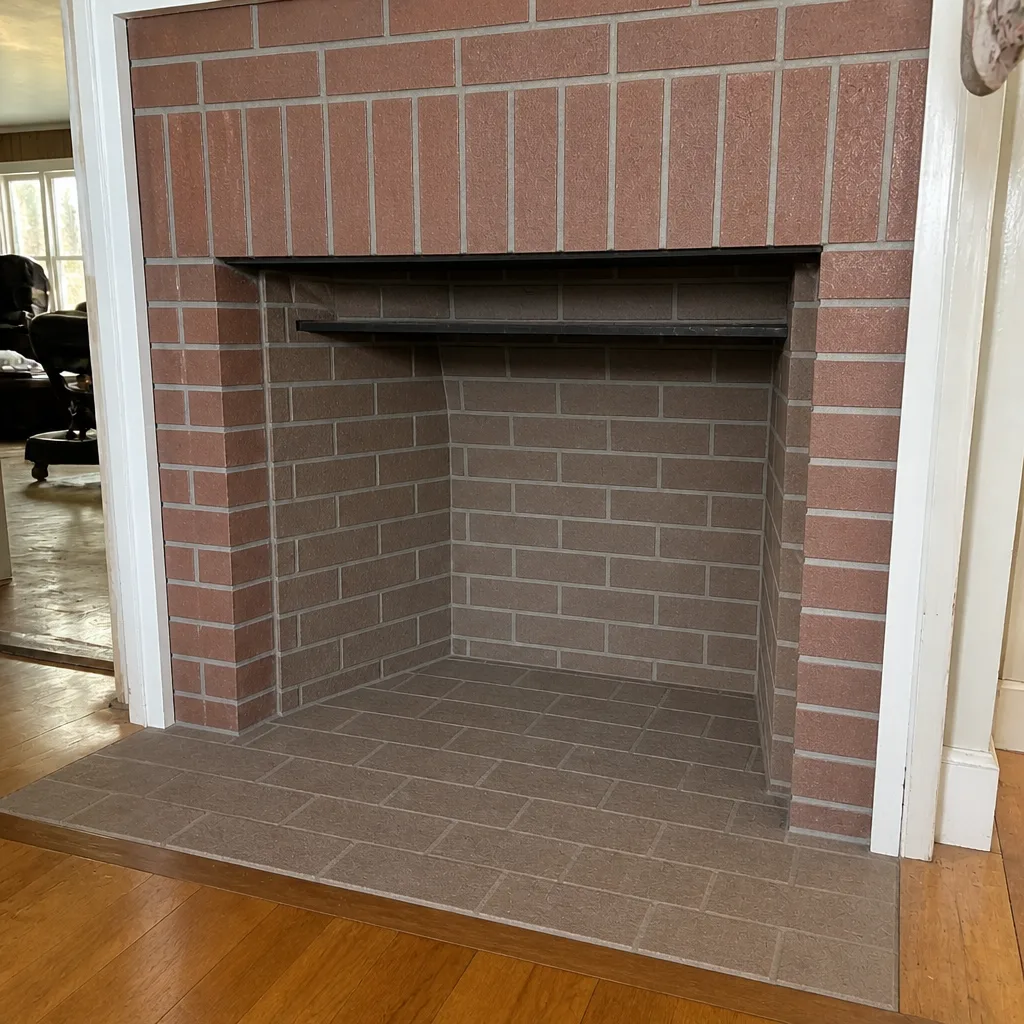
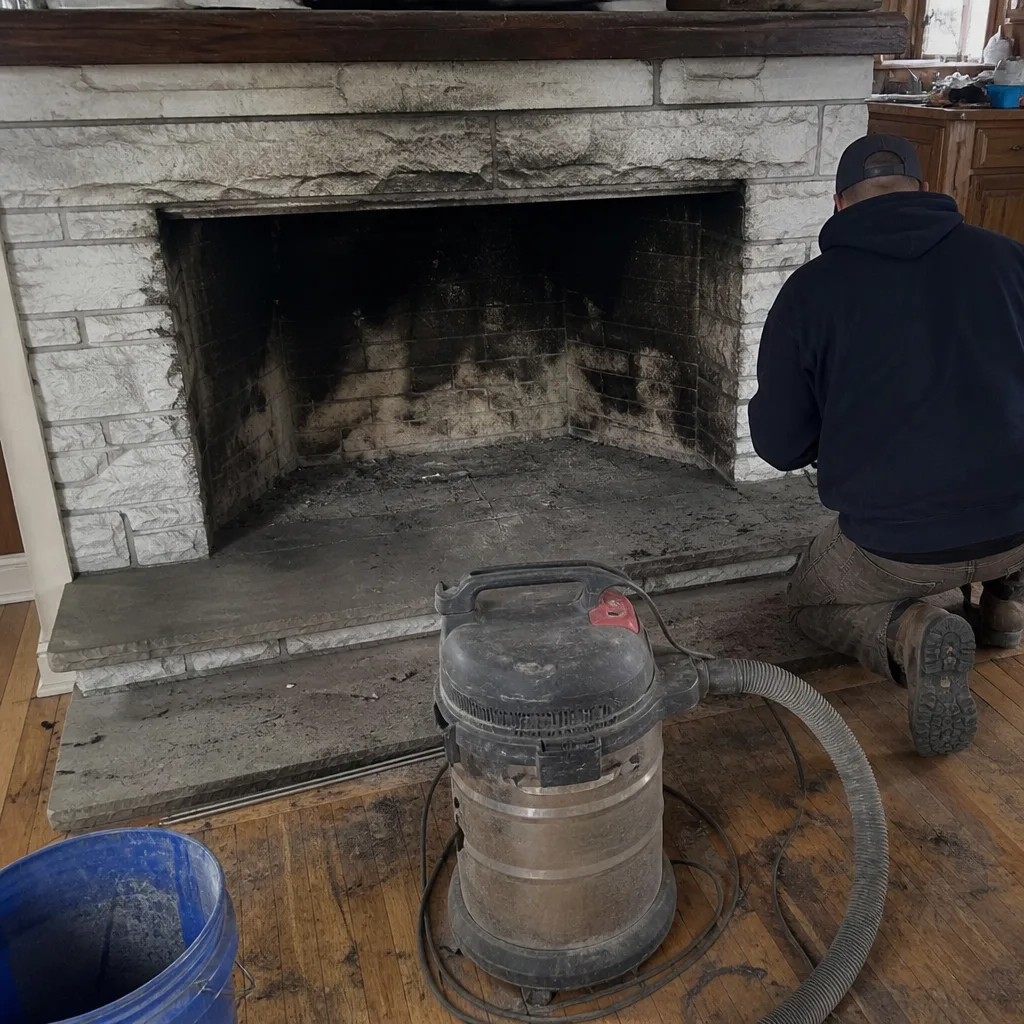
See the difference
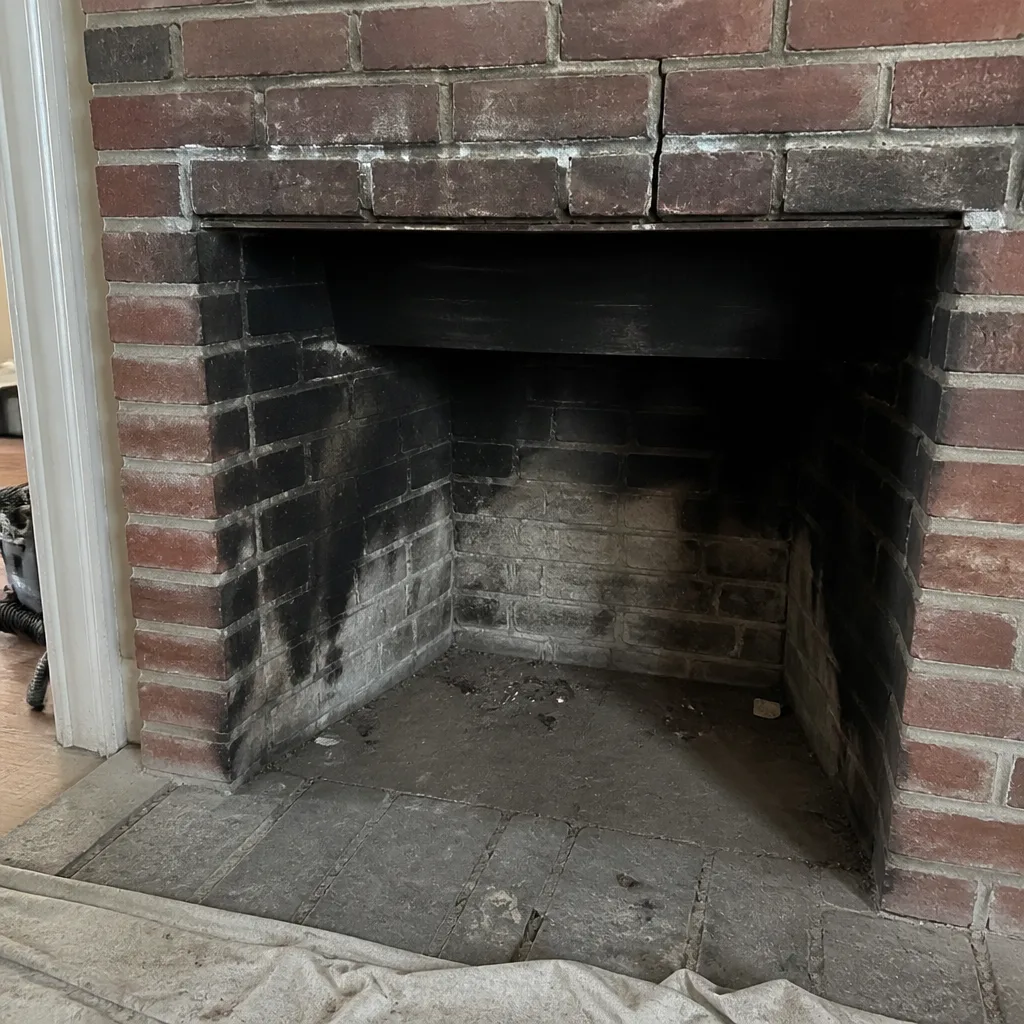 Before
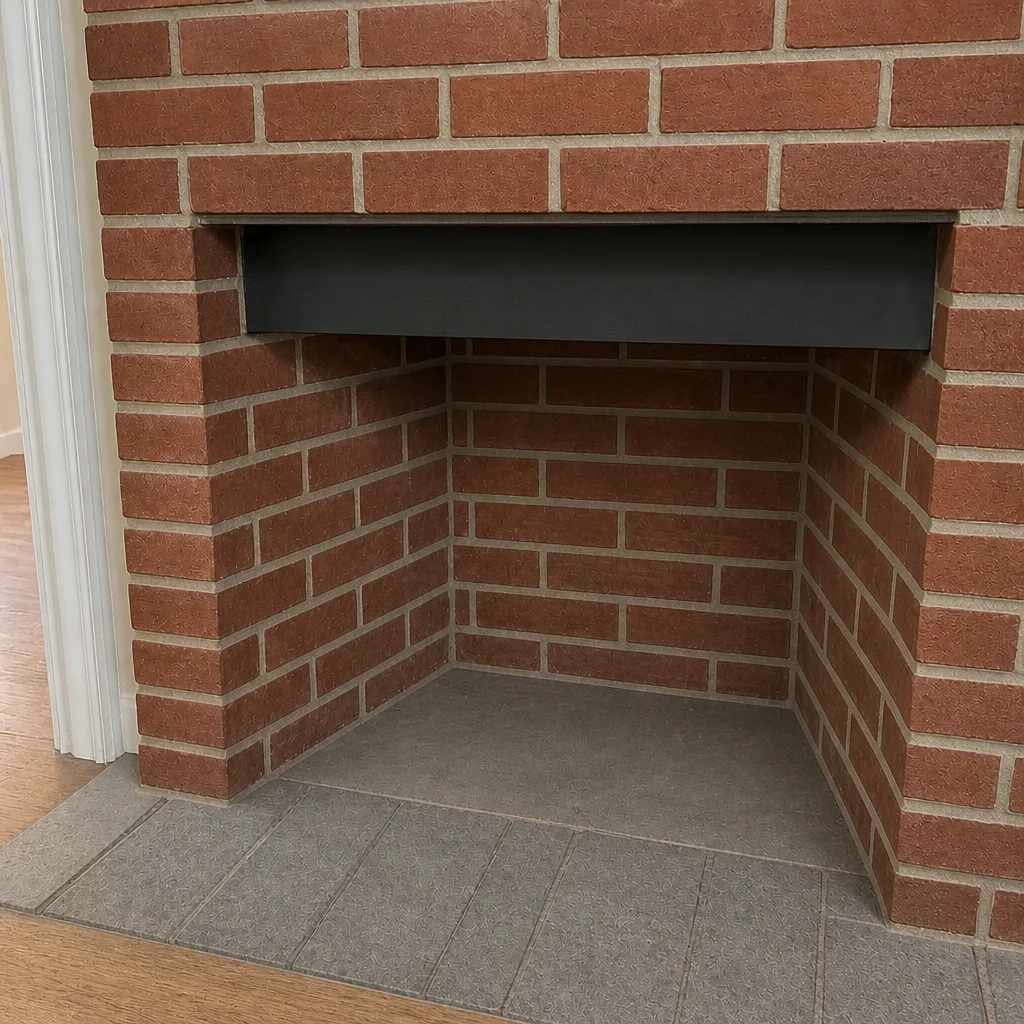 After
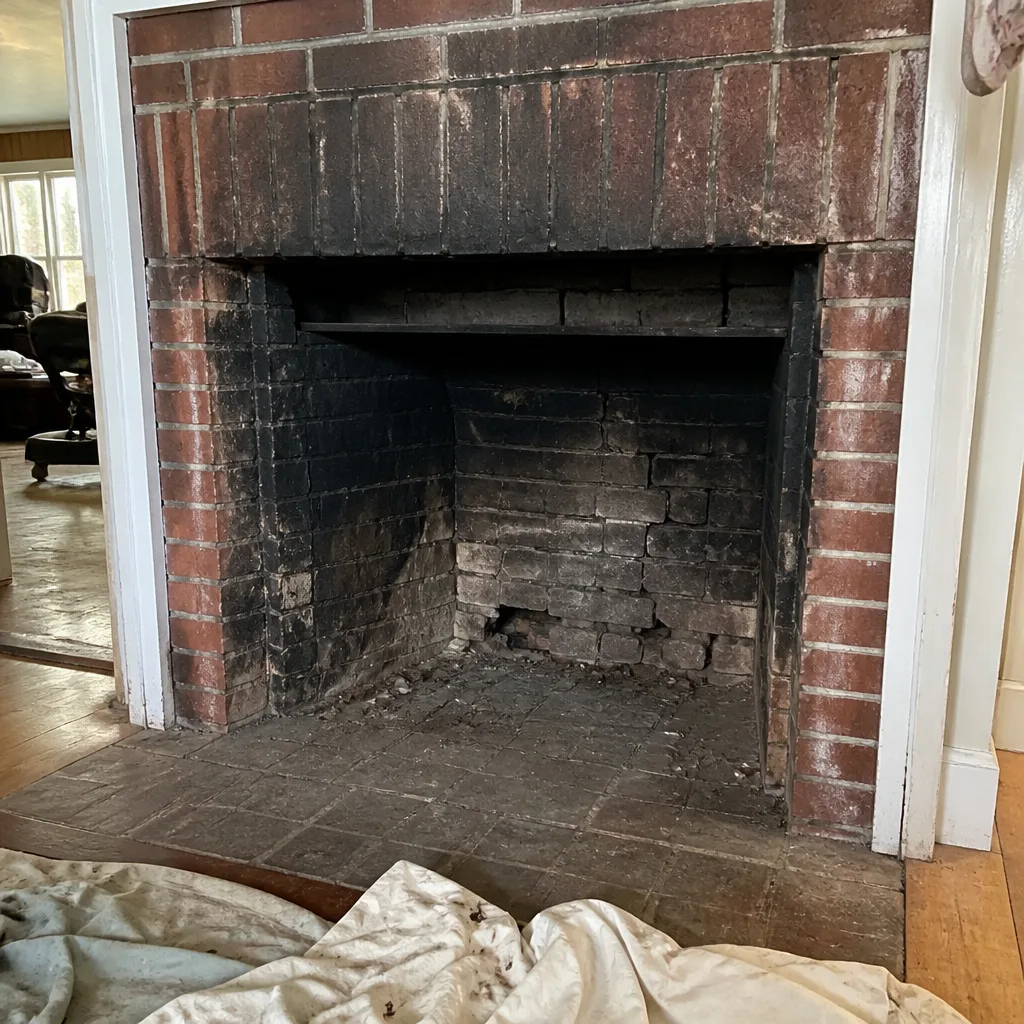 Before
 After
 Before
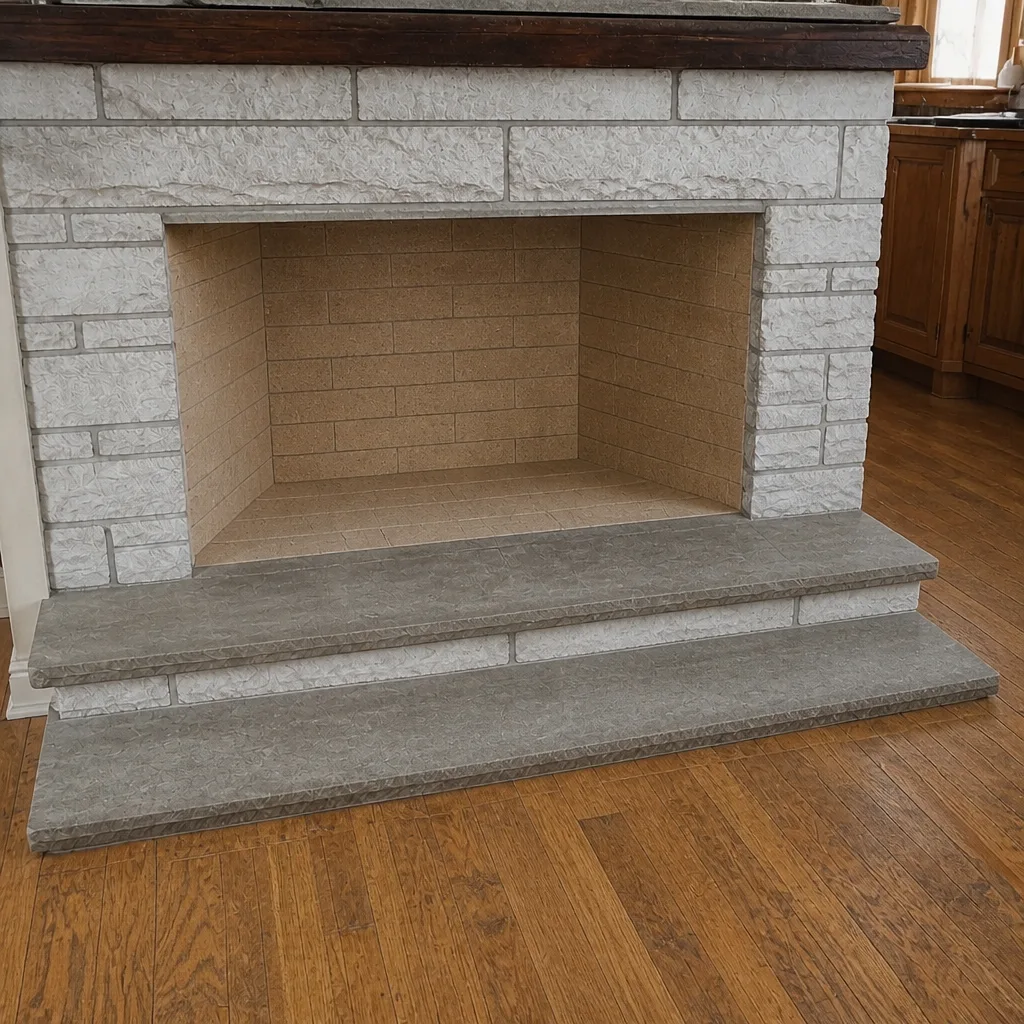 After
When to Call a Professional
Call a professional any time you see: a creosote layer in the flue at 1/8 inch or thicker, visible cracking or spalling inside the firebox or flue, a crown with cracks wide enough to catch a coin, flashing that has visibly pulled away from the chimney, or a fire that smokes into the room regardless of the damper. Call too if you’ve converted the fireplace to a gas insert or pellet stove, if you’re buying or selling a Lynn home and need inspector-ready documentation, or if the chimney hasn’t had a professional inspection since you took ownership. For any of these, Chimney Sweep Lynn offers free estimates in Lynn – call (833) 922-2686. We answer 24/7. Fast dispatch from 7am to 7pm, Sunday through Friday. Or if you want to start with the sweep itself, our chimney sweep in Lynn service is the standard first step.
Frequently Asked Questions
A chimney should be swept whenever the creosote buildup reaches 1/8 inch or more, which for most Lynn homes under regular use works out to about once a year. Heavier use or unseasoned wood speeds that up; lighter use can stretch it. The flue’s condition decides, not the month. Call (833) 922-2686 for a free estimate and we’ll tell you what your flue is telling us.
Yes. Gas appliances vent moisture and acidic condensate that can corrode metal venting over time, and a blocked vent is a carbon monoxide risk. A yearly inspection checks the vent, the insert, and the draft. It’s not a creosote issue – it’s a venting safety issue. Call (833) 922-2686 to schedule an inspection.
A Level 1 inspection covers readily accessible portions of the chimney with a visual check. A Level 2 adds a camera inspection of the flue and is required at property transfer, appliance change, or after a chimney fire. If you’re buying or selling a Lynn home, you likely need a Level 2 with written documentation. Call (833) 922-2686 to talk through which tier your situation calls for.
It depends on what the camera reveals. Some flues can be restored with HeatShield resurfacing instead of a full liner replacement, which is a real repair option that preserves the existing structure. Major damage or failed tiles usually call for a DuraFlex flexible liner. Either way, you should see the camera footage before approving the work. Call (833) 922-2686 for an inspection with a photo report.
Creosote builds up and becomes a fire risk, and cracks in the flue or crown let water and combustion gases escape into the house. Skipping maintenance doesn’t usually fail suddenly – it fails in stages, which is why the damage typically turns out to be larger than a scheduled cleaning would have been. Call (833) 922-2686 for a free estimate and we can assess the current condition.
You can do the inspection and documentation parts – the ground-level visual check, the damper test, the firebox look, and the seasonal log. Cleaning the flue, repairing the crown, and relining belong to a professional because the equipment and safety margin required aren’t things a homeowner can improvise. Call (833) 922-2686 any time you’re not sure which side a task falls on.
The Bottom Line
A chimney maintenance checklist is only as good as what it actually covers. If it stops at “sweep annually,” it’s leaving the crown, the smoke chamber, the damper, the liner, and the flashing out of the picture – the five components that fail most often in a Lynn home and cost the most to fix when they do. Drive the schedule with condition, check the exterior from the ground before the season, match the checklist to the fuel type, and keep the paperwork. Sweeping is part of the plan; structural inspection and chimney repair are the parts that turn a wishlist into a system. If the plan needs professional eyes this season, call (833) 922-2686 for a free estimate at your Lynn home. We answer 24/7. Fast dispatch from 7am to 7pm, Sunday through Friday.
Written by the team at Chimney Sweep Lynn.