
Last updated November 16, 2026
 Sweep & inspection
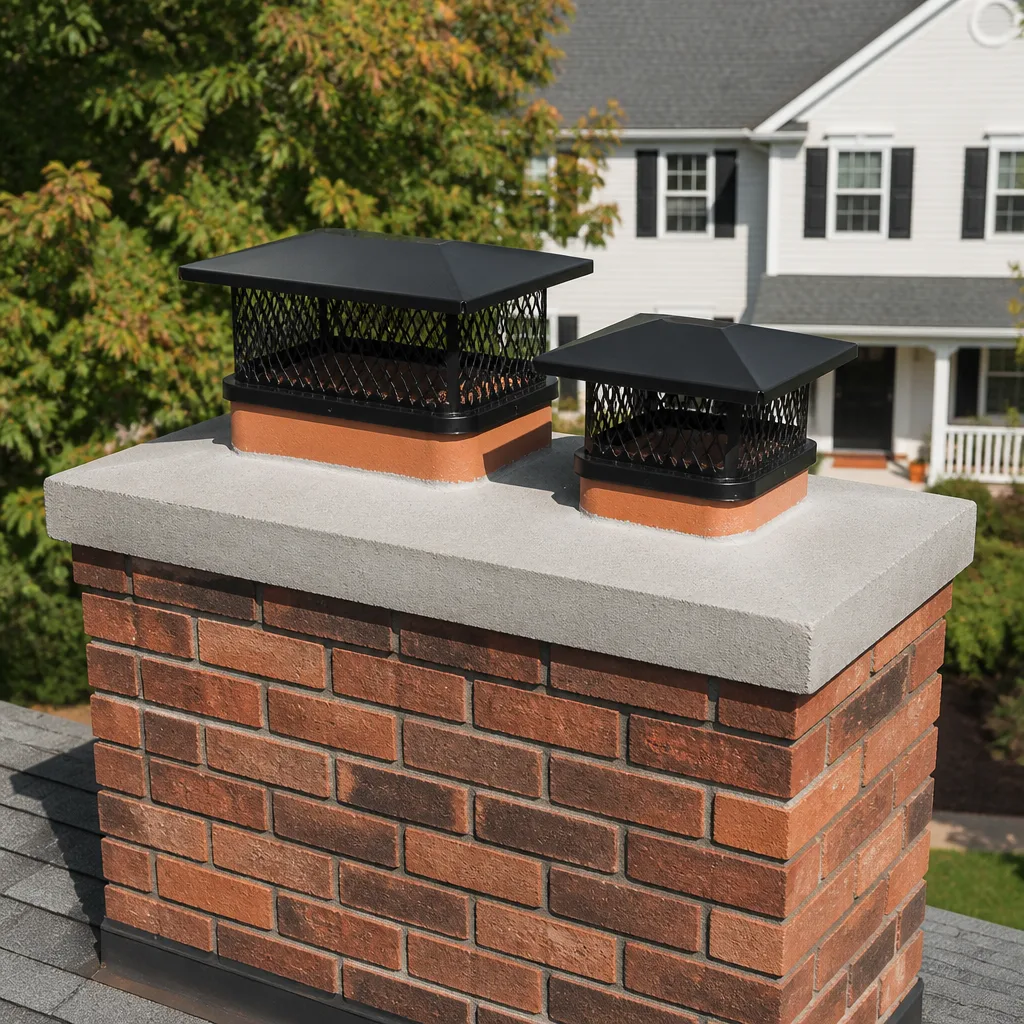 Caps & crowns
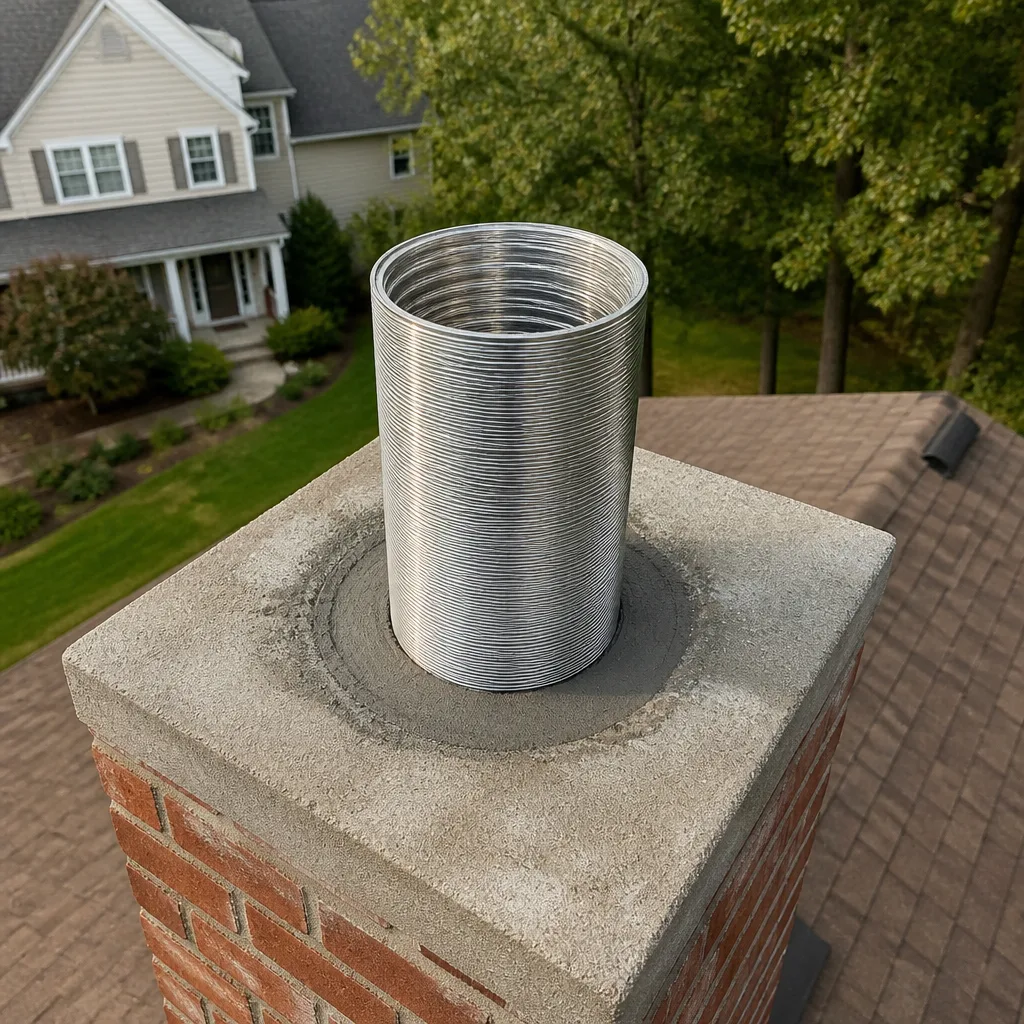 Flue relining
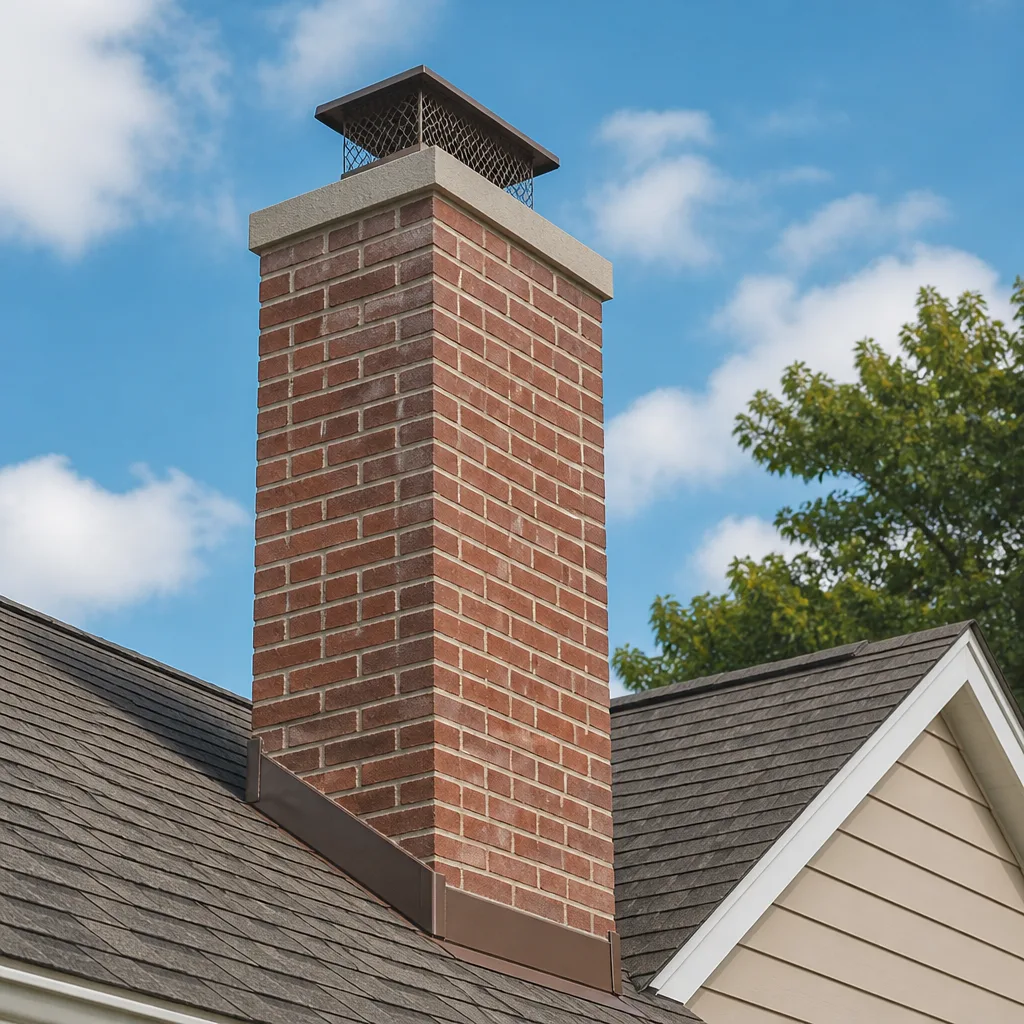 Masonry repair
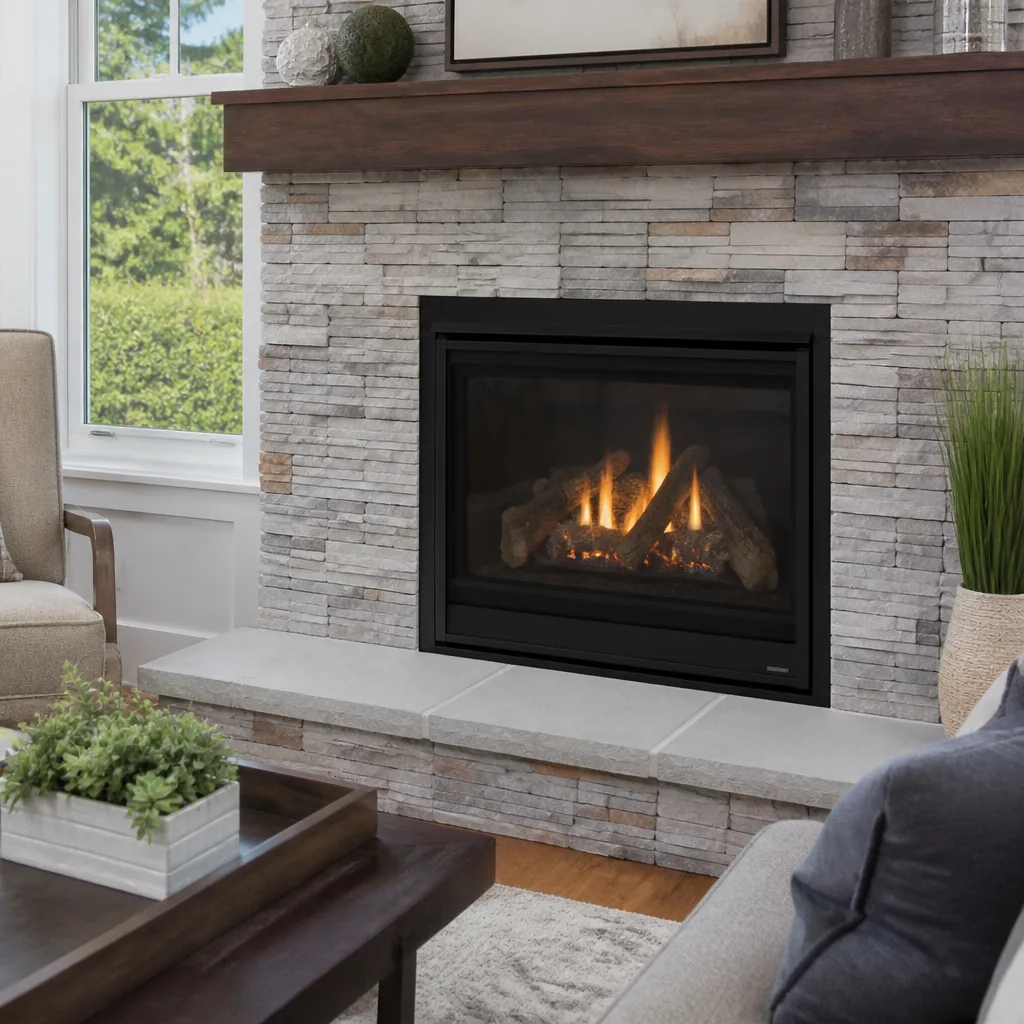 Gas fireplace service
Level 1 sweep and inspection to the NFPA 211 annual standard - flue, crown, cap, and flashing checked and photographed
Chimney sweep logs do not sweep chimneys. They loosen some creosote - which then falls where a brush and vacuum still have to collect it.
DIY vs Professional Chimney Cleaning: The Lynn Homeowner’s Decision Guide
You can sweep your own chimney and still have a creosote problem. That surprises people, and it’s the whole reason this debate is harder than it looks. A brush removes what it can reach, but the dangerous stuff – the hardened, glazed creosote that fuels chimney fires – doesn’t come off with more elbow grease. It comes off with chemistry, or it doesn’t come off at all. This guide maps exactly where the DIY line ends and where professional work becomes the only real option, with the local details Lynn homeowners actually need to make the call.
Styles & brands we work with
- Sweep & inspection
- Caps & crowns
- Flue relining
- Masonry repair
- Gas fireplace service
Quick Answer
DIY chimney cleaning can remove loose soot and light ash from an accessible flue, but it cannot safely remove glazed creosote, evaluate a liner, or document the condition of your chimney for insurance or a home sale. Professional cleaning in Lynn combines brushing with camera inspection and a written assessment, which is why a sweep you do yourself can look clean and still leave a fire hazard behind. If your chimney has never been inspected or you’re seeing shiny, tar-like deposits, that’s professional territory.
Table of Contents
- What DIY Brushing Can and Cannot Remove: The Creosote Stage Breakdown
- The Equipment Gap: What a Camera, Draft Gauge, and Liner Probe Reveal
- Lynn’s Housing Stock: Where DIY Access Gets Physically Risky
- Liability and Insurance When You Clean Your Own Chimney in Massachusetts
- The Honest Cost-Benefit: When DIY Interim Work Makes Sense
- How a Professional Chimney Sweep Actually Works
- Inspection and Written Documentation: The Part DIY Can’t Replace
- Common Mistakes to Avoid
- When to Call a Professional
- Frequently Asked Questions
- The Bottom Line
What DIY Brushing Can and Cannot Remove: The Creosote Stage Breakdown
Creosote forms in stages, and each stage responds to different treatment. This is the part most DIY guides skip, and it’s the difference between a chimney that’s genuinely clean and one that only looks it.
- Stage 1 – soot and flaky creosote: Light, dusty, and brittle. A properly sized brush removes most of it. This is the stage a homeowner can realistically tackle with a brush and rods, provided they can safely reach the flue.
- Stage 2 – hardened, crusty deposits: Dense flakes or a crust bonded to the flue wall. A brush knocks some of it loose but leaves the bonded layer behind. Removing Stage 2 usually needs a rotary tool and, in many cases, chemical treatment.
- Stage 3 – glazed creosote: Shiny, tar-like, and baked hard onto the liner. A brush simply polishes the surface. This stage requires chemical removal, and it’s the stage most closely tied to chimney fires.
Here’s the point that matters for Lynn homeowners: you can’t tell which stage you’re dealing with from the firebox. Stage 3 creosote often hides higher in the flue, past the smoke chamber, where you can’t see it and your brush may not reach cleanly. That’s why the DIY-versus-professional question isn’t really about whether you can push a brush up a chimney. It’s about whether you can see what’s up there. When you can’t, cleaning becomes guesswork.
If your flue has glazed deposits, a brush is the wrong tool and chemistry is the right one. That’s also where liner resurfacing comes in for chimneys with compromised flue walls – restoring a damaged flue rather than tearing out the whole liner. It’s the kind of repair that only becomes visible after an inspection. A homeowner working blind won’t find it, and a sweep-only service won’t fix it. Those two gaps are precisely why we insist on one specialist covering the full chimney lifecycle: sweeping, repairing, and inspecting under a single roof. If you want the short version of that service, see our chimney sweep page.
The Equipment Gap: What a Camera, Draft Gauge, and Liner Probe Reveal
The equipment a professional brings isn’t decoration. Each tool answers a specific question a homeowner can’t answer by looking up the flue with a flashlight.
- Inspection camera: A flexible camera run up the flue shows the condition of the liner, the smoke chamber, and the offset sections you can’t see from below. It reveals cracking, gaps, and heavy creosote deposits higher up.
- Smoke draft gauge: This measures whether your chimney is actually pulling combustion gases up and out as it should. Poor draft means smoke and carbon monoxide can spill back into the room instead of venting outside.
- Liner probe: A probe checks the thickness and integrity of the flue lining. A compromised liner is a fire and CO pathway into the house structure, and it’s not something you can spot from the firebox.
None of these tools has a realistic homeowner equivalent. A phone camera on a stick can sometimes give you a rough look, but it can’t measure draft, probe a liner, or tell you whether a hairline crack is a cosmetic issue or a real breach. That’s the core of the DIY limitation: not the ability to clean, but the ability to evaluate.
This is also where professional-grade materials matter. When an inspection turns up a problem, the repair has to be built from components that are traceable and warrantied – flexible liner systems like DuraFlex, flue resurfacing through HeatShield, and caps and venting built from Gelco and Famco parts. The point isn’t to name brands for their own sake. It’s that a repair is only as good as the parts inside it, and a homeowner can’t see those parts once they’re installed. Specifying recognized brands is how you know the job was built to last, not built to the lowest bid.
Lynn’s Housing Stock: Where DIY Access Gets Physically Risky
Lynn’s mix of older housing – multi-family buildings, dense neighborhoods, and plenty of chimneys that have been added to or modified over the decades – creates configurations where DIY access stops being a chore and starts being a physical risk. The chimney layouts themselves are the issue:
- Offset flues: Many older Lynn chimneys have a jog or offset where the flue changes direction. A brush pushed up from the firebox can bind, jam, or break off in an offset section, leaving debris lodged in the flue. Retrieving it is a professional job.
- Shared masonry in multi-families: Multi-family buildings often route multiple flues through a single masonry structure. Working on one without knowing how the flues relate to each other risks disturbing a neighbor’s flue or misreading which flue serves which unit.
- Low-clearance attic runs: Some chimneys pass through attic spaces with tight clearance to framing and insulation. A DIY sweep working near combustible framing with a chimney full of creosote is one loose spark from a problem. Roof access on these runs adds fall risk on top of it.
Lynn’s winters matter here too. Cold, long heating seasons mean the chimney runs hard for months, building creosote faster than a mild-climate chimney would. That’s not a reason to panic. It’s a reason to inspect more carefully, because the deposits build up faster than you might expect between cleanings.
If your chimney is on an offset flue, a shared stack, or a tight attic run, we’d rather you didn’t climb it yourself. The access is real work, and the risk of a jammed brush or a fall outweighs the savings. For structural issues a sweep turns up, our chimney repair service handles the fix in the same service relationship, so you’re not chasing down a second contractor for one chimney.
Liability and Insurance When You Clean Your Own Chimney in Massachusetts
This is the section most DIY guides avoid, and it’s the one with real consequences. When you clean your own chimney, you become the person responsible for its condition. If a chimney fire or a carbon monoxide incident follows, your insurer will ask who maintained the chimney and whether it was inspected.
Here’s how the pieces usually fall:
- Documentation matters after a loss: Insurers investigating a chimney fire or CO claim typically want proof of maintenance and inspection. A DIY sweep leaves no record. A professional inspection leaves a written report.
- Undetected defects are the weak point: A homeowner who cleans the flue but never inspects the liner can’t show the liner was sound. If a claim turns on a compromised liner, “I swept it myself” doesn’t answer the question.
- Real estate transactions want paper: When a Lynn home sells, buyers and their lenders often want documentation of chimney condition. A written inspection report is what satisfies that. A DIY cleaning doesn’t produce one.
We’re not telling you that cleaning your own chimney voids your policy. We’re saying the record matters, and an inspection is what creates the record. A standalone inspection with written documentation is exactly what a real estate transaction or an insurance requirement asks for, and it’s something you can hand over. That’s a practical reason to book a professional inspection even if you handle routine brushing yourself between visits.
The Honest Cost-Benefit: When DIY Interim Work Makes Sense
There’s a version of DIY that’s genuinely useful, and there’s a version that creates false confidence. The difference is whether you understand what you’re actually doing.
DIY interim maintenance makes sense in a few narrow cases:
- You’re clearing light, flaky Stage 1 soot between scheduled professional cleanings.
- Your chimney is a straight, accessible flue you can reach safely from the firebox without roof work.
- You’re doing it as a supplement to, not a substitute for, a professional inspection.
DIY creates false confidence when:
- You clean the flue but never look at the liner, smoke chamber, or draft.
- You assume a clean-looking firebox means a clean chimney.
- You skip the annual inspection because you “just cleaned it.”
The cost-benefit flips the moment you can’t verify what’s above the firebox. A professional sweep in Lynn combines cleaning with inspection, so you get both the clean flue and the assessment. Doing the brushing yourself gets you the first half and leaves you guessing on the second. The second half is the one that protects your home.
If you want a rough sense of what the two approaches look like side by side, the honest answer is that DIY saves on the cleaning line but spends the savings on the uncertainty. A professional visit resolves the uncertainty in one trip.
How a Professional Chimney Sweep Actually Works
If you’ve never seen a professional sweep, here’s what the process looks like from the inside. It’s more methodical than a brush on a rod, which is the point.
- Setup and protection: Drop cloths and containment go down before any tools come out. Soot travels, and the work area gets protected first.
- Pre-inspection: The technician checks the firebox, damper, smoke chamber, and flue access before cleaning, so nothing gets brushed into a blocked section.
- Brushing: Brushes sized to the flue remove loose soot and Stage 1 deposits. Rotary tools handle harder deposits where needed.
- Chemical treatment: Stage 2 and Stage 3 creosote gets chemical treatment, because a brush can’t remove glazed deposits.
- Camera inspection: A camera run up the flue checks the liner and upper sections the pre-inspection couldn’t reach.
- Draft and liner check: The smoke draft gauge and liner probe confirm the chimney is venting correctly and the liner is sound.
- Written report: You get documentation of what was found and what, if anything, needs attention.
That last step is where the professional approach earns its keep. We document what we find, in writing, so you have a record. If the inspection turns up a problem, the same specialist can handle the repair – using materials from DuraFlex and HeatShield for liner and resurfacing work, with Olympia Chimney components where they fit the system. You’re not managing multiple contractors for one chimney.
Inspection and Written Documentation: The Part DIY Can’t Replace
The cleanest way to think about it: cleaning is maintenance, inspection is diagnosis. DIY can do some of the first and none of the second. A written inspection report is the part you can hand to a buyer, an insurer, or a future technician, and it’s the part that tells you whether your chimney is safe to use.
What a proper inspection covers:
- The condition of the flue liner – cracking, gaps, and whether it’s still doing its job.
- The smoke chamber and damper, where creosote often hides.
- Draft performance and whether gases are venting correctly.
- The exterior – cap, crown, and masonry, where water damage starts.
- Clearances to combustible materials, especially in attic runs.
We offer inspection as a standalone service because not every chimney needs cleaning at the same time it needs inspection. If you’ve bought a home in Lynn and need to know the fireplace is sound before you use it, an inspection answers that. If your insurer or lender wants documentation, a written report satisfies it. If your chimney hasn’t been looked at in years, an inspection tells you what condition it’s in before you decide the next step.
Our technicians have up to 9 years of experience reading exactly these reports, and that experience is what separates a clean flue from a safe one. You can read more about our approach on Chimney Sweep Lynn, or keep reading for the mistakes we see most often.
Common Mistakes to Avoid
- Cleaning only the firebox and calling it done. The firebox is the easy, visible part. The dangerous deposits live higher in the flue where you can’t see them.
- Assuming a brush removes glazed creosote. Stage 3 deposits polish rather than come off. If your flue has shiny tar, you need chemistry, not more pressure.
- Buying an undersized or oversized brush. A brush that doesn’t match the flue either skips the walls or jams in the offset. Either way, the clean is incomplete or the brush is stuck.
- Working near attic framing without knowing clearances. Lynn’s older homes often have tight attic runs. Combustible framing near a creosote-coated flue is a fire risk you want identified, not a space to sweep around.
- Cleaning a shared multi-family flue without understanding the layout. In a shared masonry structure, disturbing the wrong flue can affect a neighbor’s unit. Know which flue serves which before any work.
- Skipping the annual inspection because you cleaned it yourself. Cleaning doesn’t reveal liner condition, draft, or clearances. Without an inspection, a swept chimney can still hide a breach.
- Using the wrong chemical for the wrong stage. Creosote treatments are stage-specific. Applying the wrong product to Stage 1 or Stage 3 can leave the dangerous deposits untouched while giving you a false sense of progress.
When to Call a Professional
Call a professional when your chimney has never been inspected, when you see glazed creosote, when your flue has an offset or a tight attic run, when you’re in a shared multi-family stack, or when you’re selling or buying a home and need written documentation. Call if you smell a strong smoke odor on cold days or notice poor draft – those point to venting problems a brush won’t fix. And call if you’ve handled routine brushing yourself but haven’t had the liner and smoke chamber evaluated in a while. Chimney Sweep Lynn offers free estimates in Lynn. Call (833) 922-2686. We answer 24/7. Fast dispatch from 7am to 7pm, Sunday through Friday. If you’re weighing a sweep against a repair, our Lynn page covers the local service picture.
Frequently Asked Questions
You can safely remove light, flaky soot from an accessible, straight flue, but you can’t safely clean glazed creosote or evaluate your liner without training and equipment. If your flue has an offset, a shared masonry stack, or a tight attic run, the physical risk of DIY work goes up and a professional clean is the safer choice.
Chimneys are commonly cleaned annually, and often more often for heavily used wood-burning fireplaces or anytime a visible layer of creosote builds up. Lynn’s long, cold heating seasons mean chimneys run hard for months, so annual inspection is the practical baseline. If you burn frequently, ask for an inspection each year and let the findings set the cleaning schedule.
Stage 1 is light, flaky soot a brush can remove. Stage 2 is hardened, crusty deposits that resist brushing and often need rotary tools or chemical treatment. Stage 3 is glazed, tar-like creosote that a brush only polishes and that requires chemical removal. Stage 3 is the most closely tied to chimney fires.
DIY cleaning doesn’t automatically affect a policy, but it leaves no documented record of maintenance or inspection. If a chimney fire or CO claim follows, insurers typically want proof of maintenance, and a written professional inspection is what supplies it. A standalone inspection gives you documentation you can hand to an insurer or a buyer.
No. A brush physically cannot remove Stage 3 glazed creosote because the deposits are baked onto the flue wall. Removing glazed creosote requires chemical treatment applied by a professional, and in some cases the flue needs resurfacing with a system like HeatShield to restore a compromised liner.
Multi-family buildings often share a single masonry structure across several flues, and working on one without understanding the layout risks disturbing a neighbor’s flue or misreading which flue serves which unit. That’s a professional assessment, not a homeowner chore. In older structures, clearances to framing and shared venting make the risk higher than in a single-family chimney.
The Bottom Line
DIY chimney cleaning isn’t useless. It can remove loose soot from an accessible flue, and it makes sense as interim work between professional visits. But the debate was never about whether you can push a brush up a chimney. It’s about what you can’t see, reach, or evaluate without a camera, a draft gauge, and a liner probe – and without the training to read what they show. In Lynn’s older housing stock, with its offset flues, shared masonry, and tight attic runs, the safe answer is a professional sweep that cleans, inspects, and documents. If a repair is needed, one specialist handles it with professional-grade materials rather than handing you off.
If you need a cleaning, an inspection, or a repair – or you just want to know what condition your chimney is really in – call (833) 922-2686 for a free estimate. We answer 24/7. Fast dispatch from 7am to 7pm, Sunday through Friday.
Written by the team at Chimney Sweep Lynn.
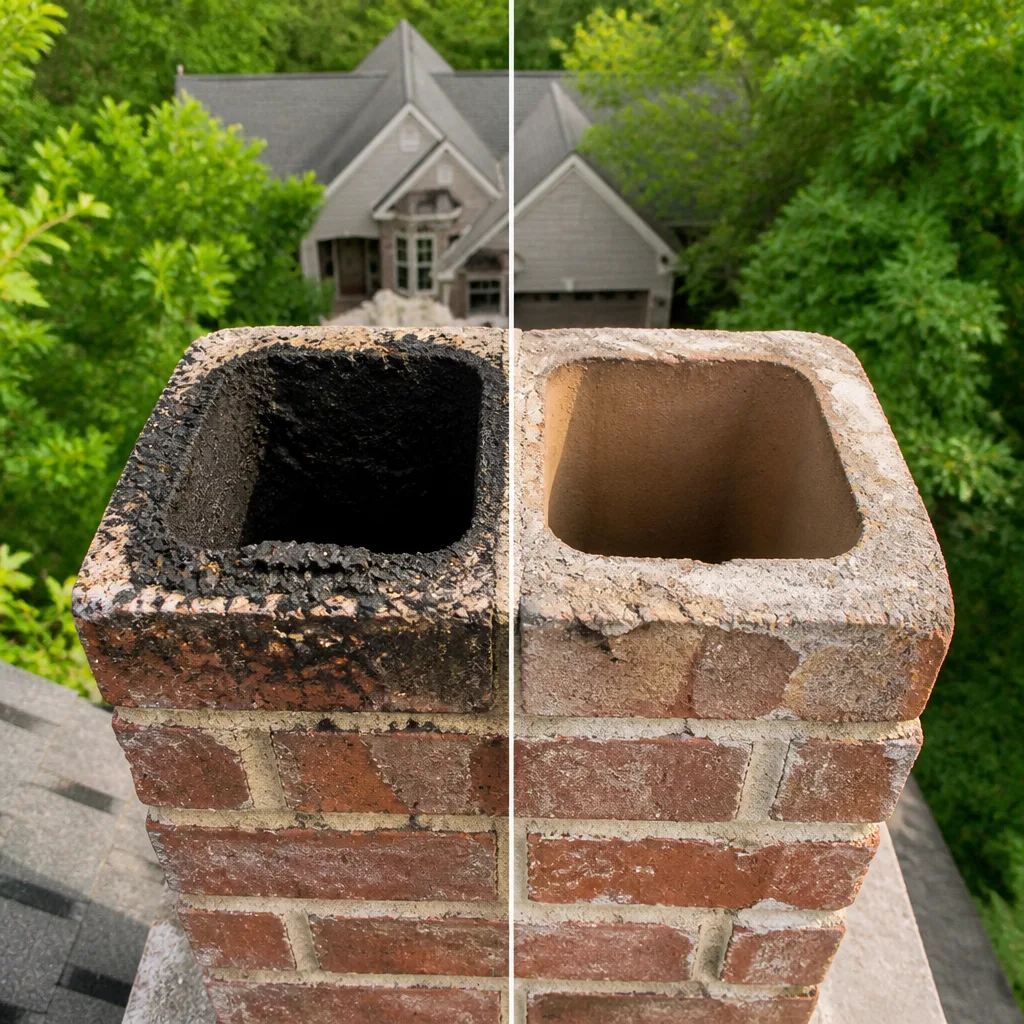
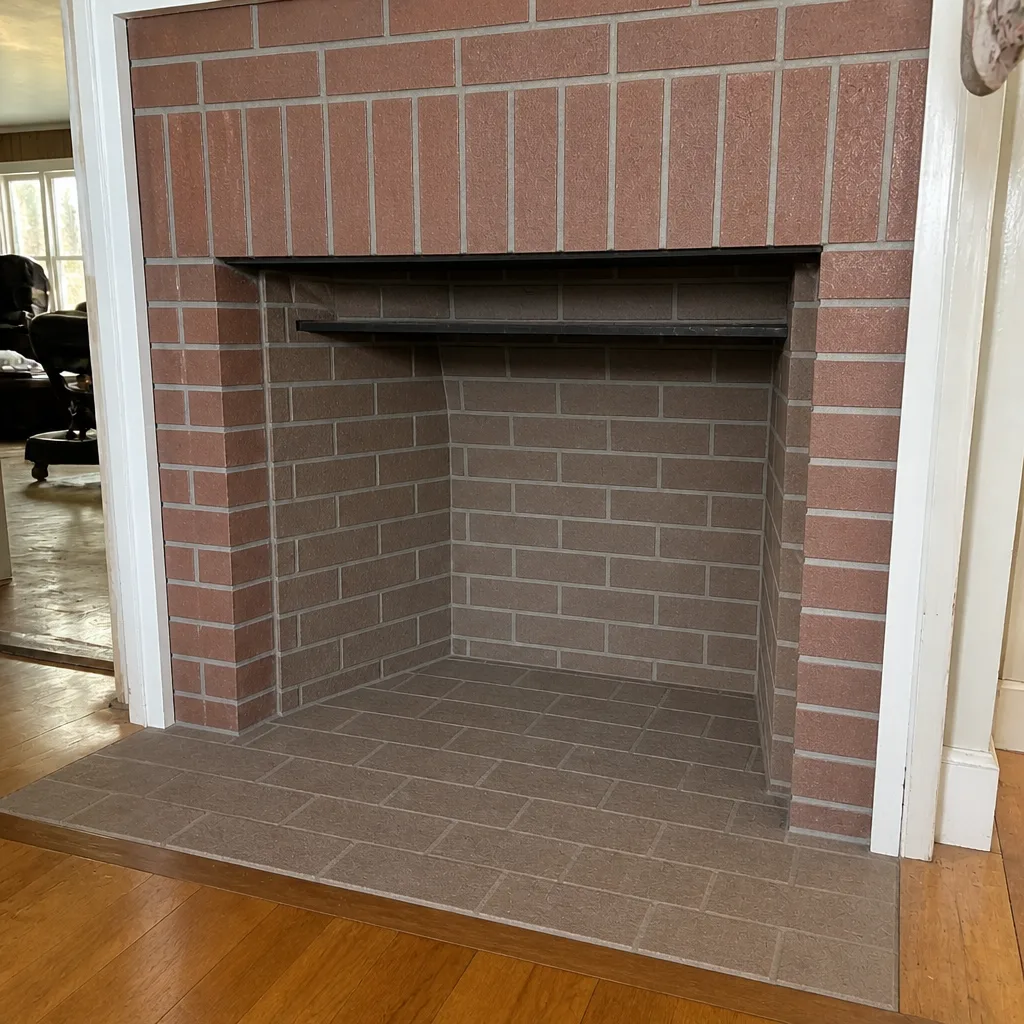
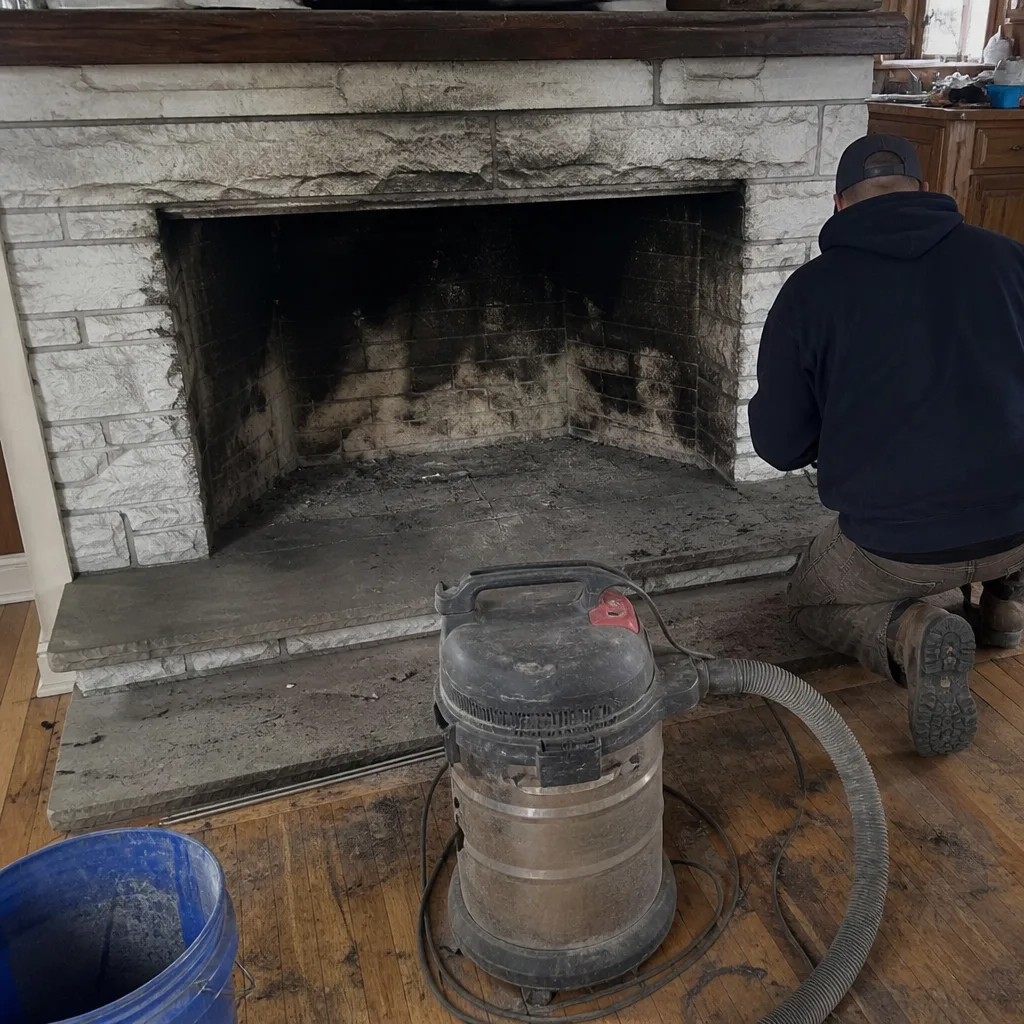
See the difference
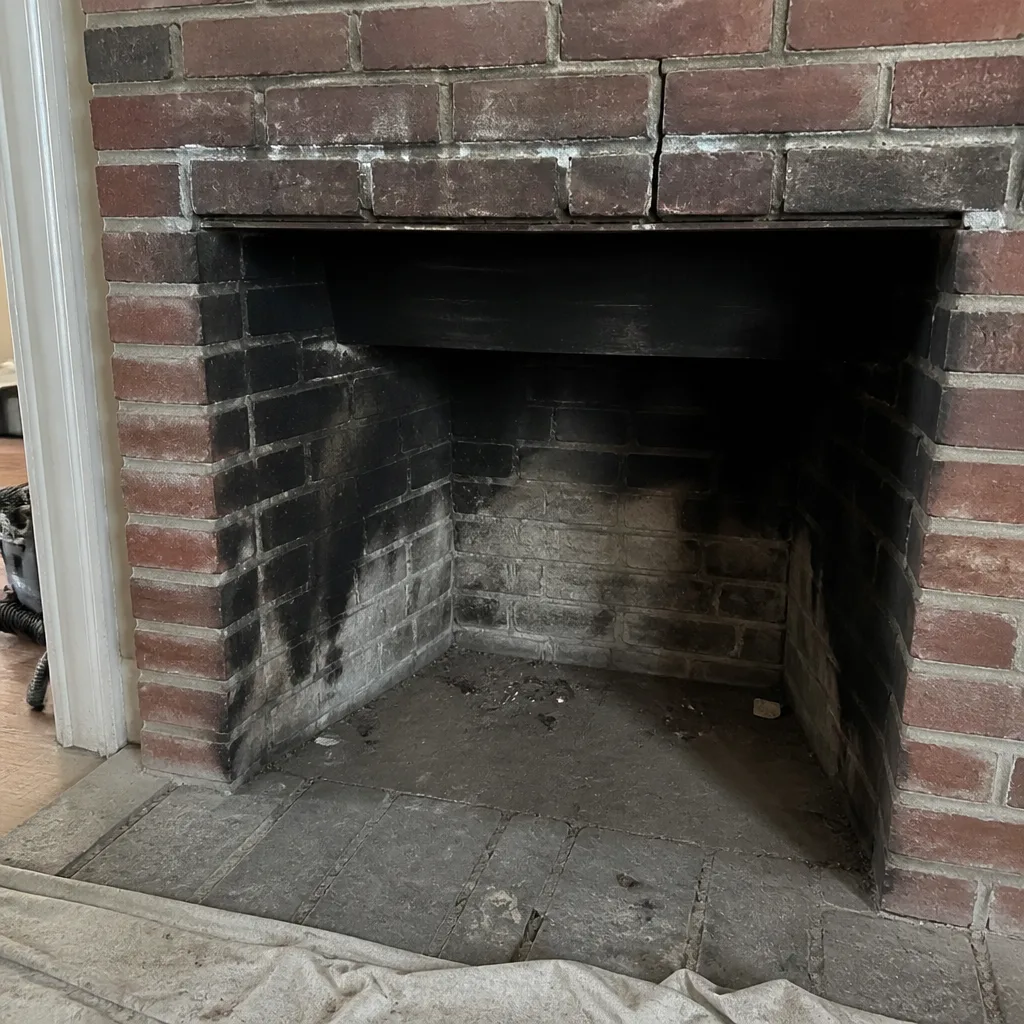 Before
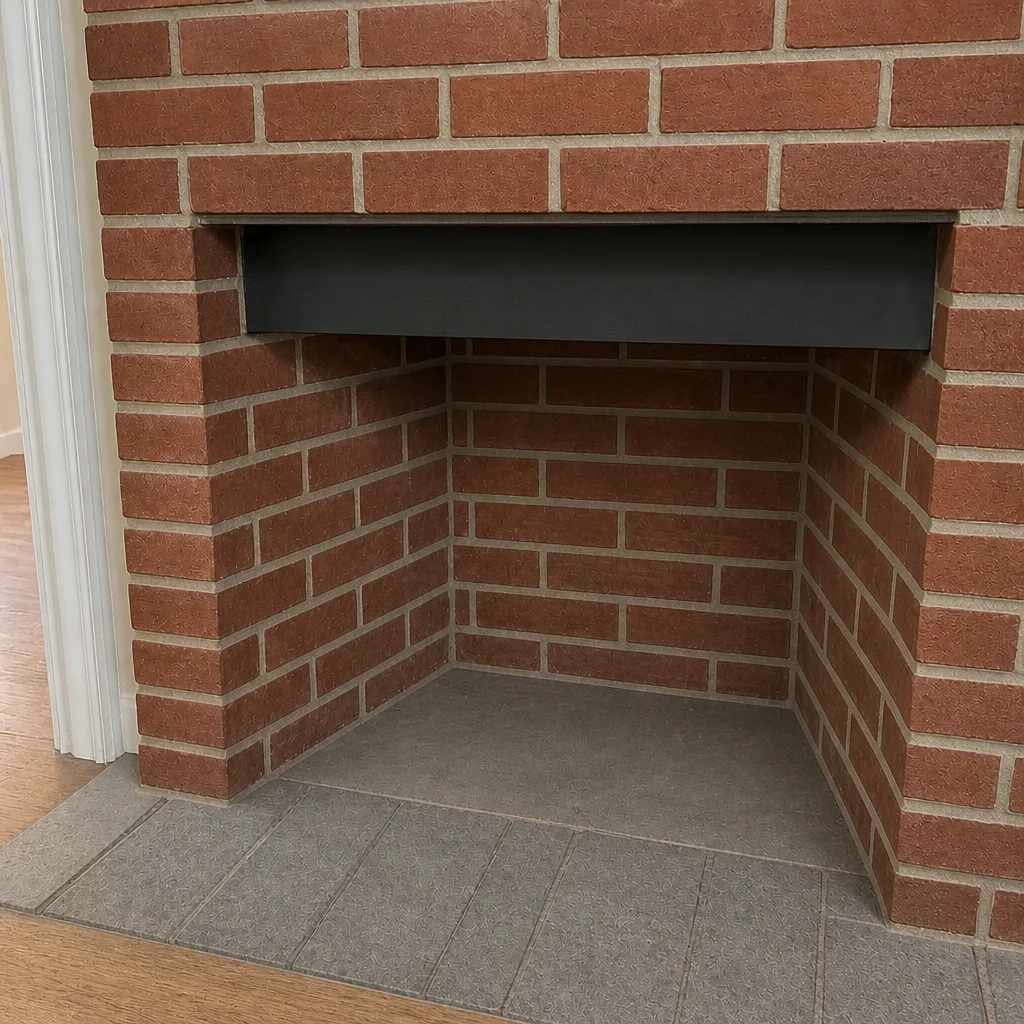 After
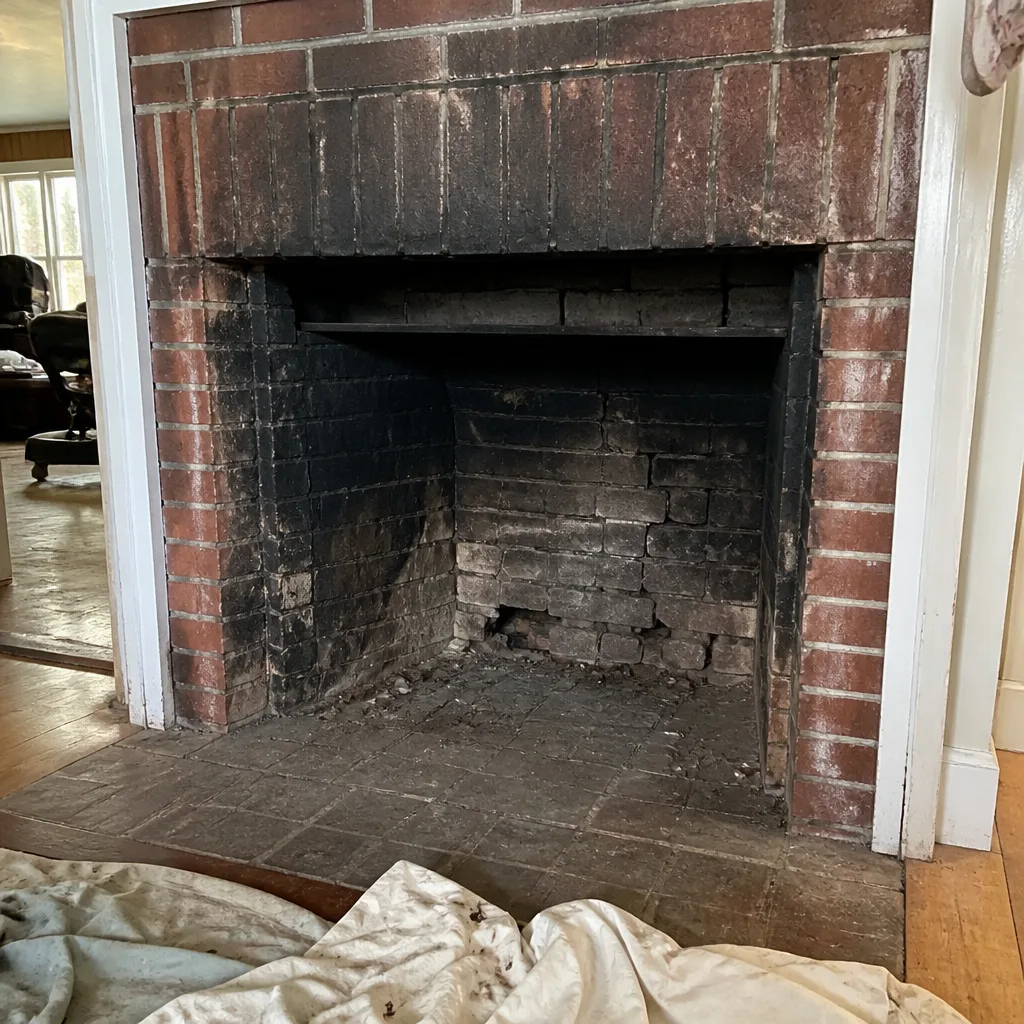 Before
 After
 Before
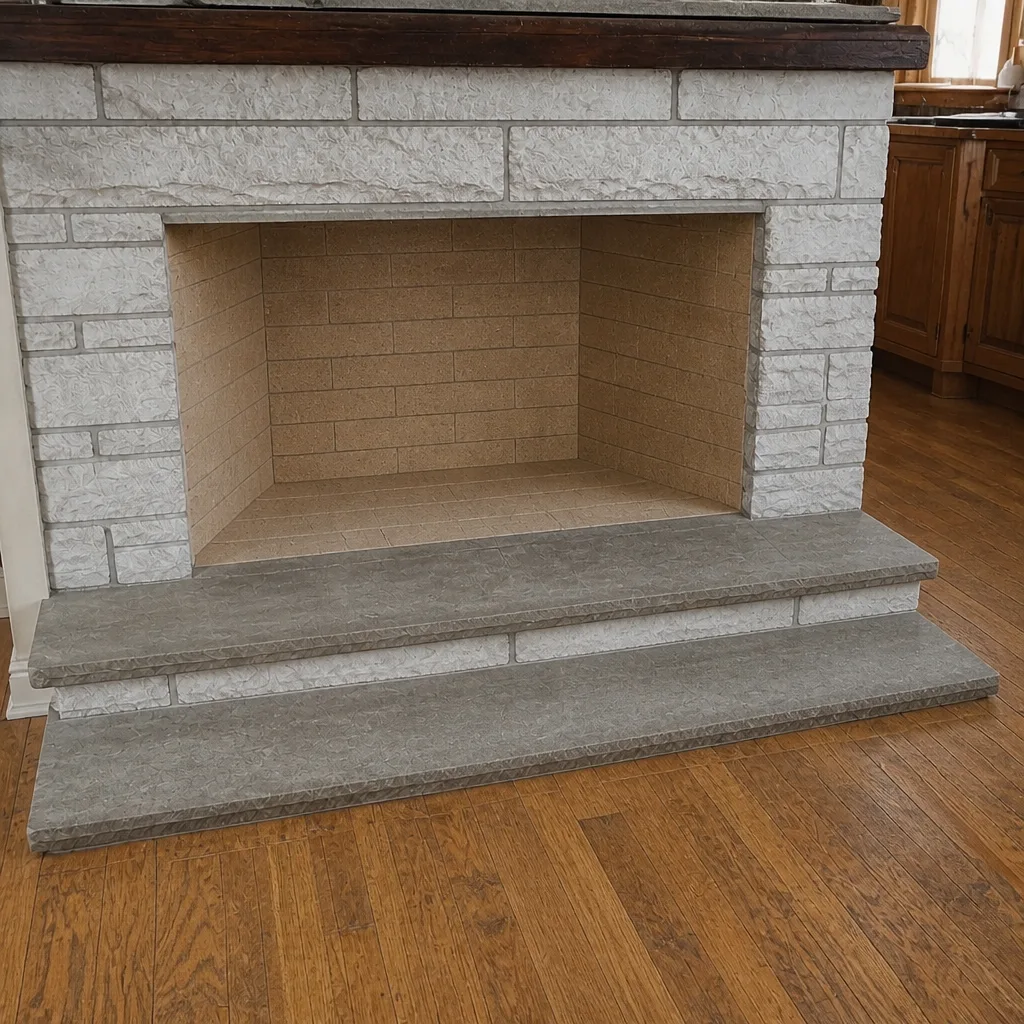 After