
Last updated November 16, 2026
 Sweep & inspection
 Caps & crowns
 Flue relining
 Masonry repair
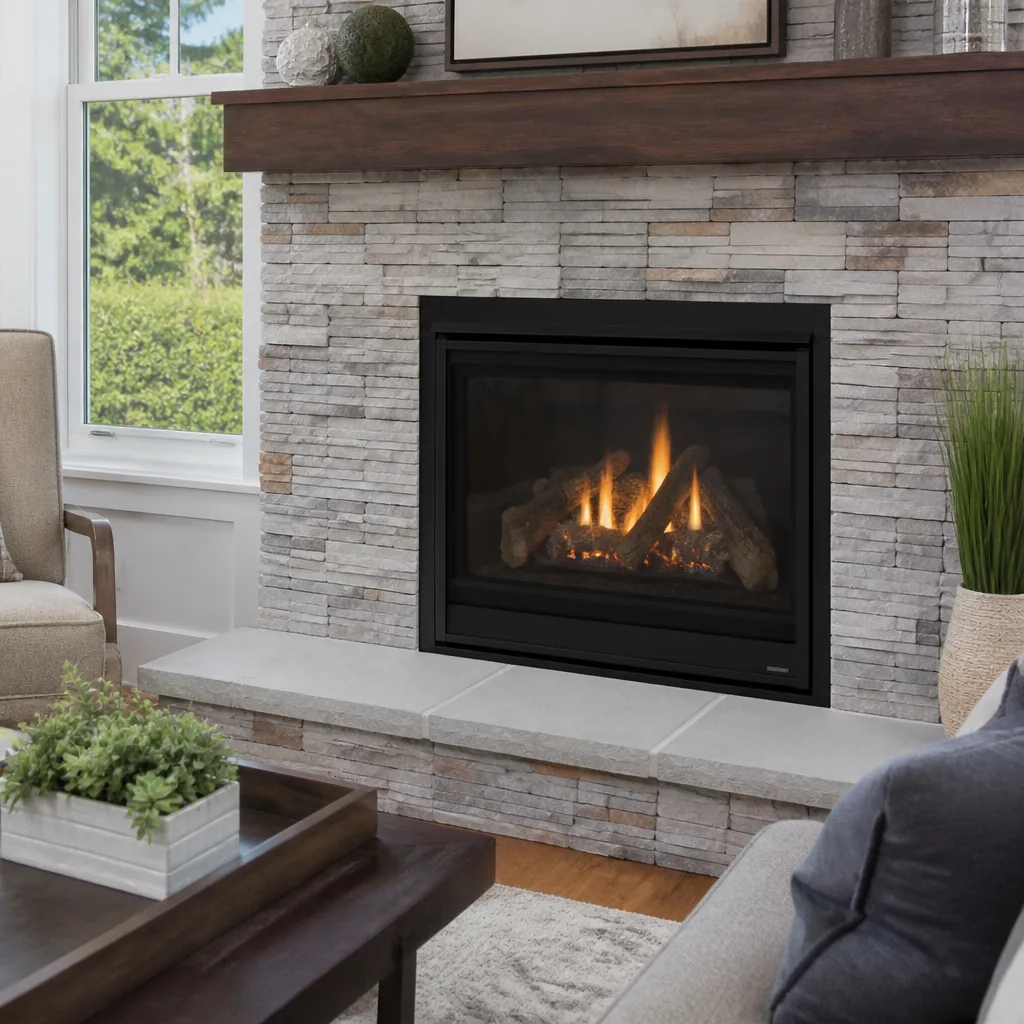 Gas fireplace service
Level 1 sweep and inspection to the NFPA 211 annual standard - flue, crown, cap, and flashing checked and photographed
Chimney sweep logs do not sweep chimneys. They loosen some creosote - which then falls where a brush and vacuum still have to collect it.
Chimney Sweep Troubleshooting in Lynn: Common Problems and How to Fix Them
A smoky living room doesn’t always mean a dirty flue. Plenty of Lynn homeowners book a cleaning expecting the smoke to stop, and it doesn’t, because the flue was never the problem. The fireplace was competing with a kitchen exhaust fan, a dryer, or a bathroom vent for the same air, and the chimney lost. Reading your chimney’s symptoms before you call saves you from paying for work that won’t fix anything. This guide walks through the problems we see most in Lynn, how to tell them apart from inside the house, and when a symptom points to something a sweep alone can’t solve.
Quick Answer
Most chimney problems in Lynn fall into three buckets: draft and pressure issues, creosote buildup, and structural or liner damage. You can usually narrow down which one you’re dealing with from inside the house by watching smoke behavior, smell, and staining. Only a Level 2 inspection confirms the diagnosis, and any symptom involving cracked masonry, liner damage, or smoke that won’t draw in any condition warrants one.
Styles & brands we work with
- Sweep & inspection
- Caps & crowns
- Flue relining
- Masonry repair
- Gas fireplace service
Table of Contents
- How to Read Your Chimney’s Symptoms From Inside the House
- Why Smoke Comes Back Into the Room: Backdraft and Negative Pressure
- How Lynn’s Older Housing Stock Creates Draft Problems
- First-, Second-, and Third-Degree Creosote: What Responds to DIY Brushing
- What a Smoke Smell When the Fireplace Isn’t Lit Actually Means
- Structural Cracks, Liner Damage, and What They Look Like
- When You Need a Level 2 NFPA 211 Inspection Instead of a Sweep
- A Step-by-Step Troubleshooting Sequence
How to Read Your Chimney’s Symptoms From Inside the House
Before anyone climbs on a roof, you can gather real diagnostic information from your living room. The trick is to treat the fireplace like a system and watch how it behaves under different conditions. Smoke that spills only when the furnace kicks on tells a different story than smoke that spills every single time, regardless of what else is running.
What to watch for
- Timing of the spill. Smoke that appears within seconds of lighting, then settles, usually points to a cold flue. Smoke that appears later, after the fire is established, points to a draft or blockage problem.
- What else is running. Kitchen exhaust fans, bathroom fans, clothes dryers, and furnace blowers all pull air out of the house. If the spill happens when one of those turns on, you’re looking at a pressure issue, not a dirty chimney.
- Smell without smoke. A smoky odor when there’s no fire is a different signal than visible smoke, and it has its own causes.
- Staining and efflorescence. White chalky staining on the firebox or the chimney breast suggests moisture is getting in and moving through the masonry.
- Damper behavior. A damper that won’t open fully, won’t close, or feels loose when you touch it is a mechanical problem in its own right.
Write down what you observe. In Lynn, the difference between “smokes every time” and “smokes when the dryer runs” changes what we check first, and it can save you a wasted service visit. This kind of careful observation is the difference between troubleshooting and guessing. If you’d rather have a trained eye do the reading, we handle chimney sweep work and the inspection that follows it as one visit.
Why Smoke Comes Back Into the Room: Backdraft and Negative Pressure
Backdraft is when air flows down the chimney instead of up. It happens when the pressure inside your house is lower than the pressure outside, so the chimney becomes an air intake rather than an exhaust. The fire still burns. The smoke just has nowhere to go but into the room.
What causes negative pressure
Modern homes and tighter older homes both run into this. A house that’s been weatherized, had windows replaced, or had insulation added is a better air seal than it was designed to be. When exhaust fans pull air out, replacement air has to come in from somewhere. A fireplace chimney is a large, open path, so it becomes the easiest route.
- Kitchen range hoods and downdraft vents, especially high-CFM models
- Clothes dryers venting indoors or pulling hard through the laundry area
- Bathroom exhaust fans running during a fire
- Forced-air furnace and boiler systems that draw combustion air from the basement
- Stack effect in taller buildings, which is common in Lynn’s three-deckers
What actually fixes it
Opening a nearby window a crack during a fire is the quick test: if the smoke stops, you’ve confirmed a pressure problem. The lasting fixes are different. Sometimes it’s as simple as not running the kitchen fan while the fire is going. Other times the answer is a chimney cap that improves draft at the termination, or a top-sealing damper that stops air from moving the wrong direction when the fireplace is idle. Occasionally the right fix is to bring outside combustion air to the firebox, which changes how the whole system breathes. None of these are things a standard sweep addresses, which is why a sweep that doesn’t diagnose can leave the problem exactly where it started.
Lynn’s prevailing weather and its older, tall, tightly-built housing make backdraft a recurring diagnosis here. Getting it right matters, because a backdrafting chimney is pulling combustion byproducts, including carbon monoxide, into living space instead of outside.
How Lynn’s Older Housing Stock Creates Draft Problems
Lynn has a lot of homes built well before airtight construction was a consideration: triple-deckers, colonials, and older two-family houses with masonry chimneys that were designed to run continuously. Those chimneys were sized for coal or for constant wood burning, not for an occasional evening fire in a house that’s since been sealed up. The mismatch is where a lot of smoke problems come from.
The triple-decker problem
Stack effect is the tendency of warm air to rise through a building and escape out the top while replacement air is drawn in at the bottom. In a three-story building, the tallest floors pull the hardest, and a chimney serving a mid-level unit competes with the stairwell, the roof vents, and every other unit’s exhaust. When one tenant runs a bathroom fan, another unit’s fireplace can start smoking. That’s not a dirty flue. It’s a building-wide pressure relationship.
Oversized flues and cold masonry
Older Lynn chimneys often have flues sized for appliances that no longer exist. An oversized flue relative to the firebox means hot gas cools before it reaches the top, loses its buoyancy, and stalls. Masonry is also a heat sink: a cold exterior wall pulls heat out of the flue on the first fire of the season, which is why the first fire in an old colonial smokes more than the tenth.
What helps in Lynn’s climate
- Warming the flue with a rolled newspaper torch before lighting the fire (never with accelerants)
- Checking that the damper fully opens and that the firebox isn’t overfilled
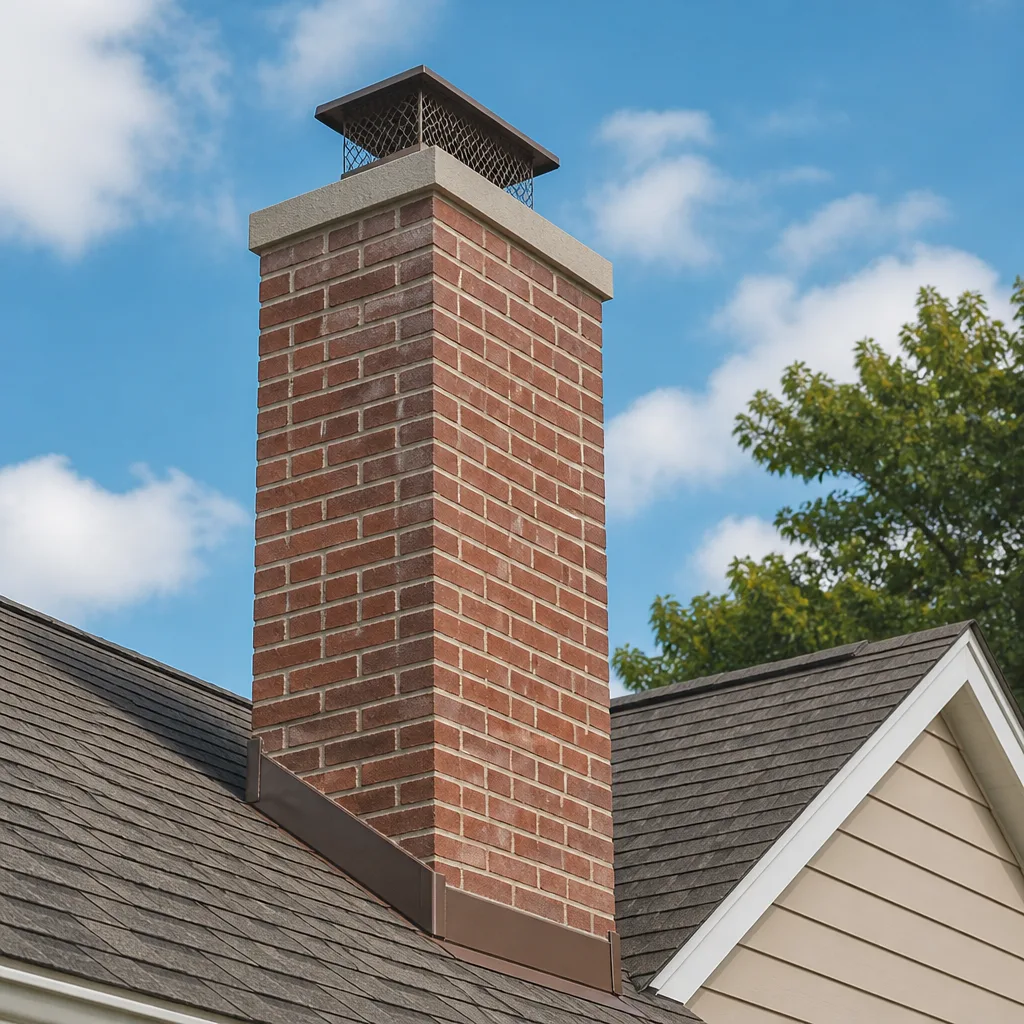
- Making sure the chimney cap isn’t undersized or clogged at the top
- Being aware of exterior temperature swings, since a cold snap makes a marginal draft worse
Lynn winters are cold enough that draft performance changes noticeably between fall and deep winter, and a chimney that worked fine in October can become unreliable in January. If you want a baseline assessment of how your chimney is built and how it’s likely to perform, a documented Lynn inspection gives you that picture. We install caps and components from Gelco and Famco for exactly this reason: an undersized or wrong-fit cap can create the backdraft it was supposed to prevent.
First-, Second-, and Third-Degree Creosote: What Responds to DIY Brushing
Creosote forms when wood smoke cools against a flue surface, and not all of it is the same substance. The three recognized degrees behave differently, and only one responds reliably to a homeowner’s brush. That single fact determines whether a DIY attempt will help or make things worse.
Degree 1: soot and light flaky deposit
This is a thin, dusty, flaky coating that brushes off easily. A homeowner with the right brush and the right technique can remove some of it, though the flue still needs a proper cleaning to reach the full length and the smoke shelf. Degree 1 creosote is the only degree that’s realistically brushable without damaging the flue or leaving deposit behind.
Degree 2: glazed, hardened deposit
This is a darker, harder, somewhat glazed layer that clings and resists a brush. It’s a sign the fire has been running cool or the wood has been too wet, and it’s the deposit most associated with chimney fires because it ignites at lower temperatures than one might expect. A homeowner brush will skip over it. Removing it takes specialty tools and, sometimes, chemical treatment. Our technicians have up to 9 years of experience reading creosote and choosing the method that clears it without abrading the flue lining.
Degree 3: thick, tar-like, fuel-rich deposit
This is the heavy, puddled, tar-like accumulation that looks like cooled asphalt. It’s a serious fire hazard and it does not come off with a brush. Degree 3 creosote may need chemical removal over time, or in severe cases, liner replacement. DIY brushing at this stage is ineffective and can compact the deposit further.
What to know before you consider doing it yourself
Sweeping a chimney involves roof access, extension poles, and working around a flue you can’t see the inside of. A rotary brush in untrained hands can damage a liner, and the injury risk from a roof is real. If you’re not certain which degree of creosote you’re looking at, the answer isn’t a better brush. It’s a chimney repair conversation that starts with looking inside.
What a Smoke Smell When the Fireplace Isn’t Lit Actually Means
A smoky smell with no fire burning is one of the most misread signals in the whole system. Homeowners tend to assume it means the chimney is dirty. More often it means the chimney is acting as an open channel between your living room and the outside air, and material on its interior walls is being carried back in.
The likely causes
- Cold-air downdraft. When the chimney isn’t heated, air can flow down it and push residual smoke odor into the room. The smell is strongest on damp, overcast days or when the wind is pushing against the termination.
- Residual creosote off-gassing. Creosote has a persistent odor, and it becomes noticeable when the flue warms slightly and the deposit releases volatile compounds. The fireplace being off doesn’t stop this.
- Negative pressure pulling cold, odorous air in. The same pressure imbalance that causes backdraft can draw air down the flue, carrying smoke smell with it.
- Moisture in the masonry. A damp chimney caries an organic, musty, smoke-tinged smell that’s distinct from fresh creosote. It’s a strong indicator of a leak that needs to be found, not masked.
- Former oil or gas appliance connected to the flue. Residual soot and odor from a decommissioned appliance can sit in the flue for a long time.
The right fix depends on the cause
A top-sealing damper is often the lasting answer to cold-air downdraft and odor migration, because it closes the flue completely when the fireplace isn’t in use. If the cause is moisture, sealing the chimney crown or repairing flashing matters more than any sweep. If the flue is lined with legacy soot from an old appliance, a professional cleaning removes it. The mistake is to sweep and hope the smell disappears. Sweeping helps only if the deposit itself is the problem.
Structural Cracks, Liner Damage, and What They Look Like
Structural problems are the category that most often catches homeowners off guard, because they can produce symptoms identical to a draft issue. A cracked flue tile doesn’t always announce itself with smoke. It sometimes shows up as moisture, sometimes as staining, and sometimes only on a camera.
What a crack actually means
A chimney isn’t a single pipe. It’s a masonry structure with a flue inside it, and the flue is what keeps combustion gases away from the surrounding wood framing and insulation. When a flue tile cracks, the gas and creosote can escape into the chimney’s interior cavities and reach the framing. That’s a fire pathway and a carbon monoxide pathway at once. This is why cracked flues are treated as urgent, not cosmetic.
Signs you might have one
- White or brown staining on the firebox or the outer chimney breast
- Efflorescence, the chalky white mineral crusting on the masonry
- Flaking or spalled brick, where the face of the brick breaks off
- Visible cracks in the firebox, the smoke chamber, or the visible portion of the flue
- A chimney that smoked fine last year and smokes now with no change in habits
What repair options look like
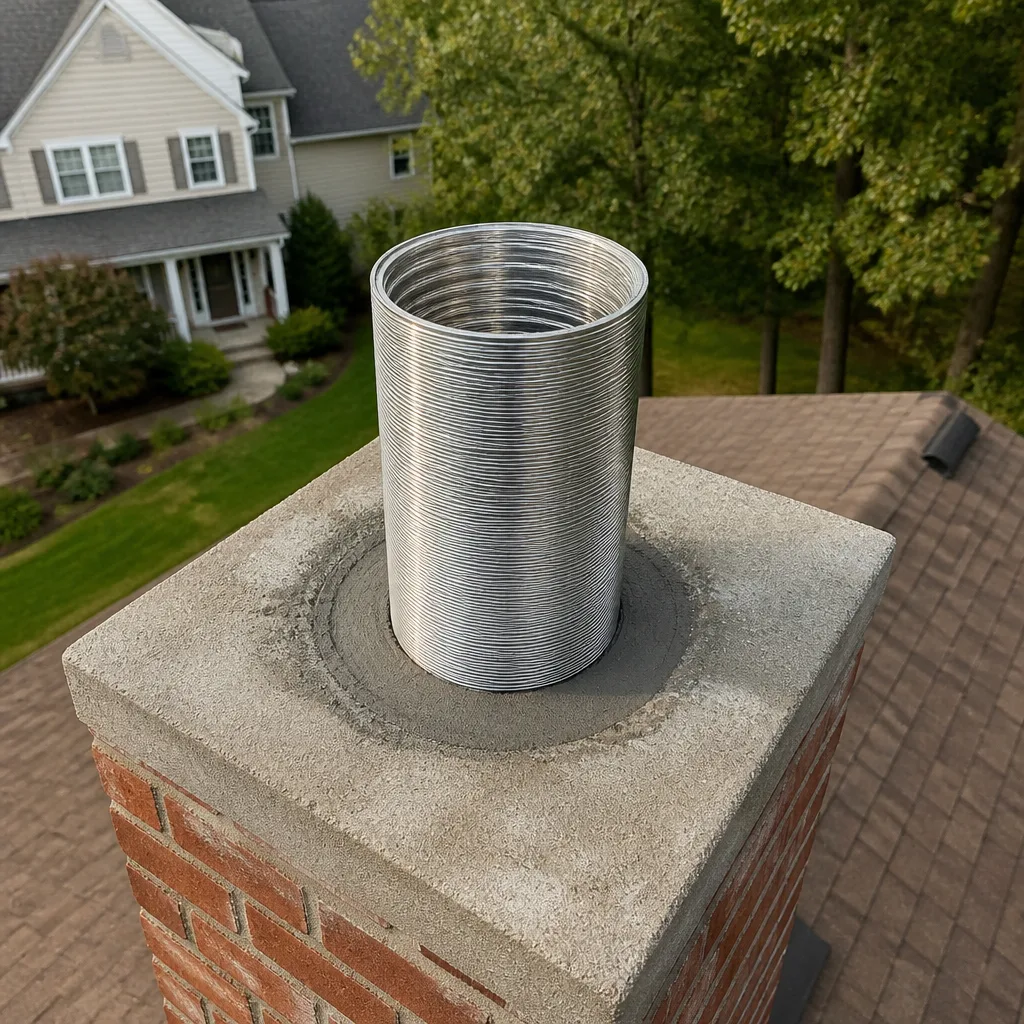
Not every cracked flue needs a full tear-out. HeatShield flue resurfacing is a system that rebuilds a compromised flue from the inside and produces a new, smooth, properly sealed surface without removing the old lining, which means less disruption and less cost than a full reline. When a full reline is the right answer, we specify DuraFlex flexible liner systems, which are built to handle high-heat environments. Olympia Chimney components show up in the surrounding pieces that have to fit correctly for the whole assembly to work. The choice between resurfacing and replacing belongs to whoever has seen the flue with a camera, not to whoever’s estimating over the phone.
When You Need a Level 2 NFPA 211 Inspection Instead of a Sweep
NFPA 211 defines three inspection levels, and most routine maintenance calls only need Level 1. A sweep’s visual check, done during a normal cleaning, is Level 1. Level 2 uses a camera and covers the flue interior and concealed areas, and it’s the level his needed whenever the chimney has changed, been damaged, or is about to change hands.
You likely need a Level 2 if any of these apply
- You’ve had a chimney fire, even one that seemed to put itself out.
- The property is being sold or purchased, and the buyer or lender wants documentation.
- You’ve switched fuel types, or changed the appliance connected to the flue.
- A liner or flue has been damaged, or a repair is being scoped.
- You’re seeing symptoms you can’t explain: moisture, staining, or smoke issues that persist after a cleaning.
- There’s an unresolved draft or odor problem that a routine sweep didn’t fix.
A Level 2 inspection produces a written report, with pictures, of what’s actually inside. That documentation is what makes it useful for a real estate transaction or an insurance conversation, and it’s what lets a homeowner see the evidence rather than take someone’s word for it. In Lynn, where a large share of the housing stock has had multiple owners and multiple changes over the decades, a Level 2 is often the only way to know what’s really in the flue.
A Step-by-Step Troubleshooting Sequence
When something feels wrong with your fireplace, work through these in order. Each step narrows down the cause and tells the next person more than a vague description ever could.
- Light a small fire and watch the smoke. Does it spill immediately, or only once the fire is established? Immediate spill points to a cold or blocked flue; delayed spill points to a pressure or structural issue.
- Test the pressure theory. Crack a window near the fireplace. If the smoke behavior changes, the problem is pressure. If nothing changes, look elsewhere.
- Turn on the kitchen fan and watch again. If the fan triggers spill, negative pressure from exhausts is confirmed.
- Check the damper. Open and close it fully. Does it move freely, seal fully, and sit flat? A stuck or missing damper is a common cause of persistent spill.
- Check the cap and the visible termination. From the ground, look at the top of the chimney. A missing, damaged, or bird-nested cap is a common cause of failure.
- Look for moisture and staining. White staining, efflorescence, or dark streaks on the firebox or chimney breast point to water or a structural issue.
- Note whether the smell appears without a fire. Persistent odor when the fireplace is off is a downdraft or moisture signal, not a creosote one.
- Book an inspection if any of the above are ambiguous. A camera view and a written report turn a guess into a diagnosis.
Working through these in this order is exactly how a technician reads the symptoms. The result is a clear picture of whether you’re looking at a cleaning, a pressure fix, a structural repair, or all three.
Common Mistakes to Avoid
- Assuming the sweep will fix everything. A cleaning only solves the cleaning problem. If the cause is negative pressure or a cracked flue, a sweep alone leaves the symptom in place and the customer frustrated.
- Diagnosing a draft issue from the stove instead of the room. Homeowners often blame the wood or the firebox when the actual cause is the kitchen fan or the dryer running across the house.
- Overfiring to force a draft. A very hot, very fast fire is not a solution to a smokey chimney, and in a dirty or damaged flue it increases the chimney fire risk.
- Burning wet or unseasoned wood to fix an odor. Wet wood produces more creosote and more smell, which is the opposite of what you want.
- Ignoring the smell that appears when the fireplace is off. That smell is a signal, and treating it with a sweep guesses at the cause rather than addressing it.
- Brushing a glazed flue. Brushing degree 2 or 3 creosote doesn’t remove it and can compact it or damage the lining. This is a case for a camera and the right method.
- Skipping a Level 2 inspection on a new purchase. In Lynn’s older housing, a sweep-included Level 1 check isn’t enough to know what’s in the flue on a home you’re about to buy.
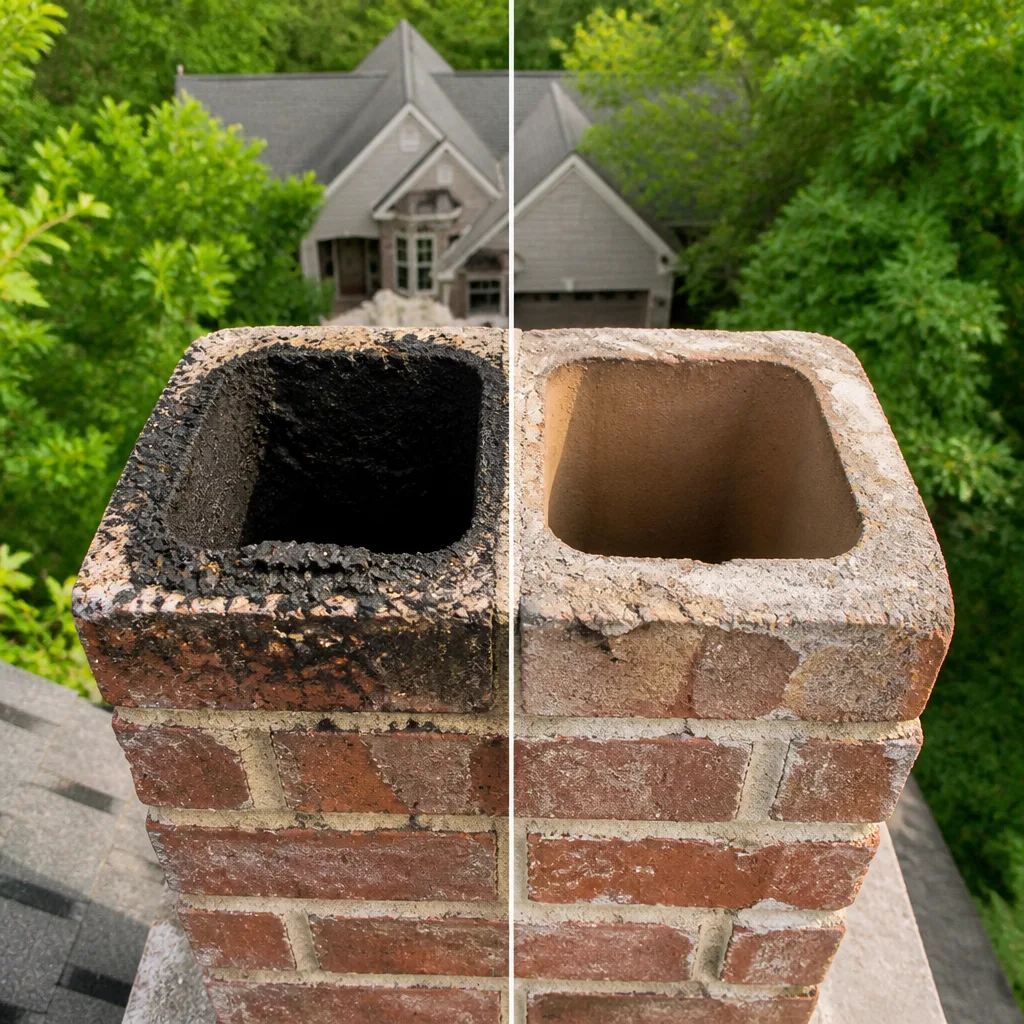
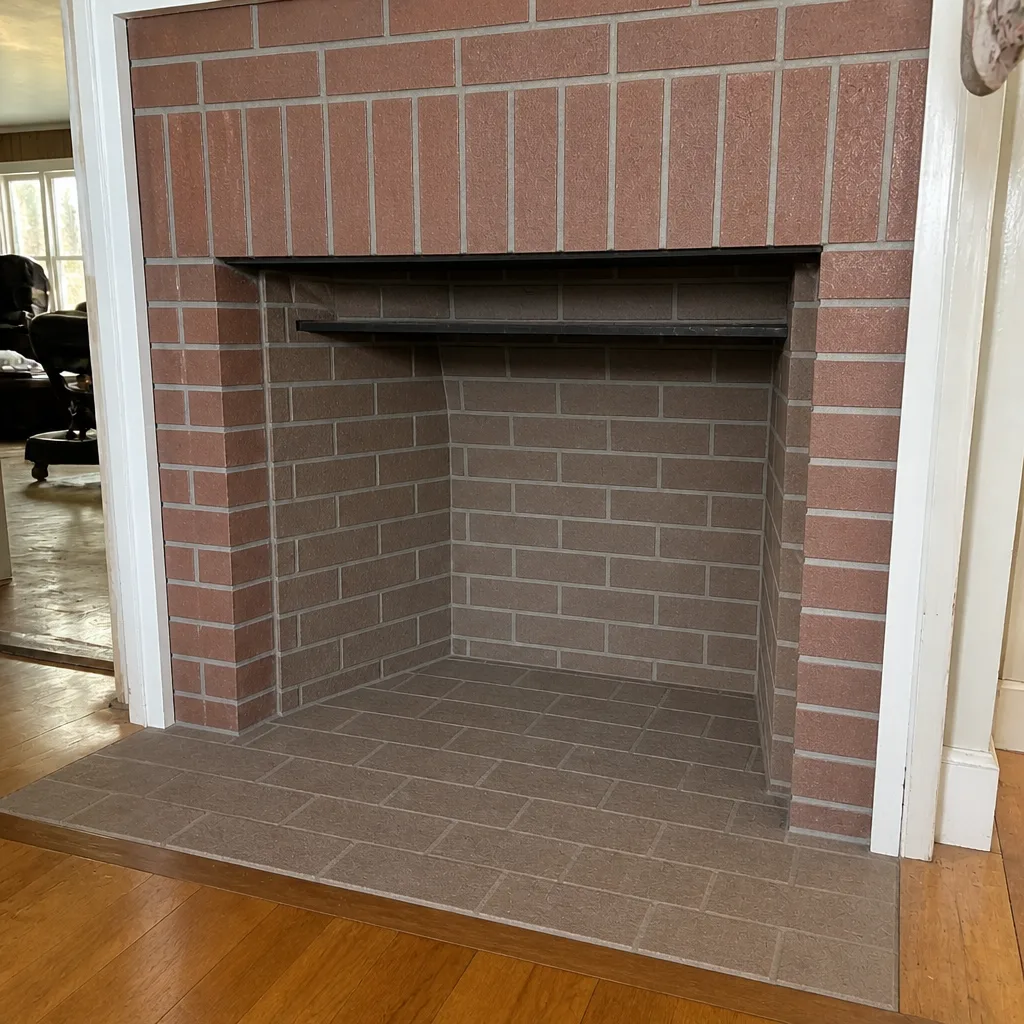
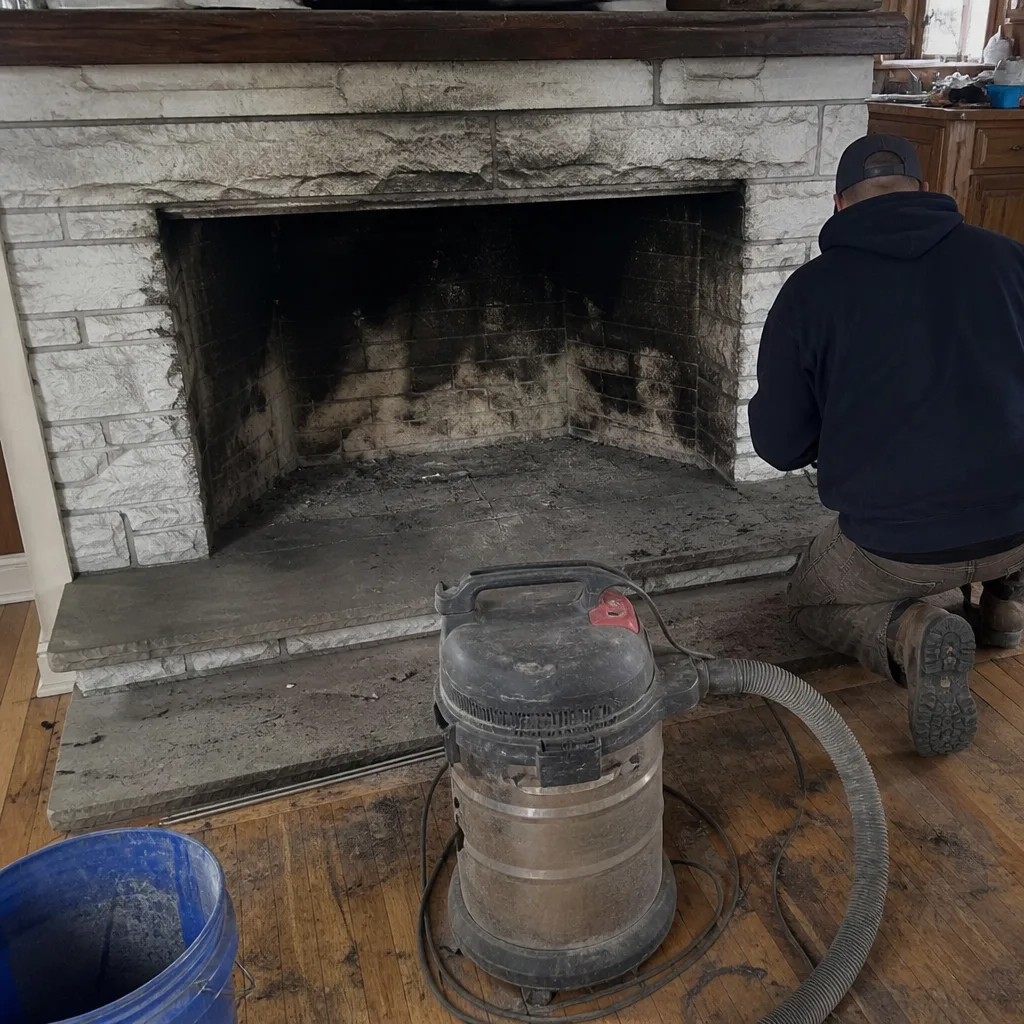
See the difference
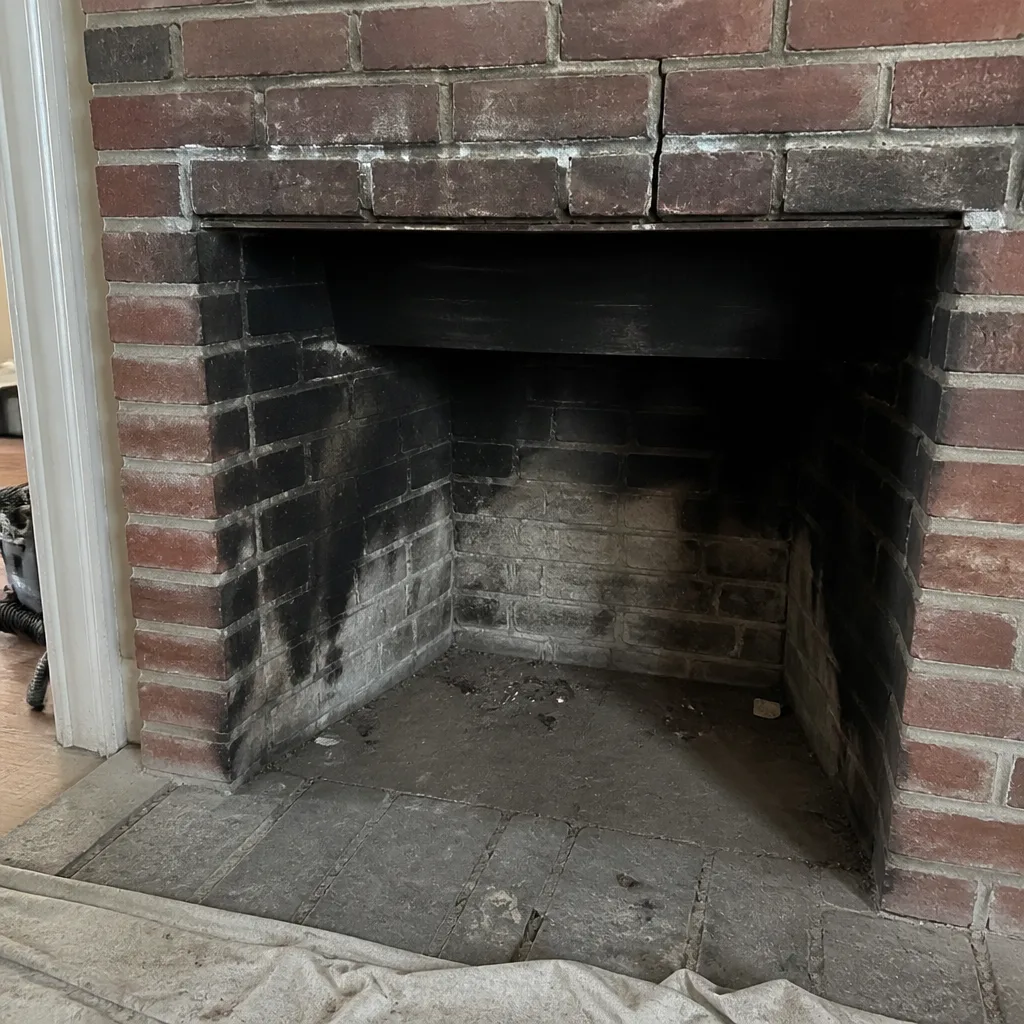 Before
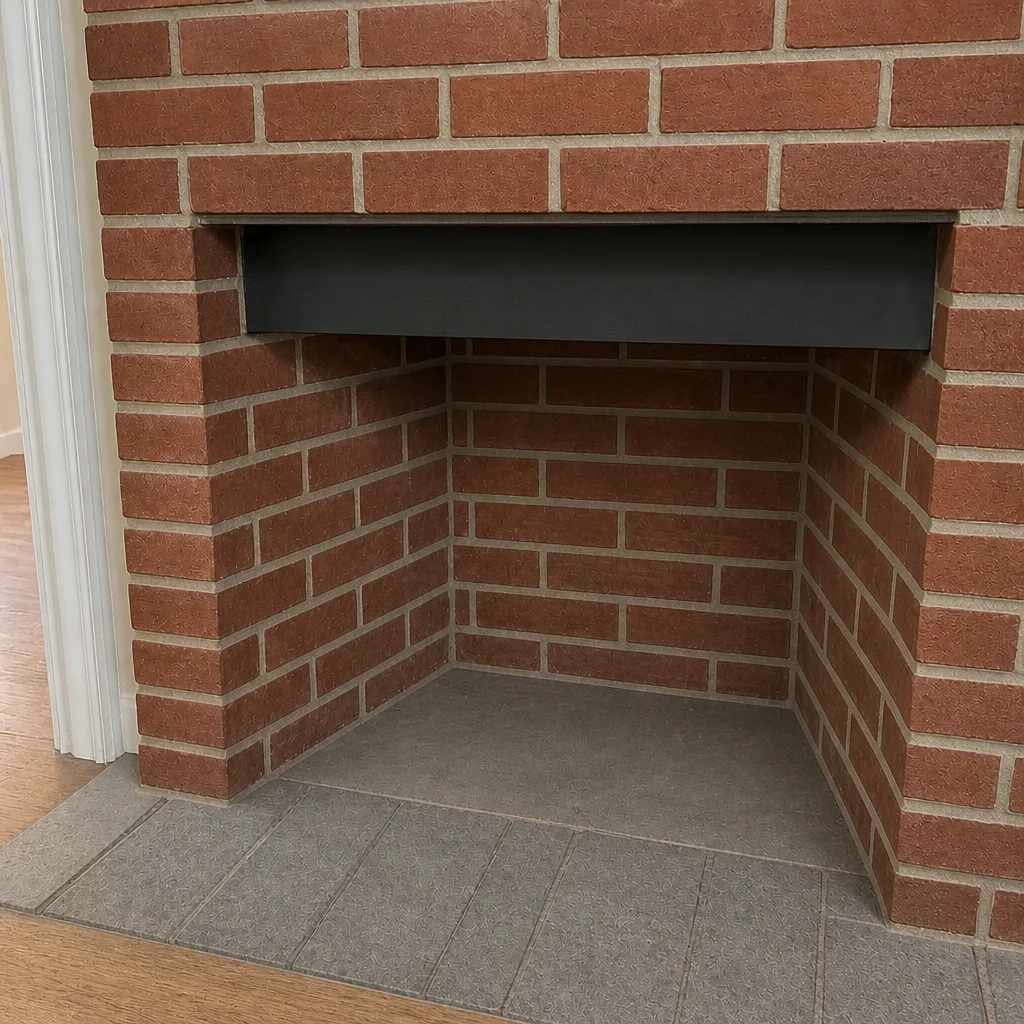 After
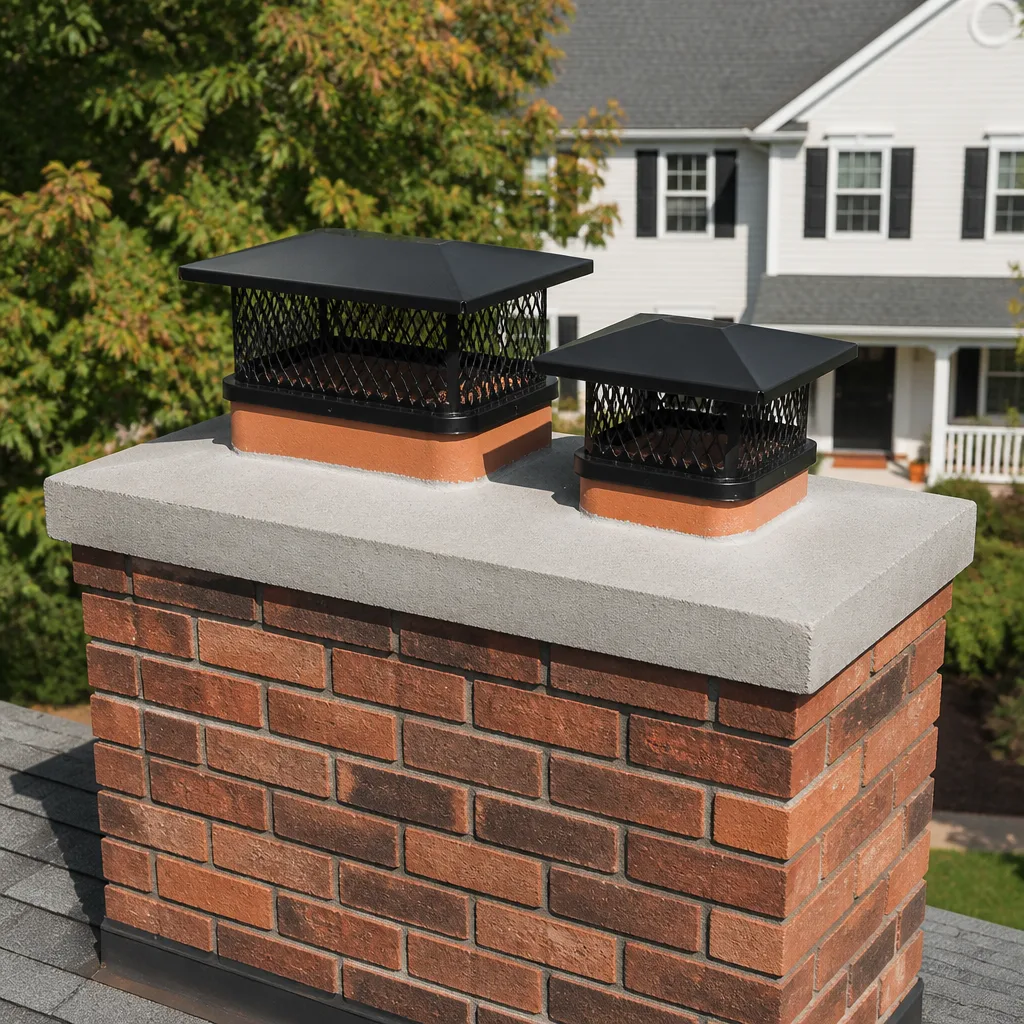
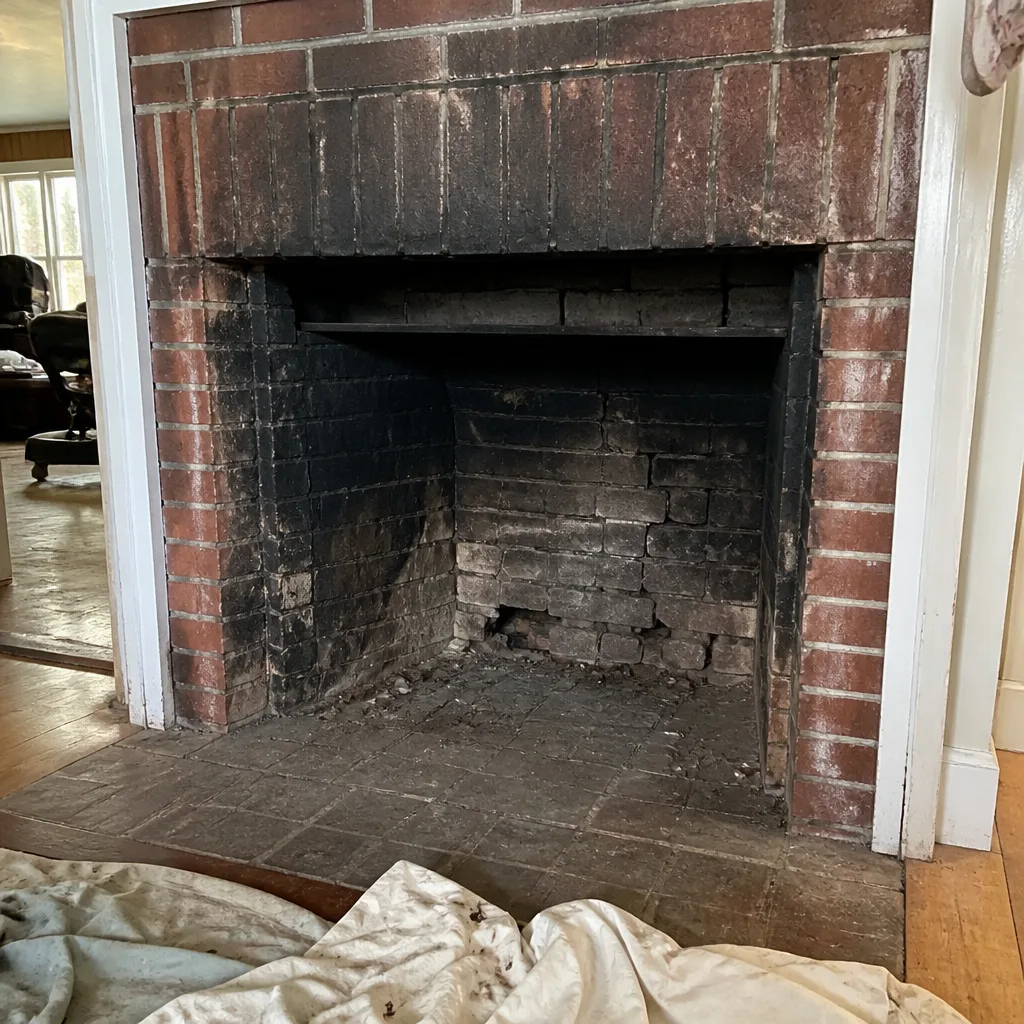 Before
 After
 Before
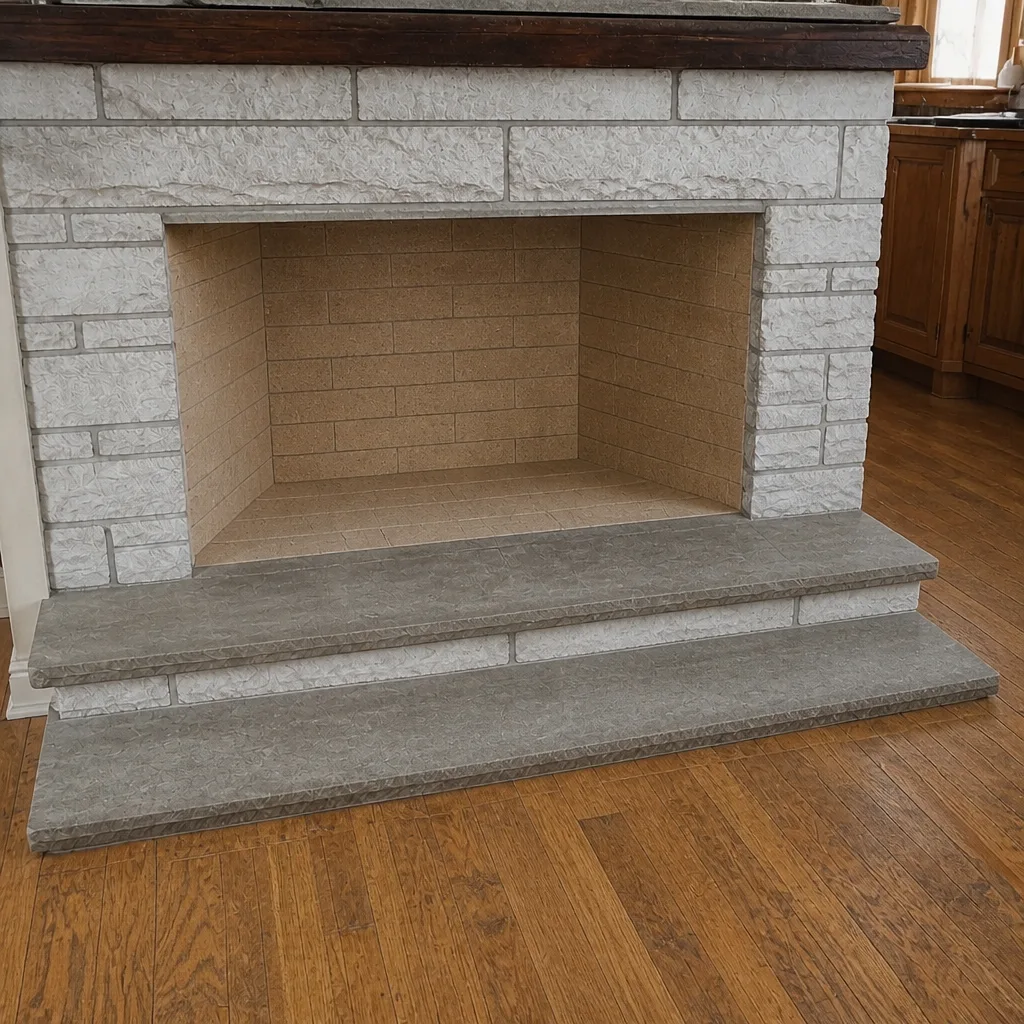 After
When to Call a Professional
Call a professional when the symptom persists after a cleaning, when you smell smoke with no fire going, when you see staining or staining-related spalling, or when the chimney hasn’t been inspected since you bought the house. Call immediately if you’ve had a chimney fire, if the flue is cracked, or if backdraft is occurring regularly, since both fire and carbon monoxide risk depend on a clear flue. And call before you take on roof work, because the risk from a fall is real. If you’re unsure whether it’s a cleaning problem or a structural one, the inspection tells you before you spend. Chimney Sweep Lynn offers free estimates in Lynn: call (833) 922-2686 and we’ll assess what the symptom is pointing to rather than starting with the brush.
Frequently Asked Questions
Smoke usually comes inside because of backdraft, a creosote blockage, or a cracked flue. The most common cause in Lynn is a pressure imbalance where exhaust fans or the building’s stack effect pull air down the chimney. The fastest test is to open a window during a fire and see whether the smoke behavior changes. Call (833) 922-2686 for a free estimate if you want a diagnosis.
A Level 2 inspection is needed whenever the chimney has changed, been damaged, or had a fire, or when the property is changing hands. A standard sweep includes a Level 1 visual check, which is right for routine maintenance. If the symptom is unexplained, Level 2 is the right call. Call (833) 922-2686 for an exact quote. Estimates are free.
Draft problems appear only under specific conditions and react to other exhaust fans in the house. A dirty chimney tends to smoke consistently, or to show a visible creosote line at the top of the firebox. Testing with a window open is the quickest way to tell them apart. Call (833) 922-2686 if the answer isn’t clear.
It usually means cold air is traveling down the flue and carrying residual odor with it, or that moisture is present in the masonry. It rarely means the chimney is dirty enough to need sweeping. The right fix is usually a top-sealing damper or a moisture repair. Call (833) 922-2686 and we’ll look before recommending anything.
You can remove light, flaky soot in the top portion of the flue, but glazed or tar-like creosote won’t come off with a brush, and roof work carries genuine injury risk. If you don’t know what stage of deposit you’re looking at, a professional inspection is safer and more accurate. Call (833) 922-2686 for a free estimate.
Look for white or brown staining, chalky mineral deposits, or spalling brick on the firebox or chimney breast. Cracks in the visible flue, smoke chamber, or firebox are also clues. Many cracks are only visible on camera, which is what a Level 2 inspection is for. Call (833) 922-2686 to book one.
The Bottom Line
Most chimney problems in Lynn have a cause you can narrow down without leaving the living room. Watch when the smoke appears, test the pressure with a window, check the damper and the cap, and note whether the smell is present without a fire. Those observations tell a technician whether the answer is a cleaning, a pressure fix, a structural repair, or an inspection. A sweep solves a cleaning problem and nothing else, and confusing a pressure issue for a dirty flue means paying for work that doesn’t fix the smoke. When the symptoms point to a crack, a liner, or persistent backdraft, get the inspection first, then decide what the flue actually needs.
Written by the team at Chimney Sweep Lynn.