
Last updated November 16, 2026
 Sweep & inspection
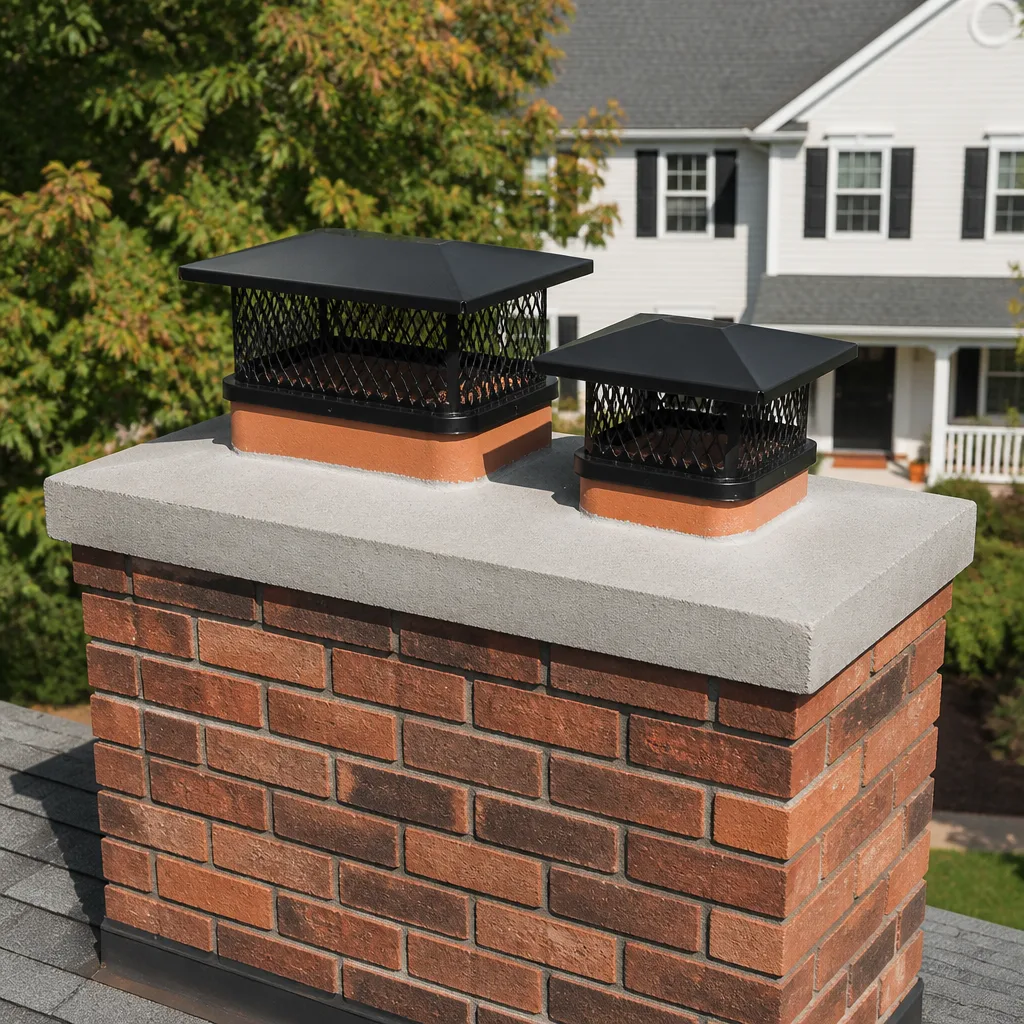 Caps & crowns
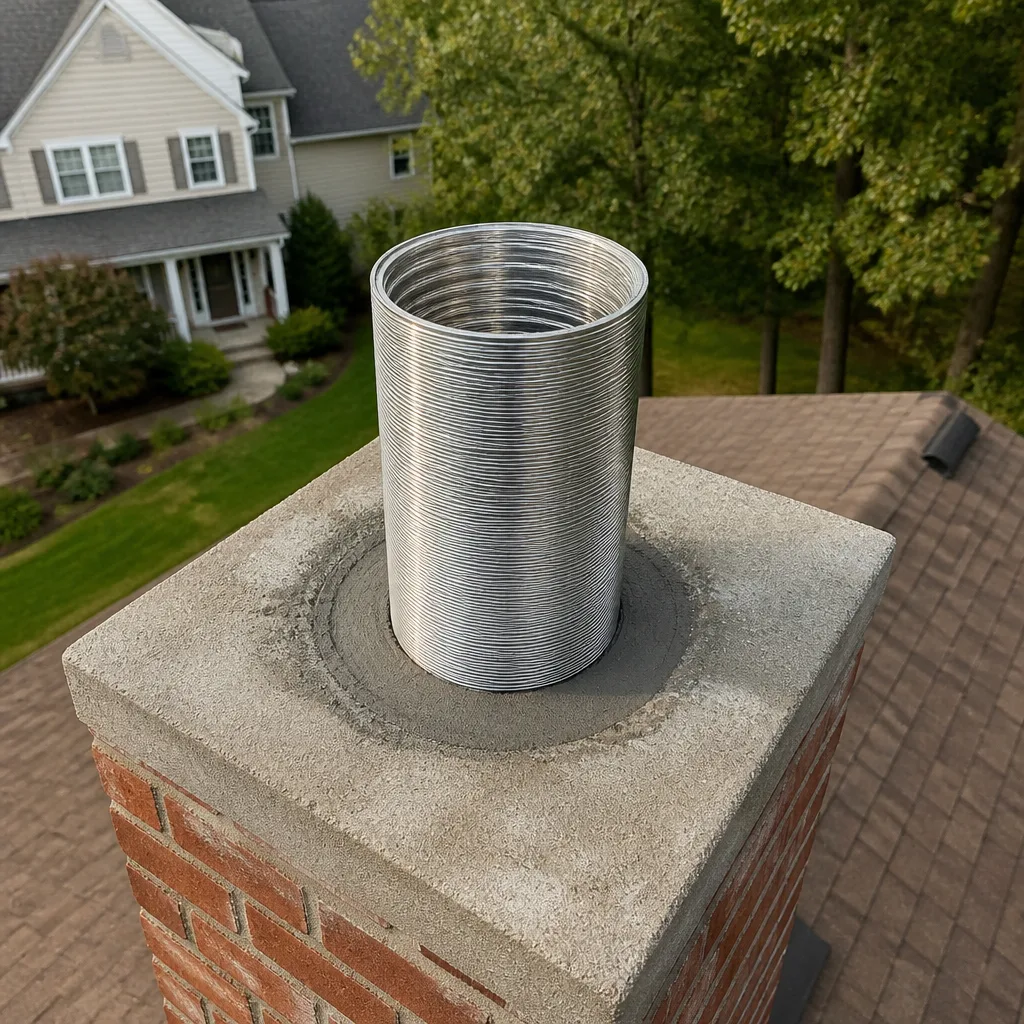 Flue relining
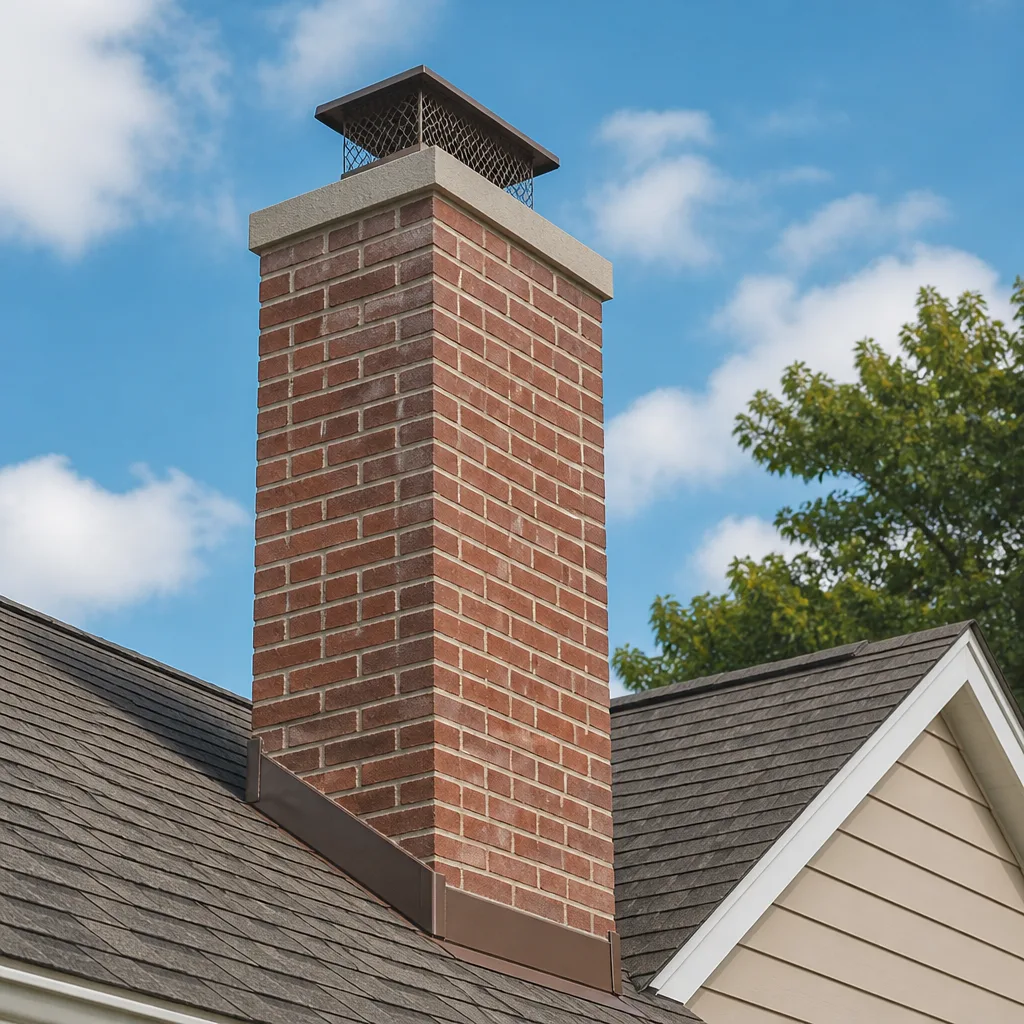 Masonry repair
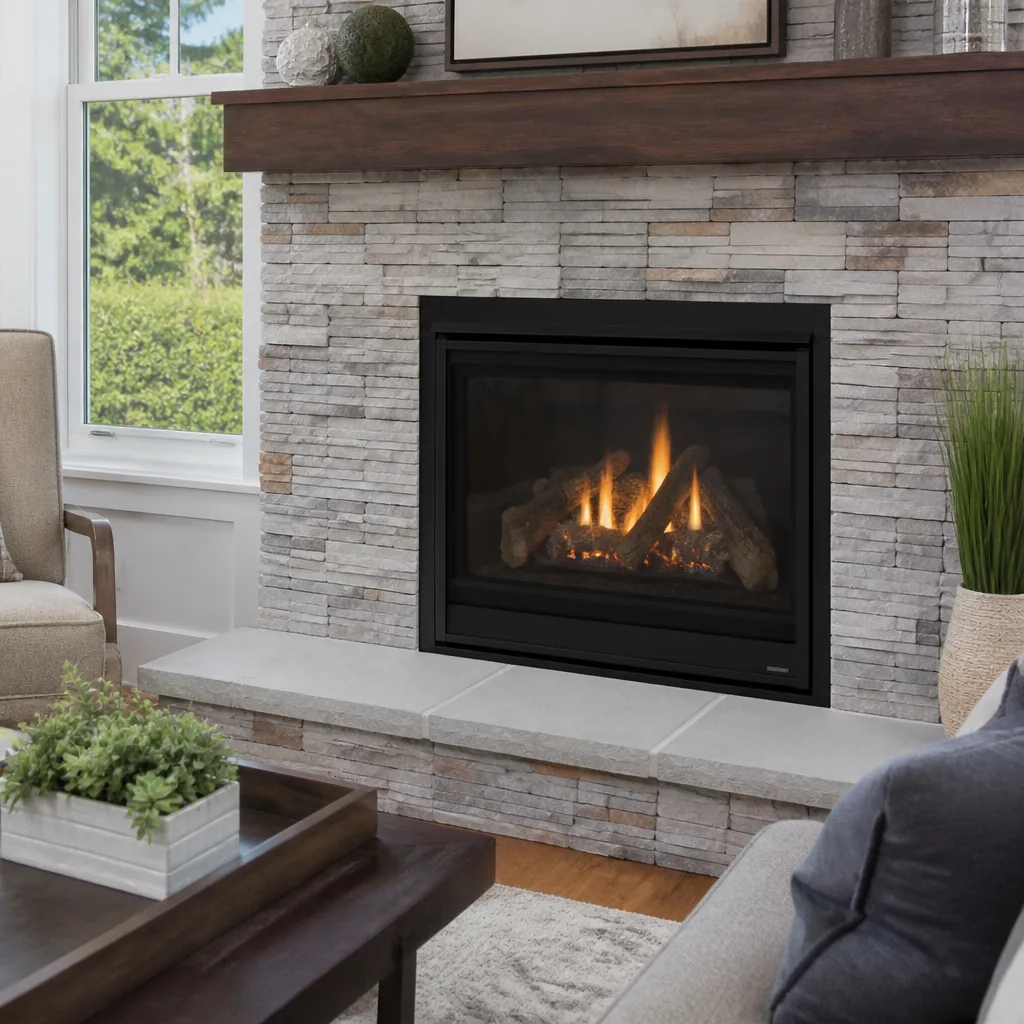 Gas fireplace service
Level 1 sweep and inspection to the NFPA 211 annual standard - flue, crown, cap, and flashing checked and photographed
Chimney sweep logs do not sweep chimneys. They loosen some creosote - which then falls where a brush and vacuum still have to collect it.
Choosing the Right Chimney Cleaning Brand: A Buyer’s Guide for Lynn
When a contractor can’t name the liner system or the sealant brand they’re installing, the honest translation of “what are you putting in my chimney?” becomes “whatever was on the truck.” That’s the uncomfortable truth about shopping for chimney work: most homeowners in Lynn compare quotes on price and never ask about materials, so the material tier is exactly where corners get cut. A chimney is a life-safety system, and the products inside it decide how it performs under heat, moisture, and time. This guide decodes the product landscape so you can ask better questions, read a contractor’s answer, and hold the work to a standard you can actually verify.
Quick Answer
The right chimney brand isn’t a single logo – it’s a contractor who can name specific, professional-grade products in writing before work starts. In Lynn, that means a stainless liner system matched to your fuel type (DuraFlex and comparable flexible liners), a resurfacing system like HeatShield for compromised flues instead of generic cement patching, and caps and crowns from makers such as Gelco, Olympia Chimney, Famco, or Copperfield rather than anonymous parts. Ask for the spec in writing. A professional answers without hesitation; a price-first operator deflects.
Styles & brands we work with
- Sweep & inspection
- Caps & crowns
- Flue relining
- Masonry repair
- Gas fireplace service
Table of Contents
- Why materials tell you more than credentials
- The liner market: alloy grades and fuel types
- HeatShield resurfacing versus cement patching
- Caps and crowns: the parts that fail first in Lynn
- Creosote treatment tiers: mechanism, not price
- How to ask for a written material spec
- Matching brands to the three service types
Why the Products a Contractor Specifies Say More Than Any Credential
A magnetic sign on the side of a truck tells you nothing about what goes inside your flue. The products do. Any contractor can claim to be “certified” or “experienced,” but only someone who actually works with professional-grade materials can tell you the alloy grade of a liner, the difference between a poured and a cast crown, or why a particular sealant holds up under repeated heating cycles. That specificity is hard to fake and easy to verify.
There’s a reason this matters more in Lynn than in a lot of places. Homes here span a wide range of ages and construction types, and chimneys were built to standards that varied by decade. Some flues are clay tile, some are older brick with no liner at all, and some have been relined once already with a product nobody documented. When an older flue has a compromised liner, the material chosen for the repair determines whether it lasts or whether you’re back to the same problem in a few years.
In our experience, the contractors who take the longest to answer a materials question are usually the ones who don’t know the answer. It isn’t that they’re hiding something. It’s that they buy whatever the supply house has in stock that week. That works out fine until it doesn’t.
Here’s the practical takeaway. Before you book a sweep or a repair in Lynn, ask one question: “What brand of liner or sealant are you planning to use, and why?” The answer separates a professional from a generalist.
The Liner Market: Alloy Grades and Fuel Types Explained
Not all stainless steel liners are equal, and the difference comes down to alloy grade. The two you’ll encounter most are 304 and 316L stainless. Both are stainless, both look like metal, and both will pass a quick glance. But they’re designed for different conditions. Understanding the split is the single most useful thing you can learn before approving a relining job in Lynn.
- 304 stainless is a general-purpose alloy. It works well for wood-burning appliances in dry conditions where condensate isn’t a major factor.
- 316L stainless contains molybdenum, which gives it better resistance to chloride and acid attack. It’s the higher tier and the right call for wood, oil, and gas appliances that produce more corrosive condensate.
Fuel type drives the choice. A wood-burning fireplace produces creosote and some moisture. A gas insert produces very little creosote but a lot of acidic condensate. An oil-heating flue produces flue gases with sulfur compounds that are aggressive on lower-tier alloys. The general rule professionals follow: the more condensate and acid a system produces, the more the alloy grade matters. In our experience, oil and gas systems in Lynn almost always belong on the higher-tier alloy.
DuraFlex flexible liners are built for high-heat environments and are specified by professional installers for relining work in part because the brand offers both alloy tiers and clearly marks what each is rated for. That transparency is the point. A liner manufacturer that tells you exactly what each grade handles is one you can hold to a standard. One that sells “a stainless liner” with no grade specified is asking you to trust them without evidence.
Questions to ask about your liner
- What alloy grade are you specifying, and is it rated for my fuel type?
- Is the liner insulated, and if so, with what?
- Will you document the installed product name and grade in the written report?
- What warranty does the manufacturer offer on the liner itself?
HeatShield Resurfacing Versus Generic Cement Patching
When a flue is compromised – cracked tiles, deteriorated mortar joints, gaps that let heat and gas escape – the traditional recommendation is a full liner replacement. That’s sometimes necessary, but it’s not always the only answer, and it’s expensive. HeatShield is a ceramic resurfacing system that restores a compromised flue from the inside without a full tear-out. It’s a repair option most sweep-only contractors don’t offer, and it’s one of the places where the gap between professional systems and generic patching is widest.
The difference shows up over time. Generic hydraulic cement or mortar patching is cheap, fast, and often the default. It also has a tendency to crack and separate as the flue moves through repeated heating and cooling cycles. A rigid patch on a substrate that expands and contracts will eventually lose its bond. When it does, the original problem returns with a little more rubble.
A ceramic resurfacing system is engineered for the thermal environment. It bonds to the flue surface and is formulated to tolerate the cycling. That’s the performance gap: over a five-year horizon, patching is more likely to need redoing, while a proper resurfacing system is designed to hold. It’s also documented, which matters if you’re selling a home or satisfying an insurance requirement in Lynn.
HeatShield isn’t right for every flue. If the structure is too far gone, full relining is the correct call, and any honest contractor will tell you so. But the fact that a contractor knows about – and can use – resurfacing tells you they think in repair options, not in one-size-fits-all replacements. That’s the professional tier.
Caps and Crowns: The Parts That Fail First in Lynn
The top of the chimney takes everything the weather throws at it – rain, snow, freeze-thaw cycles, and the general moisture load of a New England climate. These are the components facing the worst conditions, and they’re the ones homeowners think about least. A crown or cap that fails lets water in, and water in a chimney is the root of most of the expensive damage we see.
Crowns: cast versus poured
The crown is the concrete slab at the top of the masonry chimney that sheds water away from the flue. Cast crowns and poured crowns perform differently. A cast crown is formed elsewhere and set in place; a poured crown is formed and finished on-site. Both can work, but what matters most is the slope, the overhang, the material quality, and the expansion joint at the flue. A poorly sloped crown traps water against the masonry. Bottom-tier materials crack faster under freeze-thaw.
Caps: stainless versus galvanized
The cap covers the flue opening to keep out rain, birds, and debris while allowing exhaust out. Galvanized steel caps are common and inexpensive, and they tend to fail faster under constant moisture exposure than stainless. A stainless cap costs more up front and lasts considerably longer. Companies like Gelco, Olympia Chimney, Famco, and Copperfield make caps and venting components that are selected for fit and finish rather than lowest bid.
Here’s the practical point. The cap and crown are cheap parts to get right and expensive problems to ignore. If your current cap is rusted, loose, or missing, that’s not cosmetic – it’s the entry point for the water that damages the flue below.
Creosote Treatment Tiers: Mechanism, Not Just Price
Creosote is the byproduct of wood burning that deposits on flue walls, and it’s the fuel for most chimney fires. Sweeping removes what’s there. Chemical treatments address how it forms and how it behaves. The tiers in this category differ in how they work, not just in what they cost.
- Hardware-store creosote products often rely on a single mechanism – usually a catalyst that helps creosote burn off at lower temperatures, or a powder that conditions the deposit. They’re a reasonable basic option for light buildup.
- Professional-grade treatments such as Rutland and ACS products are formulated to work with the specific creosote condition present: soot, flaky creosote, or the hardened glaze creosote that sweeping alone can’t fully remove. They’re used as part of a treatment plan, not as a substitute for mechanical cleaning.
Mechanism matters because glazed creosote is different from the soft, sooty deposit. Sweeping removes the soft deposit. Glaze creosote is baked on and requires either chemical treatment to break it down or a different removal approach. A contractor who only knows how to sweep will sweep around it. A contractor who understands treatment tiers will tell you what kind of creosote is present and prescribe accordingly.
In Lynn, where burning season runs long and many homeowners burn steadily through the winter, glaze creosote is common enough that treatment capability is worth asking about. Use professional treatments as directed and never as a substitute for sweeping.
How to Ask a Contractor to Spec Materials in Writing
This is the single most useful step in the whole process, and it takes one conversation. Before any work begins, ask the contractor to put the products in writing: the liner system and alloy grade, the resurfacing system if used, the cap and crown materials, and the creosote treatment product if one is being applied. A professional will give you this without friction because it’s how they quote anyway. A price-first operator will stall, generalize, or act like it’s an unreasonable request.
A numbered walkthrough
- Ask for the spec in writing before booking. “Can you put the materials you’re planning to use in the estimate?”
- Read the answer for specificity. A brand name and grade (e.g., a particular alloy or system) is the signal. “A stainless liner” is not a spec.
- Ask why each product was chosen. The reason should reference your fuel type, your flue condition, or your climate – not “it’s what we use.”
- Cross-check against the written inspection report. If the report recommends relining, it should describe what’s compromised and let you see the camera evidence.
- Confirm the documentation follows the work. You should get a record of what was installed for future service and for real estate or insurance purposes.
The response to this request tells you immediately what kind of operation you’re dealing with. A contractor who can spec products in writing is one who knows what’s going into your chimney. A contractor who can’t has answered your real question.
Matching Brands to the Three Service Types
A chimney has three jobs to do: it needs to be cleaned, it needs to be sound, and it needs to be assessed. Chimney Sweep Lynn works across all three service types, and the brand tier shifts depending on which job you’re doing.
- Sweeping: the products here are brushes, rods, HEPA vacuums, and creosote treatment chemicals. Professional-grade treatment products matter most here, especially where glaze creosote is present.
- Repair: this is where the brand tier matters most – DuraFlex flexible liners for relining, HeatShield for resurfacing, and Gelco or Famco components for caps and venting. This is a chimney repair job, and the materials determine how long the repair lasts.
- Inspection: the output is a written report with camera evidence so you can see what the inspector saw. This is the documentation that supports real estate transactions and insurance requirements, and it’s what makes the recommendations verifiable.
Having one specialist handle all three means the person who sweeps is the person who notices the failing crown, and the person who repairs is the person who documented the original condition. That’s the advantage of a full-service approach: a single point of accountability across the whole system, not a relay between contractors. When a repair needs to happen, the material decision gets made by someone who already knows the flue.
Common Mistakes to Avoid
- Hiring on price alone. The cheapest quote is usually the one with the most anonymous materials. It’s not a moral failing on the contractor’s part; it’s what the price requires. Compare what’s being installed, not just the number.
- Accepting “a stainless liner” as a specification. Stainless is a category, not a grade. Without the alloy and the manufacturer, you have no idea what’s going in.
- Skipping the written inspection report. A report you can read and keep is your protection against work that wasn’t needed and your record of what was actually done. In a Lynn home, that documentation is also useful when you sell or file a claim.
- Letting a crown or cap stay broken through the winter. Water damage to a flue is cumulative. A failed cap in the fall becomes a cracked crown in the spring, and the repair gets more expensive the longer it waits.
- Treating creosote products as a substitute for sweeping. Chemical treatments address creosote that’s already there or that’s forming. They don’t remove the deposit mechanically.
- Assuming a full reline is the only repair option. Resurfacing systems can restore a compromised flue without a tear-out in some cases. Ask whether that applies to yours.
- Not asking what happens after the work. A professional leaves you with a documented installation record so the next service, buyer, or insurer knows what’s in the chimney.
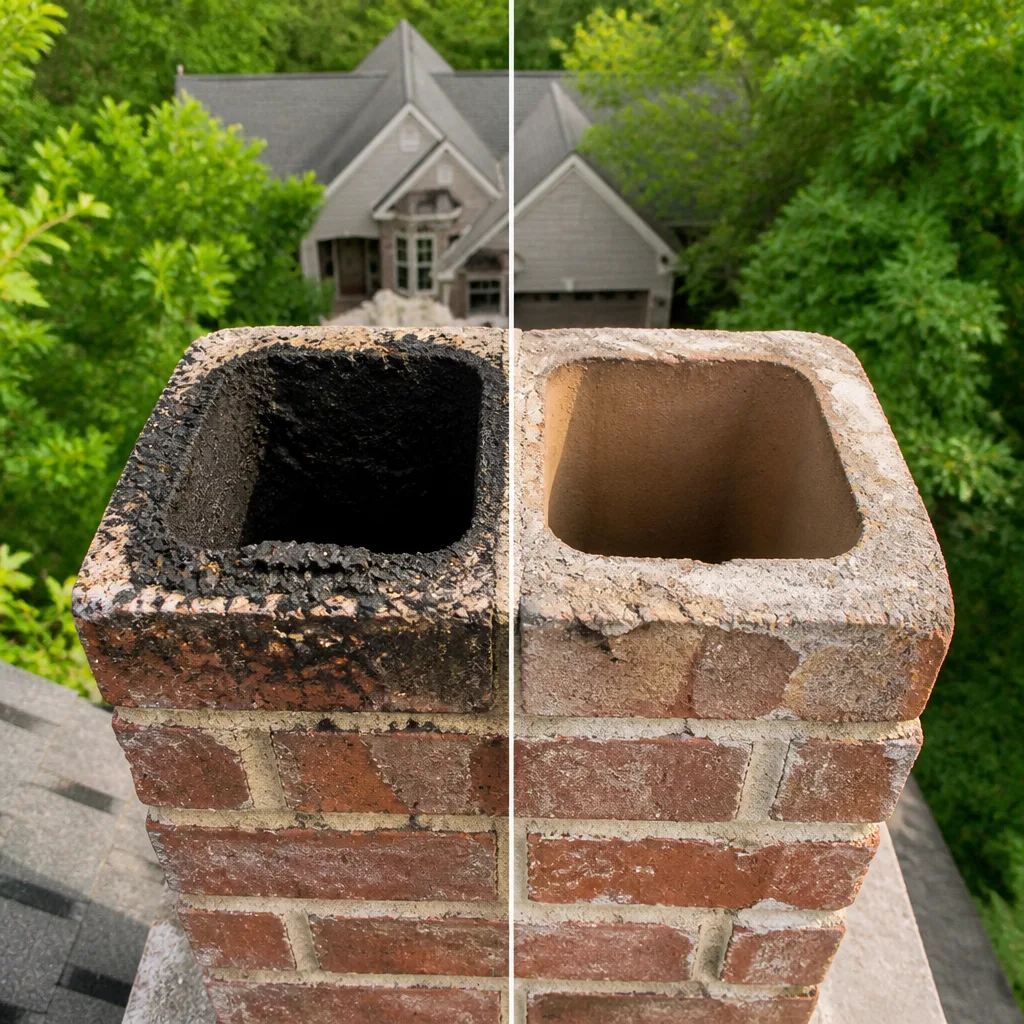
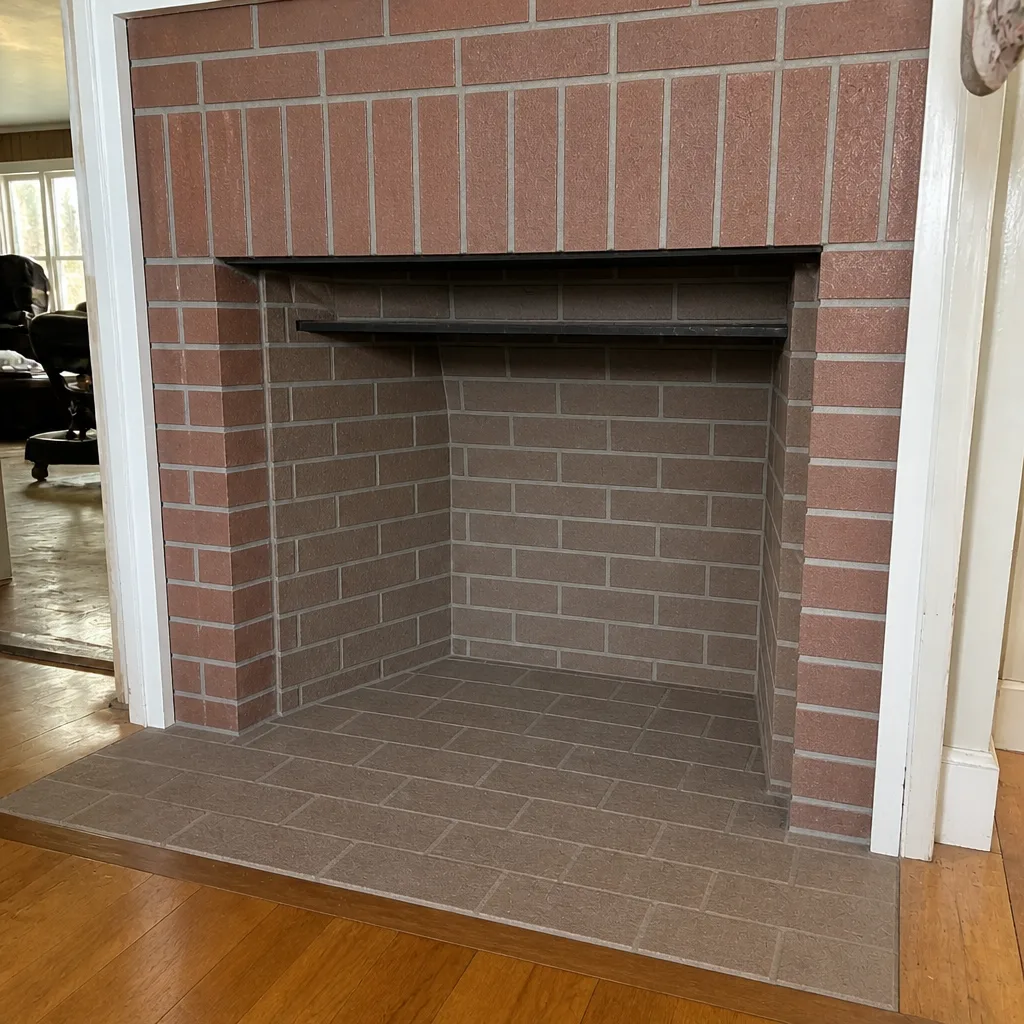
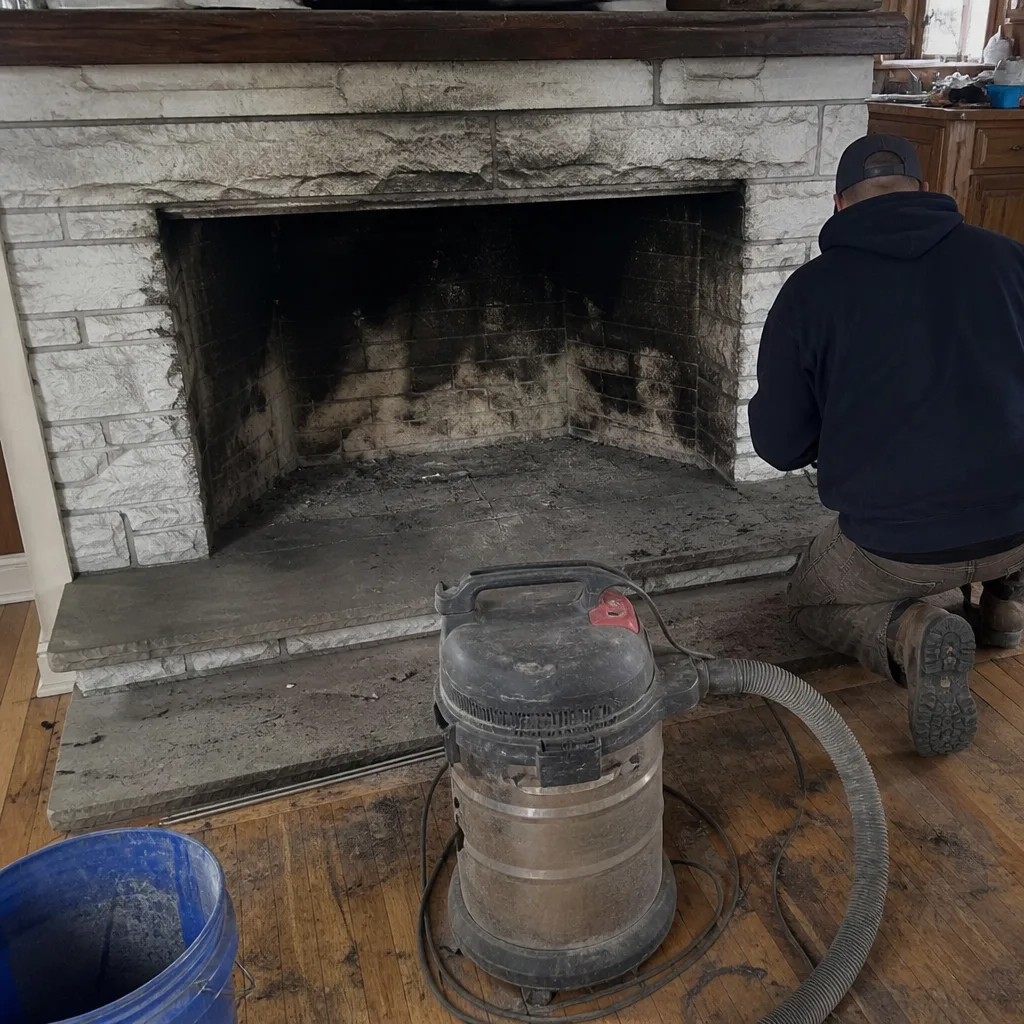
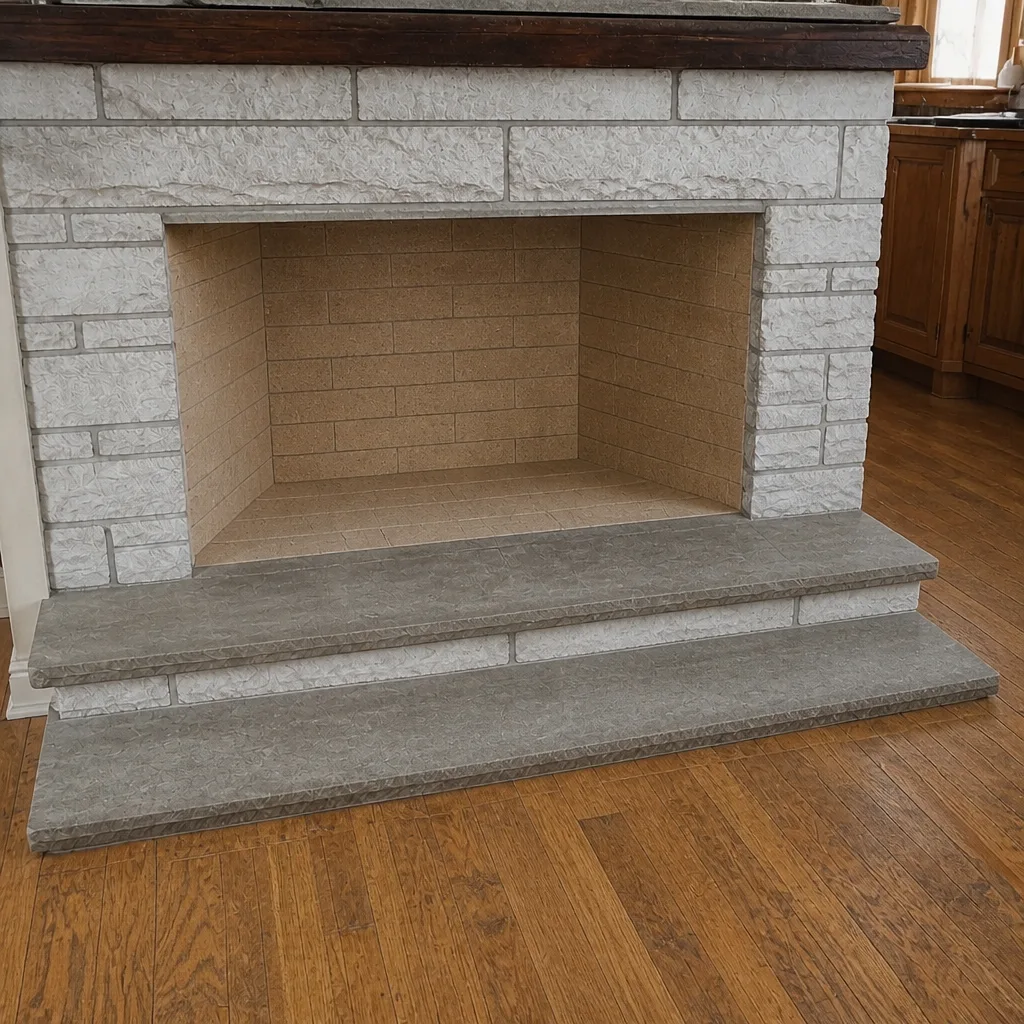
See the difference
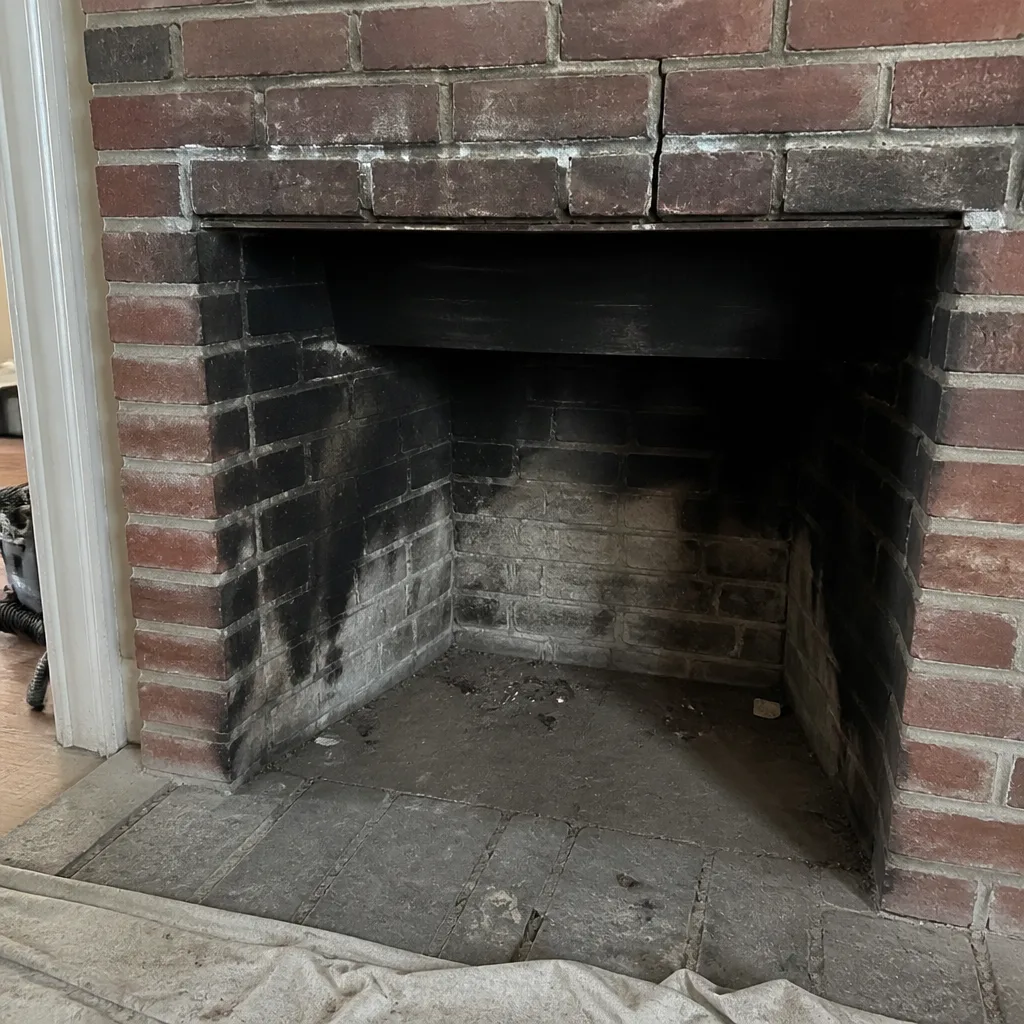 Before
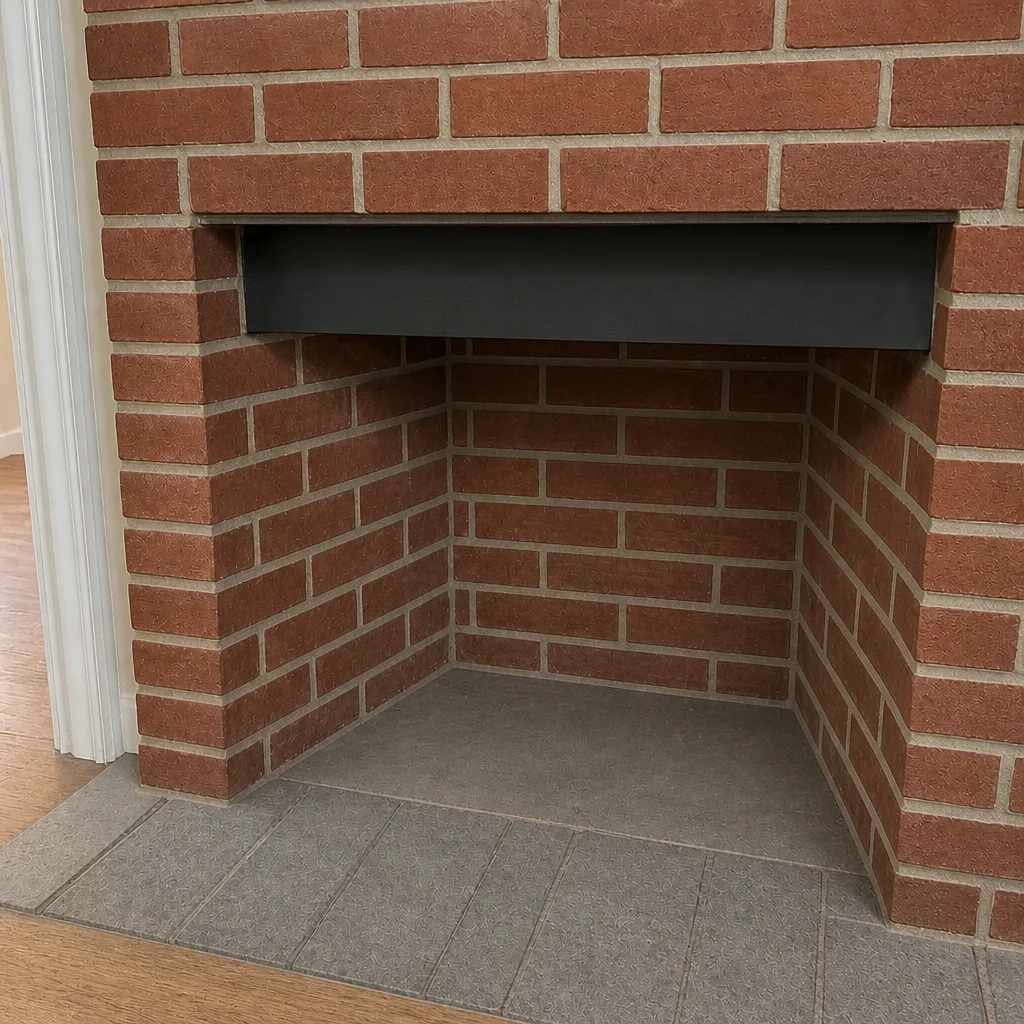 After
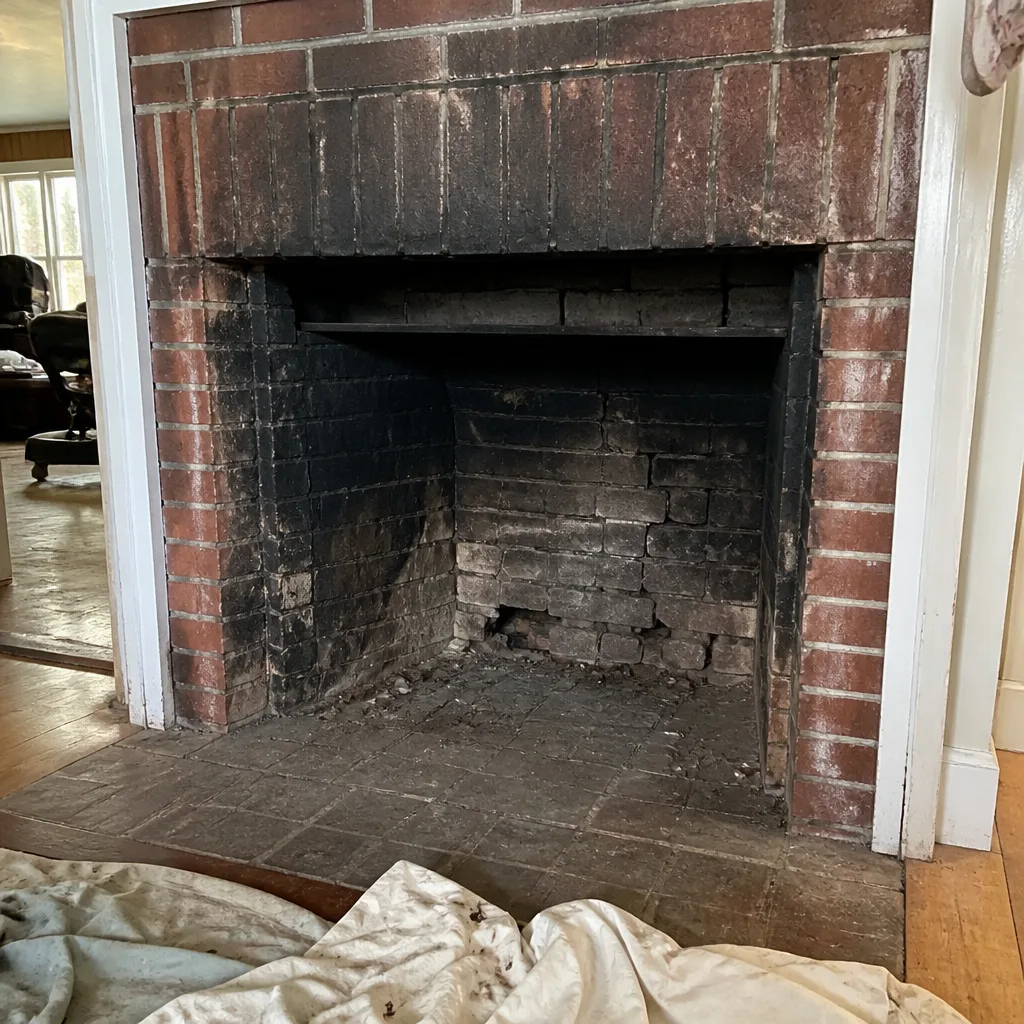 Before
 After
 Before
 After
When to Call a Professional
Some chimney work is a cleaning and some is a safety call. Call a professional when you notice a strong creosote smell that doesn’t clear, a cracking or spalling crown, a cap that’s loose or rusted, visible gaps or cracks in the flue, or smoke backing into the room when you burn. Call before burning season if your flue hasn’t been cleaned and inspected in a while, and call if you’re buying or selling a home in Lynn and need written documentation. If you smell gas or suspect a carbon monoxide problem, leave the building and call emergency services first. Chimney Sweep Lynn offers free estimates in Lynn – call (833) 922-2686. We answer 24/7. Fast dispatch from 7am to 7pm, Sunday through Friday.
Frequently Asked Questions
A professional contractor should be able to name specific professional-grade products: a stainless flexible liner system such as DuraFlex with the alloy grade specified, a resurfacing system like HeatShield for compromised flues, and caps and venting from makers such as Gelco, Olympia Chimney, Famco, or Copperfield. What matters is that the brands are named, rated for your fuel type, and written into the estimate before work begins. If the contractor can’t specify, that’s the answer.
316L is the higher tier and better resists the acid and chloride attack that comes from condensate; 304 is general-purpose and works for drier wood-burning conditions. For oil and gas systems in Lynn, the higher alloy is usually the right call because those systems produce more corrosive condensate. Ask your contractor which grade they’re specifying and why it matches your appliance.
They solve different problems. HeatShield resurfacing restores a compromised flue without a full tear-out, which is a genuine repair option when the flue structure is otherwise sound. A full liner replacement is the right call when the flue is too far gone for resurfacing. A professional will tell you which situation you’re in and let you see the camera evidence behind the recommendation.
Soft, flaky creosote usually comes off with sweeping; hardened glaze creosote needs a treatment approach because mechanical cleaning alone may not remove it. The only reliable way to know is an inspection that identifies the deposit type. In our experience, Lynn homeowners who burn steadily through the winter are more likely to have glaze buildup worth treating.
An inspection tells you what state your flue is in and gives you a written record; a cleaning removes what’s accumulated. They’re separate services but often done together. If you’re buying or selling a Lynn home or need documentation for insurance, standalone inspection with a written report is the right starting point.
An honest one will, and you should hear it in plain language. Nothing serious should be recommended without camera evidence you can see for yourself, and a professional should be willing to say when a repair is urgent and when it can safely be scheduled. That’s the whole point of documentation: it lets you judge the recommendation instead of trusting the pitch. Call (833) 922-2686 for an exact quote – estimates are free.
The Bottom Line
Your chimney is a life-safety system, and the products inside it are the part you can actually verify. Learn the alloy tiers. Ask about resurfacing versus full relining. Know why cap and crown materials matter. Understand that creosote treatments differ in mechanism, not just price. Then ask one contractor to put the spec in writing before work begins. The answer will tell you more than any credential. Chimney Sweep Lynn handles sweeping, repair, and inspection with professional-grade products from DuraFlex, HeatShield, Gelco, Olympia Chimney, Famco, and Copperfield. Call (833) 922-2686 for a free estimate. We answer 24/7. Fast dispatch from 7am to 7pm, Sunday through Friday. If you’d like to start with a chimney sweep, we can put the full picture together from there, and you can learn more about Chimney Sweep Lynn and how we work.
Written by the team at Chimney Sweep Lynn.