
Last updated November 16, 2026
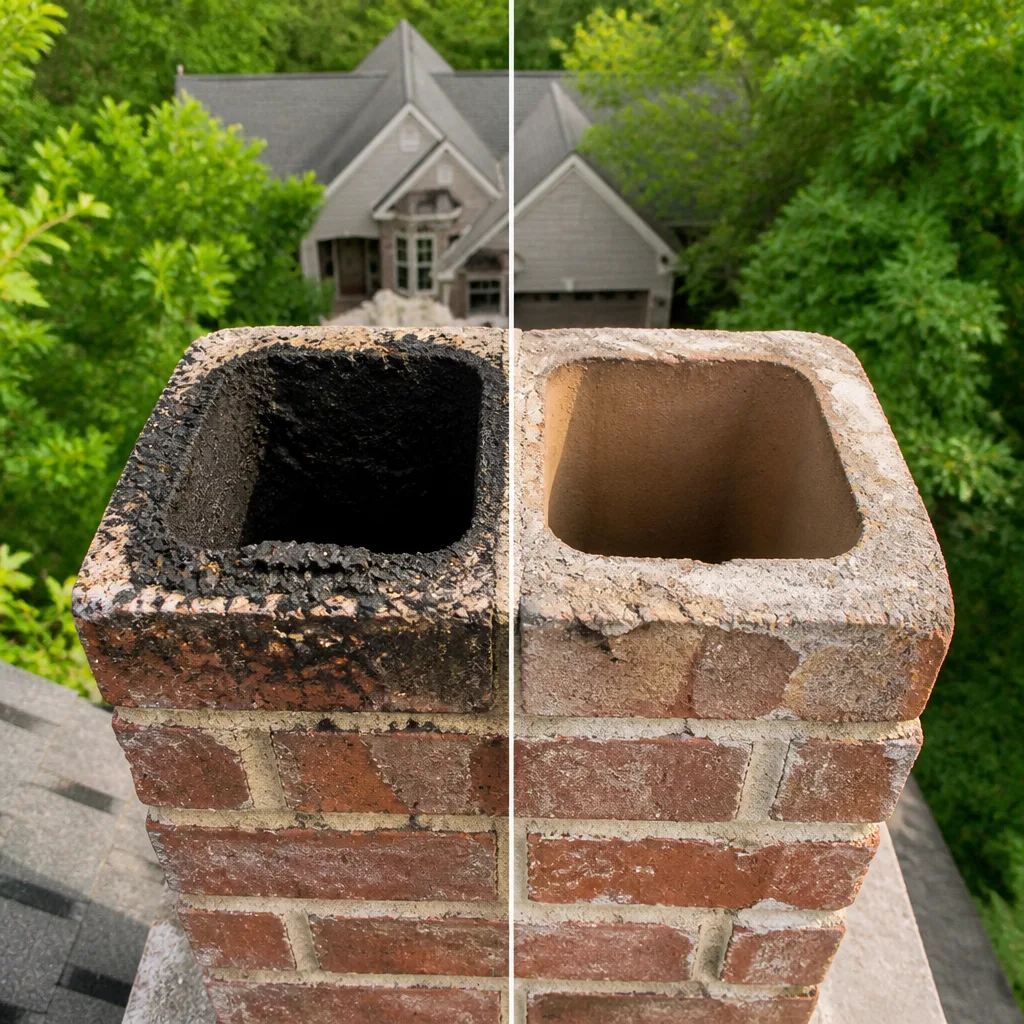 Sweep & inspection
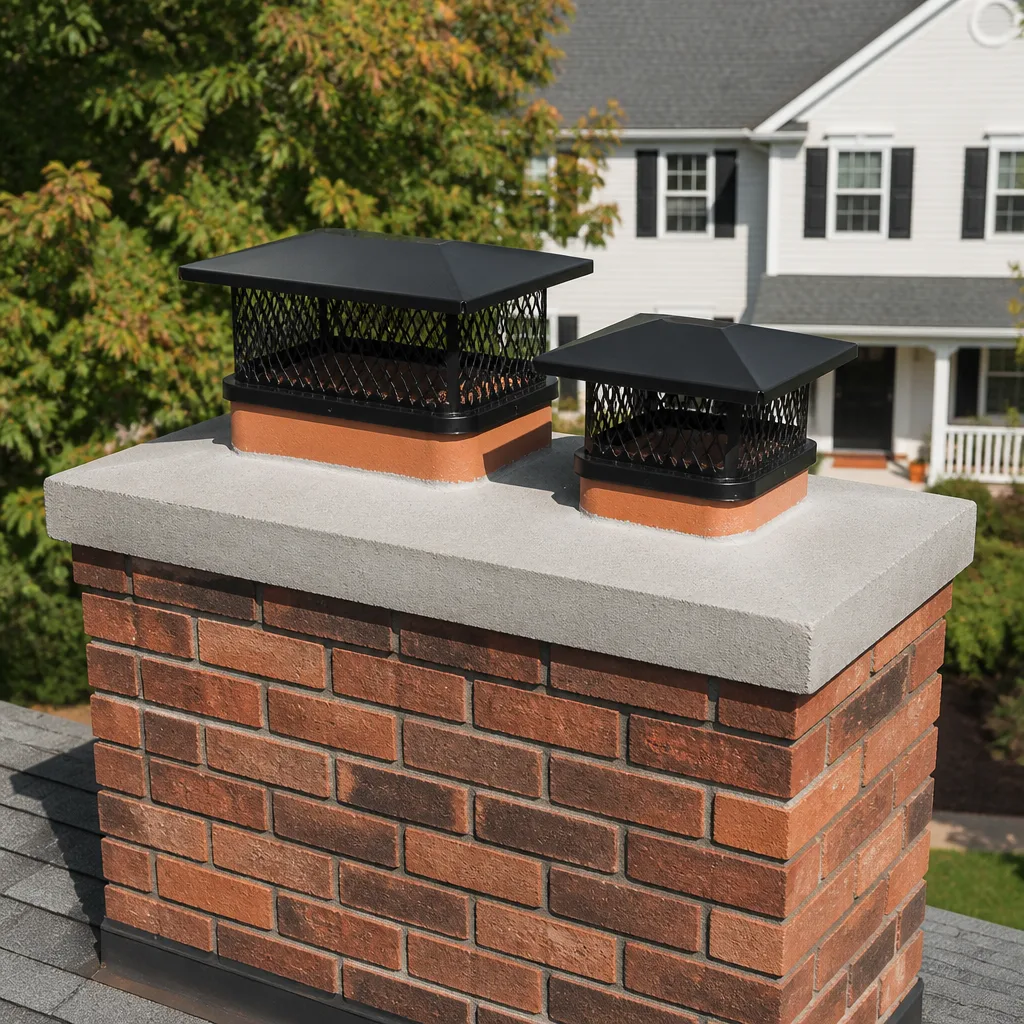 Caps & crowns
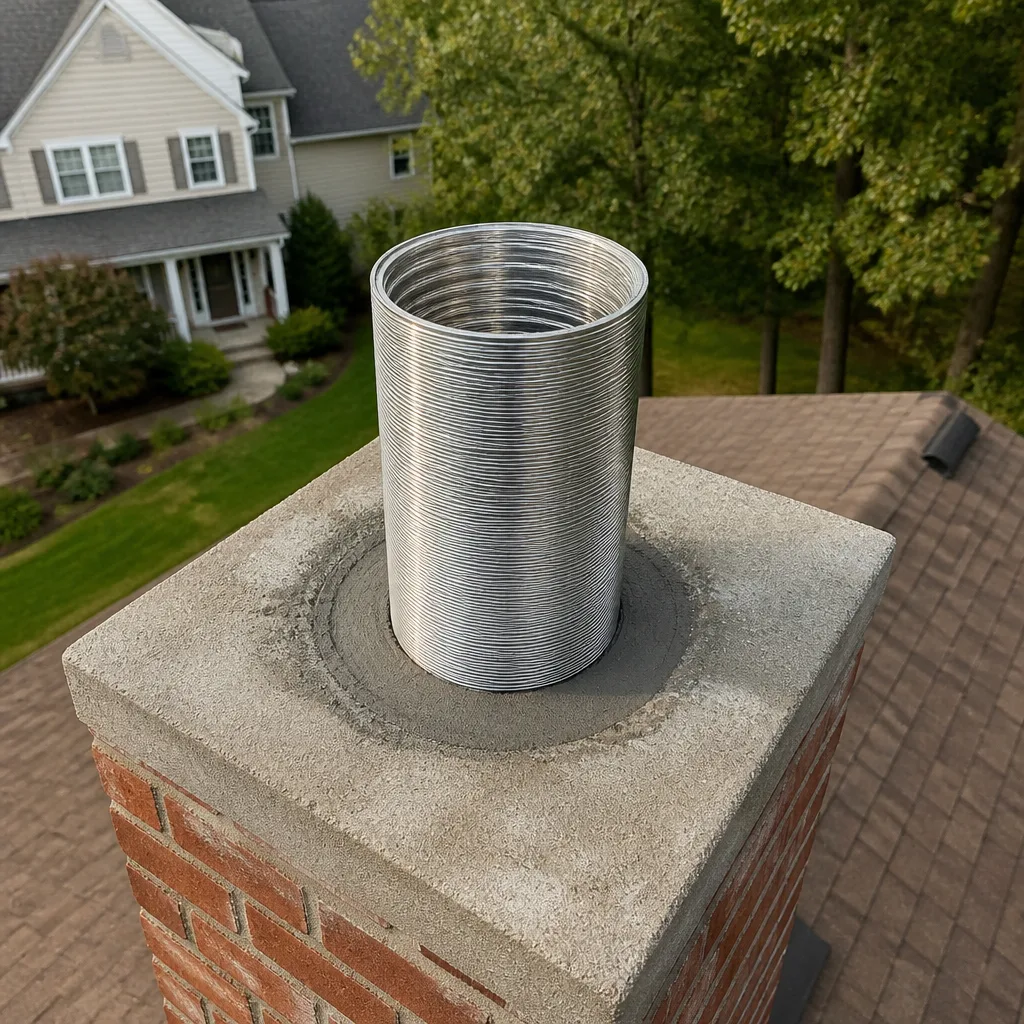 Flue relining
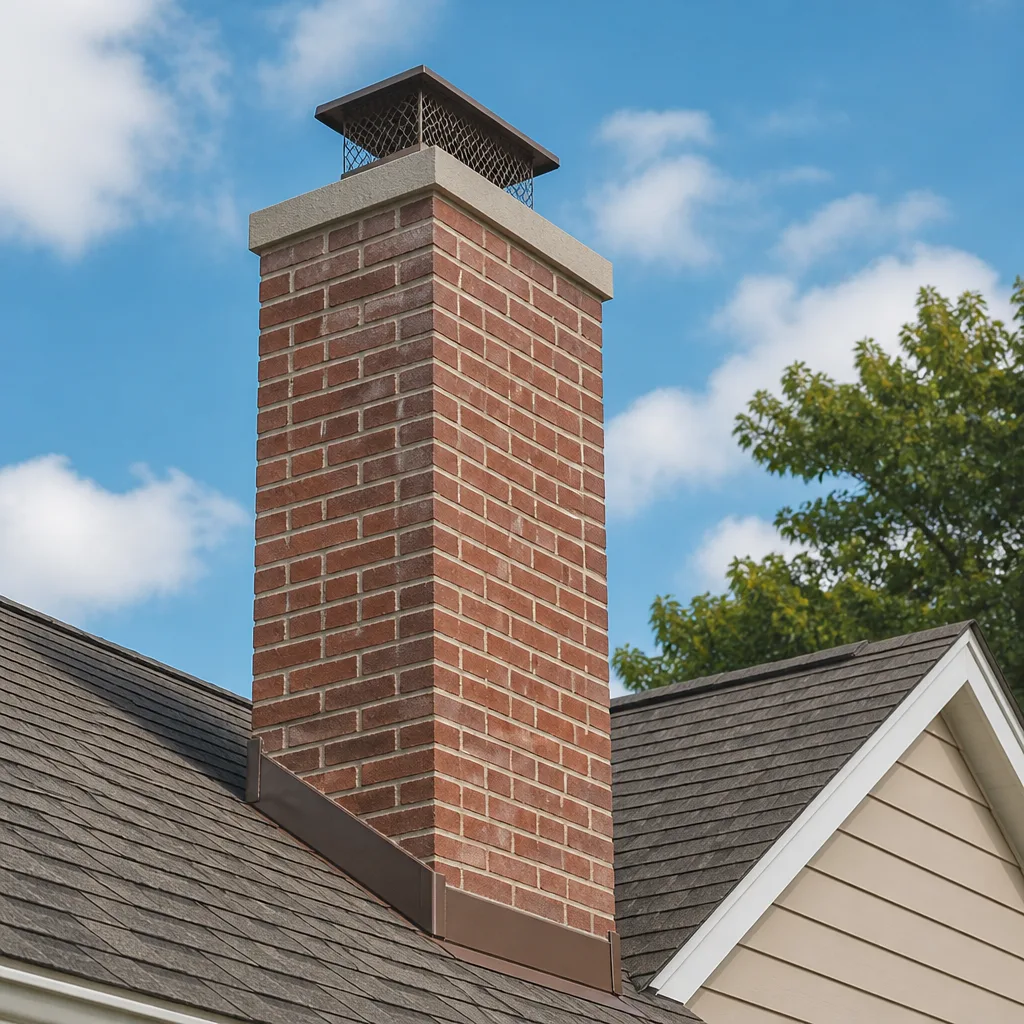 Masonry repair
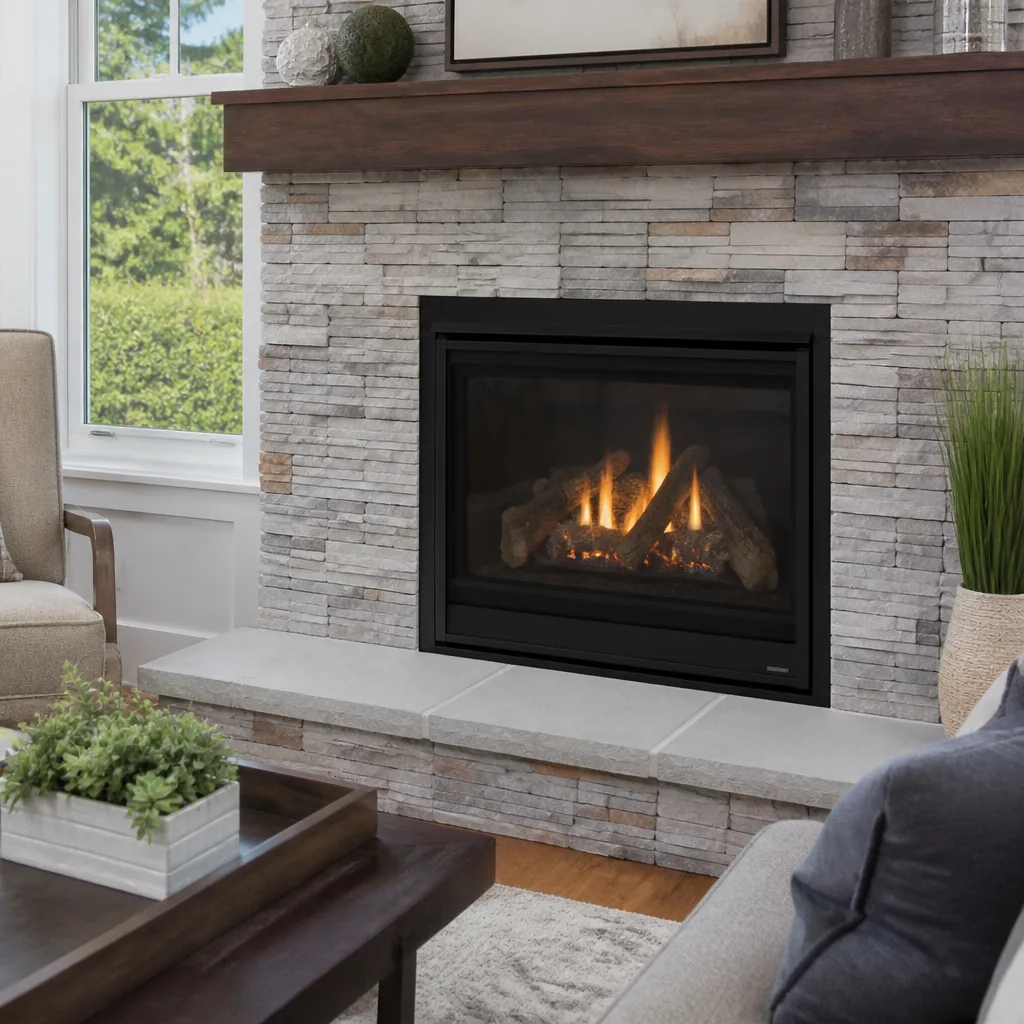 Gas fireplace service
Level 1 sweep and inspection to the NFPA 211 annual standard - flue, crown, cap, and flashing checked and photographed
Chimney sweep logs do not sweep chimneys. They loosen some creosote - which then falls where a brush and vacuum still have to collect it.
The Complete Guide to Chimney Cleaning in Lynn
Most chimney fires in Massachusetts aren’t caused by neglect. They’re caused by homeowners who booked a quick sweep, got a clean flue, and never found out what that sweep should have revealed: a cracked liner, a failing mortar joint, a flue that was never sized for the appliance now connected to it. The cleaning happened. The diagnosis didn’t. In our experience, that gap is where real problems hide. This guide walks through what chimney cleaning in Lynn actually involves, how the older housing stock here changes the job, and what you should walk away with besides a clean chimney.
Quick Answer
Chimney cleaning in Lynn means removing creosote, soot, and obstruction from the flue, then verifying the chimney’s condition through a defined inspection level. A proper cleaning pairs the sweep with a Level 1, 2, or 3 inspection depending on whether anything has changed with the system, and it ends with written documentation of what was found, not just a receipt.
Styles & brands we work with
- Sweep & inspection
- Caps & crowns
- Flue relining
- Masonry repair
- Gas fireplace service
Table of Contents
- Why Chimney Cleaning in Lynn Is Different
- Level 1, Level 2, and Level 3 Inspections Explained
- What a Professional Sweep Should Document
- Oil-to-Gas Conversions and Liner Evaluation
- Triple-Deckers and Pre-1960 Single-Families
- How Often Should You Clean Your Chimney?
- What Happens During a Sweep
- Common Mistakes to Avoid
- When to Call a Professional
Why Chimney Cleaning in Lynn Is Different
Chimney cleaning in Lynn runs into conditions that a homeowner moving here from a drier, inland town may not have thought about. The city sits on the North Shore and takes on humidity most of the year. Humid air is hard on brick and mortar. Mortar joints that would last decades in a dry climate tend to soften and erode faster here, and once mortar starts going, the clay tile liner behind it can shift. A chimney that looks fine from the ground can have joints that have lost a measurable amount of their profile by the time anyone gets on the roof.
That erosion does something else, too. Rough, deteriorating mortar gives creosote something to grab onto. Creosote is the tar-like residue left behind when wood burns incompletely, and in a flue with a smooth, intact liner, it tends to deposit evenly and sweep away cleanly. In a flue with pitted joints and rough patches, creosote bonds to the texture and builds up in layers. That buildup is what makes glazed creosote so difficult to remove and so dangerous if combustion temperatures climb.
Lynn’s housing stock adds to the picture. A large share of the city’s homes were built before 1960, and many still have their original clay tile liners, which were sized for the appliances available at the time. When those chimneys now vent a different appliance, or a fireplace insert that was added later, the liner may be the wrong size or the wrong material for what it’s being asked to do. That’s a diagnostic question, not a cleaning question, and it’s why we treat a Lynn sweep as an assessment first.
- Humidity accelerates mortar joint decay compared with drier inland climates
- Eroded mortar gives creosote a rough surface to bond to, making deposits harder to remove
- Aging clay tile liners may not match the appliance currently venting through them
- Pre-1960 construction means original materials are common, not rare
None of that is meant to worry you into replacing a chimney you don’t need to replace. It’s meant to explain why a sweep in Lynn should look at the flue, not just clean it. If you want the baseline service that starts that process, a professional chimney sweep will remove what’s there and tell you what condition it’s in.
Level 1, Level 2, and Level 3 Inspections Explained
The NFPA 211 standard defines three inspection levels for chimneys, and the level that applies to your home depends on what has changed with the system, not on how much time has passed. Getting the level right matters, because each one is designed to catch different problems. This is one of the areas where a Lynn homeowner should know what they’re asking for before they book anything.
Level 1 Inspection
A Level 1 is the read-and-readily-accessible check. The technician examines the accessible portions of the chimney, the firebox, the damper, and the visible flue from the appliance connection, then confirms the system is still in the condition it was in when last serviced. You’d want this when nothing about the appliance or chimney has changed and you’re getting your routine annual cleaning. It’s the most common level for a home on a regular cleaning schedule.
Level 2 Inspection
A Level 2 goes further and includes the accessible parts, plus the attic, crawl space, and other concealed areas where the chimney passes through building construction. It also calls for a video scan of the flue interior, which is how a technician actually sees cracks, gaps in joints, separation between tiles, and the textured surface conditions that make creosote bond. Level 2 is the right call when you’re buying a home, when an appliance has been replaced or changed, after a chimney fire or a seismic event, or when a problem has been suspected but not identified. For a home inspection or a real estate transaction in Lynn, this is the inspection level a buyer or lender will typically expect.
Level 3 Inspection
A Level 3 is a targeted, invasive inspection. It’s used when a Level 1 or Level 2 has already identified a problem that can’t be resolved without opening up construction, such as a suspected breach behind a wall or in a concealed chase. It’s not a first appointment. It’s what comes after a camera scan or a visual observation points somewhere specific.
- Level 1: routine cleaning, no changes to the appliance or system
- Level 2: home purchase, appliance change, suspected problem, video flue scan needed
- Level 3: targeted invasive investigation after a defect has already been located
We document which level was performed and what was found at each one, in writing. That record is what gives you something to act on, and it’s the same record a real estate transaction or an insurer may ask for. For the repair side of that conversation, see our chimney repair page.
What a Professional Sweep Should Document
A professional chimney sweep in Lynn should hand you written documentation of what was found, not just a clean flue and a receipt. The cleaning removes material. The documentation tells you what state the system is in and what, if anything, needs attention next. Those are two deliverables, and a sweep that skips the second one has left you with half the job.
Here’s what the write-up should cover, in plain language you can actually use:
- Inspection level performed and why that level applied to your home.
- Degree of creosote measured and where it was found, so the next sweep has a baseline to compare against.
- Flue condition, including visible liner condition and any joints, cracks, or separations observed.
- Photos of anything flagged, so you can see what the technician saw.
- Appliance and venting details, since mismatched sizing and connector issues show up here first.
- Clear recommendation, in priority order, with what can safely wait and what shouldn’t.
You should be able to read the report without a decoder ring. If a recommendation is for a repair or a reline, the report should tell you what evidence drove it, and you should be able to see that evidence yourself. We won’t recommend work that isn’t in the report, and we won’t put work in the report that you can’t see the reason for. That’s how we handle it, and if a sweep returns a report you don’t understand, ask the technician to walk you through it before you authorize anything.
A written inspection also matters practically. Insurance companies and real estate buyers treat a documented, dated inspection as a working record of the chimney’s condition. A verbal “your chimney looked fine” doesn’t survive a closing or a claim.
Oil-to-Gas Conversions and Liner Evaluation
If your home was heated with oil and has since been converted to gas, the chimney serving that appliance needs a liner evaluation before it gets a sweep, not after. This comes up often in Lynn’s older neighborhoods, where homes were built with oil heat and later switched to gas-fired equipment.
The reason is straightforward. Oil-fired appliances and gas-fired appliances vent differently, and the flue that worked for one isn’t automatically correct for the other. Gas appliances often need a properly sized and correctly listed liner to vent safely, and an older clay tile flue that served an oil boiler may be oversized for a modern gas unit. An oversized flue cools exhaust gases too fast, which contributes to condensation, moisture damage, and drafting problems. The gas also runs at a different combustion temperature and produces different condensates.
What that means in practice:
- Confirm what appliance is currently connected to the flue before anybody touches it
- Check that the liner is properly sized for the appliance and listed for gas service
- Look for condensate damage, including spalling or soft mortar, before cleaning
- Verify the vent connector and termination are intact and correctly configured
If a sweep is performed on a converted chimney without that evaluation, you clean the flue and leave the underlying mismatch in place. That’s the order of operations problem this guide keeps returning to. Where the evaluation identifies a liner that needs replacing, our approach is to specify a product from a recognized manufacturer rather than whatever happens to be on hand. The brands we work with include Olympia Chimney for flexible liner systems and Copperfield for related components, both of which are specified by professional installers. The point isn’t the brand name. The point is that the material is traceable and warrantied, and that you’re not depending on a supplier relationship to determine what goes in your flue.
For the broader set of home services in the area, you can find more context on our Lynn page.
Triple-Deckers and Pre-1960 Single-Families
Lynn’s housing mix produces a few chimney setups that generic cleaning guides don’t address. Two of them come up regularly: the triple-decker and the pre-1960 single-family.
Triple-Deckers
These buildings often have multiple chimneys serving multiple units, plus shared or adjacent flues depending on how they were built and how they’ve been modified over time. For a chimney service, that raises questions a single-family home doesn’t: which flue serves which appliance, whether anything is connected to the wrong flue, and whether any of the flues have been abandoned in place without being properly capped or sealed. Abandoned flues matter because an uncapped flue is a path for water, animals, and downdraft. Sealing and capping with a properly fitted component from a manufacturer like Gelco or Famco resolves it, but somebody has to identify the condition first.
Pre-1960 Single-Families
In a home of this era, original clay tile liners are the norm, and the flues were sized for the appliances of their time. When a fireplace insert has been added, when a wood stove was installed by a previous owner, or when an oil-to-gas conversion happened, the liner may no longer match. That doesn’t mean the chimney is unsafe. It means the chimney needs to be evaluated as it is today, not as it was on the day it was built. Some of those evaluations end with a recommendation to reline using a flexible system from a brand like Olympia Chimney. Others end with a resurfacing repair. We use HeatShield for a lot of liner resurfacing work, because it’s designed to restore a compromised flue from the inside without the cost and disruption of tearing out and replacing the entire liner. A sweep-only operation doesn’t have that option in the toolbox, so it isn’t offered, and the homeowner ends up choosing between the full tear-out or nothing.
If your home is a triple-decker, a converted single-family, or a pre-1960 build where nobody has looked at the flues in years, a documented inspection is the right starting point. The right tool for it is a camera scan and a written report, not an opinion from the ground.
How Often Should You Clean Your Chimney?
The honest answer is that chimney cleaning in Lynn should be scheduled based on what’s burned and how often, not on a fixed calendar. The industry rule of thumb is annual cleaning and inspection for a home that burns wood regularly, but the rule of thumb is a starting point, not a substitute for an inspection.
What changes the schedule:
- How much you burn. A fireplace used a few times a season in winter is different from a wood stove that’s the primary heat source.
- What you burn. Seasoned, dry hardwood produces less creosote than unseasoned wood or softwood. Burned paper and trash add to the problem.
- How you burn. Smoldering, low-oxygen fires deposit creosote faster than hot, complete burns. Dampered-down overnight burns are a common contributor.
- What’s venting through the chimney. A converted oil-to-gas flue and a wood-burning fireplace don’t follow the same schedule. They also don’t get cleaned the same way.
For gas appliances, a chimney or venting check is still a yearly matter, even though there’s no creosote to remove. The venting has to be confirmed clear and intact, because a blocked or disconnected gas vent is a carbon monoxide concern, which is a different and more urgent risk than creosote. Your flue is a life-safety system. The annual check is a small amount of work in exchange for knowing the system is doing what it’s supposed to.
A chimney sweep in Lynn can also set a schedule based on the creosote level measured in your flue, which is more useful than guessing. If the inspection shows a light deposit and a clean liner, an annual return is fine. If it shows glazed deposits, that’s a different conversation and the schedule tightens. The inspection level determines whether a follow-up cleaning is needed sooner, and the written report is the evidence you’ll want on hand if you ever need it for a sale or an insurance claim.
What Happens During a Sweep
Understanding the process helps you know what to expect and what to ask before anyone arrives. The sequence itself is not complicated, but the order matters, and a sweep that skips a step is a sweep that leaves the job partly done. Here’s the sequence we follow for a chimney cleaning in Lynn.
- Pre-inspection. Before any cleaning, we look at the firebox, the damper, the appliance connection, and the accessible portions of the flue. This establishes what’s being cleaned and what condition it’s in.
- Protection. The working area around the hearth and floor is covered. A sweep is a dusty job even when done carefully, and containment keeps the mess in the chimney and out of the room.
- Cleaning. The flue is brushed from the appropriate direction with the right tool for the flue type. This removes soot and creosote. For gas appliances, the cleaning step is replaced by vent and termination verification.
- Camera scan or visual verification, depending on the inspection level. This is where the flue condition is assessed and where any breach, gap, or surface degradation is documented.
- Clearance check and debris removal. What comes out is removed from the property. The firebox and damper are left in working order.
- Written report and recommendation, with photos and priorities. This is the deliverable you should keep.
For a gas insert or a converted flue, the sweep changes shape. Remove nothing you don’t have to, verify everything. A blocked or displaced vent on a gas appliance is a carbon monoxide risk, and the assessment reflects that. Anything more involved than a cleaning or a cap should go to a trained professional, and we say so rather than improvise. That’s why we offer chimney inspection as a standalone service and don’t fold it into a cleaning-only visit.
Common Mistakes to Avoid
- Booking a sweep with no inspection attached. The flue gets cleaned and the crack in the liner goes unseen. In Lynn’s older homes, that’s the most expensive version of this mistake.
- Skipping the flue evaluation after an oil-to-gas conversion. Cleaning a converted chimney doesn’t fix a liner that was sized for a different appliance. Do the evaluation first.
- Building a fire in a chimney you haven’t had checked in years. Every chimney fire has creosote in the story, but the creosote doesn’t tell you when it became unsafe. Get it checked before the first burn of the winter.
- Accepting a repair recommendation with no evidence. Any liner, liner resurfacing, or structural recommendation should be backed by photos and a written report. If the technician can’t show you why, ask them to.
- Assuming a clean flue is a safe flue. A cleaning removes what was in the flue. It doesn’t assess the liner, the joints, or the sizing. That’s the inspection.
- Hiring based on the lowest quote for a tear-out. A full liner replacement is a substantial job. The point of HeatShield resurfacing is to make it unnecessary in cases where the flue can be restored from the inside. If that option was never mentioned, ask.
- Not keeping the documentation. The written report is your record of what the chimney looked like and what was done. Keep it. It’s what you’ll show a buyer or an insurer if it matters.
When to Call a Professional
Call a professional rather than handle it yourself when the flue has glazed creosote, when a previous sweep flagged something but nothing was done, when a gas appliance has been replaced or the venting has been altered, when you’re buying or selling a home and need documented inspection, or when anything about the chimney feels wrong and you can’t explain why. High chimney work carries real fall and dust exposure, and glazed creosote doesn’t come off with a homeowner-grade brush. Gas lines and electrical connections tied to the chimney should never be opened up by anyone who isn’t trained to work on them. Chimney Sweep Lynn offers free estimates in Lynn. Call (833) 922-2686. We answer 24/7. Fast dispatch from 7am to 7pm, Sunday through Friday.
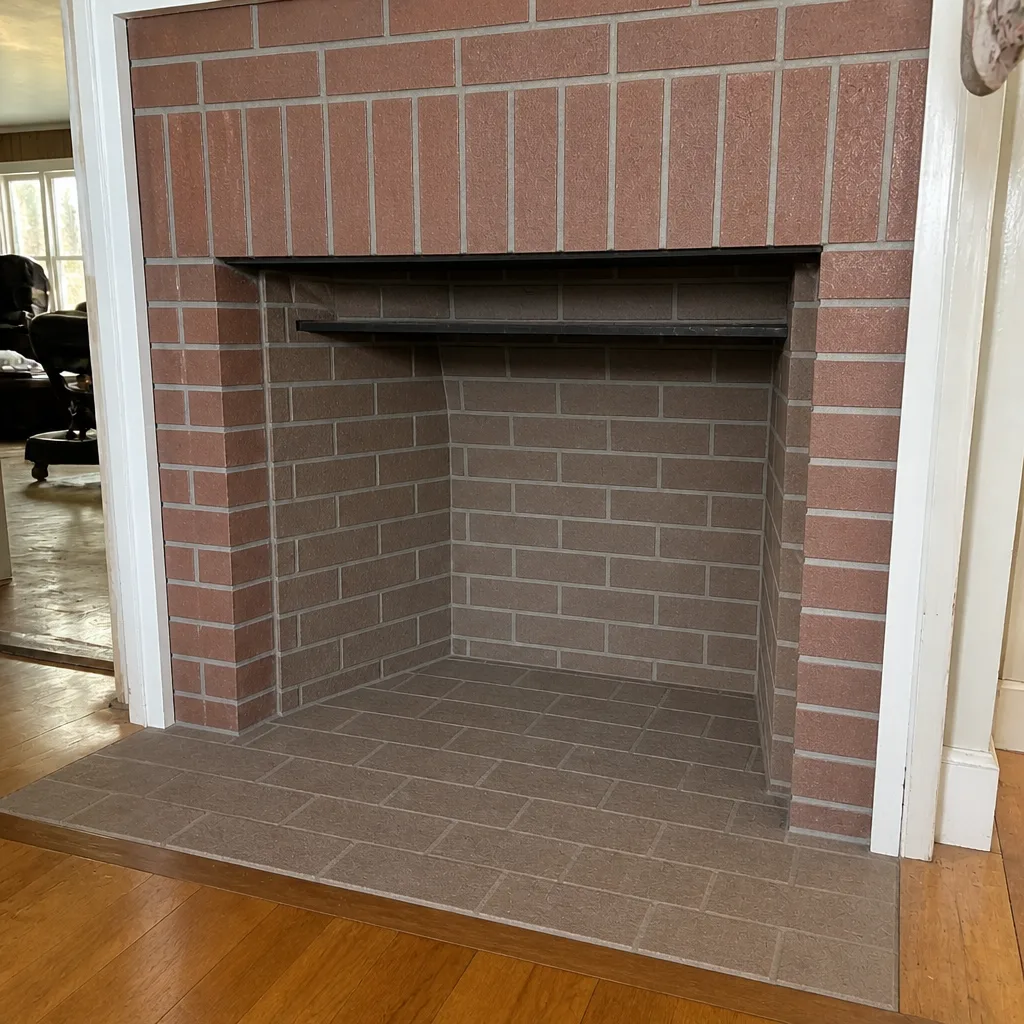
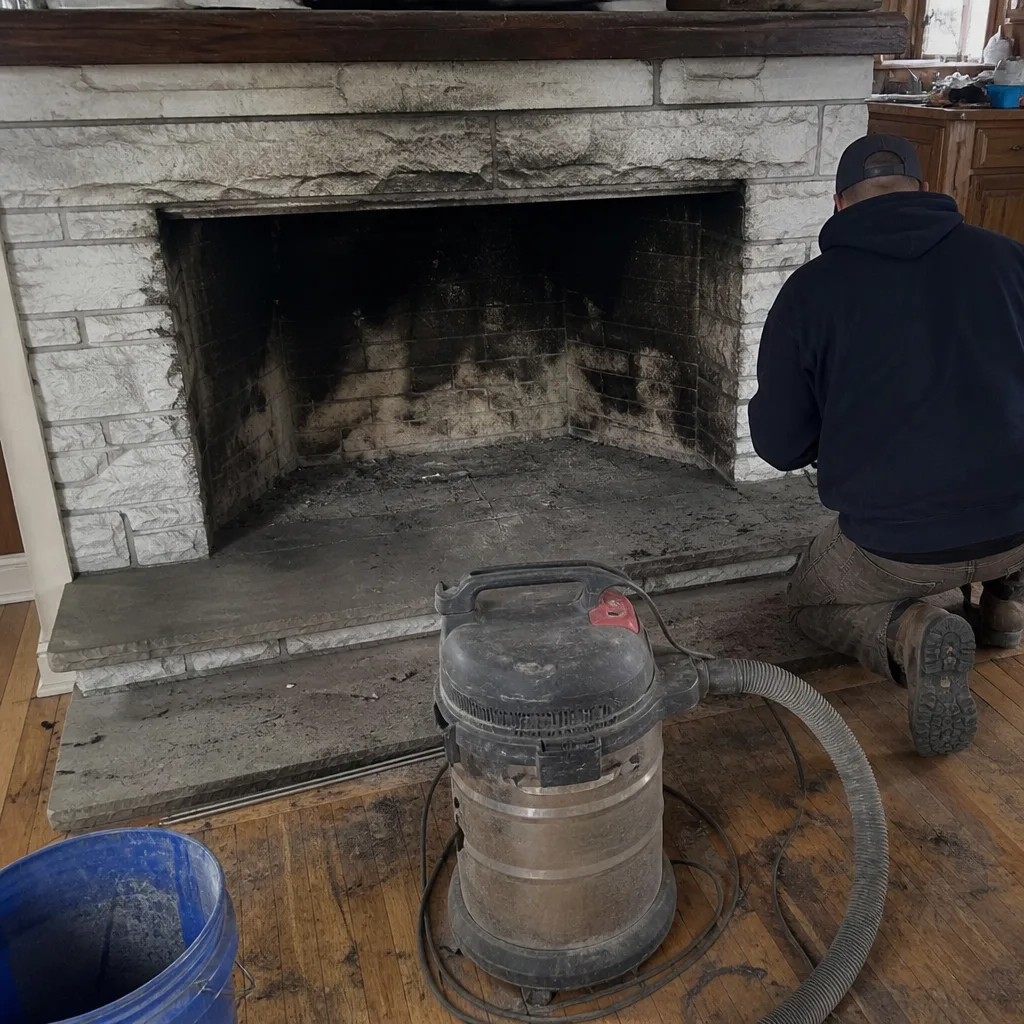
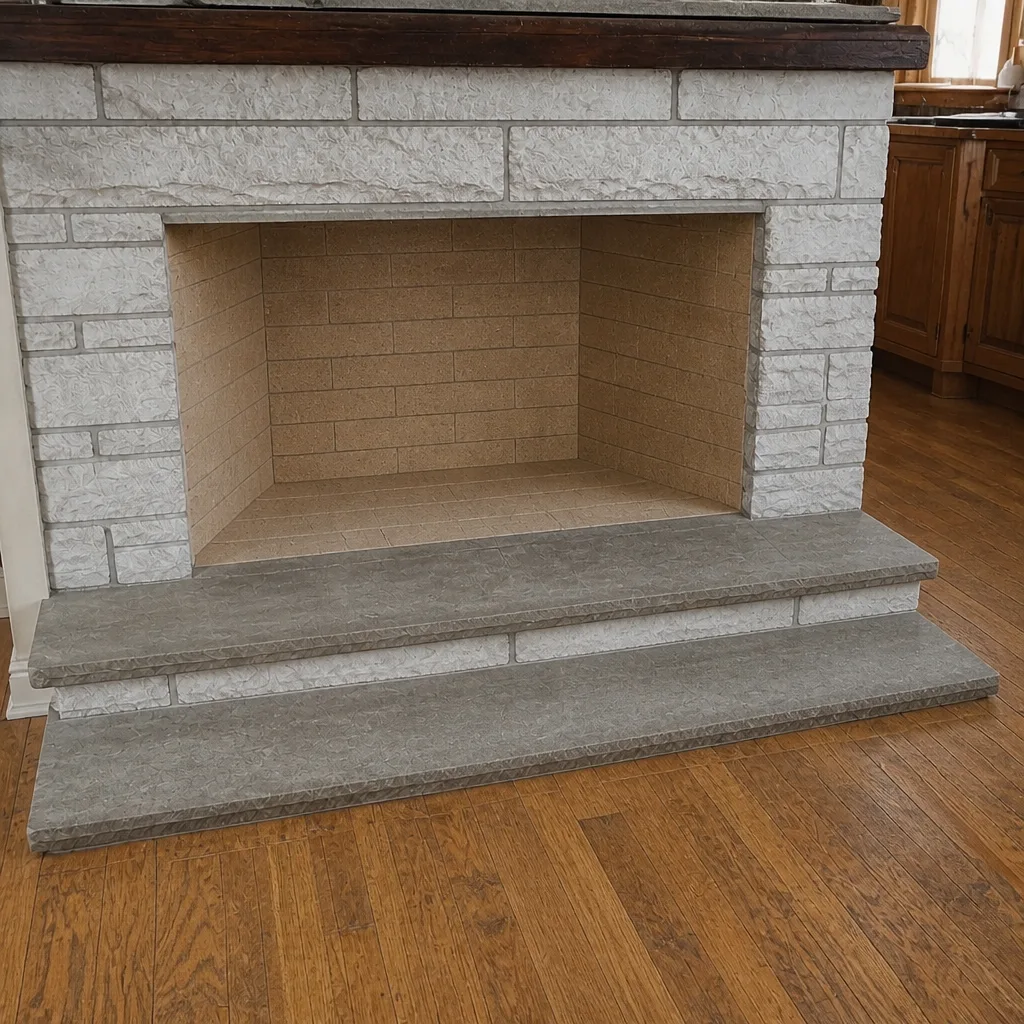
See the difference
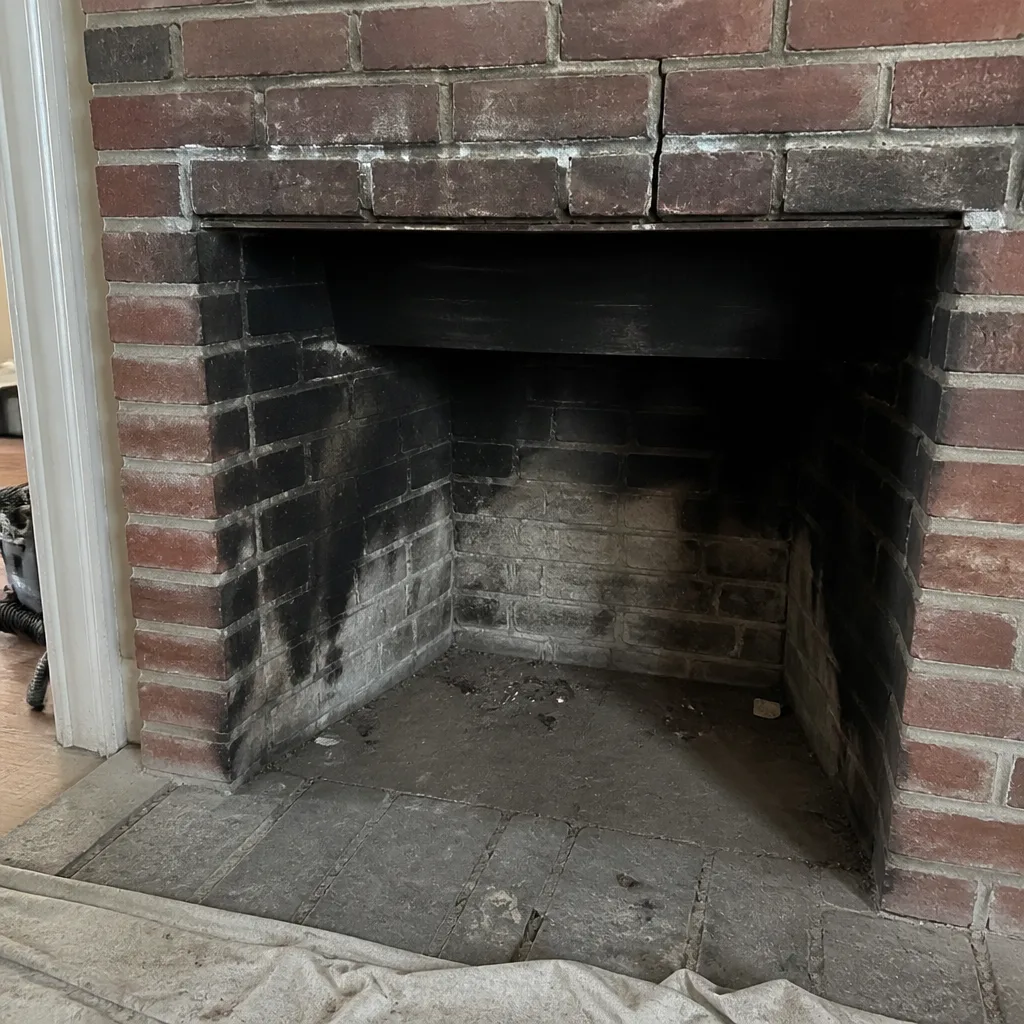 Before
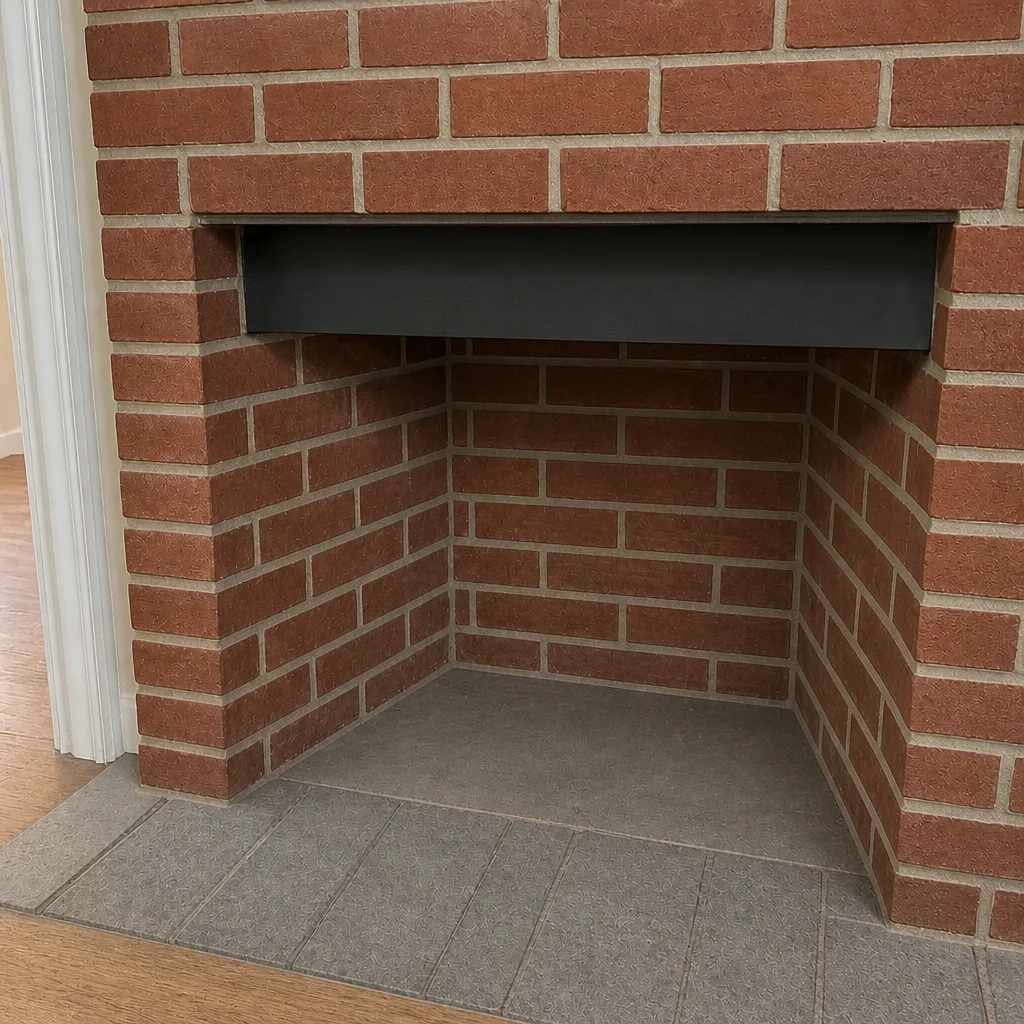 After
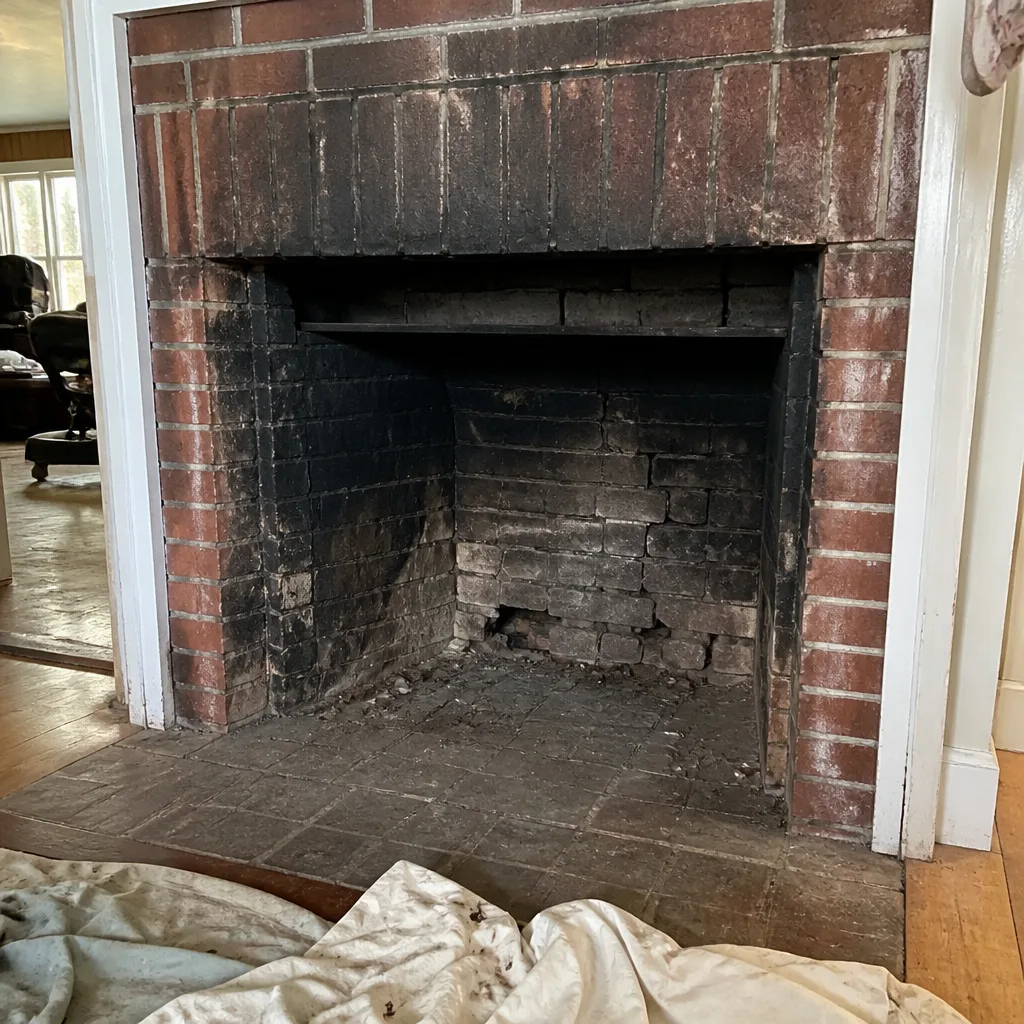 Before
 After
 Before
 After
Frequently Asked Questions
Chimney cleaning in Lynn is priced per job based on the flue, the creosote level, and whether an inspection is included. Our estimates are free, and the price is set per job by the written estimate before any work begins, so you know what you’re approving. Call (833) 922-2686 for an exact quote. We answer 24/7. Fast dispatch from 7am to 7pm, Sunday through Friday.
The level depends on what has changed with your chimney, not on how long it’s been. A Level 1 is for routine annual cleaning when nothing has changed. A Level 2 applies when you’re buying a home, replacing an appliance, or chasing a suspected problem, and includes a video scan of the flue. A Level 3 is a targeted invasive investigation after a defect has already been located. For a Lynn home inspection or a real estate closing, the buyer or lender will typically expect a Level 2.
A chimney used for wood should be inspected annually, with cleaning scheduled based on the creosote measured in the flue and how heavily you burn. Gas and oil appliance venting should be checked yearly even though there’s no creosote to remove. The written report from each visit gives you the baseline to schedule the next one.
A sweep removes creosote, soot, and obstruction. An inspection assesses the condition of the flue and the entire system and produces written documentation. They’re different deliverables, and a useful service includes both. Call (833) 922-2686 to book either one, or both together. We answer 24/7. Fast dispatch from 7am to 7pm, Sunday through Friday.
Yes. An oil-to-gas conversion changes the venting requirements of the flue, and the liner that served an oil appliance may be incorrectly sized or not listed for gas service. That needs to be confirmed before a cleaning, not after. A properly sized, listed liner is a safety requirement for the gas appliance connected to it.
You can handle a light, accessible deposit with the right tools, but you can’t see the condition of the flue interior without a camera, and you can’t reliably remove glazed creosote with homeowner-grade equipment. The condition that makes a chimney dangerous is usually the one you can’t see from below. Call a trained professional when the condition is unknown, and call (833) 922-2686 for a documented assessment. We answer 24/7. Fast dispatch from 7am to 7pm, Sunday through Friday.
The Bottom Line
Chimney cleaning in Lynn is a diagnostic process, not a chore. The sweep removes what’s in the flue. The inspection tells you what condition the system is in, and the written report is what turns a cleaning into something you can act on. Lynn’s coastal humidity and older housing stock make the inspection the more valuable half of the visit, especially for pre-1960 homes, triple-deckers, and any chimney that was converted from oil to gas at some point. Ask for the inspection level and the documentation before you book. Ask to see the evidence behind any repair recommendation. Keep the report. That’s the whole discipline of it, and it’s what keeps a chimney safe year after year.
For a link back to the start of the process, our Chimney Sweep Lynn homepage has the details on what we offer. Our technicians have up to 9 years of experience, and we work with established product lines like Gelco, Olympia Chimney, Famco, and Copperfield rather than whatever ships fastest. If your chimney needs a sweep, a repair, or a documented inspection, call (833) 922-2686 for a free estimate. We answer 24/7. Fast dispatch from 7am to 7pm, Sunday through Friday.
Written by the team at Chimney Sweep Lynn.