
Last updated November 16, 2026
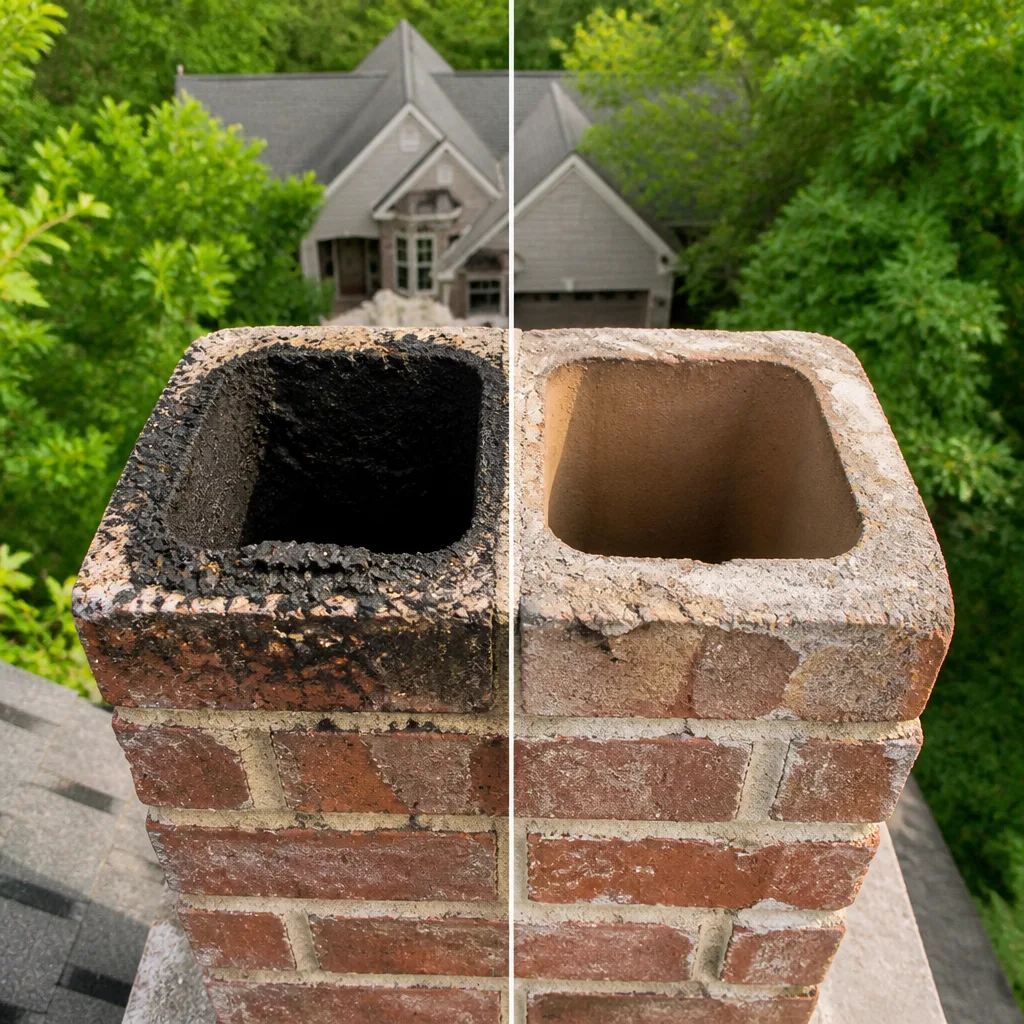 Sweep & inspection
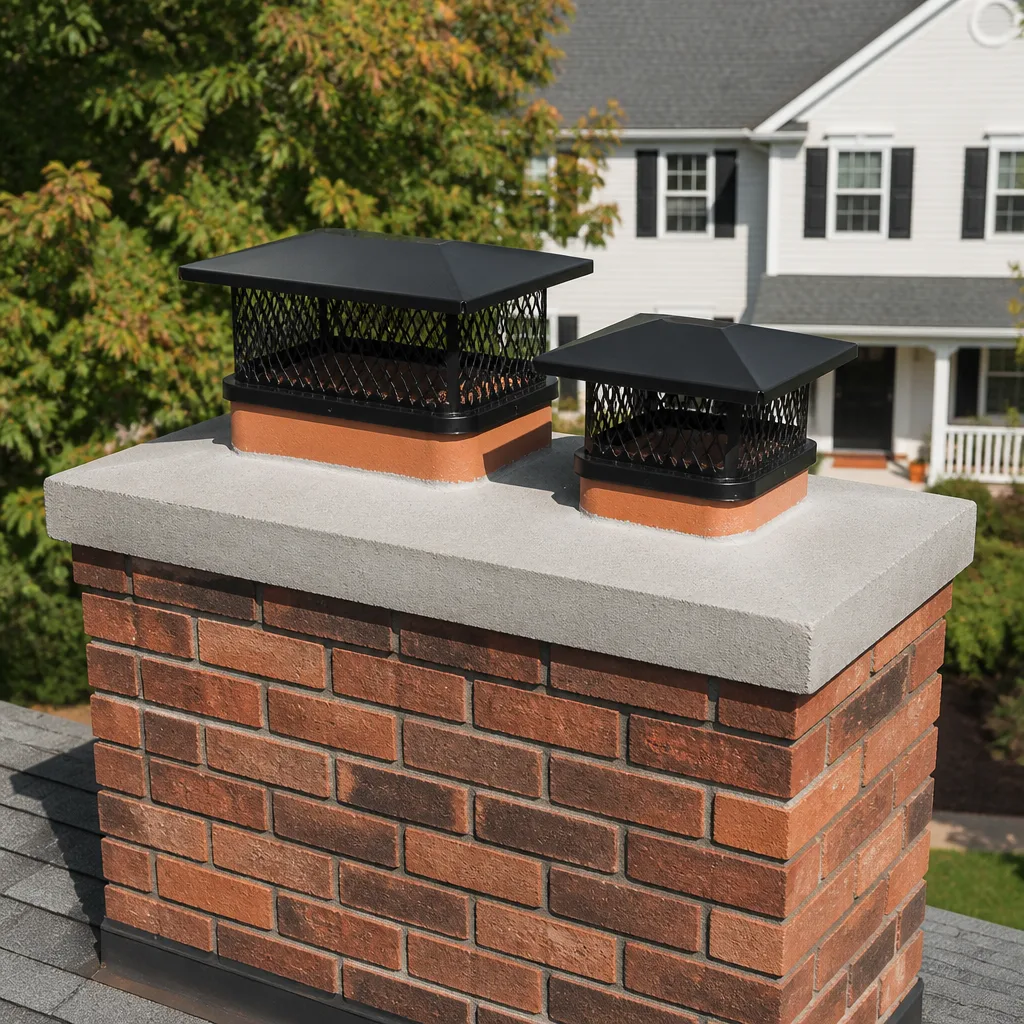 Caps & crowns
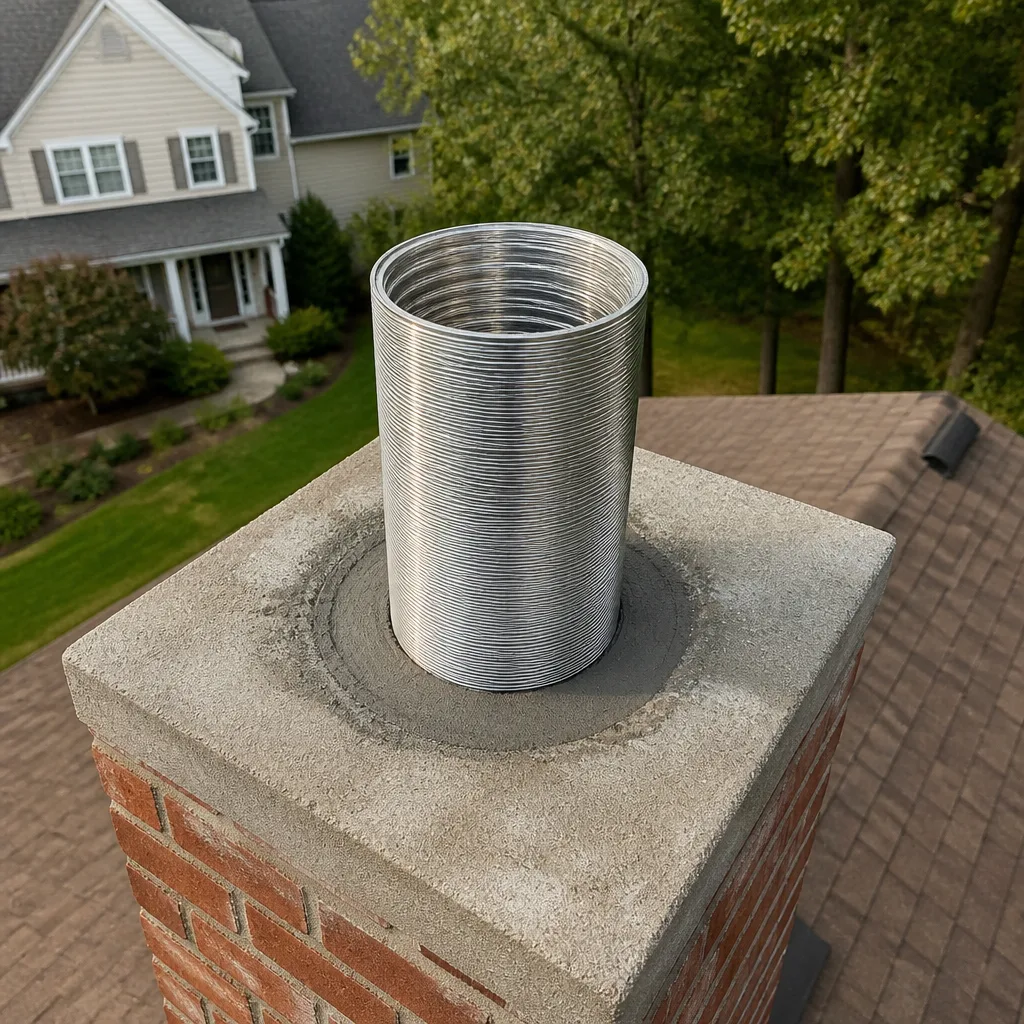 Flue relining
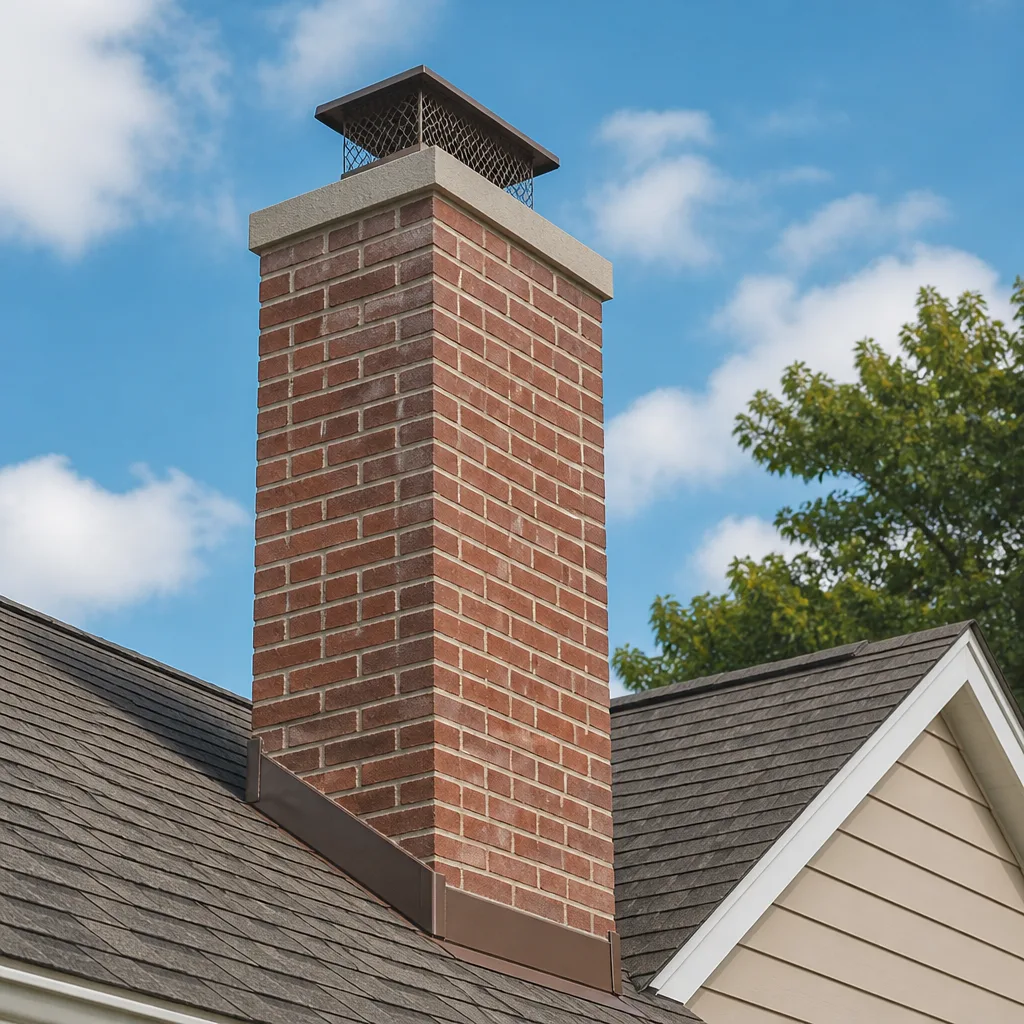 Masonry repair
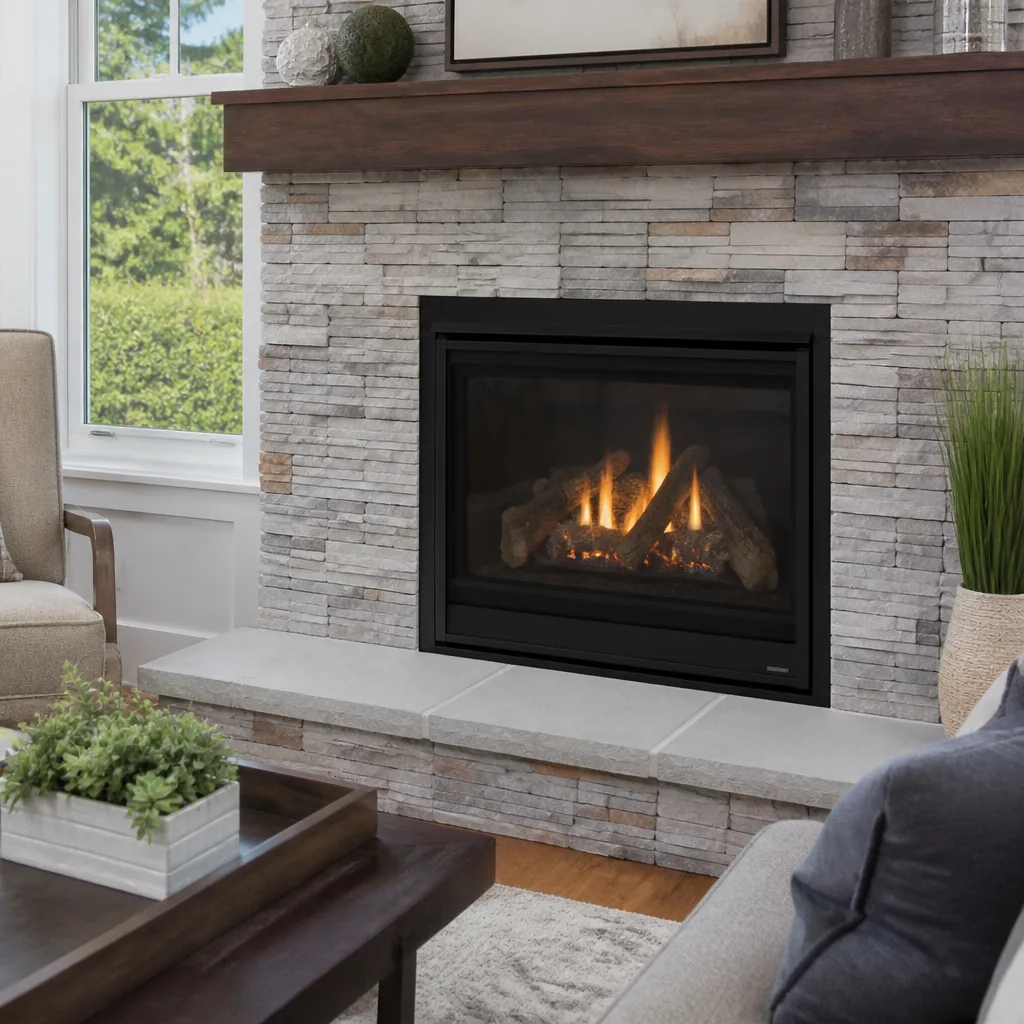 Gas fireplace service
Level 1 sweep and inspection to the NFPA 211 annual standard - flue, crown, cap, and flashing checked and photographed
Chimney sweep logs do not sweep chimneys. They loosen some creosote - which then falls where a brush and vacuum still have to collect it.
Chimney Sweep Maintenance Schedule: What to Do and When
Most homeowners assume a chimney needs the same care on the same timeline, no matter how it’s used. That’s the wrong model. The NFPA recommends annual inspections, but that standard was written with a regularly used wood-burning fireplace in mind. A gas insert you light twice a year and a wood stove running six days a week don’t share a calendar. By the end of this guide, you’ll know exactly what triggers a sweep for your fuel type, when to schedule it in Lynn’s seasons, which checks you can safely handle, and how to log each visit so small problems get caught before they turn into liner work.
Quick Answer
For most wood-burning fireplaces in regular use, get a sweep and inspection once a year, ideally at the end of chimney season before fall. Gas inserts, oil furnace flues, and wood stoves each run on their own schedule: gas inserts generally need inspection every 1-3 years, oil flues need annual cleaning to clear soot and sulfur residue, and wood stoves burning steadily can need a sweep every 2-3 months of heavy use. The right answer depends on fuel, usage, and liner material rather than a single rule that fits everyone.
Styles & brands we work with
- Sweep & inspection
- Caps & crowns
- Flue relining
- Masonry repair
- Gas fireplace service
Table of Contents
- Why “Annual” Doesn’t Mean the Same Thing for Everyone
- Your Maintenance Matrix by Fuel Type and Usage
- When to Schedule in Lynn: Why Late Summer Beats November
- What You Can Check Yourself and What Needs a Sweep
- How Liner Material and Chimney Age Change the Schedule
- Recordkeeping: The Log That Saves You Money
- Seasonal Checklist: A Year in Chimney Care
- Common Mistakes to Avoid
- When to Call a Professional
- Frequently Asked Questions
Why “Annual” Doesn’t Mean the Same Thing for Everyone
The annual chimney inspection recommendation gets repeated so often that it gets flattened into “everyone needs a sweep once a year.” That’s not what the standard actually says, and treating it that way wastes money for some homeowners and leaves others exposed. An inspection is a look at the condition of the system: the flue, the firebox, the cap, the joints. A sweep is a cleaning of accumulated creosote or soot. They’re related but not the same task, and how often each is needed depends on what you burn and how often you burn it.
A gas insert that runs for ambiance a few evenings a year produces very little in the flue. A wood stove that heats a two-story home from October through April produces creosote at a rate that requires attention mid-season, not just in the fall. Oil furnace flues accumulate soot and sulfur-based deposits from combustion, and a flue that’s been running all winter may have a quarter-inch or more of residue even though you never see smoke in the living room. The point: a maintenance calendar should be built from your setup, not a slogan on a fridge magnet.
In Lynn, the mix is genuinely varied. Homes near the waterfront tend toward older construction with clay-tile liners that need a closer watch. Houses up in the higher, more wooded streets often run wood stoves as supplemental heat in colder months, pushing creosote buildup higher. Newer construction may have a stainless steel liner and a gas insert that needs very little. All three deserve different attention. The schedule below sorts them out.
Your Maintenance Matrix by Fuel Type and Usage
Below is how we frame the frequency question with homeowners. Treat it as a starting point and adjust based on what your sweep actually finds. Any fireplace or appliance that produces visible smoke, a persistent odor, or a draft problem should trigger a call earlier than the schedule below suggests.
Wood-burning fireplaces (open hearth)
- Light use (occasional fires, less than one cord per winter): sweep and inspect annually. Creosote still accumulates, but slowly. If you ever burn green or unseasoned wood, shorten the interval.
- Moderate use (1-2 cords per winter): sweep and inspect annually, and have the sweep check for glazed, third-degree creosote, which can’t be brushed away and may need HeatShield resurfacing to restore the flue’s smooth surface.
- Heavy use (2+ cords, fires most nights): sweep in late summer and again mid-winter. At that cadence you’re checking the flue before creosote reaches a dangerous depth.
Wood stoves and fireplace inserts (wood)
- Weekend use: sweep annually. If your stove runs hot for extended stretches, add a mid-season inspection.
- Primary heat (running most days in winter): sweep every 2-3 months of use. Wood stoves burn more efficiently than open fireplaces but produce denser, more concentrated creosote in the flue, which makes the schedule tighter, not looser.
- Any use: check the baffle and gasket annually; worn gaskets let smoke leak past the burn zone and worsen buildup.
Gas inserts and decorative gas logs
- Light use: inspect every 1-3 years. Gas produces far less creosote than wood, but the flue still needs a visual check for nests, debris, and corrosion, especially on older liners.
- Regular use: annual inspection. Have the technician check the burner, the ignition, and the vent connection.
- Any gas appliance: carbon monoxide is the concern here, not creosote. If you smell gas or see soot on the logs, call for service immediately.
Oil furnace flues
- Every year: clean and inspect. Oil combustion leaves soot and sulfur residue inside the flue, and over time that combination can pit a masonry flue or shorten the life of a metal liner.
- During a heating system tune-up: have the technician open the flue base or the cleanout and note what’s inside. If the flue is being cleaned at the same visit, all the better.
Pellet stoves and coal-burning appliances
- Annually at minimum. Pellet ash is fine and flies, so it can settle into flue joints. Coal produces soot and sulfur like oil, plus a distinct acidic residue. Both need dedicated attention.
Notice that “how often should a chimney be cleaned” doesn’t have one answer. It has four or five, depending on which row above describes your home. That’s why an annual inspection matters even when the answer is “no sweep this year.” A visual inspection confirms that your particular usage pattern hasn’t pushed you into the next category.
When to Schedule in Lynn: Why Late Summer Beats November
The best time to have a chimney swept or inspected in this region is late summer into early fall, before the first cold snap brings a wave of calls. Two things happen in November: the roof work gets harder (or gets deferred), and the schedule at any reputable sweep fills up. A late-summer appointment means you have a written record of flue condition before the heating season begins, and any needed repair can be scheduled and completed without haggling over timing.
The climate matters. Lynn winters bring freeze-thaw cycles that affect masonry and the crown, and a cracked crown or a worn cap will take on water once the snow and ice arrive. A sweep in late August or September is the natural moment to catch those issues: you’re inspecting when the exterior is still accessible and the masonry can be repaired before the cold comes in. If you wait until the first cold night you actually want a fire, the decision gets made under pressure, and the option of “don’t use it until it’s fixed” becomes harder to accept.
Two more timing notes for this area:
- Late summer sweep, mid-winter re-check for heavy wood users. If you’re running a wood stove as primary heat, book a second inspection in January or early February. That’s when creosote depth matters most for safety.
- Before a home sale or insurance review, book inspection as a standalone visit. A written inspection report prepared before closing is a separate document from a sweep and can be scheduled on its own timeline.
If you’re a homeowner in Lynn scheduling around a first chimney season in a new house, book the inspection first and decide on sweeping based on what the report shows. That’s also a good time to look at the full range of what a chimney sweep actually does, so you know what to expect when the technician opens the firebox door.
What You Can Check Yourself and What Needs a Sweep
There are useful checks a homeowner can legitimately do between professional visits, and there are things that are genuinely dangerous to try. The line is drawn at what requires you to reach into the flue or work with the mechanical components. Everything inside the flue, on a roof, or touching a damper mechanism is a trained person’s job.
Checks a homeowner can do
- Damper operation. Open and close the damper and confirm it moves freely and seats fully. A damper that sticks or won’t close is a call to a professional.
- Firebox visual. With no fire and a cold hearth, look for cracks in the firebrick or gaps between bricks, loose mortar at the throat, or rust-colored staining. Note what you see and pass it on at the next visit.
- Cap inspection from the ground. Use binoculars or just look up from the yard. A missing or damaged cap lets rain, birds, and squirrels in. A cap that’s cracked or been blown loose is a call for repair, and a properly fitted Gelco cap protects the flue opening.
- Smoke and draft check. With a fire lit and the damper open, the smoke should rise and vent. If smoke rolls back into the room, stop using the fireplace until it’s checked.
- Carbon monoxide detector test. Press the test button monthly on your CO detector and replace the battery per the manufacturer’s schedule. This is the single most valuable check a homeowner owns.
- Creosote look in the firebox. A black, glossy coating on the firebox walls or a smoky smell that lingers after the fire is out is a sign to book a sweep sooner.
Checks that require a professional
- Any inspection inside the flue. This includes a camera inspection, which is how a technician actually sees what the flue looks like above the smoke shelf.
- Roof-level work. Caps, crowns, flashing, and masonry repair all require safe roof access. Please don’t climb on a steep or icy roof.
- Damper repair or replacement. A damper that’s jammed or damaged may be rusted in place; forcing it can crack the frame.
- Liner evaluation. If you suspect a liner problem, that’s a professional call. Clay tile liners can crack invisibly, and a stainless steel liner can be damaged by a prior fire without obvious signs.
How Liner Material and Chimney Age Change the Schedule
Inspection frequency should account for what the flue is made of and how old the chimney is. The right answer for a 15-year-old stainless liner is different from a 70-year-old clay tile flue, and it’s different again for a chimney that has been resurfaced with HeatShield.
- Clay tile liners (most pre-1970s construction): inspect annually, and if the chimney has had any fire event or a period of disuse, inspect before the next heating season regardless of schedule. Clay tiles can crack from heat stress and from freeze-thaw. A cracked tile is a path for carbon monoxide and smoke into the adjacent structure, and the only reliable way to catch a crack is a camera inspection.
- Stainless steel liners (DuraFlex or Olympia Chimney installations): inspect annually to confirm the liner is sound and the connections at the top and bottom are intact. Stainless is durable, but no liner is permanent. Checking that the top cap and the appliance connection are sound is part of the annual routine.
- Cast-in-place or resurfaced liners (HeatShield): inspect every 1-2 years depending on use. Resurfacing restores a compromised flue’s smooth interior and gives you a documented service history to compare against. It’s not a permanent replacement, so regular inspection is how you track condition over time.
- Older masonry chimneys (anything over 50 years): annual inspection, plus a camera inspection every few years to look at the upper flue and smoke chamber where cracking is hardest to see from below.
- New construction: inspect at the first season change and then annually. A new chimney’s mortar and connections settle; the first inspection is where you find early issues.
The point of the camera inspection rule is to give the assessment a factual basis. When we recommend repair, we do it because the camera saw a crack, a gap, or a buildup of glazed creosote, not because the calendar said so. You should be able to see the same image we’re looking at, and the repair recommendation should be tied to it.
Recordkeeping: The Log That Saves You Money
Recordkeeping is the least glamorous part of chimney care and the most useful. A written log lets you and your technician compare this year’s condition to last year’s. Without it, every inspection starts from scratch and every recommended repair arrives without context. With it, the conversation shifts from “we found a problem” to “here’s the trend.”
Keep a simple notebook or folder, paper or digital. After every visit, record:
- Date of service and what was performed (sweep, inspection, repair).
- Technician name or company and the service record number, if given.
- Amount of creosote removed and the sweep’s assessment of type (light, medium, glazed).
- Flue condition notes: cracks, joint gaps, staining, or liner condition as described in the written report.
- Cap and crown condition.
- Any repair recommendations the technician made, along with the cost range quoted.
- Photographs of the flue interior, if the report includes them. Keep a copy.
This log does two things. It gives your insurer and a future buyer a defensible record of maintenance, and it gives your technician a baseline. If last year’s report says “creosote light, liner sound” and this year’s says “glazed creosote in the upper flue,” that trend is worth a conversation. If the report has been consistent for five years, that’s a strong signal you can keep the schedule as is.
The log also helps you spot the moment a repair becomes worth doing. A small crack in a clay tile found and recorded this year is a known quantity. The same crack found two seasons later, after freeze-thaw cycles worked on it, may be a different and more expensive repair. Keeping the record means you’re making the decision on evidence rather than memory. Chimney repair crews work best with a documented history to compare against.
Seasonal Checklist: A Year in Chimney Care
Here’s the annual rhythm we suggest to homeowners in Lynn. Dates are a suggestion; the sequence is what matters.
- Early spring (March-April): after the last burn of the season, look at the firebox and damper once more. Note anything different from the start of the season. Book your pre-season appointment now, while the calendar is open. If last winter involved any smoke event or chimney fire, book an inspection before the next season.
- Late spring (May-June): good window for masonry repair and cap and crown work. The weather is workable, the roof is accessible, and the repair has time to cure well before the heating season. Cap and hinge replacement with a Gelco cap is a straightforward job at this time of year.
- Late summer (August-September): the annual sweep and inspection. This is the ideal window: the technician finishes before the first cold snap, and you have a written report on the flue before you light the season’s first fire. If the report shows liner work is needed, there’s time to schedule it.
- Fall (October-November): test the damper, check the CO detector, and make sure your wood is seasoned. If you have a wood stove, confirm that the baffle and gaskets are in good shape. If the fall finds you without a sweep, get on the schedule as early in October as possible.
- Mid-winter (January-February, heavy wood users): book a mid-season inspection if you’re running a stove or fireplace most nights. This is the creosote checkpoint that keeps buildup from reaching a dangerous level before spring.
Common Mistakes to Avoid
- Skipping the inspection because the chimney “looks fine.” Most serious flue problems aren’t visible from the firebox. A cracked clay tile or a failed liner joint can look completely normal from below, which is why the camera inspection exists.
- Burning unseasoned wood to stretch your cord. Green wood produces more creosote than seasoned wood. Lynn-area homeowners with a short drying window for firewood benefit from buying seasoned and storing it covered well in advance.
- Assuming a gas insert needs no maintenance. Gas produces little creosote, but the flue still needs a visual check for nests, debris, and liner corrosion, and the burner still needs inspection. Gas flues are also a carbon monoxide path if a joint or connection fails.
- Putting off the sweep until the first cold snap. That’s when the phone lines fill and the schedule tightens. The late-summer sweep is a better schedule and a saner one.
- Removing the chimney cap to improve draft. A cap protects against rain, debris, and animals. A draft problem is a diagnosis problem, not a cap problem. Have the flue checked rather than opening it up.
- Treating a chimney sweep as only a cleaning. A sweep who also does repair and inspection can catch structural issues during the visit. If your sweep refers you to a separate masonry contractor for a crack they found, ask whether the company that swept the flue also does the repair. It’s often more efficient to keep the whole chimney with one specialist.
- Never keeping the written report. The report is the tool that turns a series of visits into a maintenance history. Keep it.
When to Call a Professional
Call us if any of the following applies to your home. Each is a signal that the schedule should be advanced rather than deferred.
- You’ve had a chimney fire, even a small one you put out yourself.
- You smell smoke in the room after the fire is out.
- Your CO detector has gone off.
- There’s visible creosote glaze on the firebox walls or a heavy creosote smell.
- The damper won’t close fully, or it’s rusted or stuck.
- You see water staining or rust inside the firebox or on the exterior.
- You’re buying or selling a home and need a written inspection report.
- You’ve just moved into a house in Lynn and don’t have a record of the chimney’s history.
Our technicians have up to 9 years of experience and can inspect the full chimney system, give you a written report, and address any repair in the same visit. We install and specify DuraFlex, HeatShield, Gelco, Olympia Chimney, and Famco, so any component we replace is a professional-grade part from a known manufacturer, not whatever shipped fastest. Chimney Sweep Lynn offers free estimates in Lynn. Call (833) 922-2686. We answer 24/7. Fast dispatch from 7am to 7pm, Sunday through Friday.
Frequently Asked Questions
For most wood-burning fireplaces in regular use, once a year, ideally in late summer. Wood stoves burning as primary heat need a sweep every 2-3 months of heavy use. Gas inserts generally need inspection every 1-3 years, and oil furnace flues need annual cleaning. The right frequency depends on fuel type, usage, and liner condition, not a single number. Call (833) 922-2686 for an exact quote based on your setup; estimates are free.
It depends on what the inspection finds. HeatShield resurfacing can restore a flue with cracks, gaps, or a rough interior that’s still structurally sound, and it avoids the cost and disruption of full liner tear-out. A flue with a failed or fully disintegrated liner needs a full reline with a product like DuraFlex. Nothing gets recommended without a camera inspection you can see for yourself, and a written report that ties the recommendation to what the camera shows. Call (833) 922-2686 to book a free estimate.
Creosote builds up in the flue, and at a certain depth it’s a fire risk: if it ignites, the flue can overheat and the fire can travel through the cracks in the masonry or into the attic. A blocked or damaged flue also sends carbon monoxide into the house instead of out. The risk climbs slowly if you skip one year and climbs more quickly if you skip several. A sweep is what tells you where your chimney actually stands. Call (833) 922-2686 for a free estimate.
Yes. A sweep cleans the flue: it removes creosote and soot. An inspection is a visual and camera assessment of the full system: flue, firebox, damper, cap, crown, and connections, documented in a written report. You can book inspection as a standalone service, and it’s often what a home sale or an insurance question actually requires. Call (833) 922-2686 to schedule one.
You can safely check the damper operation, look at the firebox for cracks or staining, inspect the cap from the ground with binoculars, and test your carbon monoxide detector. Anything inside the flue, any roof work, and any damper repair requires a trained professional. We’d rather you call with a question than try to reach into the flue yourself. Call (833) 922-2686 for a free estimate.
A standard sweep usually takes an hour or so, with inspection tied to the same visit. The written report is the part that matters most: it tells you what was found, what was cleaned, and what (if anything) to watch. If you’ve just bought a home in Lynn and want a baseline inspection before the heating season, book early in the late-summer window. Call (833) 922-2686 for a free estimate.
The Bottom Line
The right chimney maintenance schedule is the one built around your actual setup. A wood-burning fireplace used once a week needs an annual sweep and inspection, booked in late summer. A wood stove running six days a week needs a mid-season checkpoint. A gas insert or an oil furnace flue runs on its own calendar. Every schedule should include a camera inspection when liner condition is in question, a written report you can keep, and a log that turns each visit into a trend. Keep the assessment tied to evidence. When we recommend work, the camera shows what we’re recommending and why, and sometimes the honest answer is that the repair can wait. Call (833) 922-2686. We answer 24/7. Fast dispatch from 7am to 7pm, Sunday through Friday. Chimney Sweep Lynn offers free estimates and can inspect, sweep, and repair your chimney with one point of accountability.
Written by the team at Chimney Sweep Lynn.
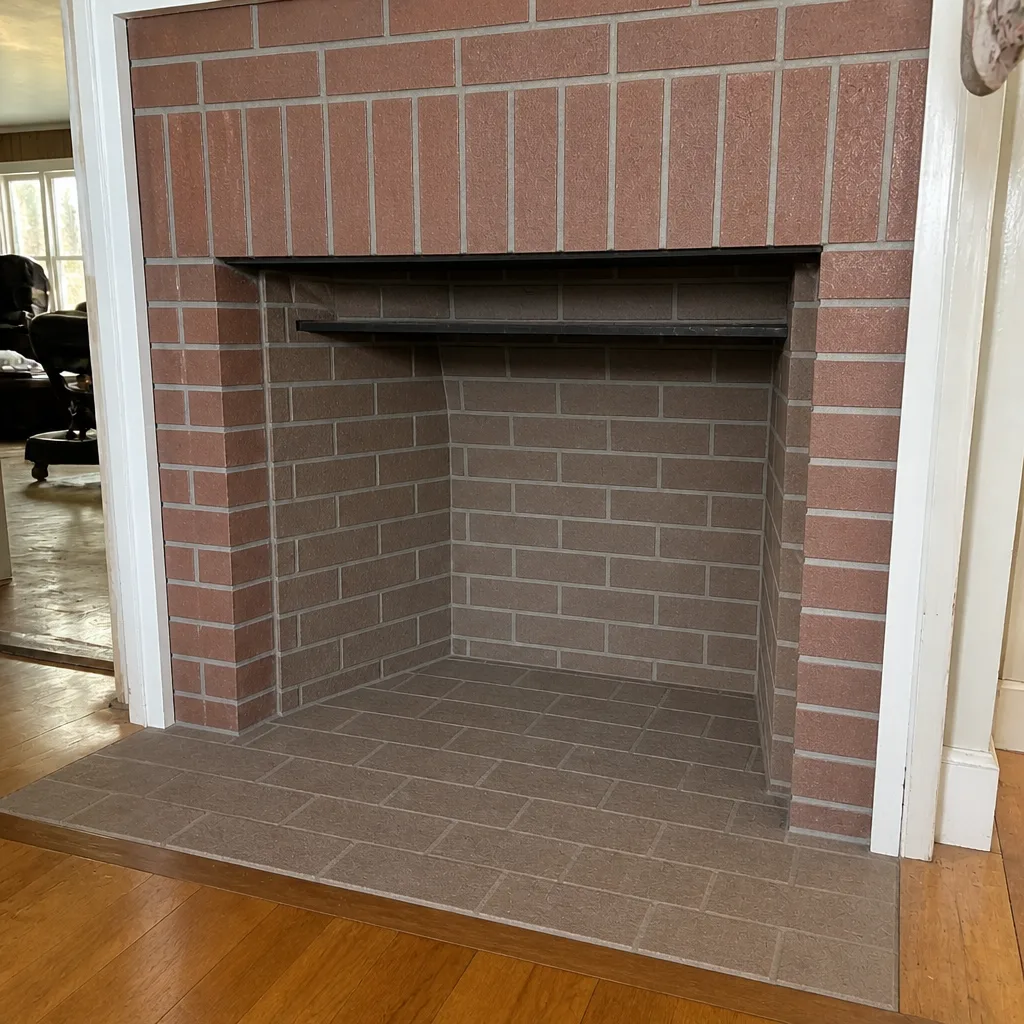
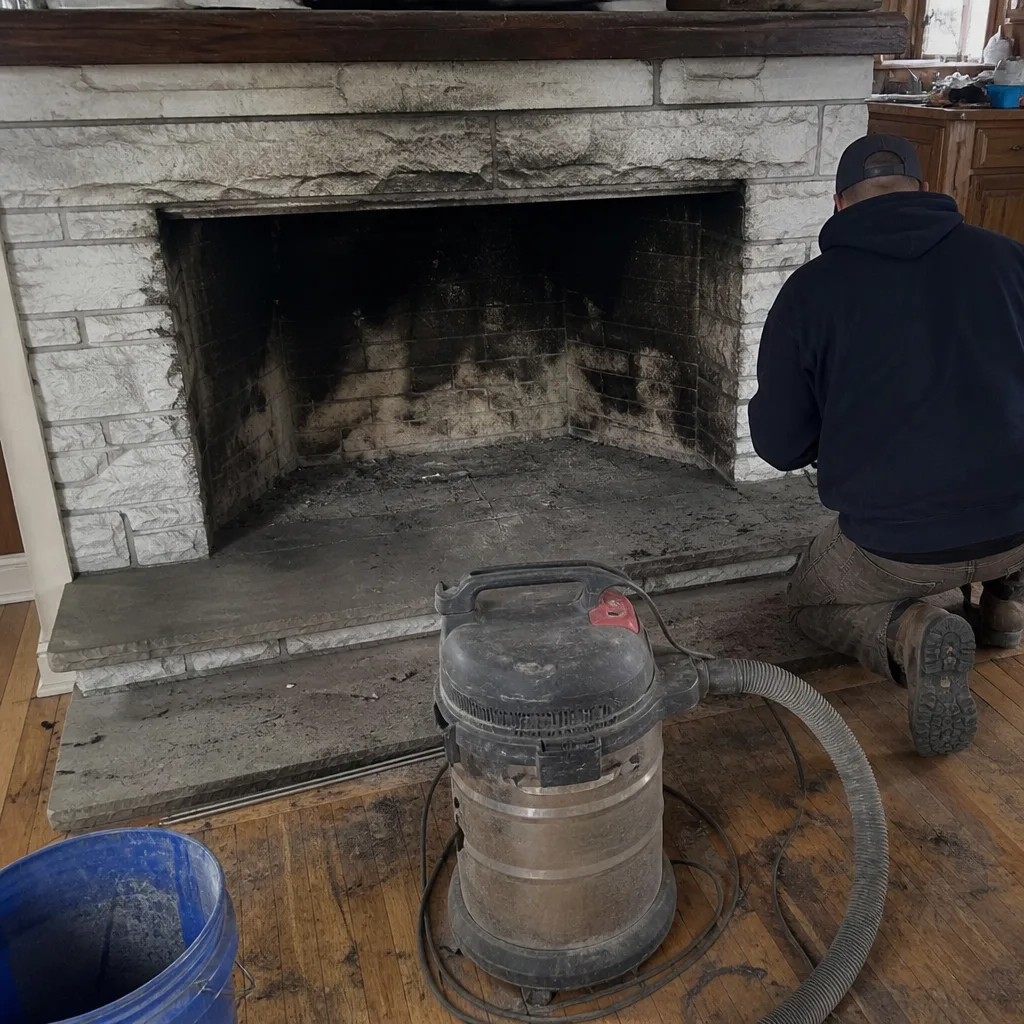
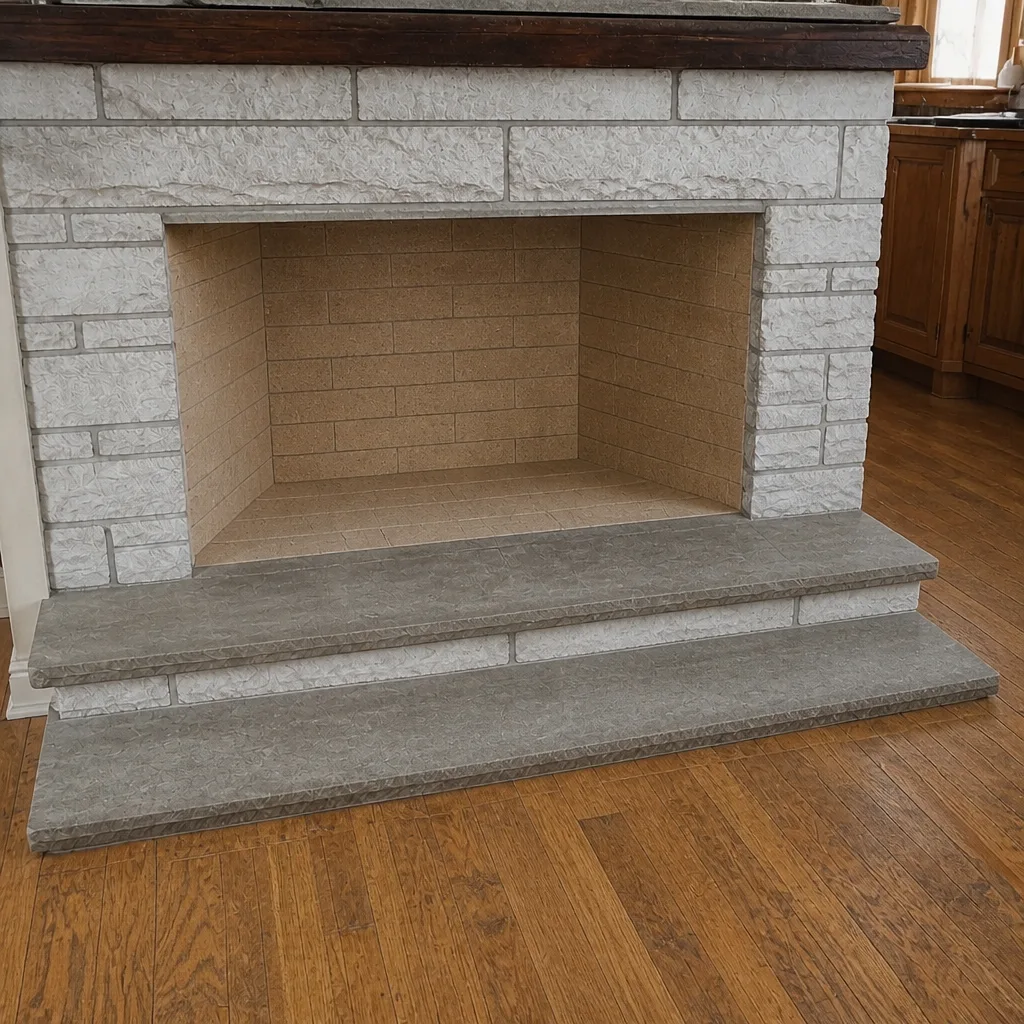
See the difference
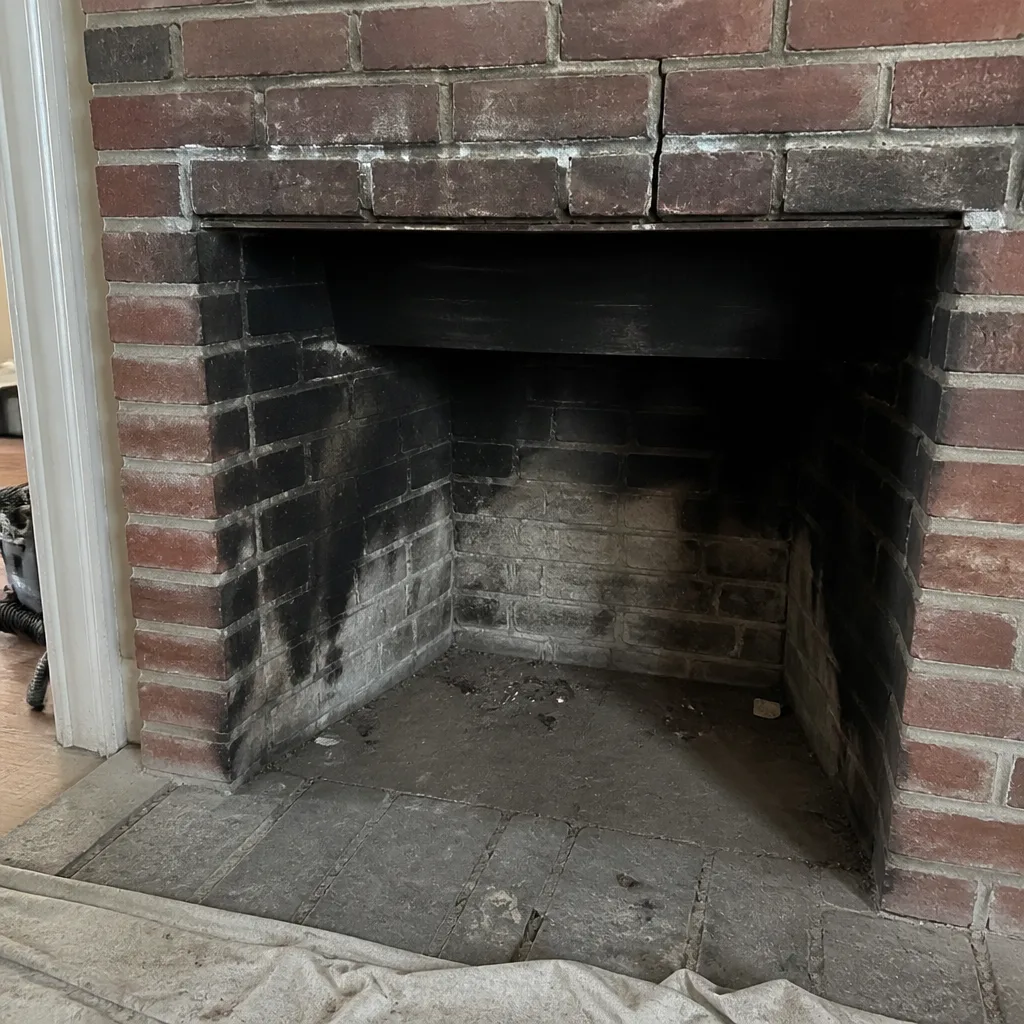 Before
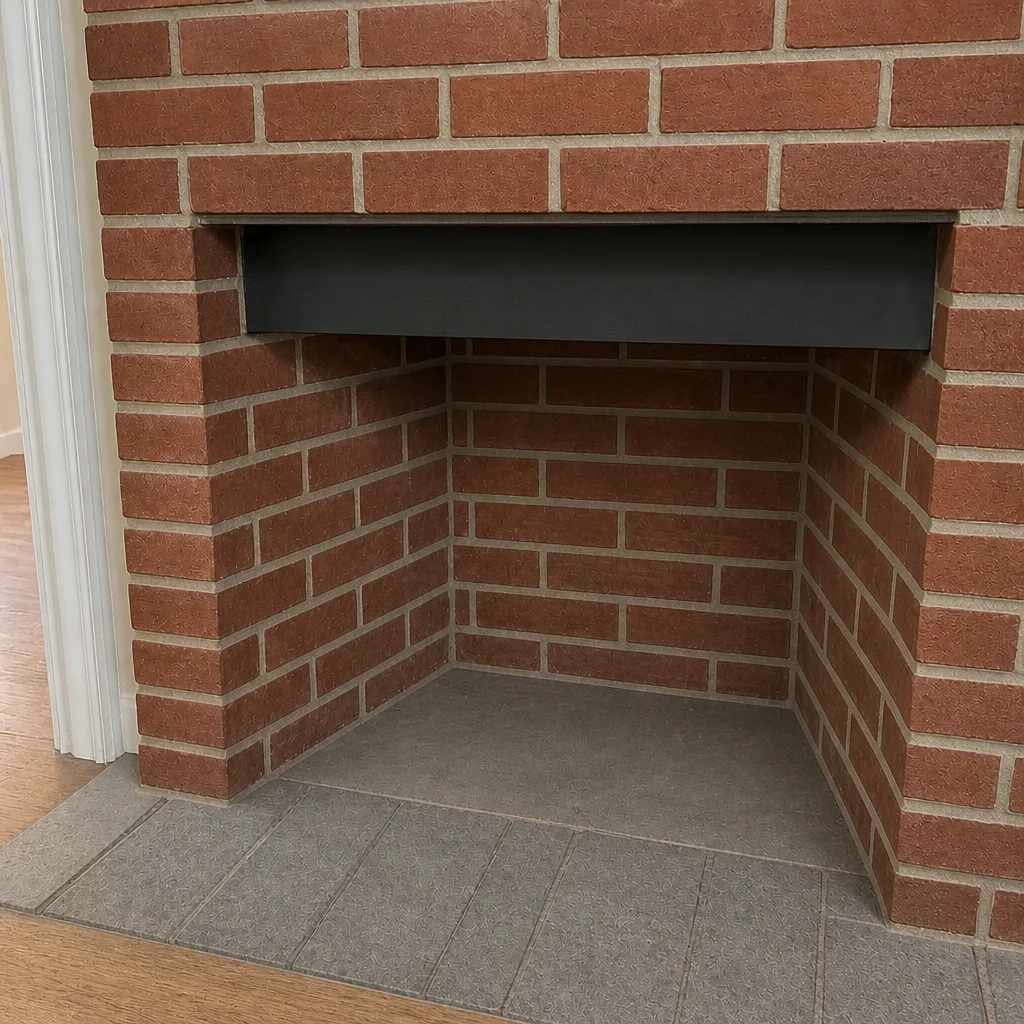 After
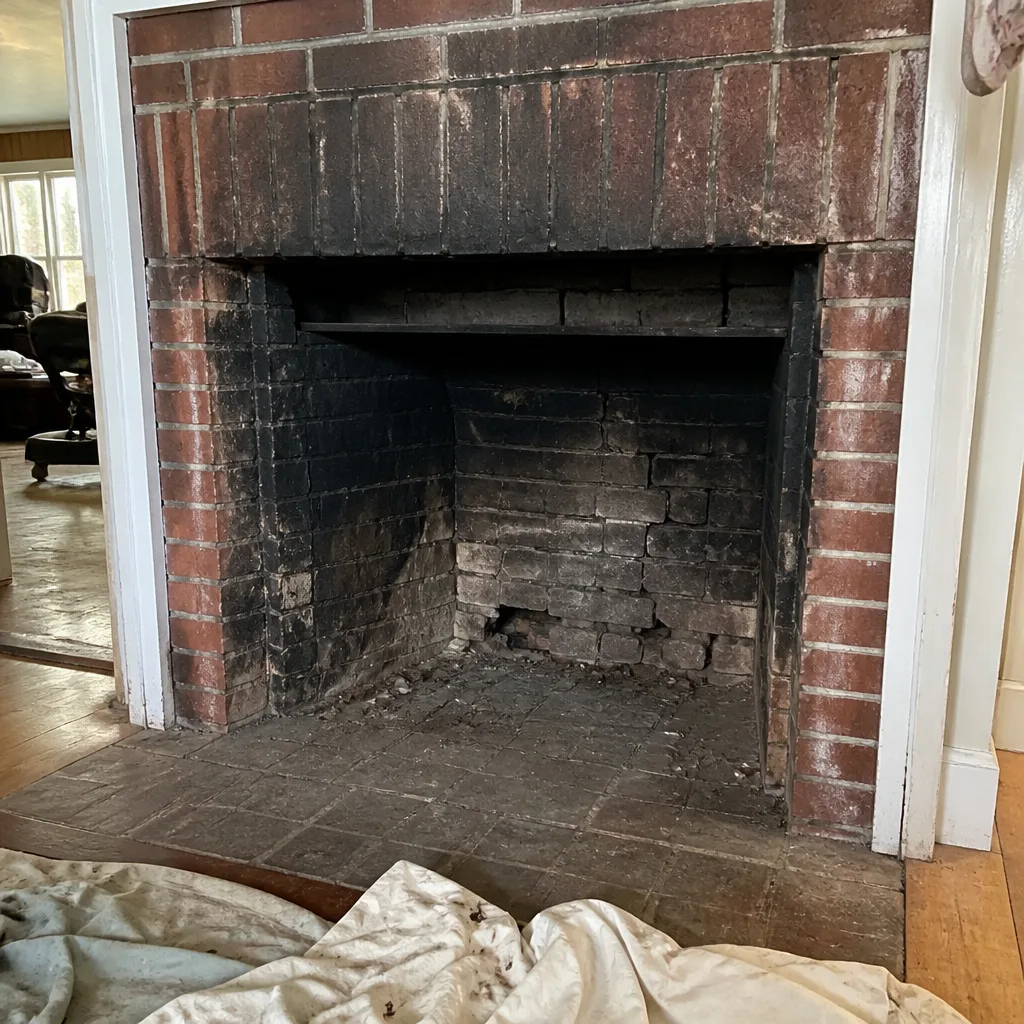 Before
 After
 Before
 After