
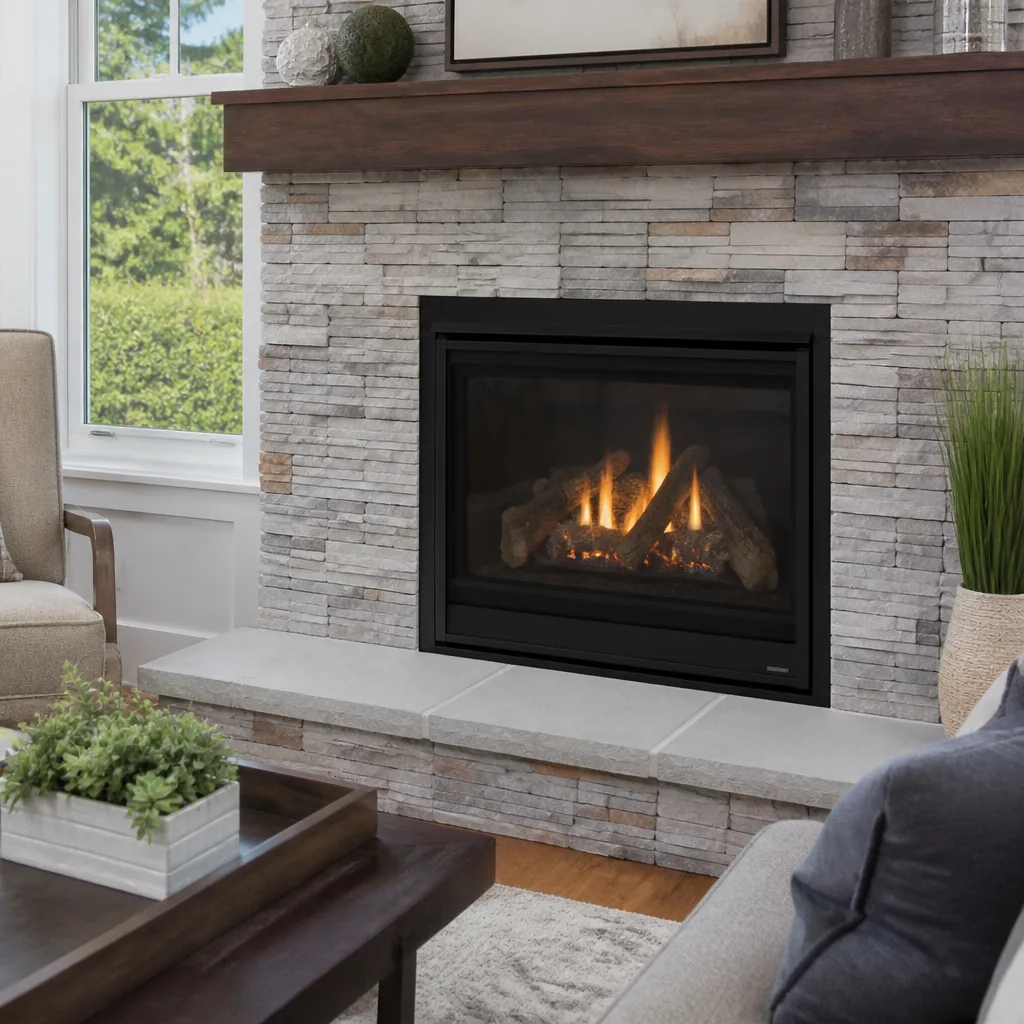
 Gas fireplace service
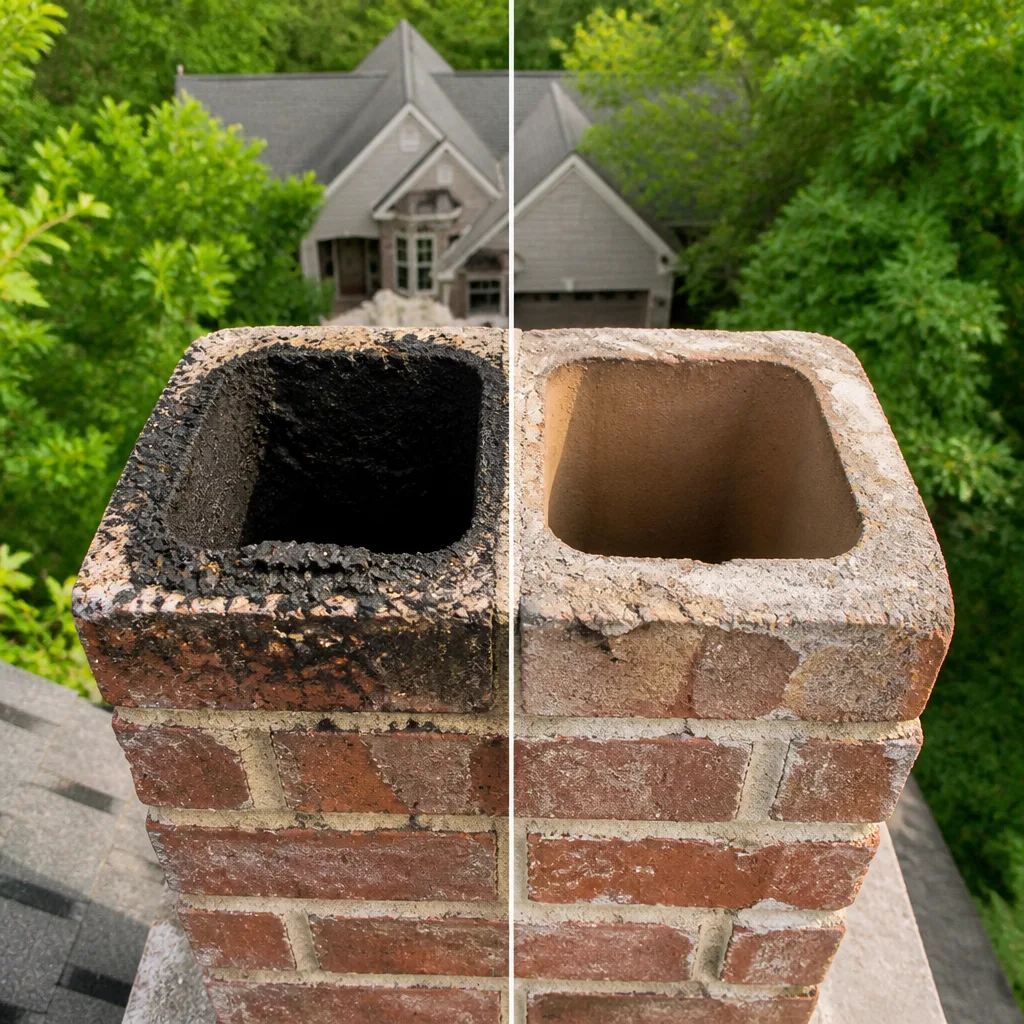 Sweep & inspection
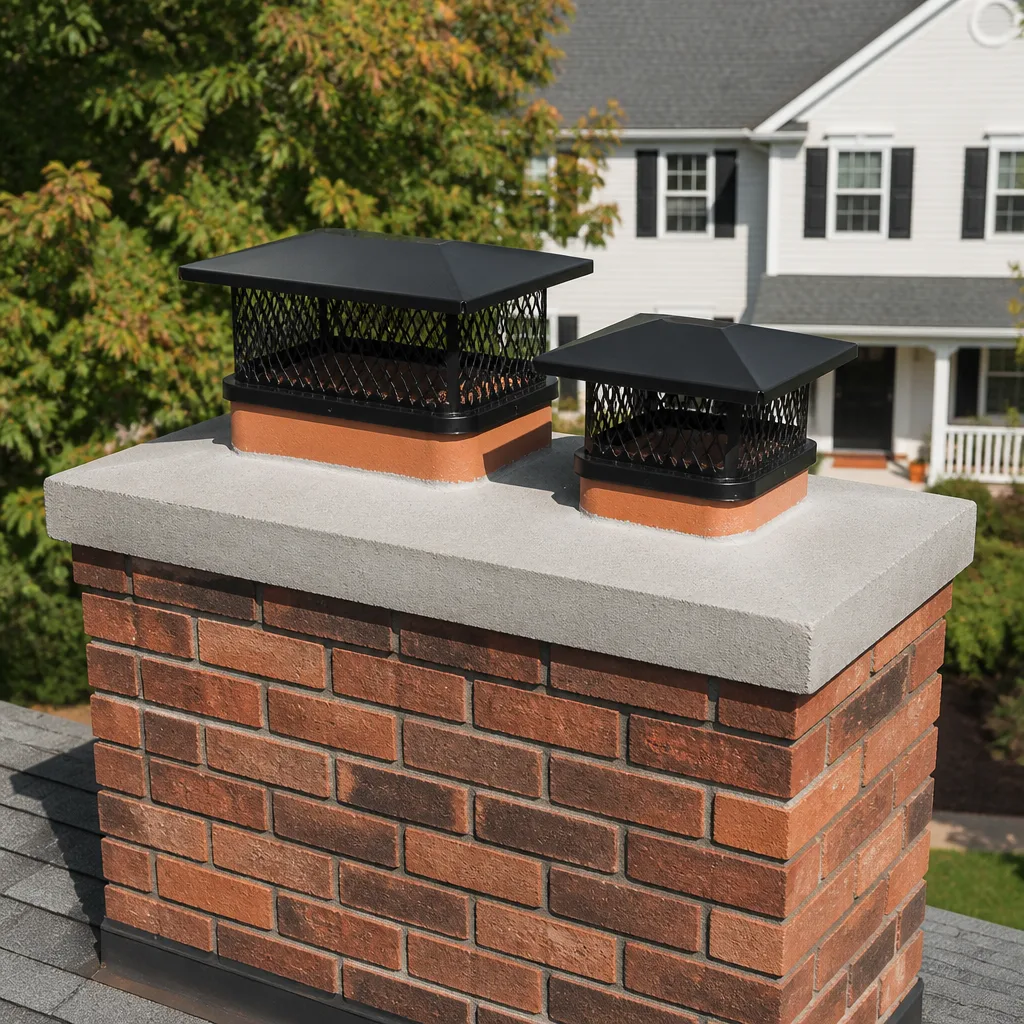 Caps & crowns
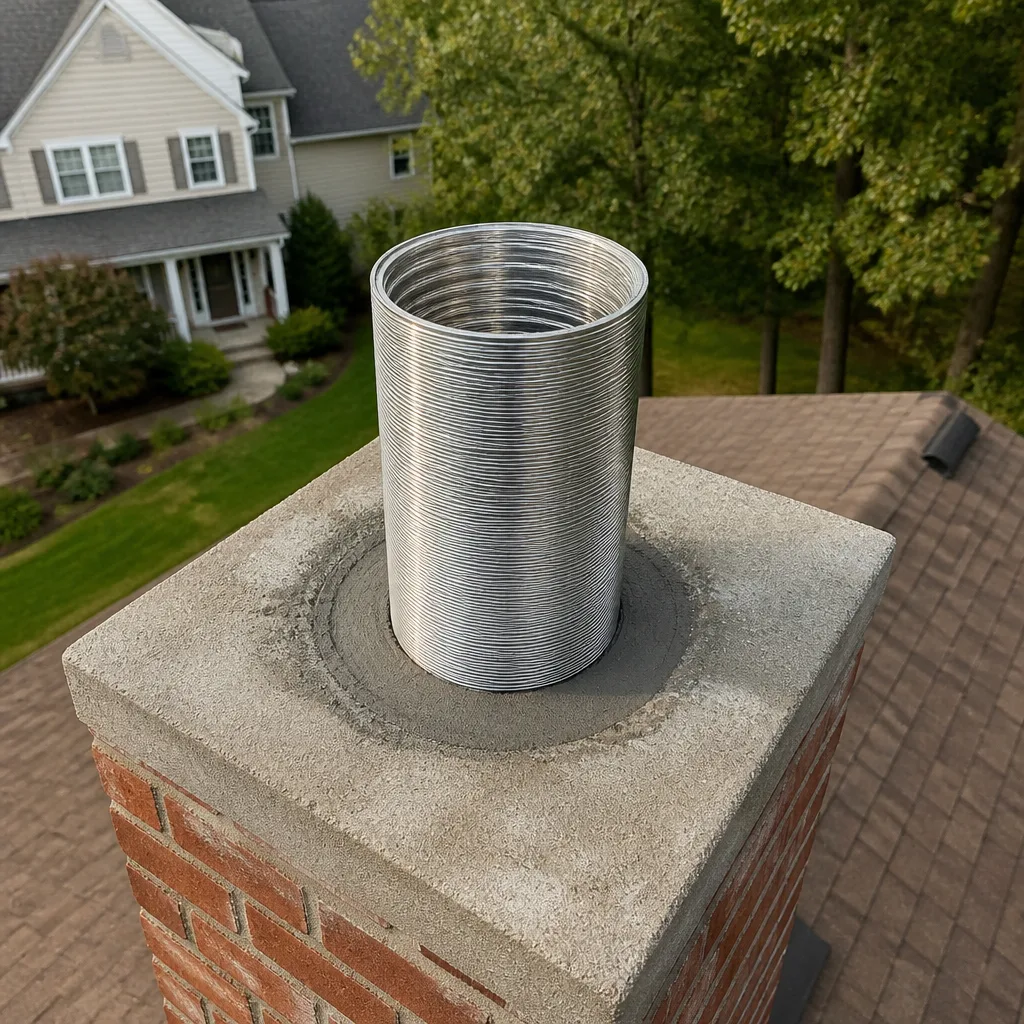 Flue relining
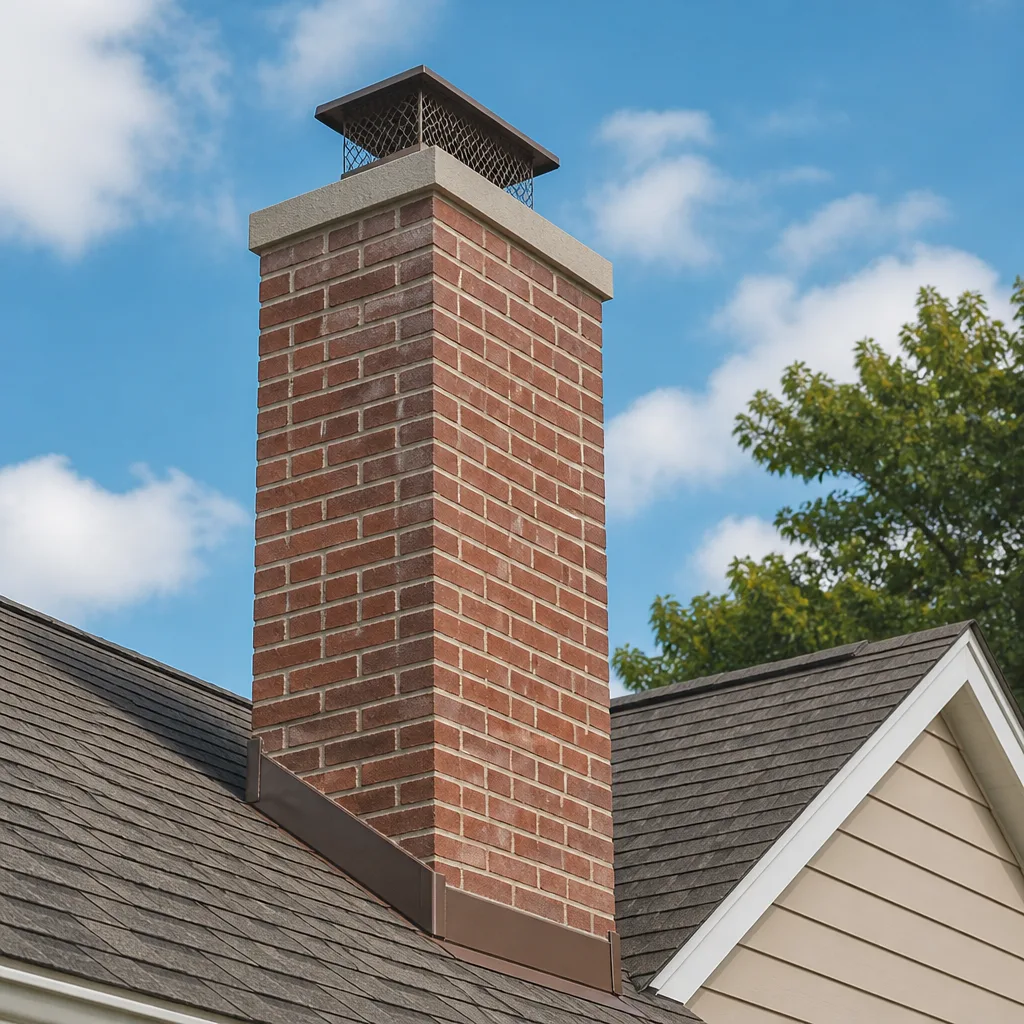 Masonry repair
Level 1 sweep and inspection to the NFPA 211 annual standard - flue, crown, cap, and flashing checked and photographed
Chimney sweep logs do not sweep chimneys. They loosen some creosote - which then falls where a brush and vacuum still have to collect it.
Why Lynn Homeowners Choose HeatShield Chimney Cleaning
We provide independent HeatShield chimney cleaning service in Lynn, MA. That means we inspect, sweep, and assess cast-in-place HeatShield liners on their own terms, then tell you whether the flue needs a sweep, a crown repair, or replacement. We’re not affiliated with or authorized by HeatShield. We’re a local chimney specialist that works with the product often enough to know how it wears.
Lynn is one of Massachusetts’ oldest cities, and its dense stock of 19th- and early-20th-century wood-burning homes means a lot of flues here were built long before modern lining standards. HeatShield resurfacing is one way those flues get brought back into service. It’s a cast refractory liner, poured and formed against the inside of the existing flue, so a compromised brick chimney can often be restored without a full tear-out.
Our technicians have up to 9 years of experience, and they’ve seen what happens when a HeatShield liner gets swept carelessly or ignored for a few seasons. Call (833) 922-2686. We answer 24/7.
Why Trust Chimney Sweep Lynn for Your HeatShield Chimney Cleaning?
HeatShield isn’t a brand of chimney sweep. It’s a cast-in-place refractory liner system, and the product is only as good as the installer’s surface prep and the annual sweep that keeps it serviceable. That distinction matters when you’re hiring someone to work on one.
We assess existing HeatShield liners on their own terms. After a Level 1 or Level 2 inspection, we advise repair, re-coating, or replacement based on what the flue actually shows, not on what’s easiest to sell. A sound liner with minor surface crazing gets swept and monitored. A delaminated or voided liner gets replaced, because cosmetic patching on a structural liner isn’t honest work.
We don’t stock or sell HeatShield parts, and we’re not a dealer. We service HeatShield equipment with quality parts that fit it, and we follow application methods that respect the manufacturer’s warranty. Nothing we do is designed to give a warranty provider an excuse to deny a claim.
Because we handle sweeping, repair, and inspection under one roof, there’s a single point of accountability for the whole chimney system. You’re not managing three contractors for one flue.
Styles & brands we work with
- Sweep & inspection
- Caps & crowns
- Flue relining
- Masonry repair
- Gas fireplace service
Common HeatShield Chimney Cleaning Problems We Fix in Lynn
Lynn’s cold, coastal winters and Nor’easters drive long, heavy heating seasons, and that’s hard on any liner. Here are the HeatShield issues we see most often.
- Surface spalling and hairline cracking. Years of thermal cycling will open fine cracks in a HeatShield liner, especially where the original flue wasn’t fully cleaned of glaze before the mix was cast. Glaze acts as a release layer, and the new surface never fully bonds past it. What you notice first is grit and flaking dust at the damper.
- Creosote glaze clinging to the smoother surface. A HeatShield surface is slicker than bare clay tile. That sounds like a good thing, and it is for sweeping, but glaze still clings to it, and in a cold exterior chimney it builds up faster than owners expect. A flue that drafted well for years starts smoking back on damp days.
- Liner separation or a soft edge at the flue top. Where the cast mix meets the crown, water getting behind the flue top will undermine the liner edge. It goes soft and crumbling. This is a water problem first and a liner problem second, which is why crown repair matters so much on these systems.
- Mis-sized or partially formed voids at offsets. Older Lynn chimneys often have a bend or an ovalized section, and mix doesn’t always fill those areas evenly. The result shows up as hot spots, drafting problems, and uneven soot patterns on the flue walls.
- Moisture-driven deterioration on the ocean-facing side. Lynn’s humid marine summers promote spalling brick and rusted dampers on the windward side of a house. A HeatShield liner protects the flue interior, but the chimney around it still takes water, and that water finds the crown first.
Here’s how a typical job usually goes. A homeowner with a HeatShield-linered fireplace notices soot staining at the damper, a smoky smell on damp days, and a draft that’s gotten weaker over a couple of seasons. A qualified sweep inspects the flue with a camera, finds glaze and soot built up on the liner plus a cracked crown letting water track down behind the flue top. The sweep then cleans the liner, removes the creosote, and repoints and coats the crown so the HeatShield surface can dry between fires. That sequence matters. Cleaning without fixing the crown means the same call again next year.
HeatShield Parts & Our Repair-vs-Replace Approach
HeatShield is a proprietary cast-in-place system, so genuine repair work means the correct HeatShield mix and application method. Aftermarket patches and generic refractory cement aren’t a fair substitute on a structural liner. We don’t stock HeatShield parts or claim to be a dealer, and we won’t pretend a tube of generic cement is the same thing.
Our call on repair versus replace comes down to what the liner actually shows:
- Minor surface crazing on an otherwise bonded, well-formed liner: sweep it, address the crown, and monitor it at the next annual inspection.
- Localized spalling with a sound substrate: clean, re-coat where appropriate, and document what we found so the next inspection has a baseline.
- Delamination, voids at offsets, or a compromised flue top: replacement. Patching a voided liner is cosmetic work on a life-safety system.
The material can make the repair last, but it can’t make a bad substrate good. If you’re unsure what’s inside your flue, that’s what the camera inspection is for. Call (833) 922-2686 for a free estimate.
Our HeatShield Service Process – Step by Step
- 1
Diagnosis. We start with a Level 2 Inspection, which includes a camera run of the flue from top to firebox. That shows the liner surface, the joints, the crown, and any offset where the mix may not have filled cleanly.
- 2
Creosote removal. Before anything else happens, the creosote comes out. Glaze left on the liner surface is a fire risk and it also masks the condition of the liner underneath, so we don’t skip this step.
- 3
Crown repair or waterproofing. We address the top of the chimney first if water is getting in. A coated, repointed crown that sheds water is what lets a HeatShield liner dry between fires here in Lynn.
- 4
Repair or re-coat. Where the liner is sound and the damage is surface-level, we set up for a re-coat with the correct HeatShield mix and application method. Where the liner is delaminated or voided, we document it with photos and talk through replacement honestly.
- 5
Test and document. We check draft, confirm the flue is clear end to end, and give you a written report. That documentation is useful for a real estate transaction or an insurance question, and it’s what you’ll compare against next year.
See the difference
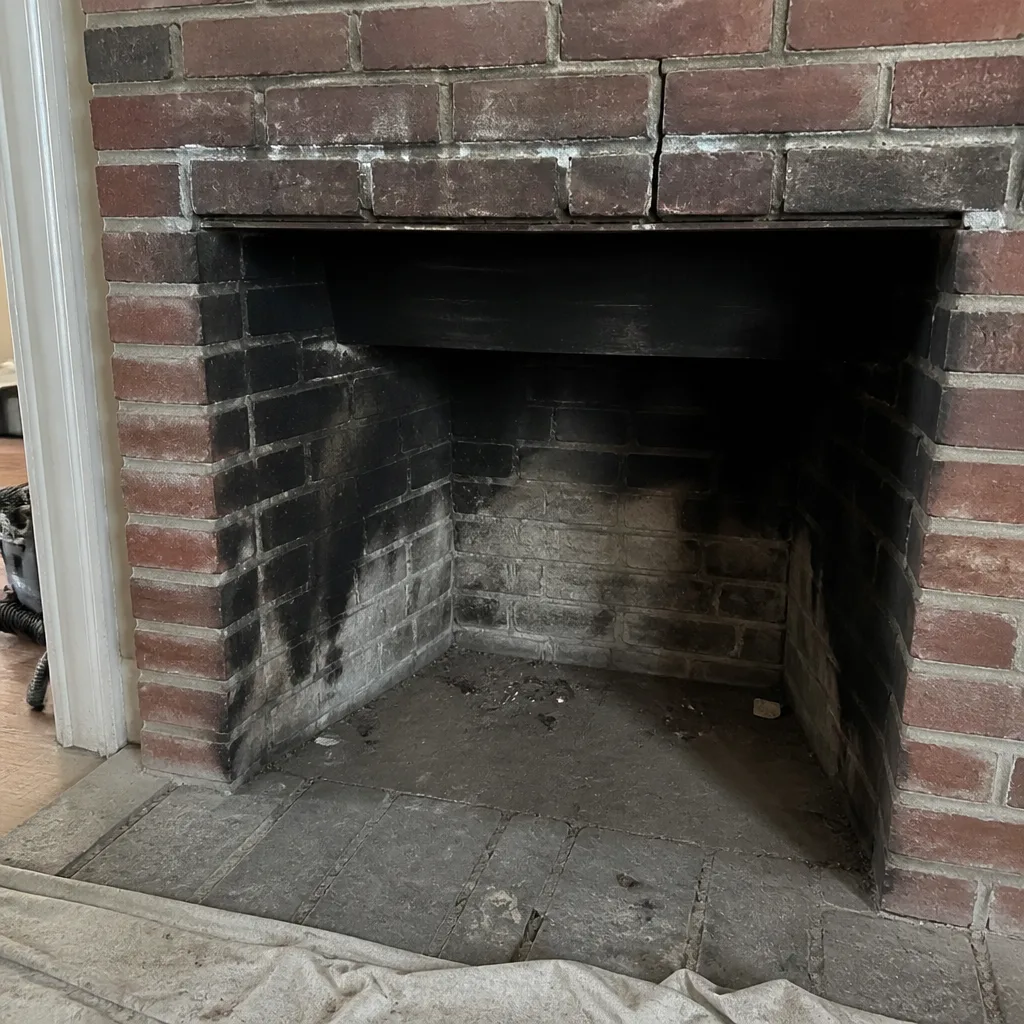 Before
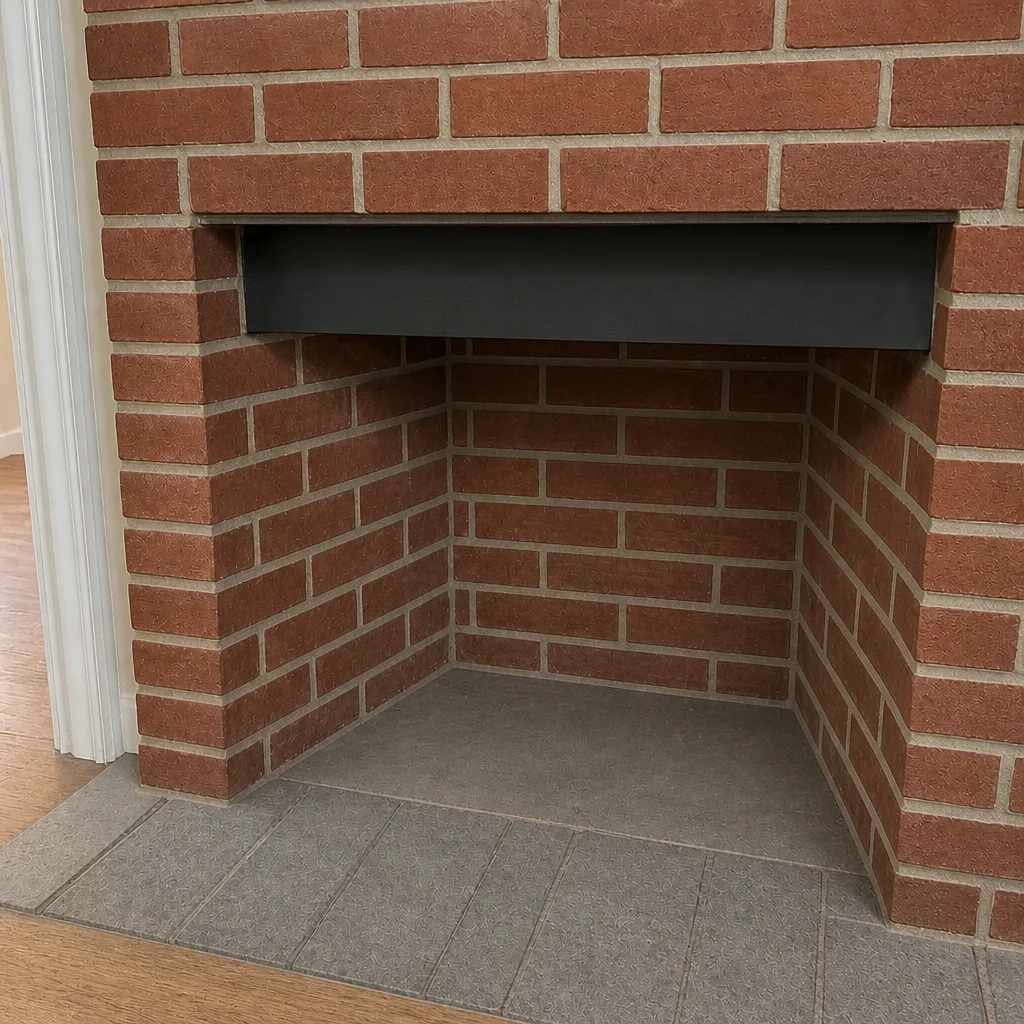 After
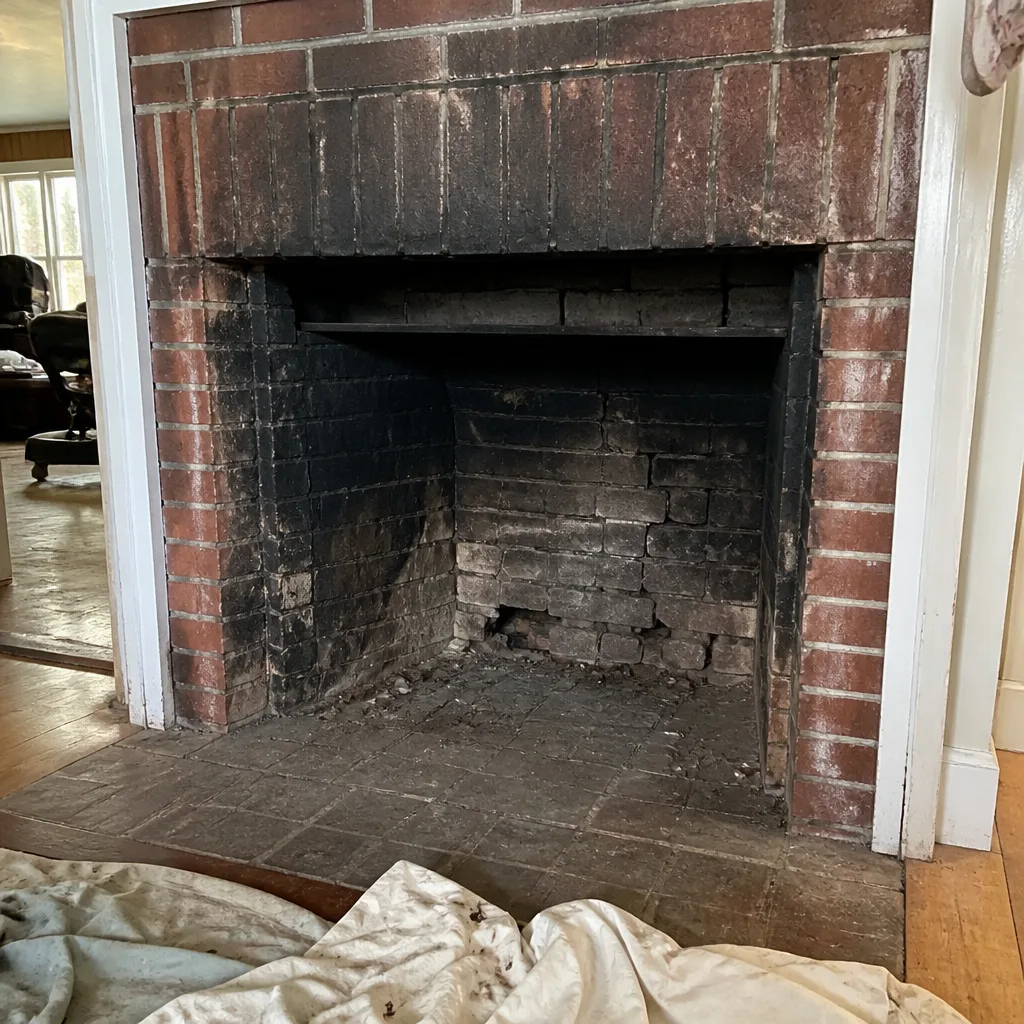 Before
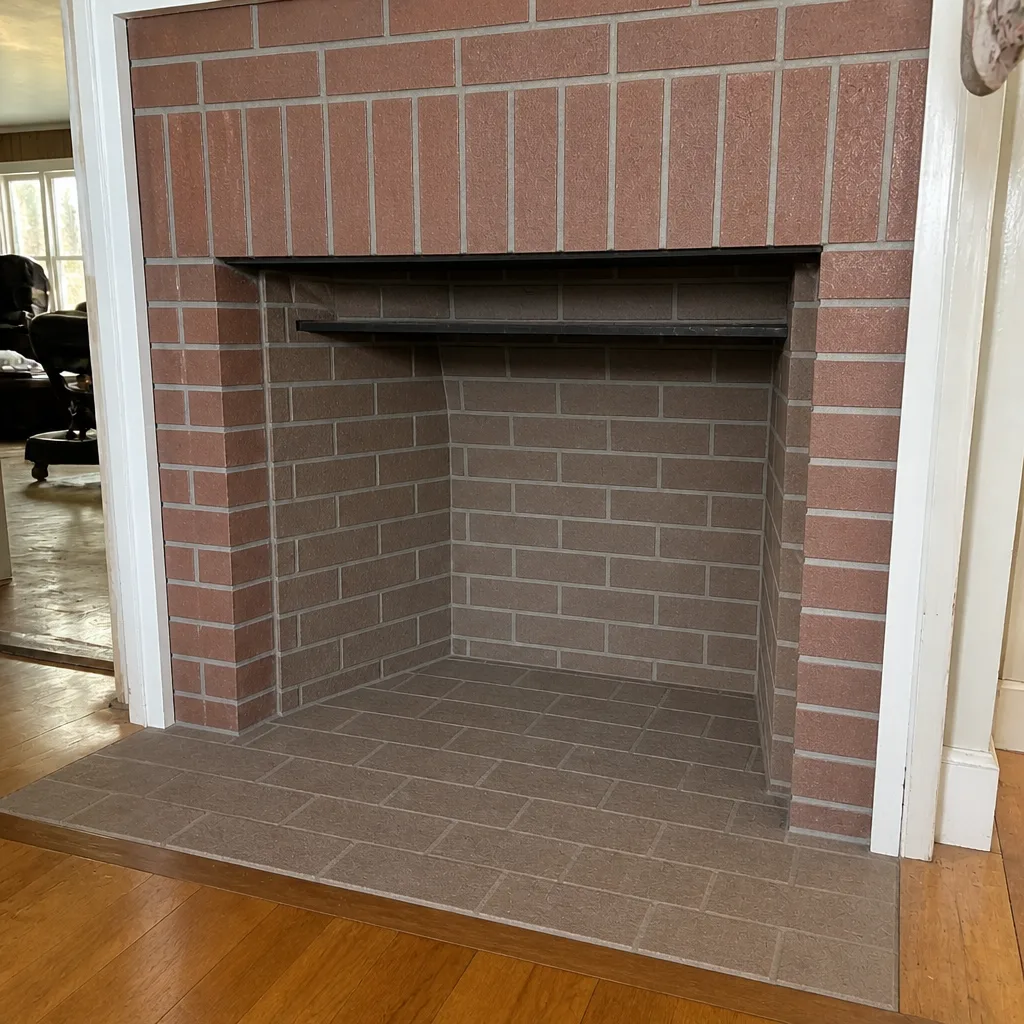 After
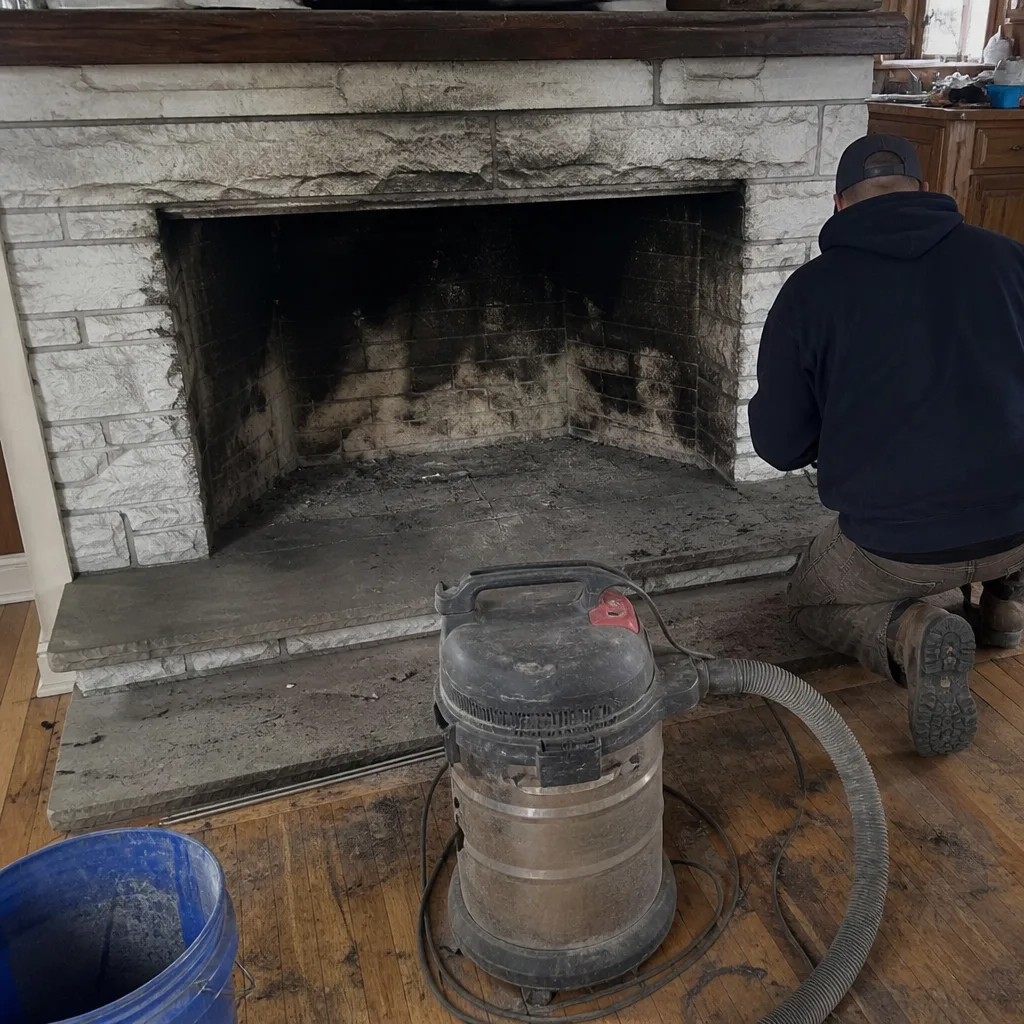 Before
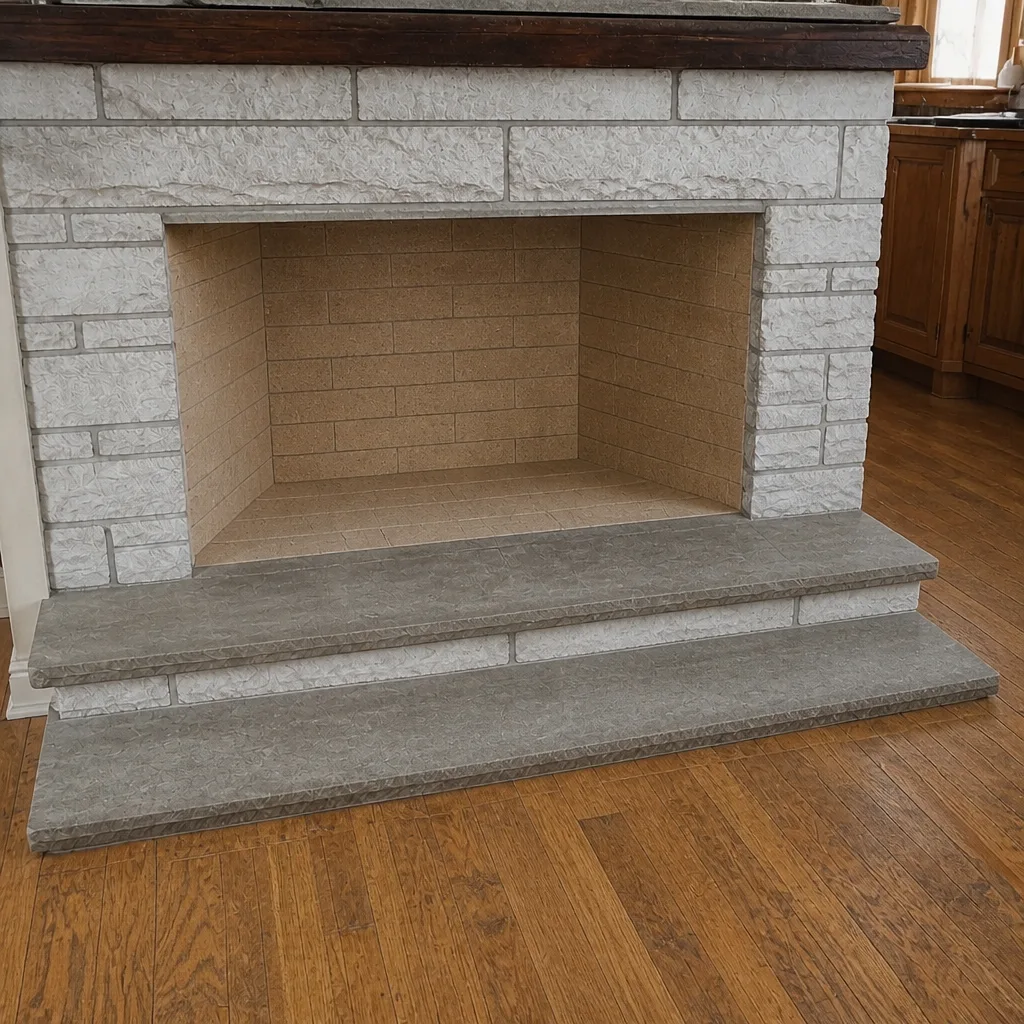 After
HeatShield Products We Service & Install in Lynn
We work with the HeatShield system as it’s actually installed in Massachusetts homes. The standard cast-in-place refractory liner is the base product here, formed in round and oval shapes to match existing single flues. For oil and wood flues, the insulating mix formulations are what give the liner its thermal protection, and we work with both as the flue calls for. We also service HeatShield-linered fireplaces paired with an aftermarket top-sealing or multi-flue cap, and HeatShield liners underneath gas-log and fireplace-insert conversions, where the liner was cast for wood and the appliance has since changed.
If you’re not sure which of these you have, the inspection answers it. We don’t stock HeatShield products and we don’t claim to be a dealer. We service and install with quality parts that fit, and we document what we did.
We Also Service These Brands
HeatShield isn’t the only liner system in Lynn, and we’re not single-brand dependent. We also work with DuraFlex flexible liner systems, which come into play when a flue is going to be relined rather than resurfaced. For caps, covers, and venting, we work with Gelco components, and we specify Olympia Chimney, Famco, and Copperfield as well. Whatever’s on your chimney, the assessment comes first and the brand follows the diagnosis.
FAQs – HeatShield Chimney Cleaning Service in Lynn
Mostly, yes, but the surface behaves differently and the sweep needs to know that. A HeatShield surface is smoother than clay tile, so the standard rotary brush works, but a stiff brush run too aggressively can scuff the liner and knock loose spalled material. In Lynn, where soot and creosote buildup is often compounded by cracked or missing mortar joints letting debris into the flue, we run the brush and the camera together so we’re not cleaning blind. If you don’t know what your flue is lined with, call (833) 922-2686 and we’ll take a look before anyone sweeps it.
Dirt looks like soot, ash, and a smoky smell on damp days; a failing liner looks like dust in the firebox, uneven soot patterns on the walls, or a draft that keeps getting weaker. The real answer needs a camera, because the symptoms overlap. During the inspection we look for voids at offsets, soft or crumbling material at the flue top, and any separation where the mix meets the crown. We show you the footage and tell you plainly when the liner is sound enough that work can wait. Call (833) 922-2686 for a free estimate.
Yes, and it’s probably the most overlooked part of keeping one serviceable. The liner protects the inside of the flue; the crown protects the chimney from the top. Water getting behind the flue top is what softens and crumbles the liner edge, and Lynn’s humid marine summers and Nor’easter rain put a lot of water on the ocean-facing side of a house. A sound crown with proper coating is what allows the HeatShield surface to dry between fires. Call (833) 922-2686 and we’ll tell you what the top of yours looks like.
Sometimes, and it depends on the size and condition of the liner already in there. A gas insert or fireplace conversion changes the exhaust temperature and the volume of what’s going up the flue, and a HeatShield liner cast for a wood fire may not match the new appliance. We measure the flue, check the liner condition, and tell you whether the existing liner can take the insert or whether the flue needs to be relined first. Call (833) 922-2686 to get that answer before you buy the insert.
HeatShield is still an active cast-in-place refractory product, so replacement is a real option when a liner has failed. That said, replacement isn’t always the right call. A flue that’s ovalized, badly offset, or no longer round may be better served by a DuraFlex flexible liner system, which is why we carry multiple brands rather than pushing one. The written report tells you what the flue will actually accept. Call (833) 922-2686 for a free estimate.
It depends on the liner condition, the number of flues, and whether the crown or cap needs work, so we price per job by written estimate rather than quoting a number blind. An inspection is included in that process, and we show you the camera footage so nothing is recommended that you can’t see for yourself. In a triple-decker, we test each flue separately, because each unit’s appliance often vents into its own flue within a shared stack. Call (833) 922-2686 for an exact quote. Estimates are free.
Book Your HeatShield Service in Lynn, MA
Everything we do starts with the inspection, so you get answers before anyone quotes work. Your flue is a life-safety system, and it deserves more than a brush and a guess. Call (833) 922-2686 for a free estimate. We answer 24/7. Fast dispatch from 7am to 7pm, Sunday through Friday.
Written by the team at Chimney Sweep Lynn.